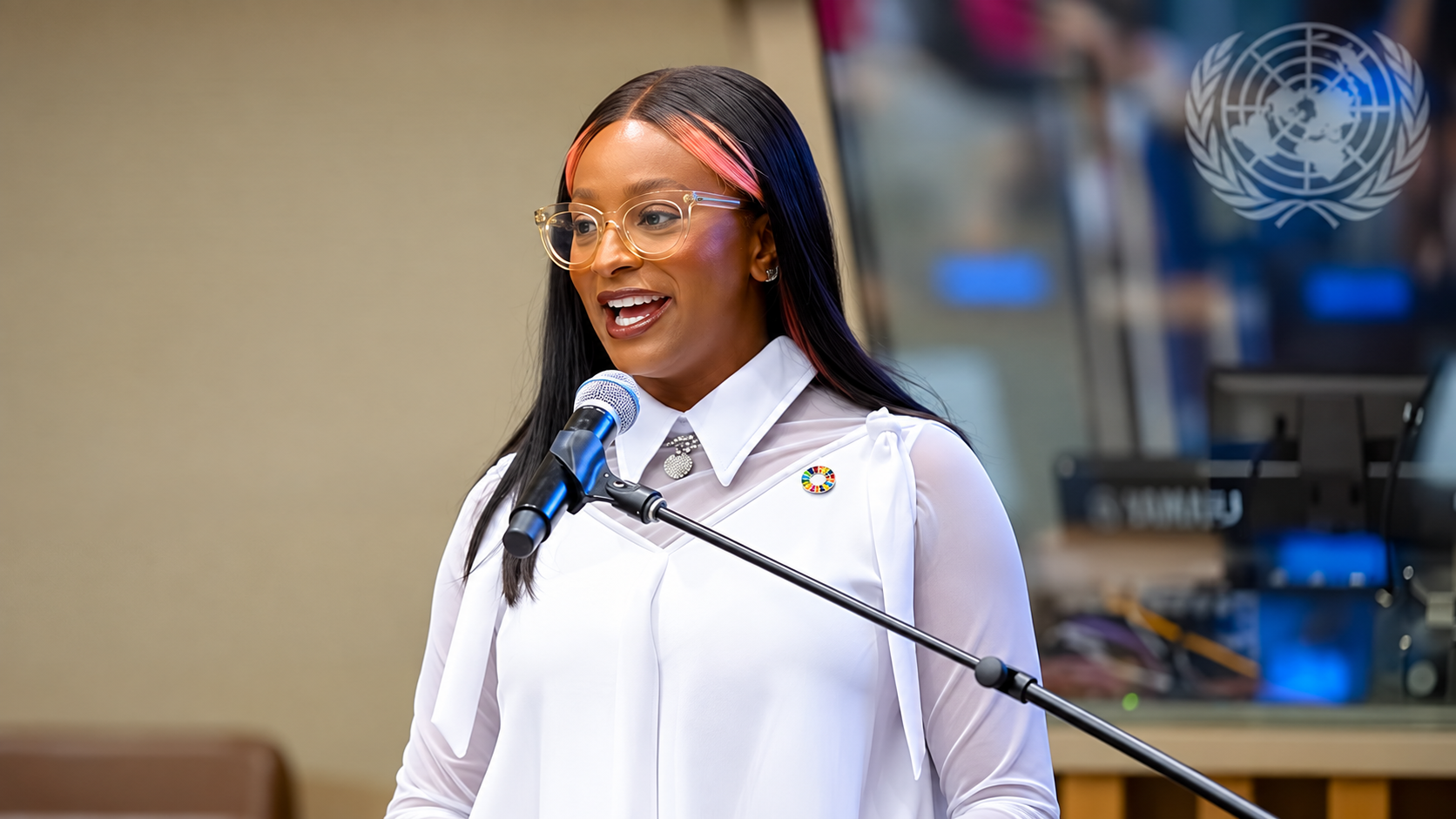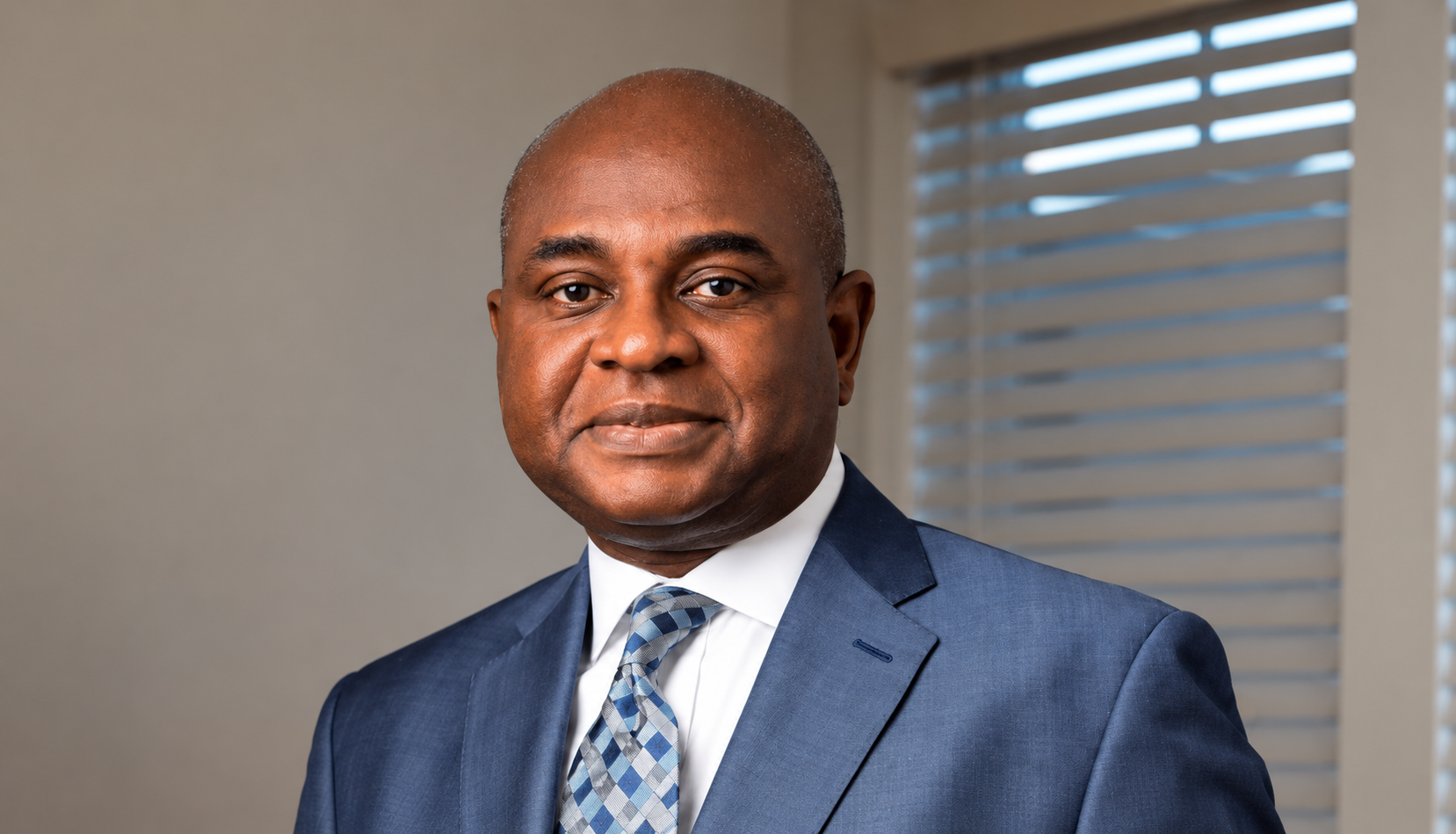
At the bustling atmosphere of the SHIFT Conference 2026, leadership took on a meaning far deeper than the traditional image of authority, hierarchy and executive titles. When Nike Adeyemi stepped onto the stage, she did not begin with strategy charts or corporate frameworks. Instead, she offered a simple but powerful redefinition: leadership, she explained, is fundamentally about influence.
For Adeyemi, the founder of the Real Woman Foundation and co-founder of the Daystar Leadership Academy, leadership does not belong exclusively to boardrooms or public offices. It unfolds quietly in everyday spaces, in classrooms where teachers shape minds, in homes where parents nurture values, and in workplaces where small decisions ripple outward to affect many lives.
Her message invited the audience to rethink what it truly means to lead. Titles, she suggested, may offer recognition, but they do not define leadership. What matters instead is the intention behind one’s actions and the ability to shape people and outcomes through meaningful influence. Every interaction, every decision and every response carries the potential to guide others, whether consciously or not.
YOU CAN ALSO READ: Lead the Shift. Own the Future.
At the heart of Adeyemi’s teaching was a theme that often receives little attention in leadership discourse: balance.
In a world increasingly marked by uncertainty and constant pressure, she urged leaders to anchor themselves in both faith and practical wisdom. Spiritual conviction, she explained, must walk hand in hand with thoughtful planning. Leaders who neglect either dimension risk becoming unsteady in moments of crisis.
Yet balance also demands something many leaders struggle to accept, rest.
Adeyemi spoke candidly about a personal experience when the weight of leadership responsibilities pushed her close to emotional and mental exhaustion. A retreat program she had organized, intended to inspire others, unexpectedly became a source of intense pressure. The turning point came when she made the difficult decision to step back.
That pause, she revealed, became transformative. In allowing herself to rest, she rediscovered clarity, renewed purpose and the strength to continue. Her story offered a reminder that sustainable leadership does not come from relentless motion. Sometimes the courage to pause becomes the very act that preserves long term effectiveness.
To navigate the demands of leadership, Adeyemi encouraged participants to develop what she described as a personal leadership toolkit.
Just as individuals carry everyday essentials such as phones, wallets or accessories, leaders must also cultivate internal resources that sustain them through moments of challenge. Gratitude, self awareness and emotional discipline, she explained, serve as invisible yet powerful tools.
These qualities become especially vital when leaders face pressure, criticism or uncertainty. Without them, even the most talented individuals may struggle to maintain stability and clarity.
Perhaps the most compelling moment of Adeyemi’s session came as she reflected on a defining experience from her late twenties.
Disturbed by the plight of young women living on the streets, she once walked into a brothel, an action that required both courage and compassion. That single step opened conversations that would later evolve into rescue initiatives and the establishment of shelters for vulnerable girls.
What began as a moment of personal conviction eventually grew into humanitarian work that has transformed countless lives.
Through the story, Adeyemi illustrated a profound leadership truth. Courage often begins with small, uncomfortable steps, yet those steps can ignite movements far greater than the individual who takes them.
Leadership, she emphasized, does not end with insight or good intentions. Vision must be communicated clearly and consistently.
Ideas alone rarely create change. They gain power only when leaders articulate them repeatedly and translate them into action. Communication therefore becomes a bridge between knowledge and transformation.
Equally important is the willingness to share responsibility. Adeyemi warned that leaders who refuse to delegate often limit their own potential. While delegation may sometimes lead to imperfect outcomes, collaboration remains essential for growth and innovation.
YOU CAN ALSO READ: The Power of Being Seen – Dr. Sam Adeyemi’s Message to Leaders Who Stay Silent
As conversations about artificial intelligence continue to reshape global industries, Adeyemi offered a reminder about what technology cannot replicate, human emotional intelligence.
Empathy, she argued, is becoming one of the most critical leadership skills of the modern era. Authority without understanding rarely inspires loyalty, particularly in diverse, multigenerational environments. Leaders who succeed today are those who can listen deeply, communicate thoughtfully and connect authentically with people.
Even in an age defined by digital transformation, the human capacity for compassion remains irreplaceable.
As her session drew to a close, Adeyemi’s message returned to its central theme. Leadership, she reminded the audience, is not reserved for the few who hold visible positions of power. It is a responsibility carried by anyone capable of influencing others.