As tensions flare in the Middle East and the drums of war echo once again across the Persian Gulf, global markets are bracing for another wave of economic uncertainty. The escalating confrontation involving the United States, Israel, and Iran has sent shockwaves through financial markets, supply chains, and energy corridors at a moment when the world economy had only just begun to stabilize after years of disruption.
At the center of the unfolding crisis lies the Strait of Hormuz, the narrow maritime passage that functions as the world’s most critical artery for energy trade. Every day, roughly 20 million barrels of oil pass through this corridor—about one fifth of global oil supply and more than a quarter of all seaborne crude shipments worldwide. Any disruption to this route instantly reverberates through global trade, shipping, and energy markets.
But oil is only part of the story. The Gulf region also anchors crucial global shipping routes, aviation corridors, and LNG supply chains linking Asia, Europe, and the Americas. With insurers already withdrawing war-risk coverage for vessels operating in the area and shipping premiums surging, markets are beginning to price in the possibility of a wider supply shock. Crude prices have already surged, with analysts warning that oil could climb toward $100 per barrel or beyond, reigniting inflationary pressures and placing central banks in a difficult position.
YOU CAN ALSO READ: Nigeria’s Revenue Boom Raises Hopes and Concerns, Says Tilewa Adebajo
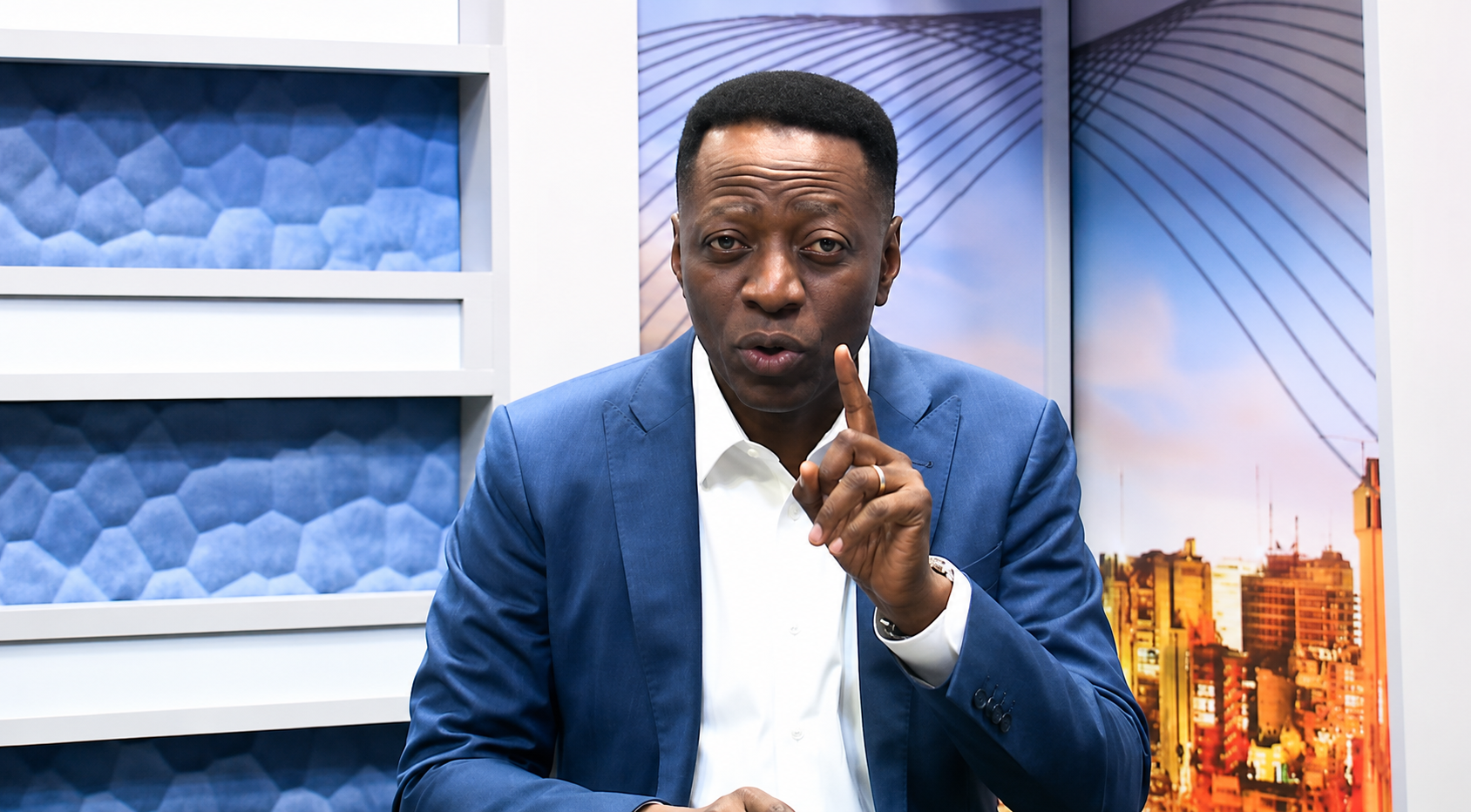
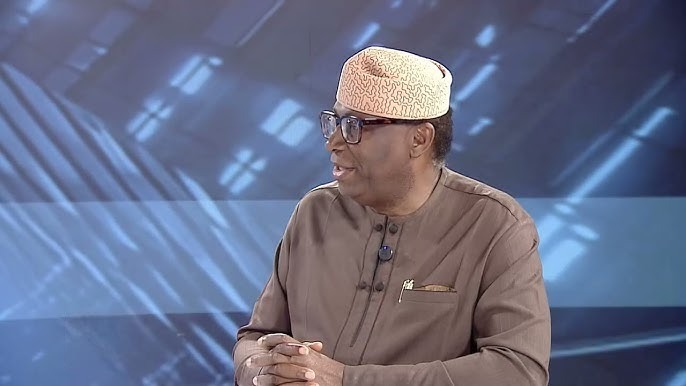
Amid this turbulent backdrop, Nigerian economist and investment strategist Tilewa Adebajo, Chief Executive Officer of CFG Advisory, offers a sharp and historically grounded perspective on the unfolding crisis and its implications for the global economy and for Nigeria.
According to Adebajo, the seeds of the current confrontation were planted years ago. He traces the trajectory back to 2015, when then U.S. President Barack Obama brokered the Joint Comprehensive Plan of Action with Iran. The agreement, signed by Iran alongside the United States, the United Kingdom, France, Germany, Russia, China, and the European Union, placed strict limits on Iran’s nuclear program in exchange for sanctions relief.
That diplomatic framework unraveled in 2018, when the United States withdrew from the deal under President Donald Trump, setting in motion a chain of events that has gradually pushed the region back toward open conflict.
From Adebajo’s vantage point, today’s market reactions are not exaggerated; they are simply rational. Markets, he argues, are pricing risk exactly as they should. The surge in Brent crude above $90 per barrel, a level not seen in years, reflects the global economy’s acute sensitivity to disruptions in Middle Eastern energy supplies.
While geopolitical shocks are not new to the global economy, Adebajo emphasizes that this particular conflict carries a different economic weight. Unlike the Russia–Ukraine war, which primarily disrupted agricultural exports such as wheat and grain, the current crisis strikes at the heart of global energy production.
Countries such as Qatar, one of the world’s largest exporters of liquefied natural gas, sit directly within the conflict’s geographic orbit. Any disruption to their operations could ripple across global energy markets. The situation is further complicated by the effective closure or severe disruption of the Strait of Hormuz, which has already driven up shipping insurance costs and heightened fears of supply interruptions.
For central banks around the world, the timing could hardly be worse. In the years following the COVID-19 pandemic, policymakers battled surging inflation through aggressive interest-rate hikes. By last year, inflation had begun to moderate, and many economies were preparing to lower borrowing costs to stimulate growth. But a new energy shock threatens to reverse that progress.
Rising oil prices could quickly translate into higher transportation, manufacturing, and food costs, pushing inflation upward once again. For institutions such as the U.S. Federal Reserve and the European Central Bank, this creates a delicate balancing act between controlling inflation and avoiding economic slowdown.
Adebajo warns that the next phase of global economic discussion may shift from inflation to a more ominous concern: recession.
For Nigeria, however, the crisis presents a paradoxical opportunity. With Brent crude hovering around $92 per barrel, far above the $60 benchmark used in Nigeria’s national budget, the country stands to gain substantial additional revenue from higher oil prices. Historically, similar moments have generated windfalls for Nigeria. During earlier Gulf conflicts, elevated oil prices significantly boosted government revenues.
Yet Adebajo cautions that Nigeria’s ability to fully capture this windfall may be constrained by oil forward contracts, agreements through which future oil production has already been sold in advance. These contracts mean that any increase in oil prices must first be offset against previously committed sales.
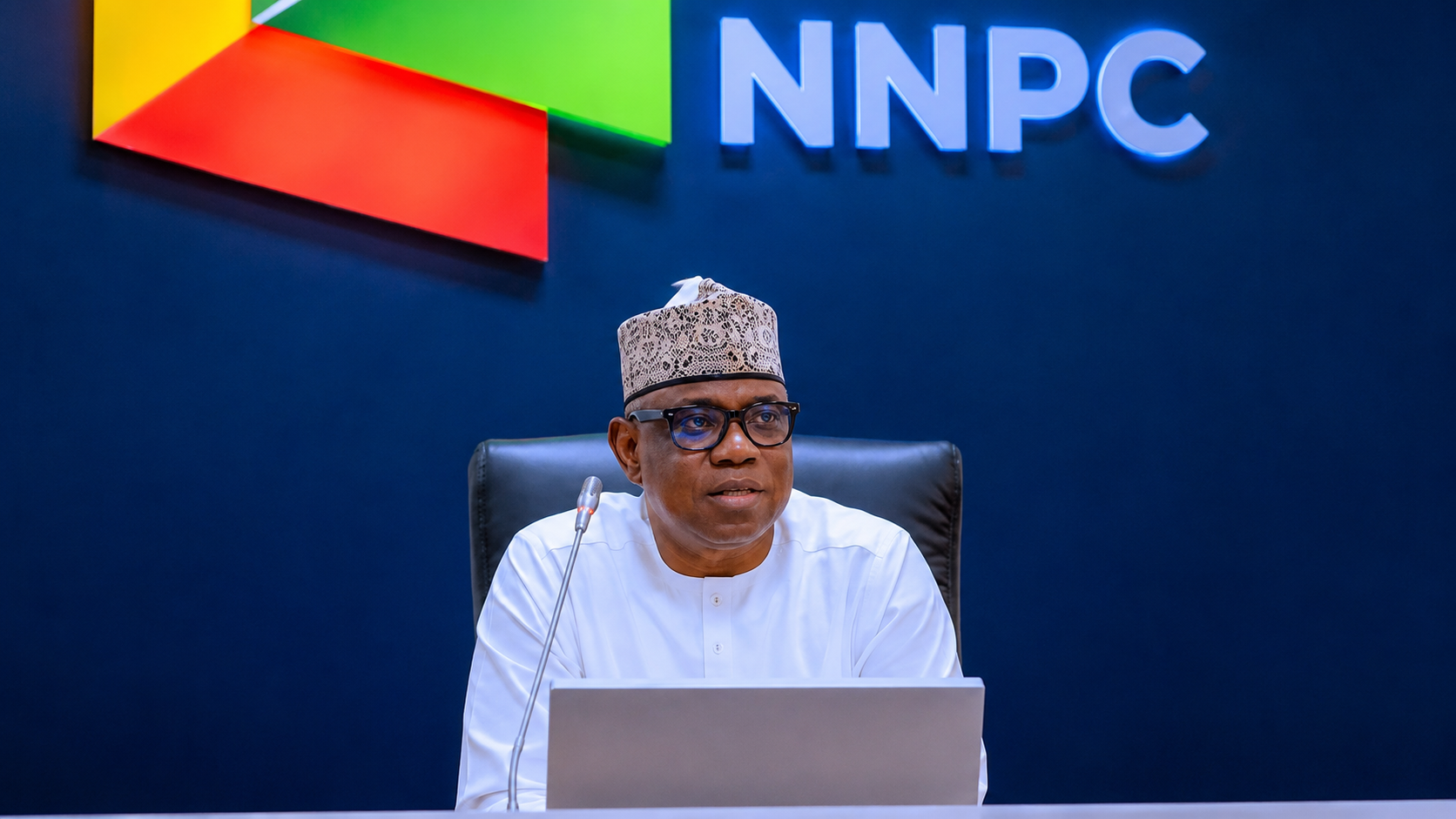
For Adebajo, the solution lies in reforming the financial structure of Nigeria’s national oil company. He argues that NNPC should clean up its balance sheet and raise international bond financing to settle outstanding forward contracts. Doing so would allow Nigeria to benefit fully from future price surges instead of seeing those gains diluted.
Higher oil prices also carry consequences for Nigerian consumers. Since the government deregulated the petroleum market, global oil price increases now translate more directly into higher domestic fuel prices. Nigerians may therefore feel the pinch at the pump, even as the government’s fiscal position improves. Such trade-offs, Adebajo notes, are part of the broader transition toward a market-driven energy sector.
For investors navigating the current uncertainty, Adebajo identifies one clear winner: gold. The precious metal has surged dramatically in recent years, rising nearly 90 percent in the past year alone and more than 200 percent over the past five years. Central banks across the world are also increasing their gold reserves while reducing exposure to U.S. Treasury securities. Even major holders such as China have significantly scaled back their Treasury holdings in favor of gold.
YOU CAN ALSO READ: NNPC’s ₦5.4 Trillion Profit Raises Fresh Questions After Debt Write Off
In addition to gold, Adebajo sees opportunities in government bonds, which typically benefit when interest rates rise. Meanwhile, equity markets, particularly in energy-import-dependent economies, may face volatility. Countries such as Japan, South Korea, and China, which rely heavily on energy shipments passing through the Strait of Hormuz, are especially vulnerable to disruptions.
How long the conflict will last remains unclear. Early military strategies have not delivered decisive outcomes, and escalating deployments suggest the campaign may prove longer and more complex than initially expected.
For policymakers and investors alike, caution is the watchword. Yet within the uncertainty lies a rare window of opportunity, particularly for oil-producing nations such as Nigeria. If managed wisely, the current crisis could strengthen Nigeria’s fiscal position and provide resources to support long-term economic reform.
But as Tilewa Adebajo’s analysis makes clear, capturing that opportunity will require not just favorable oil prices, but disciplined policy, financial transparency, and strategic foresight.
This feature article is based on insights shared by Mr. Tilewa Adebajo during an interview on ARISE TV. The views and analysis presented are drawn from his remarks in that interview and do not necessarily represent the views of EnterpriseCEO. The article has been adapted for clarity and narrative flow while maintaining the key perspectives expressed by Mr. Adebajo.