The quiet academic surroundings of Cambridge became the setting for an ambitious conversation about Nigeria’s financial future as policymakers, regulators and private sector leaders gathered at the Møller Institute at the University of Cambridge.
Inside the institute’s historic halls, discussions centred on a bold vision: positioning Lagos as a global financial hub through the Lagos International Financial Centre (LIFC).
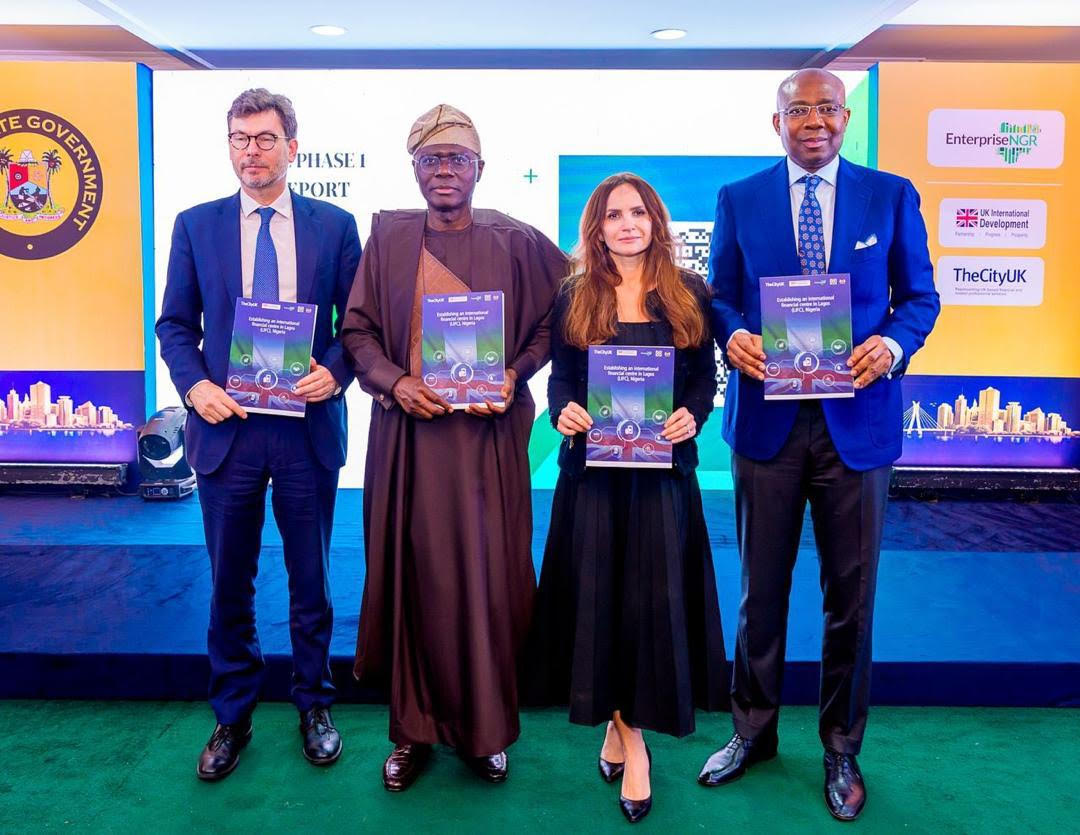
The initiative is being driven by the Lagos State Government in partnership with EnterpriseNGR and supported internationally by TheCityUK. The project is currently in its second phase of implementation and is designed to attract global investors, financial institutions and large pools of international capital to Nigeria.
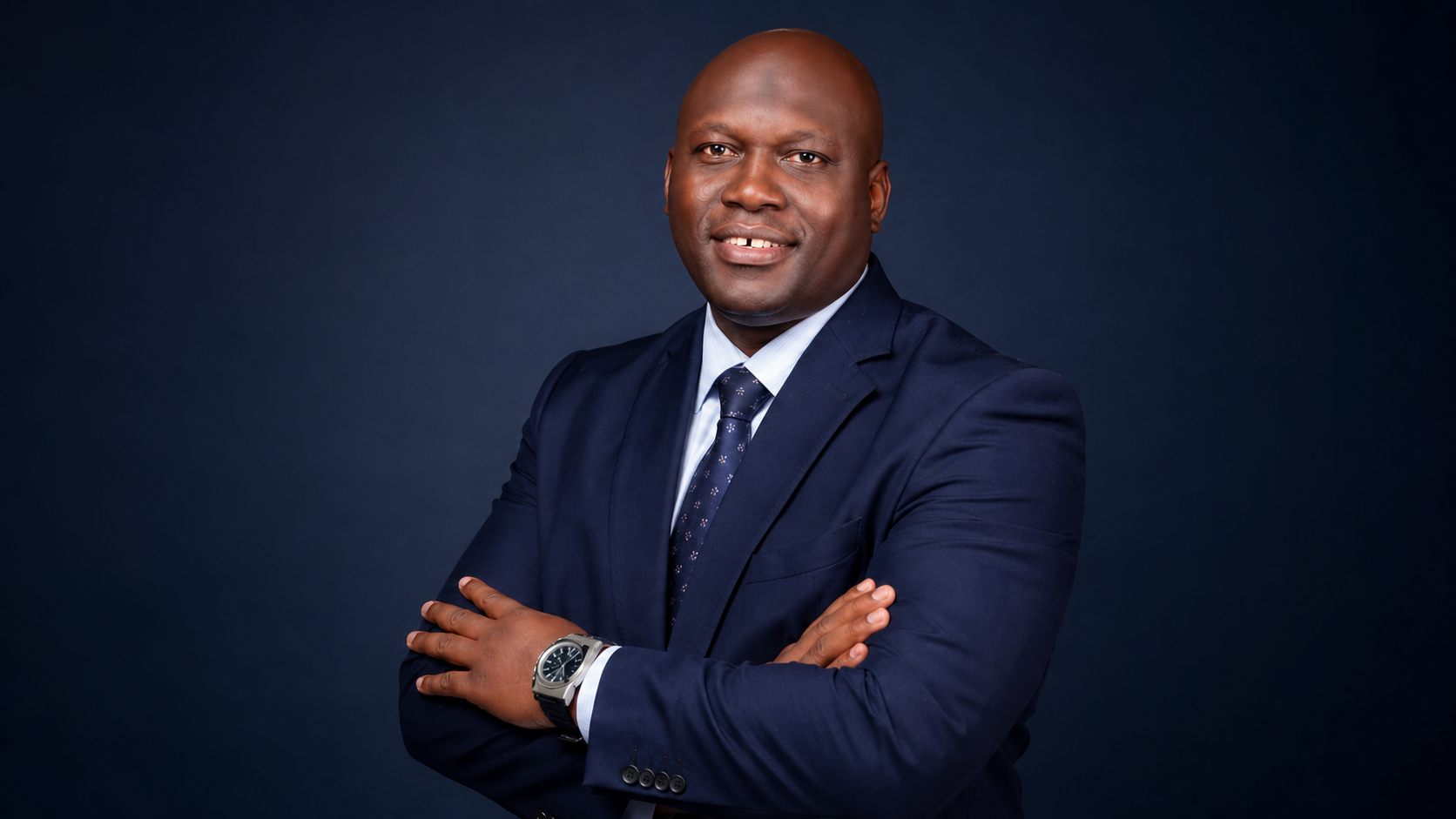
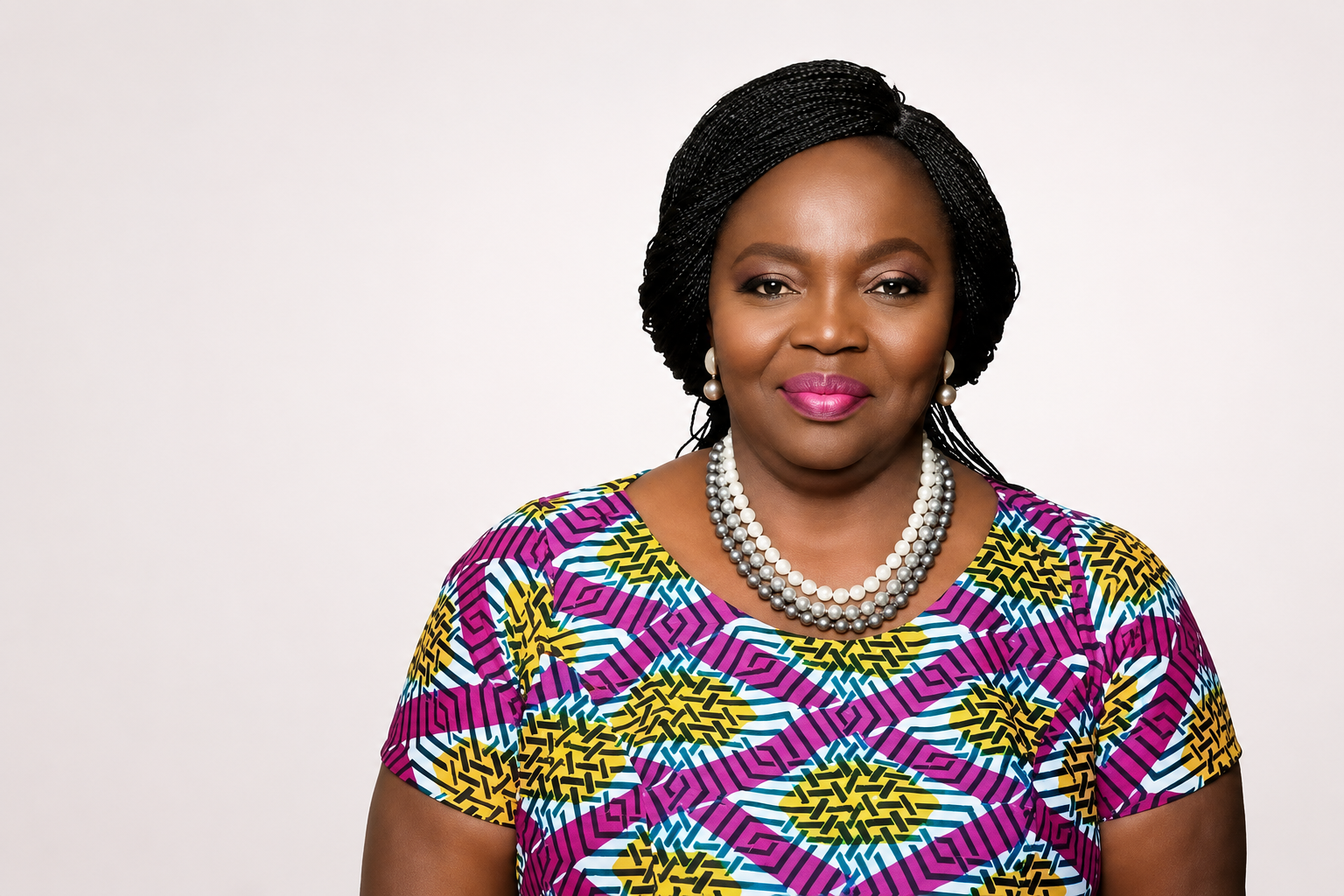
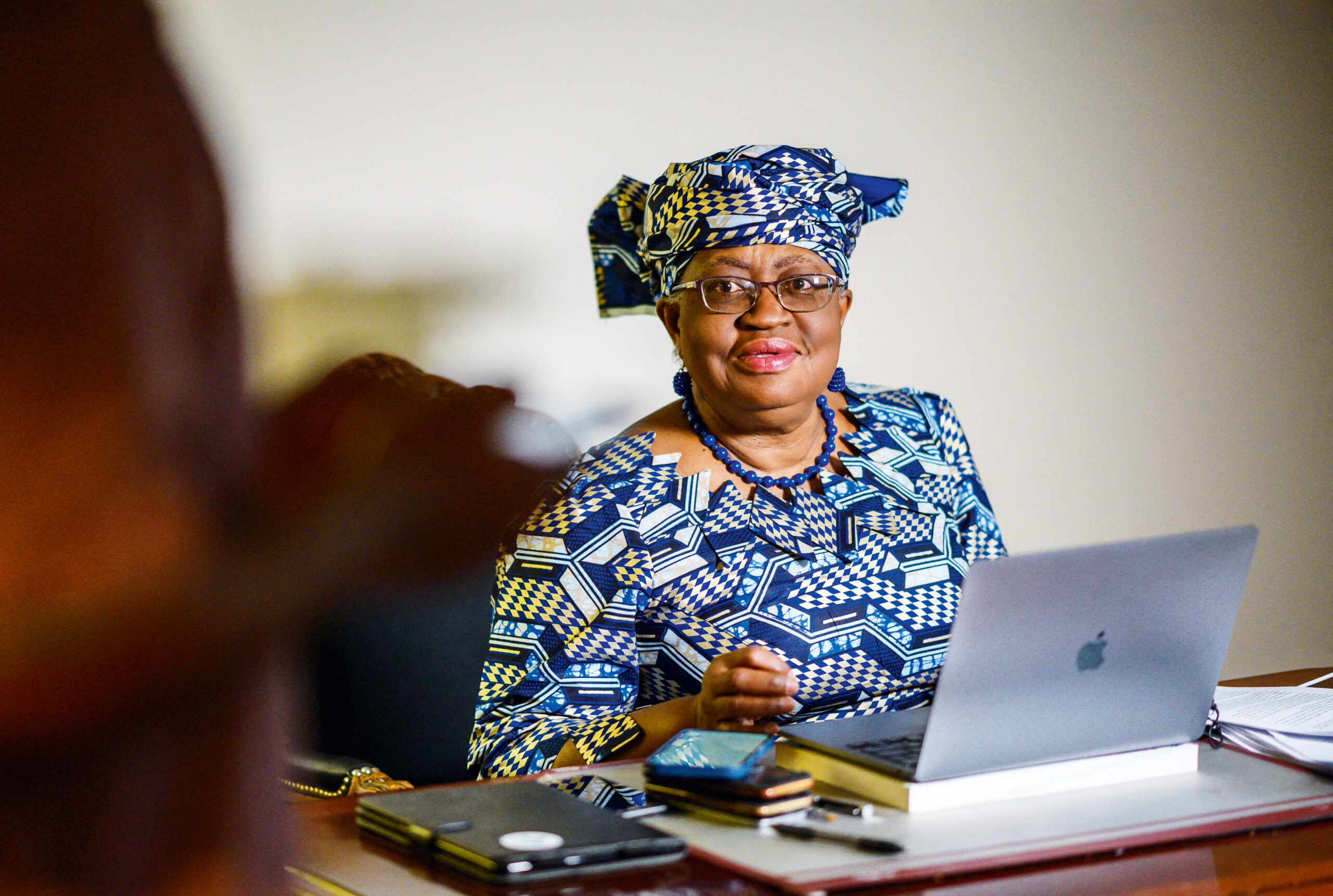
Among the participants at the Cambridge training programme were Babajide Sanwo-Olu, Jumoke Oduwole and Emomotimi Agama. Their presence reflected the growing alignment between federal institutions, regulators and the private sector around the initiative.
YOU CAN ALSO READ: War in the Gulf, Opportunity for Nigeria: Tilewa Adebajo on the Global Oil Shock
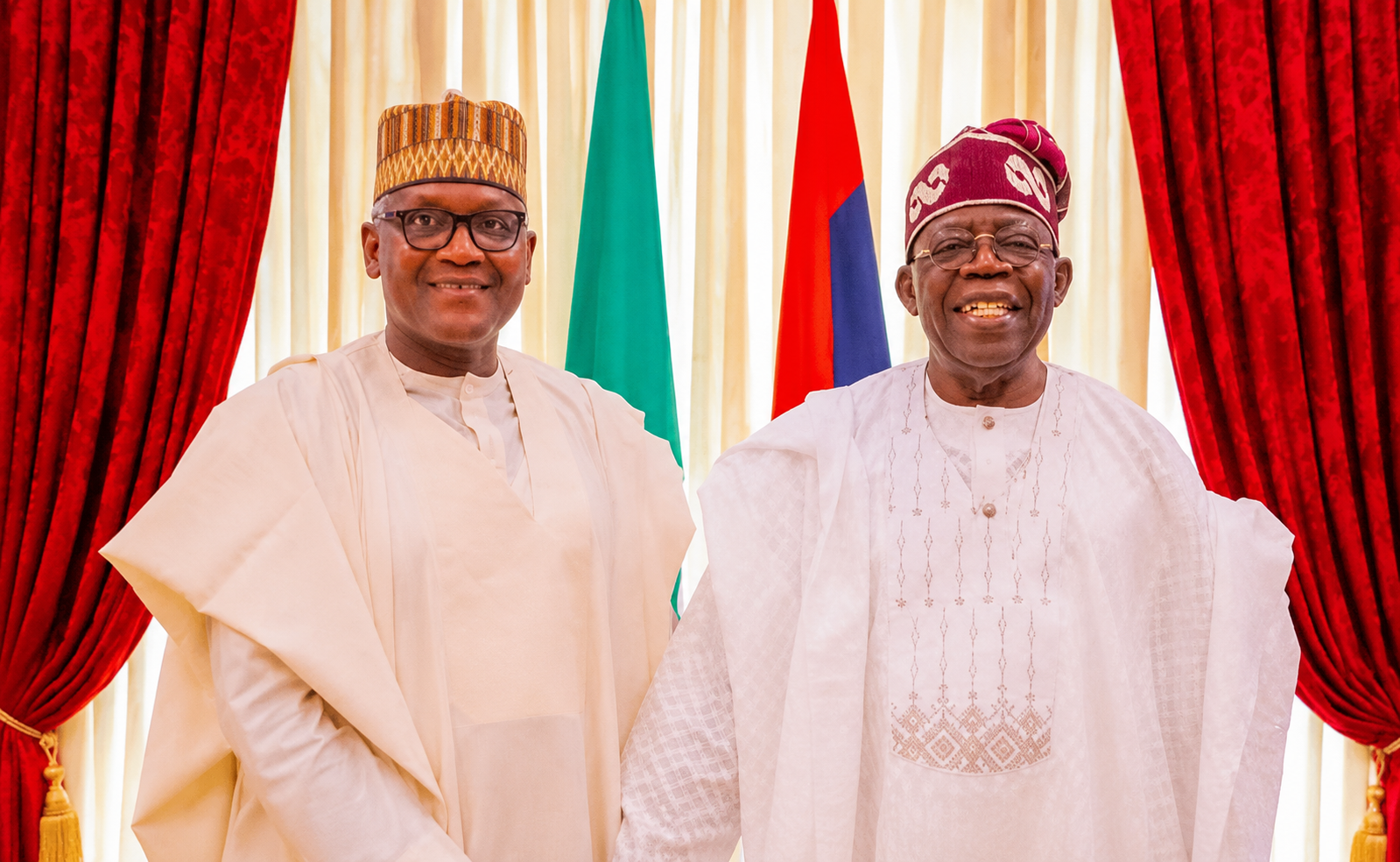
For Governor Sanwo-Olu, the gathering underscored the importance of collaboration in building institutions capable of transforming Nigeria’s economic trajectory. The governor noted that the initiative also enjoys the support of Bola Ahmed Tinubu, whose administration is focused on strengthening Nigeria’s position within the global economy.
Across the world, competition for foreign direct investment has intensified. Countries and cities are actively refining their regulatory frameworks, strengthening institutions and modernising infrastructure to attract international capital.
Nigeria’s Minister of Industry, Trade and Investment, Oduwole, said the Lagos International Financial Centre could serve as a powerful catalyst for investment, helping position Lagos as a financial gateway to Africa.
She explained that the Nigerian economy, following a series of reforms, is entering a period where stability and policy clarity can begin to attract larger volumes of global investment. For that to happen, however, Nigeria must create the kind of environment international investors recognise and trust.
For Emomotimi Agama, the Cambridge training programme represented an important step in building that environment. Establishing an international financial centre, he noted, requires deep technical knowledge and a clear understanding of how successful financial hubs operate.
Participants studied global models such as Singapore, Dubai, Hong Kong and London, examining how those cities built the regulatory systems, infrastructure and legal frameworks that make them attractive to global investors.
At the centre of the initiative is Aigboje Aig-Imoukhuede, who serves as co-chair of the Lagos International Financial Centre alongside Governor Sanwo-Olu.
He describes international financial centres as carefully designed jurisdictions that create a safe and predictable environment for investors. Cities like London, Singapore and Dubai became financial powerhouses because they deliberately built ecosystems tailored to the needs of international capital.
According to Aig-Imoukhuede, more than twenty key characteristics define a successful financial centre, including strong rule of law, efficient courts, modern digital infrastructure and globally aligned financial regulations.
Lagos already holds enormous economic significance as Nigeria’s commercial capital and home to major banks, technology firms and financial institutions. But to compete globally, he explained, those economic advantages must be supported by a deliberately structured investment environment.
The Lagos International Financial Centre represents an effort to build exactly that.
YOU CAN ALSO READ: ‘Nigeria’s Agricultural Renaissance Must Begin Now’ – Prince S J Samuel
A defining feature of the initiative is the partnership between government and the private sector. Through EnterpriseNGR, leading institutions across banking, insurance, asset management, law, consulting and fintech are working alongside policymakers to design the ecosystem.
For many involved in the project, the timing feels particularly significant. Nigeria’s current leadership includes individuals with deep experience in global finance and markets, while recent economic reforms have begun to stabilize key macroeconomic indicators.
Those developments are helping reshape investor perceptions of the country.
If the Lagos International Financial Centre succeeds, stakeholders believe the benefits could extend far beyond Lagos itself, boosting investment flows, creating high-value employment and strengthening Nigeria’s economic influence across West Africa.
For now, the work continues. Stakeholders are developing the legal and regulatory framework that will underpin the centre, expanding its governing council and preparing to establish operational offices and staff.
The ambition is not simply to create another financial district but to build an ecosystem capable of attracting global capital while strengthening Nigeria’s domestic investment environment.
If achieved, Lagos could move beyond its status as Africa’s largest commercial city to become one of the world’s most important financial gateways.