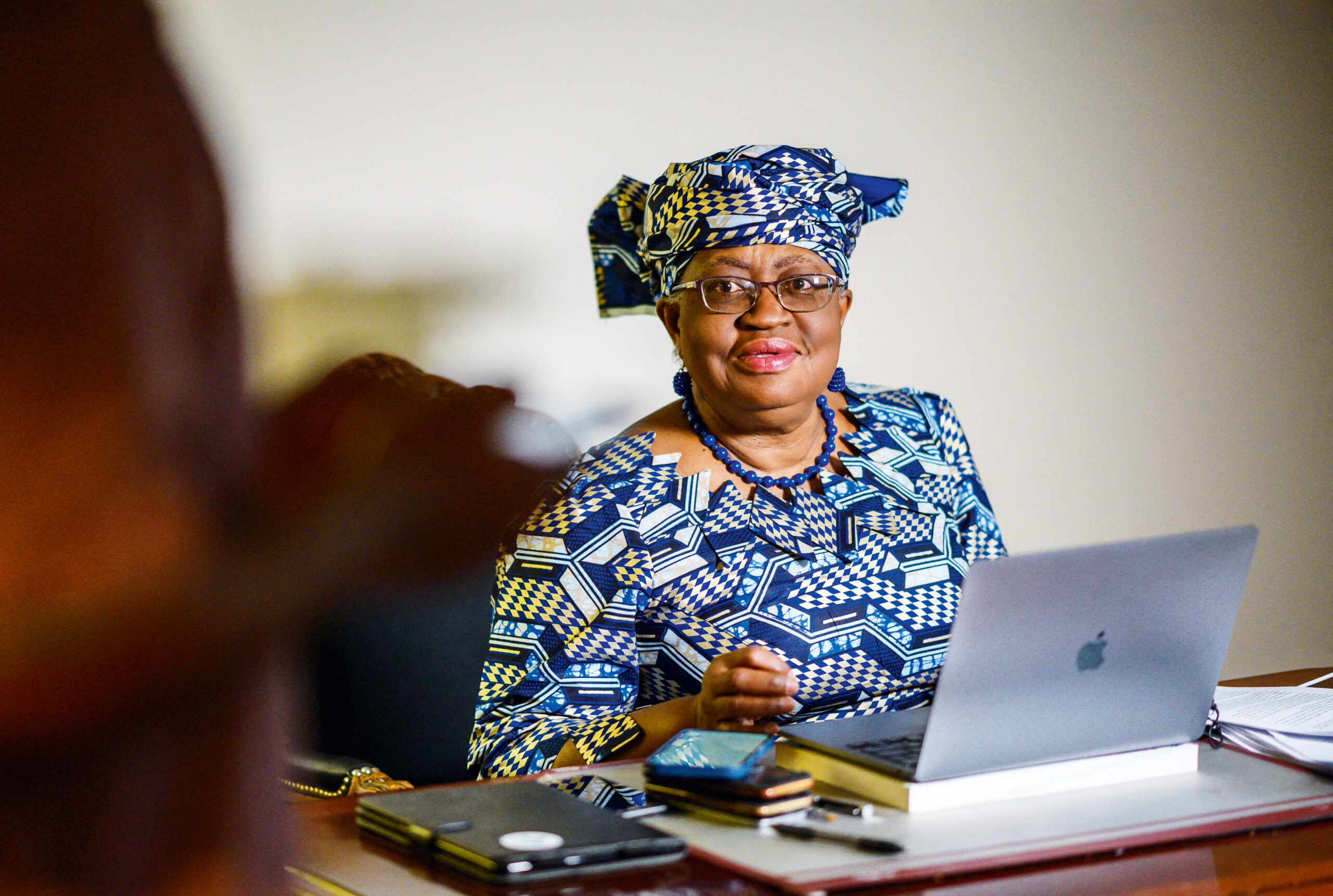
At the intersection of faith, enterprise, and nation building, Ibukun Awosika delivered a stirring and deeply personal address at the Jerry Eze Foundation Business Grant and Award Ceremony, one that transcended the moment and settled into something more enduring: a blueprint for resilient entrepreneurship in Nigeria.
Standing before a hall filled with hopeful founders and grant recipients, Awosika did not speak from theory. She spoke from lived experience, of starting out in an era when access to capital was scarce, when banks shut their doors to young Nigerians, and when societal expectations, especially for women, leaned more toward stability than ambition. There were no early grants, no structured support systems, no lifelines. Yet, there was conviction.
Her message was clear: opportunity does not wait for perfect conditions.
YOU CAN ALSO READ: Gabriel Ogbechie Convenes High-Level Entrepreneurship Symposium in Lagos
With a compelling mix of candour and conviction, she urged the young entrepreneurs to work their opportunities within the realities of their environment. Nigeria, she acknowledged, is riddled with policy gaps, economic volatility, and structural challenges, but these, she insisted, must not become excuses for inertia. Instead, they are the very conditions that demand innovation, courage, and grit.
Awosika introduced what she described as the “policy of despite,” a philosophy that defined her own journey. Despite limitations. Despite systemic barriers. Despite what is missing. It is within this tension, she argued, that true builders emerge.
The highlight of her address, however, was her practical wisdom on capital stewardship. Referring to the $3,000 grants awarded to beneficiaries, she reframed the narrative: this was not spending money, it was seed. Seed that must not be consumed, but cultivated.
“The first rule,” she emphasized, “is that your capital must never diminish.”
Drawing from her experience on Nigeria’s Sovereign Wealth Fund, she illustrated the discipline required to build sustainable ventures, where growth is driven not by depleting capital, but by reinvesting returns. It was a lesson in delayed gratification, reinforced by her own story of postponing personal luxuries, including buying a car, until her business had achieved meaningful scale.
Her philosophy was simple but profound: consumption can wait; capacity cannot.
Beyond financial discipline, Awosika spoke to the character required to build enduring institutions. Humility, she said, is non negotiable. In a world where business models are constantly disrupted, especially in the age of AI, entrepreneurs must remain open, adaptable, and willing to learn. The best plans, she reminded them, are built on assumptions, and only those willing to evolve will survive.
Equally powerful was her call to purpose driven entrepreneurship. Businesses, in her view, are not merely vehicles for profit, they are instruments of impact. In a country grappling with unemployment, she positioned entrepreneurs as the true engines of job creation, far beyond the capacity of government alone.
“Whatever you build,” she told them, “is your contribution to the nation.”
Yet, woven through her address was a deeper spiritual undertone, one that resonated strongly with the ethos of the gathering. Awosika challenged the audience to see themselves not as owners of wealth, but as stewards. The resources in their hands, she said, are a divine trust, “kingdom capital” that must be managed with integrity, discipline, and accountability.
It was a perspective that elevated entrepreneurship from ambition to assignment.
YOU CAN ALSO READ: Gabriel Ogbechie Convenes High-Level Entrepreneurship Symposium in Lagos
She cautioned against the pressures of premature generosity and social expectations, warning that mismanaged capital, no matter how well intentioned, can destroy both the giver and the enterprise. Instead, she advocated for timing, wisdom, and a long term view of impact.
In a particularly striking moment, she drew a parallel to the biblical story of Gideon, reminding the audience that transformation is not a function of numbers, but of vision, clarity, and commitment. With just a few hundred people, she noted, a generation can be changed.
By the time she concluded, the atmosphere had shifted. What began as a grant ceremony had evolved into a masterclass in building, businesses, character, and legacy.
For the 240 beneficiaries in the room, the message was unmistakable: this is not the end of a process, but the beginning of responsibility.
And as applause filled the hall, one thing was certain, Ibukun Awosika had not just inspired a room; she had ignited a mindset.
A mindset that dares to build, despite.