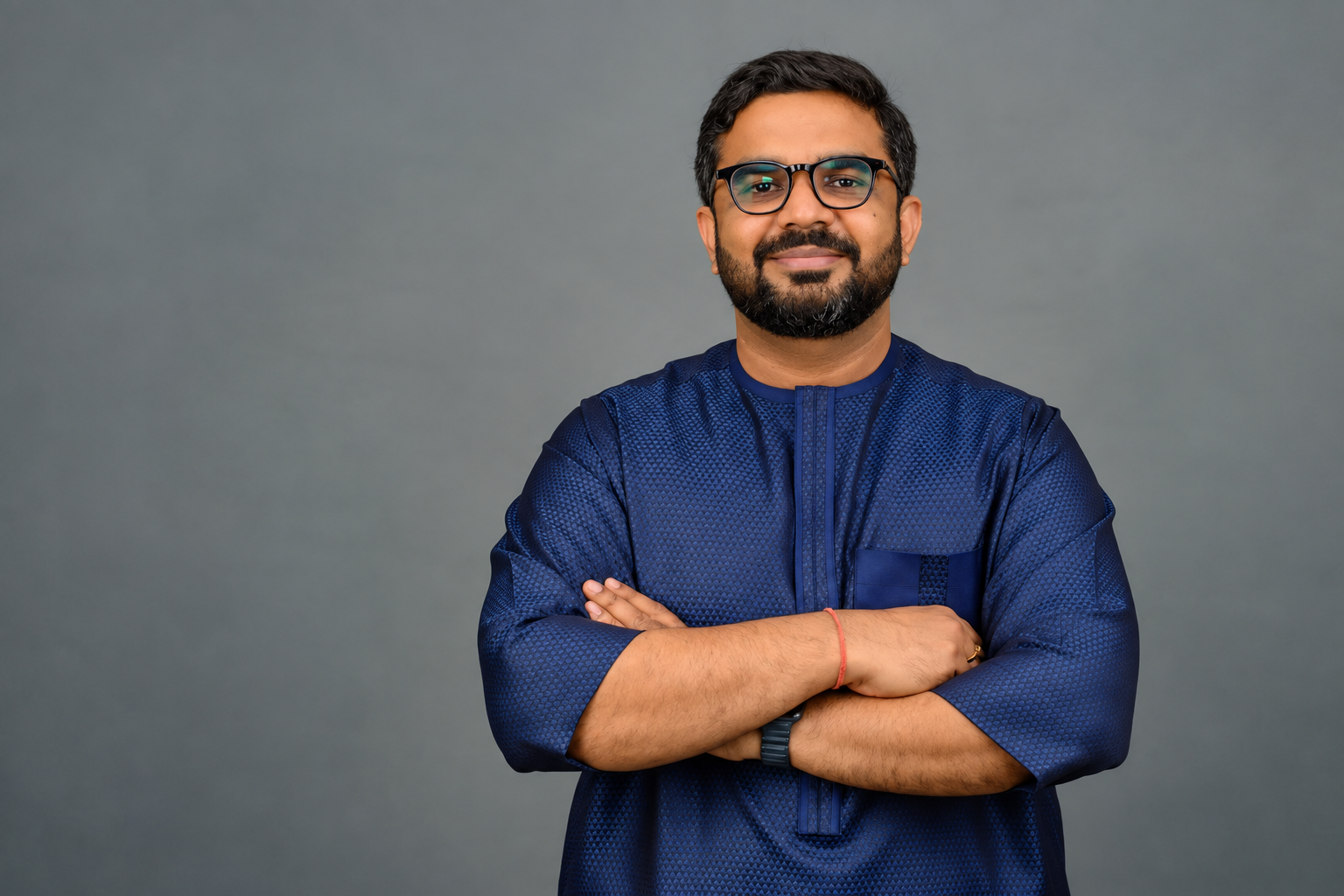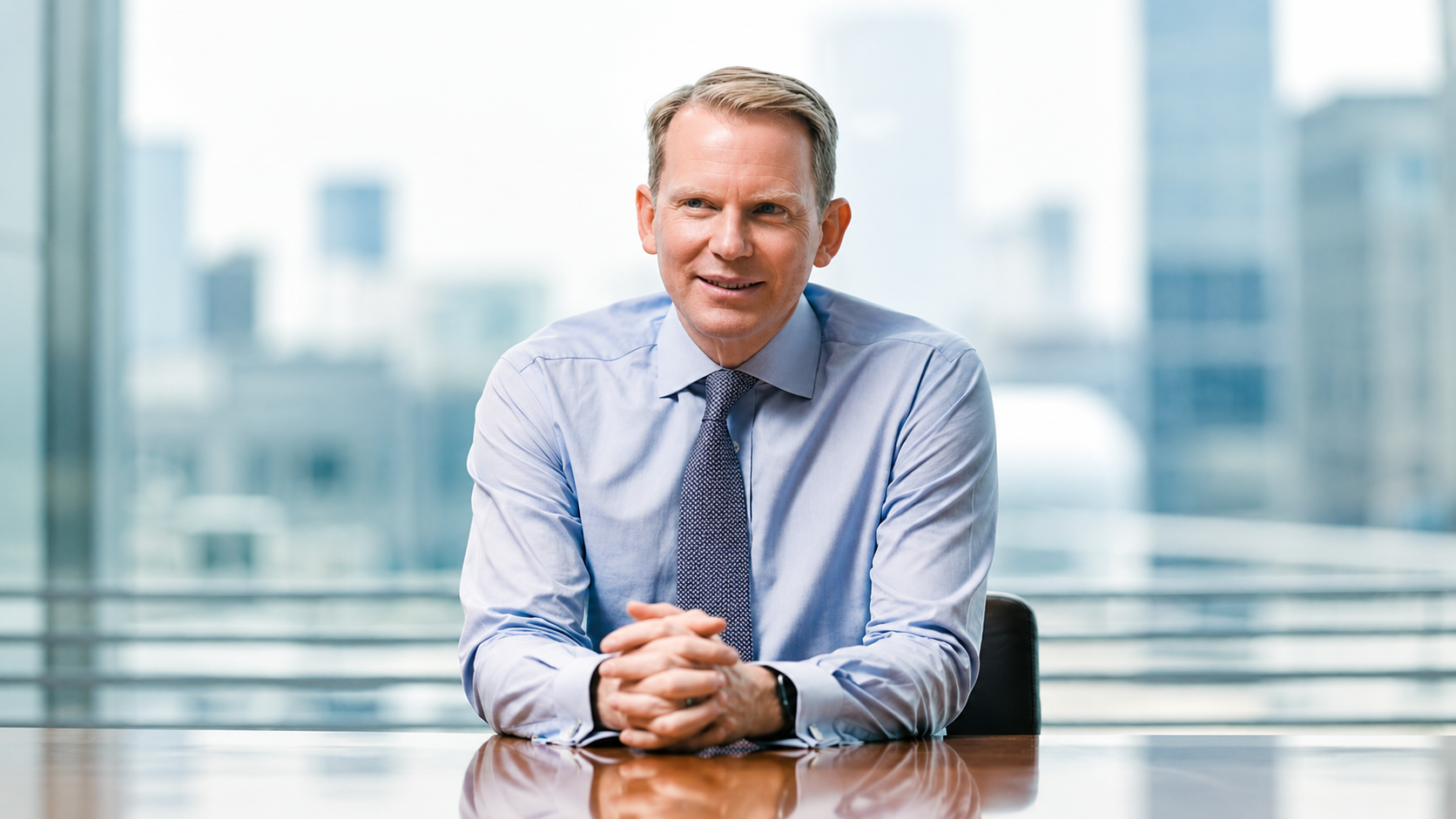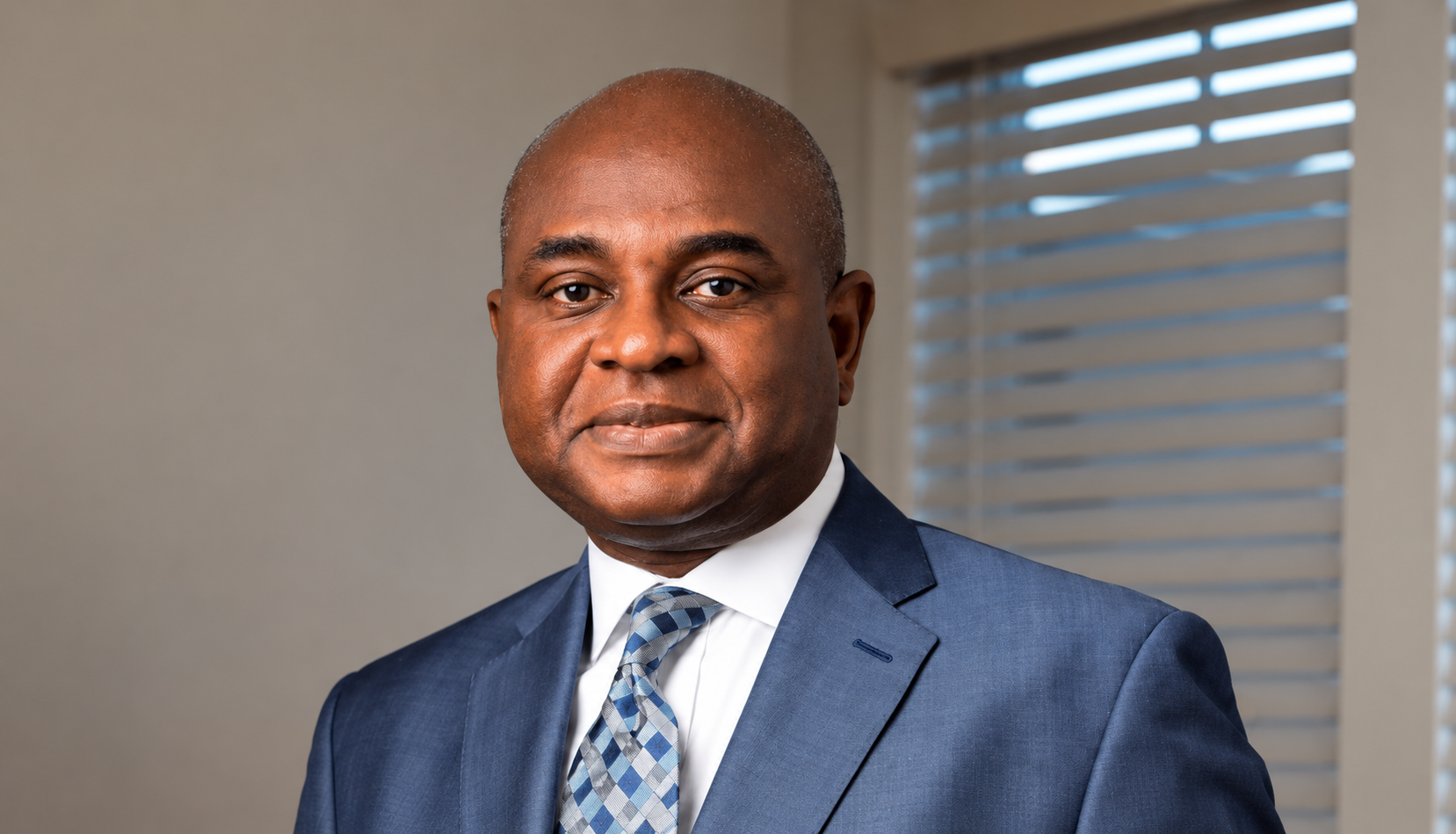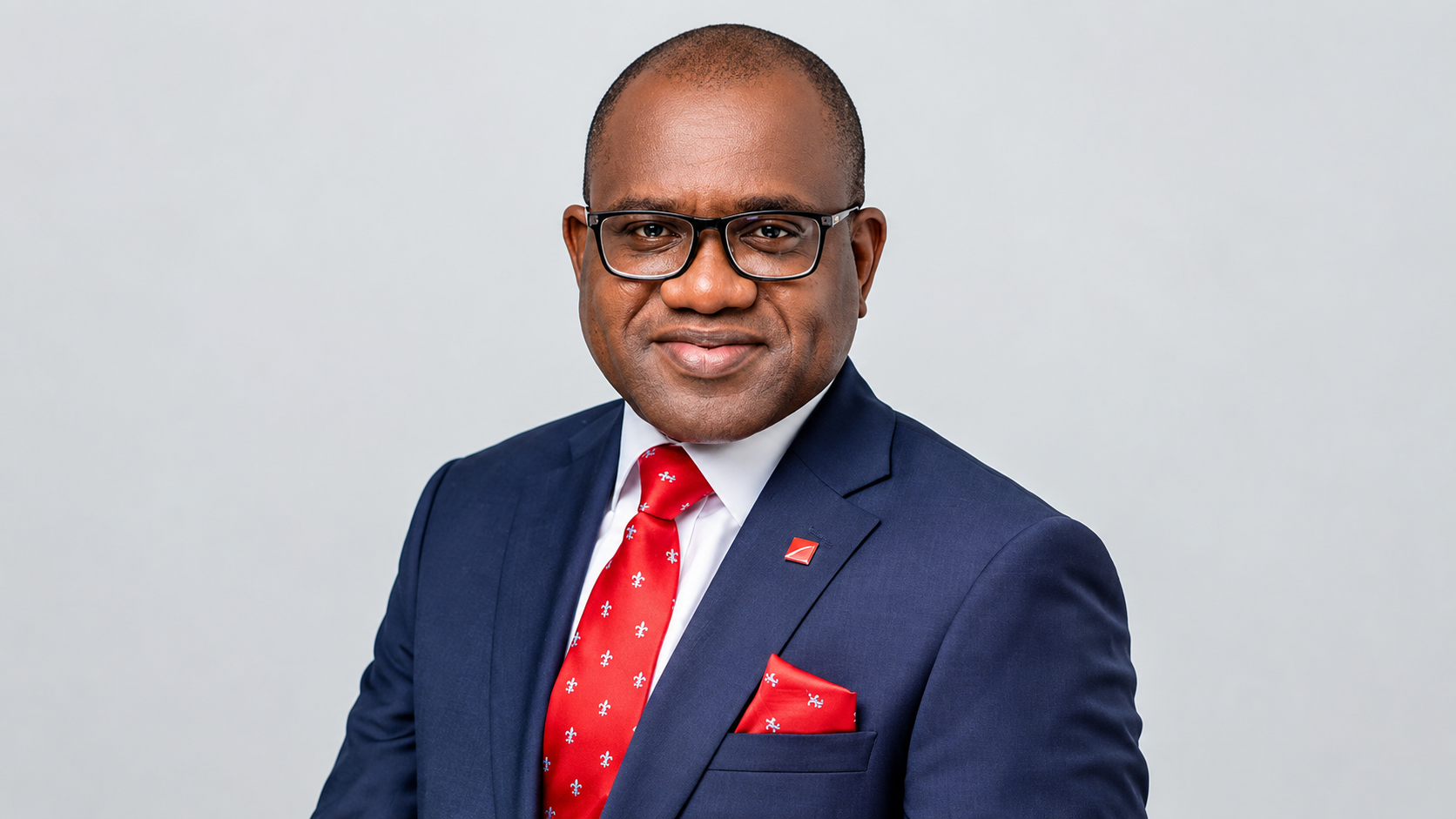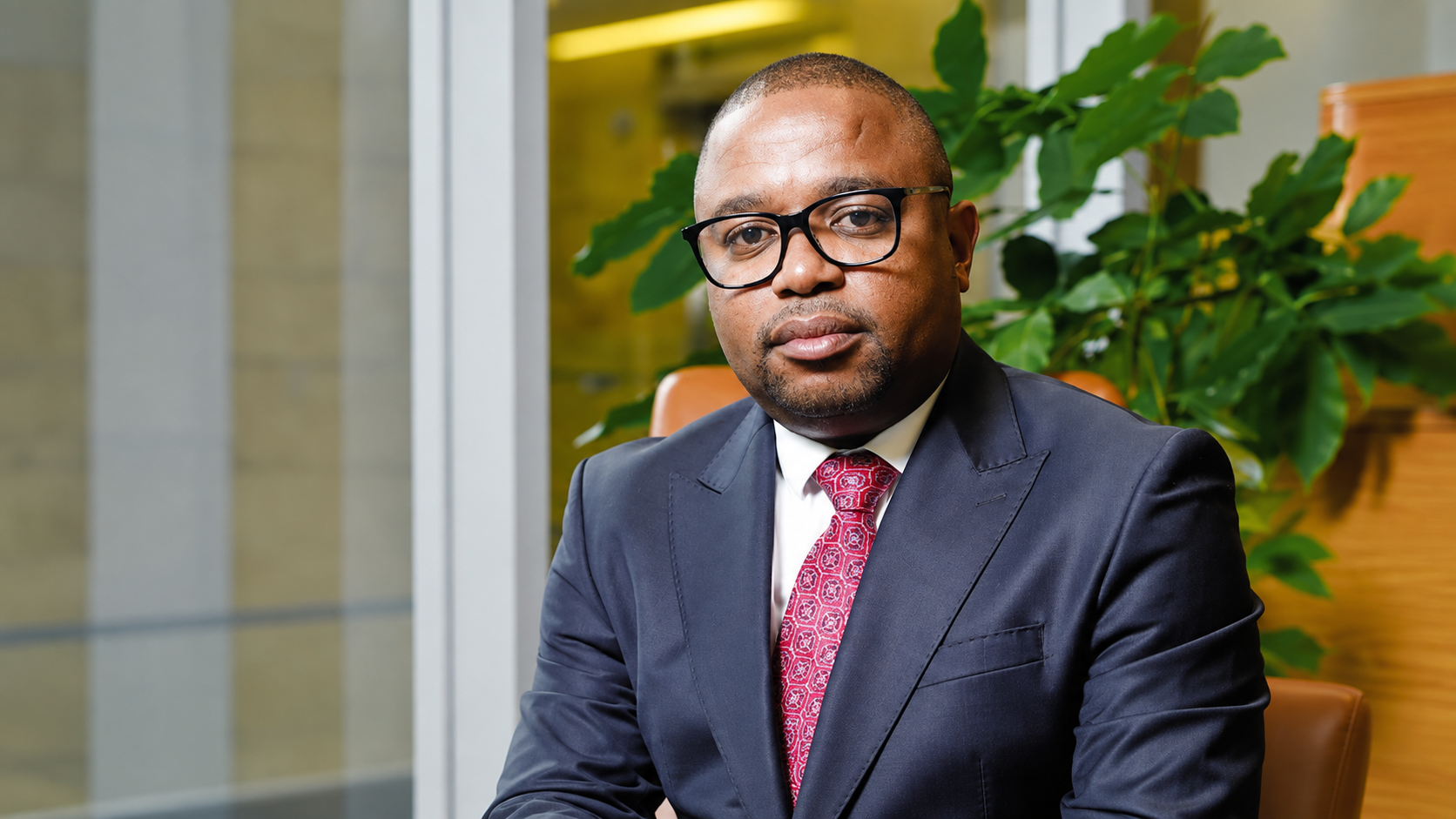
President and CEO of Nyanza Light Metals, Donovan Chimhandamba, is leading an ambitious effort to turn South Africa’s mineral wealth into high-value industrial products, with an $850 million titanium beneficiation project currently under construction in Richards Bay.
In an episode of Game Changer, Managing Director at Stanton Chase Johannesburg, Simpson Nondo sat down with Chimhandamba to explore the journey behind Nyanza Light Metals, the challenges of building a large-scale industrial enterprise in Africa and the leadership required to turn an idea into a commercially viable reality.
Nyanza was founded around a simple but ambitious proposition: Africa should not remain primarily an exporter of raw minerals when it has the resources and talent to process them locally and capture significantly greater value.
Chimhandamba explained that the company is focused on transforming titanium-bearing heavy mineral sands into higher-value products, including titanium dioxide pigment used extensively in paints, plastics, industrial coatings, cosmetics and other everyday products.
According to him, the raw material can be exported from Africa at roughly $300 per tonne, while the processed pigment can command about $3,000 per tonne, representing a potential tenfold increase in value through beneficiation.
The company’s titanium project in Richards Bay is currently under construction and follows years of project development, feasibility studies and capital raising. Nyanza is also developing a second project focused on lithium iron phosphate for battery materials, with the two projects designed to operate as part of an integrated industrial ecosystem.
YOU CAN ALSO READ: How Kunle Afolayan is Turning Stories, Challenges and Ideas Into Enterprise
Chimhandamba said the battery materials project is expected to move into construction around 2029 or 2030, approximately two years after the commencement of titanium production. The projects are linked because a by-product from the titanium production process can serve as feedstock for the battery materials operation.
For Chimhandamba, the significance of Nyanza extends beyond the commercial opportunity. He believes beneficiation is fundamentally about creating opportunities for people on the continent by developing industries, skills, supply chains and businesses around Africa’s natural resources.
He argued that Africa is not short of ideas, noting that many industrialisation concepts have existed for decades. The greater challenge, he said, is execution, requiring the convergence of capital, supportive policy and the institutional capability to deliver complex projects.
“Capital, the capital markets, policy and obviously execution” are among the critical factors required to move industrial projects from concept to reality, he explained.
Chimhandamba also stressed that investors and financial institutions increasingly want to understand the scalability of an industrial project, the market it is targeting and the organisation’s ability to build and operate the asset successfully.
For Nyanza, this has meant bringing in experienced international partners. The company partnered with East China Engineering Science and Technology, a leading Chinese engineering company that Chimhandamba said has built 41 state-of-the-art pigment plants, allowing Nyanza to effectively bring proven experience into its project.
The CEO also highlighted the importance of leadership evolution as an organisation moves from research and project development into construction and industrial operations.
He said founders must eventually move away from highly centralised decision-making and build systems capable of allowing an organisation to operate and make decisions without depending entirely on one individual.
As Nyanza moves into construction, Chimhandamba said its recruitment strategy is consequently changing, with greater emphasis on experienced professionals capable of delivering large-scale construction and industrial operations.
He described intellectual capital as the ability to match the right people with the actions required to achieve specific outcomes, while acknowledging that Africa often has qualified talent but lacks sufficient industrial opportunities through which people can develop the necessary experience.
The company has therefore deliberately sought to combine experienced professionals with new talent, supported by executive recruitment firm Stanton Chase.
Reflecting on his own journey, Chimhandamba said resilience has been one of the defining qualities of his life and leadership. He lost his parents at a young age and was raised with the support of an extended family and community.
YOU CAN ALSO READ: Donald Duke and the Case for Governance Over Politics
His early experiences, he said, taught him resilience, negotiation and the importance of education. With a natural aptitude for mathematics, physics and chemistry, he eventually pursued a career that would lead him into the development of Nyanza.
For young engineers and entrepreneurs seeking to build ambitious businesses, Chimhandamba advised gaining experience within established organisations before attempting to build something of their own.
“You must cut your teeth somewhere,” he said, emphasising the importance of understanding how systems and processes work before attempting to transform them.
Ultimately, Chimhandamba sees Nyanza as more than an $850 million industrial project. Its success, he believes, could provide a blueprint for other African entrepreneurs, investors, policymakers and industrial players to pursue similar ventures.
He said successful execution could strengthen confidence in Africa’s ability to industrialise, while creating opportunities for local communities, small and medium-sized enterprises and emerging supply chains.
For Chimhandamba, the real measure of success is therefore not simply the performance of Nyanza as a company, but the broader impact it can have on South Africa’s industrial confidence and Africa’s ability to convert its natural resources into sustainable economic value.
As Game Changer concluded, Chimhandamba is not simply building a company. He is attempting to demonstrate that South Africa’s next generation of industrial champions can be conceived, engineered and built on the continent.