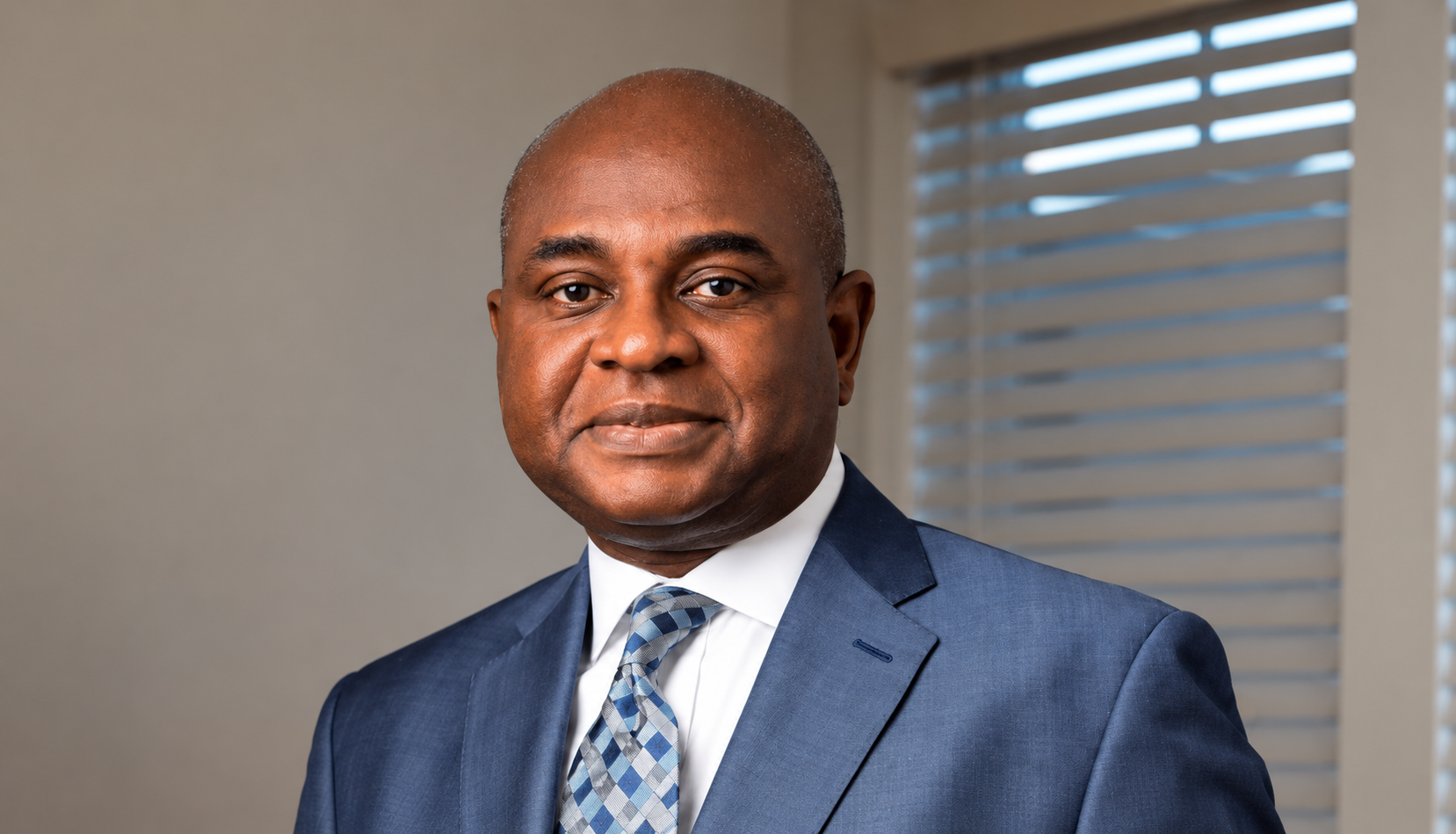
Kingsley Moghalu,
Africa is approaching one of the most consequential economic transitions in its history. By 2050, the continent will have a dramatically larger working-age population. The question is not only how we will feed this population, but how we will create productive livelihoods for it. Agriculture must be central to that conversation.
Yesterday in Nairobi, I had the privilege of delivering the keynote address at the 20th anniversary of the Alliance for a Green Revolution in Africa (AGRA), where I outlined a strategic agenda for transforming African agriculture around productivity, value creation and human capital.
Africa can turn agriculture from a low-productivity employer of last resort into a powerful engine of growth. But this will not happen by simply cultivating more land. We must produce more from the land we already have.
For too long, agricultural progress has been measured by hectares cultivated. We should instead prioritise yield per hectare, nutrient-use efficiency and output per worker. Higher-yield seeds, improved farming practices, irrigation, mechanisation and technology can enable greater production while reducing pressure to expand cultivated land. Any land expansion should also meet environmental and land-rights standards.
YOU CAN ALSO READ: Why Nigeria Must Move Beyond Welfare to Defeat Poverty, Says Kpakol
But higher yields are only the beginning. Africa must capture more of the value created by its agricultural production. Too much is lost after harvest, exported in raw form or processed elsewhere. Processing should be located closer to production, while storage, cold chains and rural roads should be treated as core agricultural infrastructure. Development finance should crowd in private investment, particularly across the value chain.
We should measure progress by how much production is processed domestically, how much is lost after harvest and how much of the final retail value reaches farmers.
Agriculture also cannot be treated as the responsibility of one ministry. Food systems are connected to land, trade, infrastructure, finance, energy, industry and technology. Governments need coordinated food-systems policies and stronger analytical capacity to determine which interventions deliver the greatest economic and employment returns.
Insecure land tenure, unpredictable trade restrictions and delayed payments by public buyers continue to discourage investment. Land administration reform, including digitised titles, is therefore agricultural policy.
Perhaps most importantly, Africa must rethink the relationship between agriculture and its young population.
The continent’s working-age population is projected to rise from fewer than 900 million in the mid-2020s to about 1.6 billion by 2050. That can become a demographic dividend only if people are productive and equipped with the right skills.
Our goal should not be to keep young Africans on low-productivity farms. We should make the entire food system a skilled career ecosystem—with opportunities in seed development, mechanisation, irrigation, agritech, processing, logistics, veterinary services, digital advisory, finance and quality control.
The agriculture of the future should attract engineers, entrepreneurs, scientists, data specialists and financiers, not simply absorb people who have nowhere else to go.
YOU CAN ALSO READ: Connecting Africa to Opportunity: Sunil Taldar’s Vision for Airtel Africa
Africa has the land, entrepreneurial energy and demographic scale to build globally competitive food systems. What is required now is the productivity, investment, infrastructure, policy capacity and human capital to unlock that potential. The next agricultural revolution must be about more than yields. It must be about value, jobs, skills and prosperity.
I congratulate Alice Ruhweza and the entire AGRA team on two decades of important work. There is much more to do. Africa must not simply harvest more. We must build an agricultural economy capable of employing, empowering and enriching the century ahead.
Dr. Kingsley Moghalu is a distinguished Nigerian economist, lawyer, professor and former Deputy Governor of the Central Bank of Nigeria, with expertise in economic development, finance, governance, regulation and geopolitical risk.