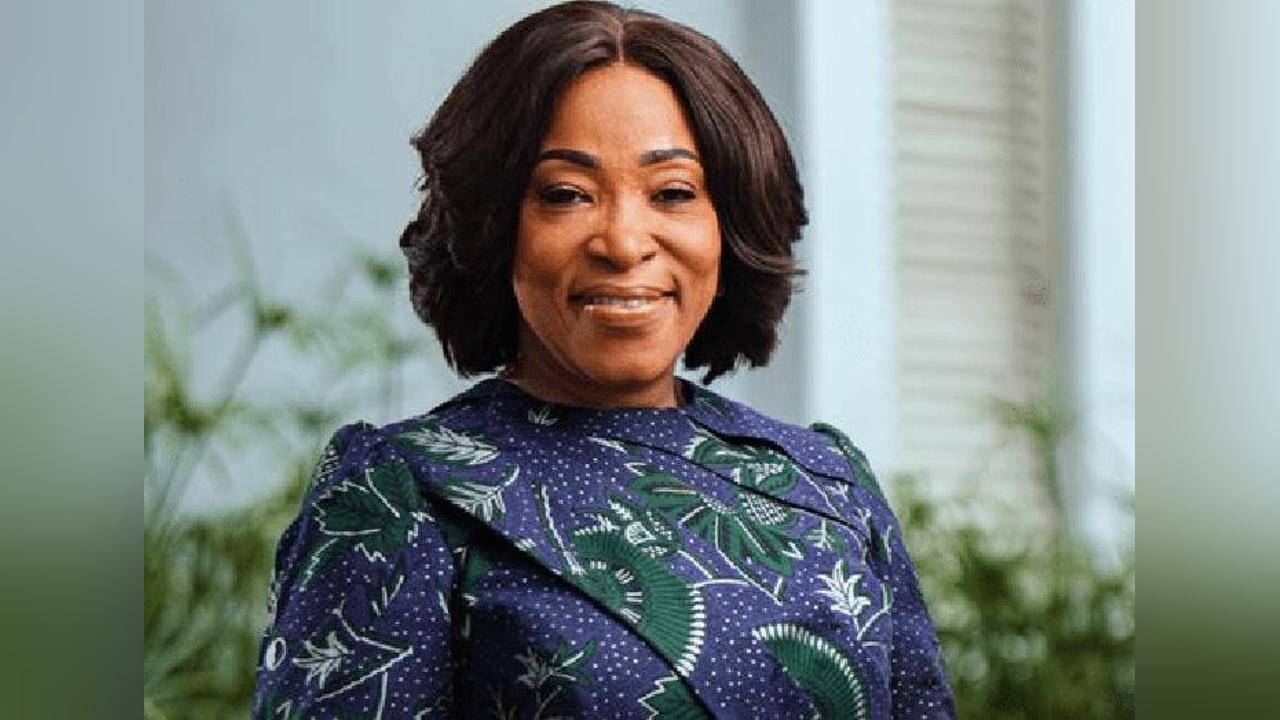
In a world where global alliances are being tested and economic certainties are increasingly fragile, Shirley Ayorkor Botchwey stepped onto the stage in London with a message that was both urgent and quietly resolute. At the Commonwealth Trade and Investment Summit, her presence carried more than diplomatic weight; it carried a vision for renewal.
As Secretary-General of the Commonwealth of Nations, Botchwey embodies a new chapter for an institution often defined by its history. In her address, she made it clear that sentiment alone cannot sustain relevance and that what is required now is deliberate, strategic, and inclusive action.
Her voice, measured yet firm, cut through the optimism that often characterizes global summits. The world, she noted, is no longer operating within familiar boundaries. Trade systems are under strain, global rules are being contested, and trust, the invisible currency of cooperation, is eroding. Supply chains are shifting, geopolitical tensions are rising, and growth remains frustratingly out of reach for many nations.
Where others might see disorder, Botchwey sees opportunity if approached with clarity and courage. At the heart of her message is what she calls the Commonwealth Advantage, a tangible economic proposition in which trade between member countries is, on average, 21 percent cheaper, supported by a vast, interconnected market of 2.7 billion people who are young, dynamic, and increasingly influential.
Her focus is on conversion, turning advantage into resilience, resilience into opportunity, and opportunity into measurable outcomes for citizens across all 56 member states. Growth, she argues, must be inclusive, systems must be aligned, and barriers, especially non-tariff restrictions, must be dismantled. Governments, in her view, cannot achieve this alone.
In Botchwey’s approach, the private sector is central to transformation. Investors, entrepreneurs, and businesses are positioned as the engines that translate policy into prosperity. From infrastructure financing to digital trade expansion, from agricultural innovation to energy transition, enterprise becomes the bridge between vision and reality.
This is diplomacy not as ceremony but as architecture, designing frameworks where capital meets opportunity, where regulation enables progress, and where cooperation becomes practical and measurable. The most compelling dimension of her address lies in her reframing of the Commonwealth’s greatest asset as its people, a collective force that transcends shared language, laws, or history.
Nowhere is this human advantage more vivid than in Africa. With over a quarter of the world’s population and projections showing that one in four people globally will be African by 2050, the continent is central to the future of global growth. Within that narrative, cities like Lagos stand as powerful examples of what is possible when energy, ambition, and investment converge.
Her recognition of Africa is strategic, not symbolic. For the Commonwealth to remain relevant, it must position itself where growth is accelerating and where the future is being actively shaped. There is a consistent call for reinvention in her message, urging the Commonwealth to evolve from a historical alliance into a modern engine of trade and investment that moves beyond dialogue into delivery and beyond connection into coordination.
Her leadership reflects this shift, prioritizing structured outcomes over grand declarations. Under her guidance, the Commonwealth Secretariat has begun implementing a strategic plan centered on resilient economies, systems capable not only of withstanding shocks but of shaping their own trajectories.
Even as she outlines policy priorities and economic frameworks, there is a deeper human dimension to her message, a belief in collective agency. In a fragmented world, cooperation remains possible. In uncertainty, trust can still be built. Amid shifting global dynamics, shared prosperity is not an illusion but a deliberate choice.
As the summit continues with its negotiations and partnerships, her words resonate as a call to action rather than mere rhetoric. The question is no longer whether the Commonwealth has potential but whether it will act boldly enough to realize it. Under Shirley Ayorkor Botchwey, that answer is beginning to take shape.