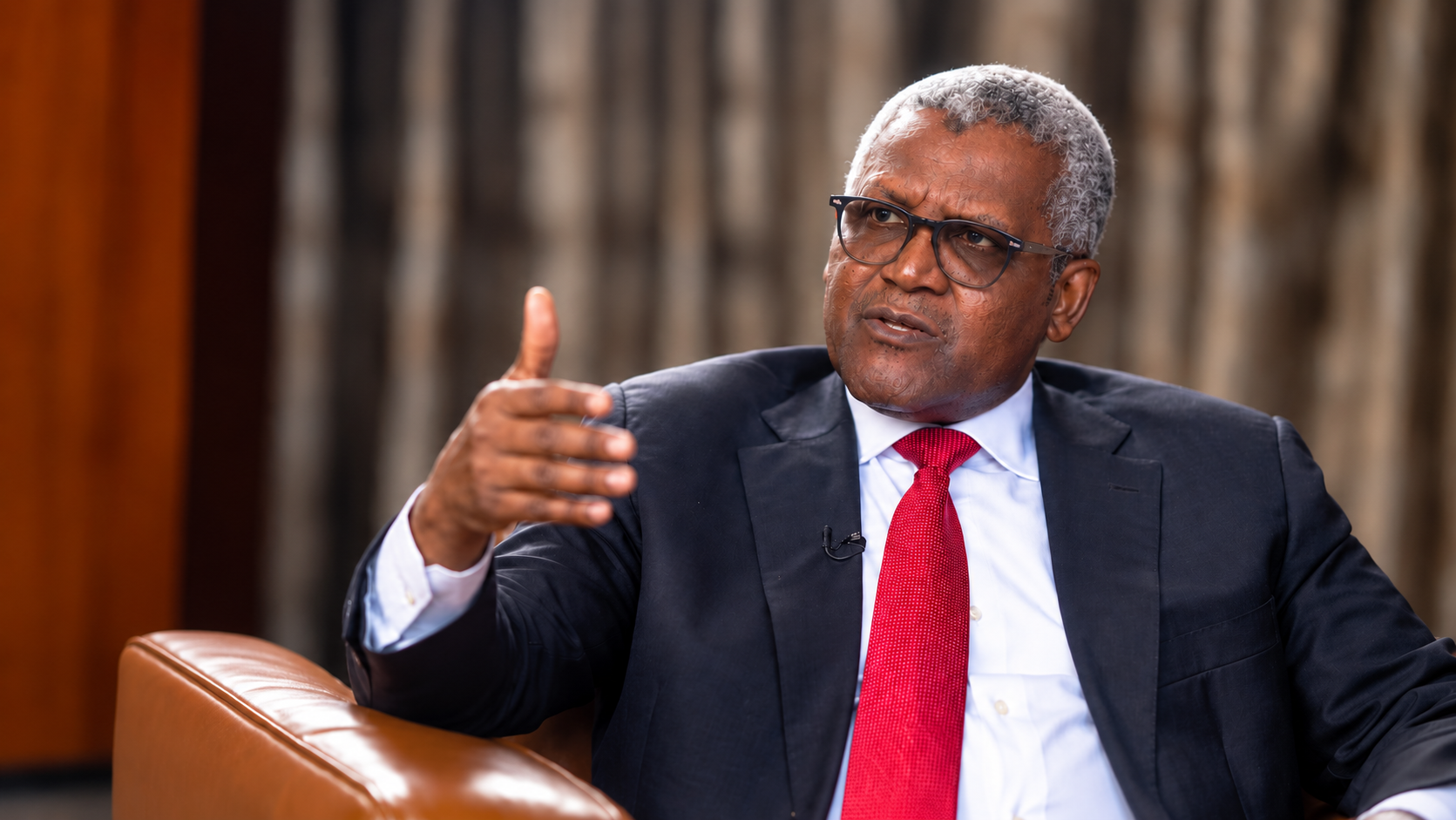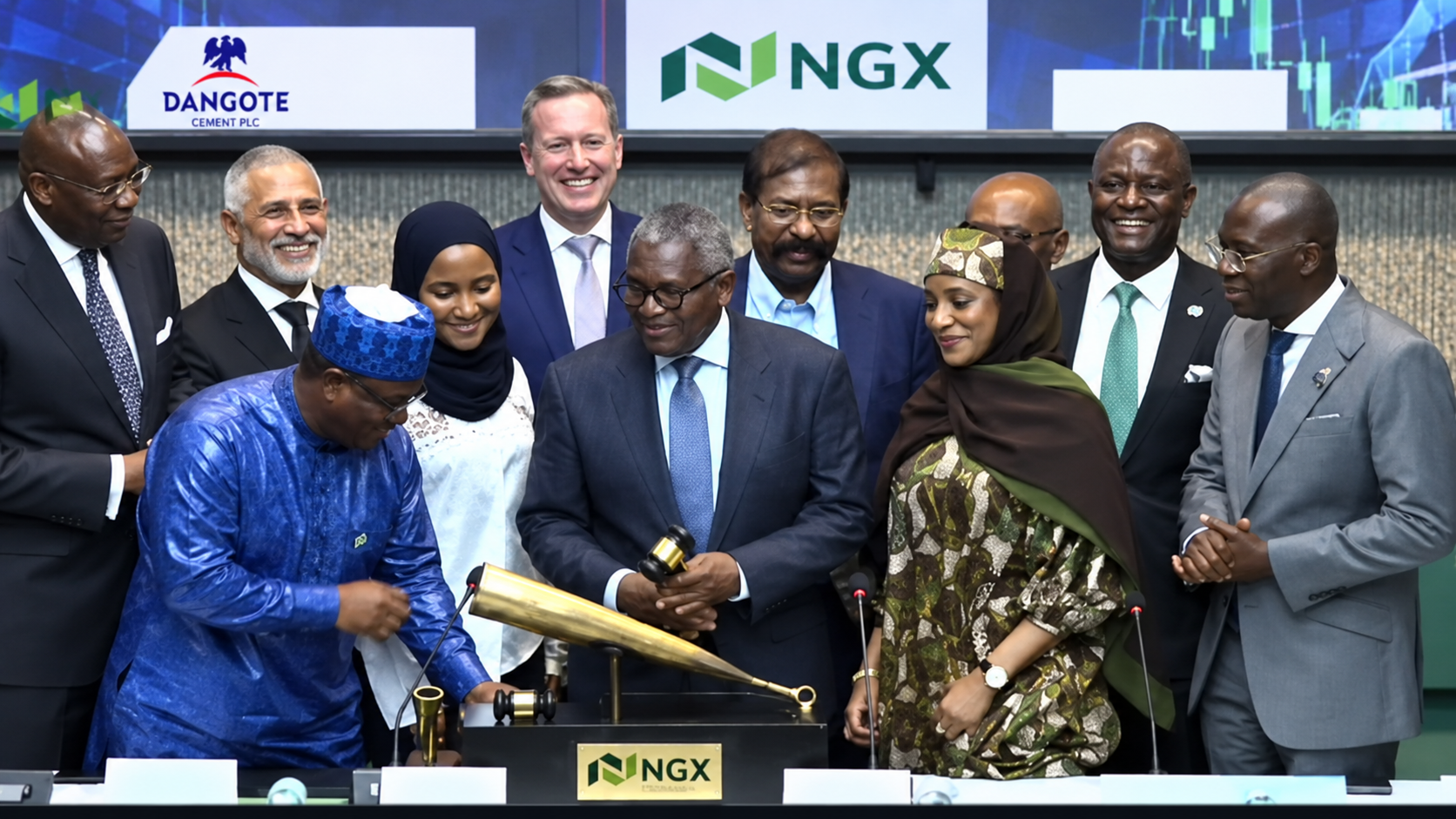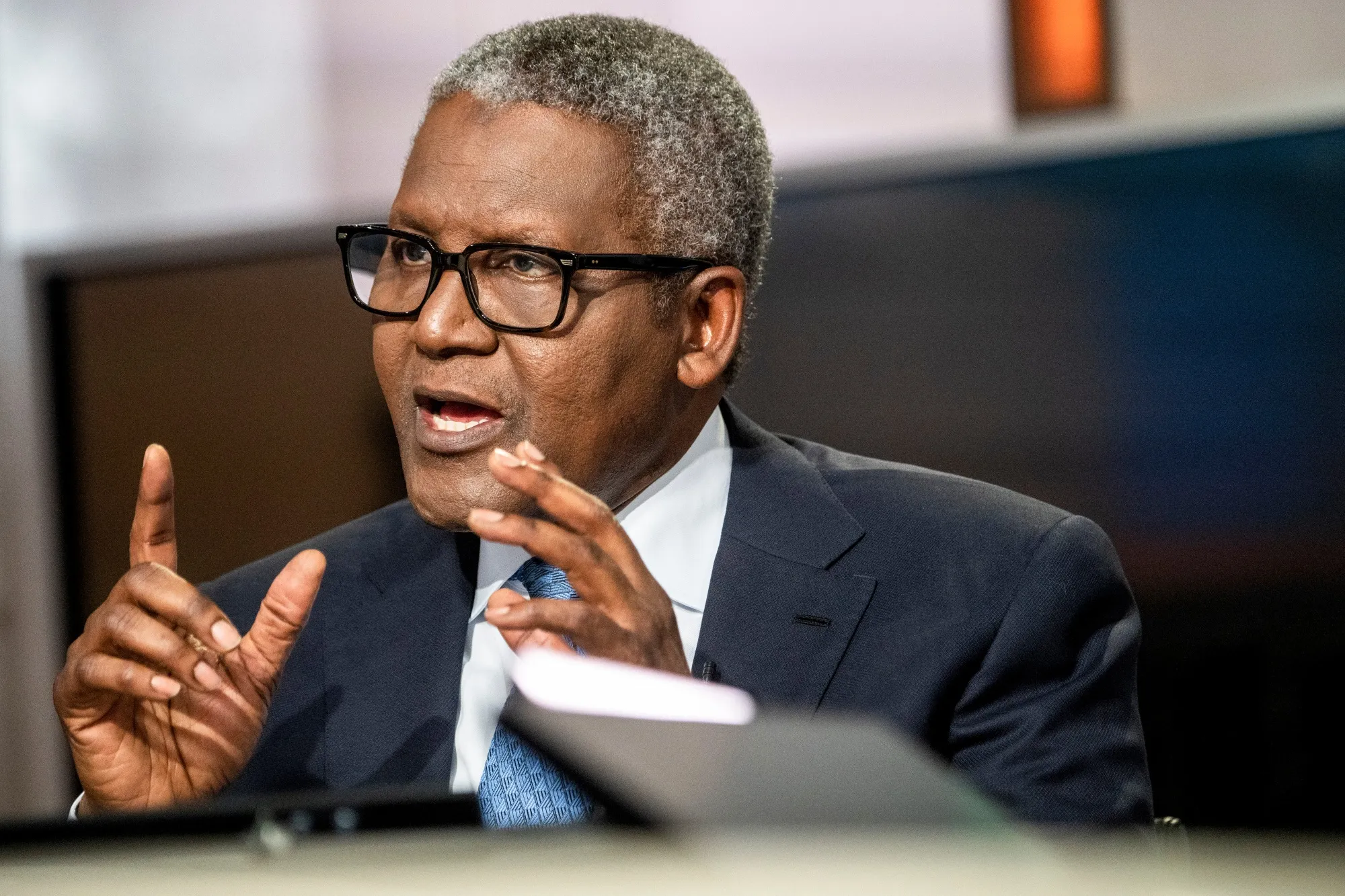
At the Semafor World Economy Summit 2026, one of the most anticipated speakers was Aliko Dangote, Africa’s richest man, whose ambitions extend far beyond boardrooms and balance sheets. His session unfolded as more than a business conversation, offering a deeply personal and strategic reflection on Africa’s role in an increasingly dynamic and shifting global economy.
Dangote did not arrive with abstract theories. He came with the weight of experience, most notably the audacious, nearly decade long journey of building Africa’s largest refinery. What many once dismissed as improbable has now become a defining industrial landmark, a project that demanded not just capital, but conviction. From regulatory setbacks to engineering skepticism, from land disputes to environmental challenges, the refinery’s story is one of persistence against systemic odds. He made it clear through his narrative that this was not just about infrastructure, but about building capacity where none existed.
Yet, even as that vision materialized, the world around it grew more unstable. The ongoing global energy crisis, triggered by geopolitical tensions and supply chain disruptions, has exposed the fragility of systems many African economies depend on. Dangote’s vantage point, straddling both local realities and global markets, offers a sobering perspective. Africa is often the hardest hit, not because it lacks resources, but because it lacks control.
Fuel prices fluctuate with distant conflicts. Fertiliser costs have surged dramatically, placing immense pressure on farmers and governments alike. Airlines, already operating on thin margins, face existential threats as aviation fuel prices climb. In Dangote’s estimation, entire sectors risk collapse if volatility persists. The crisis, he suggests, is not just economic, it is structural.
Perhaps the most provocative part of his address was his reframing of Africa’s long standing relationship with global powers. On China, Dangote offered a pragmatic assessment. While Western narratives often question Chinese intentions on the continent, he pointed instead to execution, speed, scale, and delivery. Infrastructure arrives. Financing materializes. Projects get done. The real issue, he noted, lies not in China’s presence, but in Africa’s negotiation capacity, particularly at the government level.
In contrast, Western engagement, especially from the United States, has often been slower, more cautious, and at times less tangible. Dangote’s message to global investors was clear. Africa is open, but not as a passive recipient. The future lies in partnership, not dependency.
His most powerful message was reserved for Africans themselves. For decades, the dominant narrative has framed development as something that must come from outside. Foreign direct investment has been treated as a prerequisite for growth. Dangote challenges that premise entirely. In his words, waiting is not a strategy, it is a limitation.
Africa’s transformation, he argues, must be internally driven. Capital must be committed by Africans. Risks must be taken by Africans. Leadership must emerge from within. Only then will the rest of the world follow, not out of charity, but out of confidence.
It is a philosophy he has lived. By investing heavily in sectors many avoided, refining, fertiliser, infrastructure, Dangote has effectively de risked parts of the African economy for others. His call now is for more Africans to step forward, not just as participants, but as pioneers.
Underlying his message is a broader truth. Economic sovereignty is not granted, it is built.
As the session drew to a close, Dangote’s stance remained unmistakably clear. Africa does not lack potential. It lacks ownership of that potential. And until that changes, the continent will continue to react to global forces rather than shape them.
In a world searching for stability, his message cuts through with urgency and clarity. The future of Africa will not be imported. It will be built by Africans.