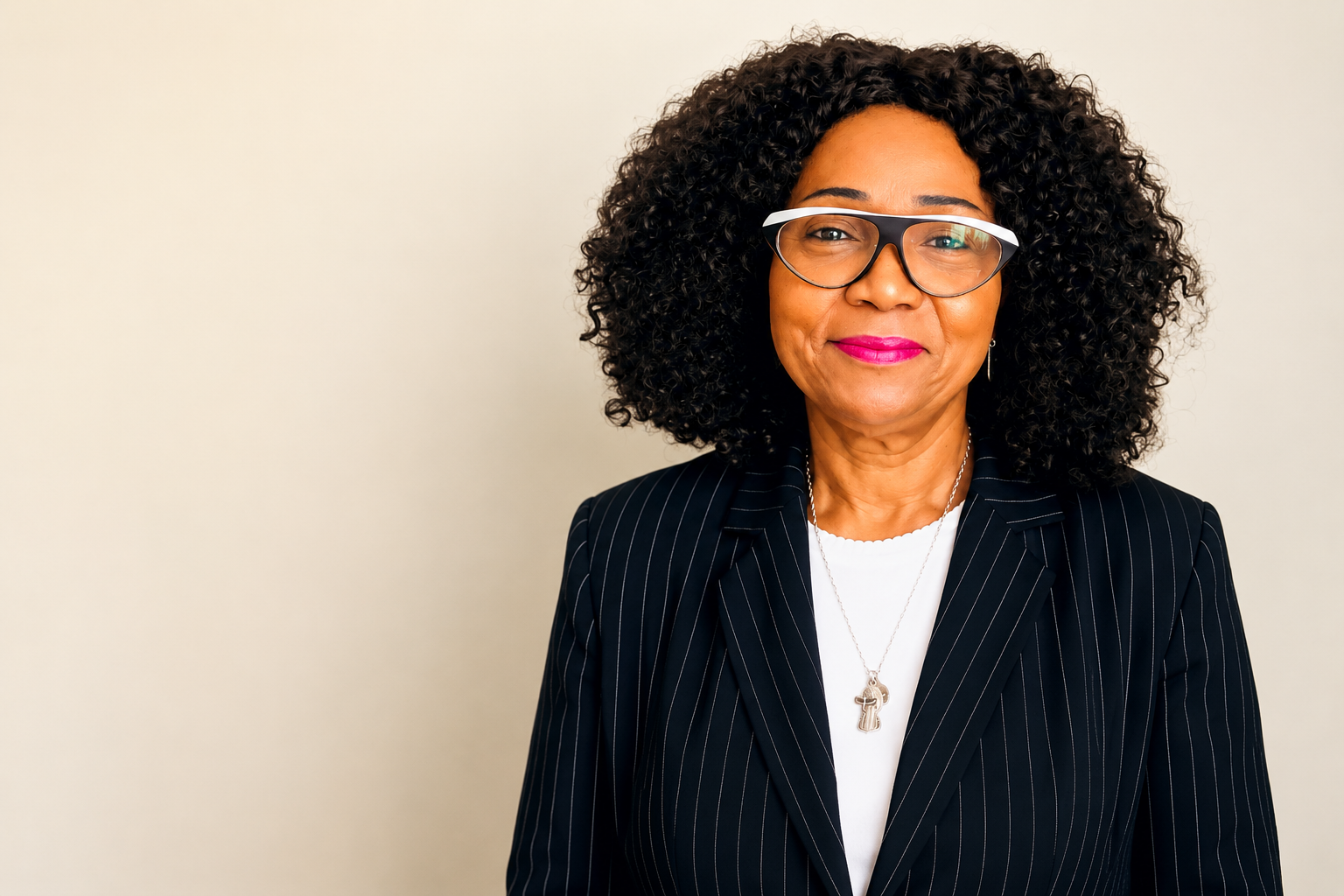
In the evolving story of Nigerians shaping public life across the United Kingdom, few journeys capture the spirit of service, resilience, and community commitment quite like that of Roseline Uguru. Her emergence as the new Mayor of Islington is more than a ceremonial transition within local government. It reflects the growing imprint of the Nigerian diaspora on British civic leadership and the quiet but powerful rise of individuals whose influence has been built not through spectacle, but through years of consistent service.
For Roseline, leadership has never been distant from the people. It has always lived in the community halls, volunteer centres, advocacy groups, and neighbourhood conversations that shape everyday life. Long before her inauguration as mayor, she had already established herself as a familiar and trusted presence within Islington’s civic landscape.
Living just a stone’s throw away from St Luke’s Community Centre since 2001, Roseline became a regular user of the centre from 2003, developing a close connection with one of the borough’s most important community institutions. Years later, returning to the Centre as a trustee carried a deeper meaning. It represented continuity, loyalty, and a determination to sustain the kind of grassroots impact that transforms lives quietly but profoundly.
YOU CAN ALSO READ: Kunle Soname and the Art of Building Institutions in Nigeria
Her professional background in broadcasting gave her a voice, but it was her commitment to people that defined her public identity. Through years of volunteering, Roseline worked with the elderly, supported people living with learning disabilities, mentored young adults, and served as a community ambassador for the London Symphony Orchestra. Those experiences placed her at the intersection of culture, advocacy, and human connection, helping her develop the empathy and understanding that now shape her leadership style.
Her academic journey equally reflects determination and discipline. Armed with a diploma in English Law and a Bachelor of Laws Honours degree, Roseline combined intellectual development with community engagement, building a foundation that would later strengthen her role in public office.
Her rise to the mayoralty comes at a symbolic moment for Nigerians in Britain. Just a year after Jason Jackson became Islington’s first Nigerian-born mayor, Roseline’s inauguration further reinforces the increasing visibility and influence of Nigerians within British political and civic institutions. Together, these milestones point to a broader narrative of diaspora excellence, integration, and contribution.
Yet, Roseline’s story is not one centred on titles alone. It is deeply rooted in human interaction and the everyday realities of the communities she represents. Reflecting on her appointment, she described the role not merely as a political responsibility, but as an opportunity to engage more deeply with the people of Islington.
“It means the world to me,” she said. “I don’t only have to know my ward, which is St Peter’s and Canalside, but I get to go all over East Islington and meet the diverse community that we have, young, old, different colours of people, different shades of people from all walks of life.”
Those words reveal a leadership philosophy grounded in inclusion and visibility. For Roseline, public office is not about distance from the people, but immersion within their realities.
Her commitment to advocacy did not begin in Britain. Even while in Nigeria, she was involved in voluntary work through the Soroptimist movement, an international organisation focused on empowering women and promoting professional advancement. She recalls joining at a time when women still faced enormous barriers in media and public life.
“There was a time women couldn’t even read the news,” she reflected, recalling the cultural limitations many women faced during the early stages of her career. Her participation in efforts that challenged those restrictions positioned her among a generation of women who helped open new pathways for female representation and leadership.
Before becoming a councillor, Roseline worked extensively with voluntary organisations, including the Islington Citizens Advice Bureau, where she continues to serve part-time as an adviser. That role, perhaps more than any political title, reflects her enduring connection to ordinary people navigating complex social and economic realities.
YOU CAN ALSO READ: Surayyah Ahmad Joins NESG Board in Strategic Leadership Expansion
Since first being elected councillor for St Peter’s and Canalside Ward in May 2022, she has served on the Homes and Community Scrutiny Committee, the Licensing Committee, and later as Deputy Mayor before ascending to the office of Mayor.
Her emergence has also drawn praise from Abike Dabiri-Erewa, who described the achievement as a proud moment for Nigeria and a reflection of excellence, dedication, and impactful community service. According to the Nigerians in Diaspora Commission, Roseline’s journey exemplifies the positive contributions Nigerians continue to make globally through leadership, advocacy, and civic engagement.
At a time when local councils across Britain face increasing economic and social pressures, Roseline Uguru steps into office carrying not only the expectations of a borough, but also the hopes of a wider diaspora community that sees in her journey a powerful reflection of possibility.
Her story is ultimately one of proximity, proximity to people, to service, to struggle, and to community. From community centres to council chambers, from broadcasting studios to mayoral office, Roseline Uguru’s path reflects a leadership model rooted not in political performance, but in human connection.
And in an era where communities increasingly seek authenticity in public life, that may prove to be her greatest strength.