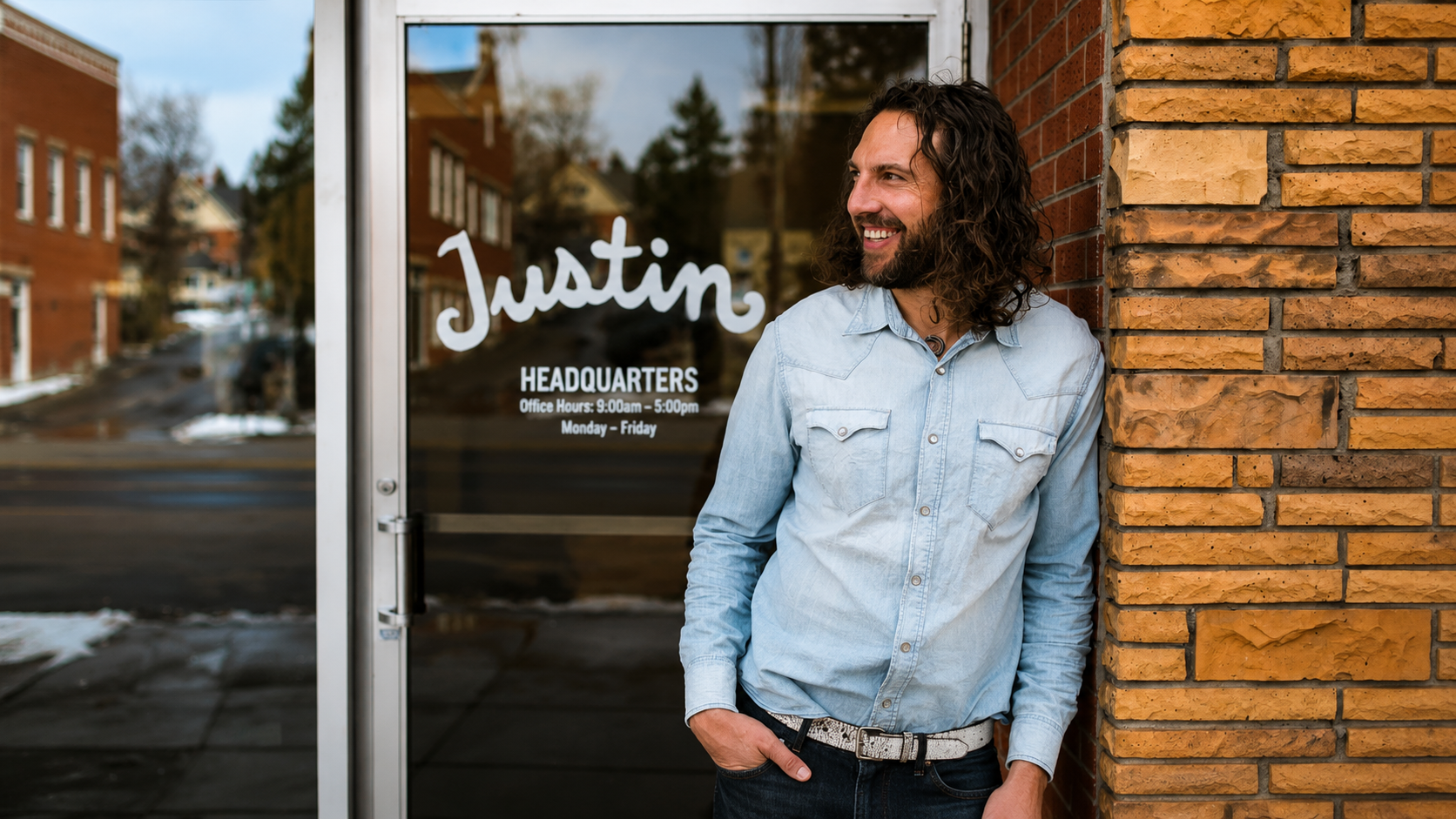
When Justin Gold began grinding nuts in his small kitchen in Boulder, Colorado, he wasn’t trying to build a food empire. He was simply looking for a better source of protein. At the time, grocery store shelves offered little excitement in the nut butter aisle. Consumers could choose between smooth or crunchy peanut butter, while almond butter was a niche product that few people enjoyed.
For Gold, an avid mountain biker and vegetarian, the options felt uninspiring. What followed was a journey that transformed a homemade food experiment into one of America’s most recognizable organic snack brands and culminated in a $281 million acquisition.
In 2004, Gold was living in Boulder, a city known for its active lifestyle and thriving natural foods community. Constantly searching for nutritious plant-based protein, he found himself dissatisfied with the nut butter products available in stores. Curiosity led him to his kitchen. Using a food processor, he began grinding peanuts and almonds, experimenting with combinations that were far removed from traditional spreads. Cinnamon, bananas, honey, cayenne pepper, and even Sriracha found their way into his creations.
YOU CAN ALSO READ: Beyond the Bank: Segun Agbaje’s Ambitious Bet on the Future of Finance
The jars quickly became popular among his roommates, who routinely helped themselves to his latest inventions. To protect his stash, Gold started labeling each jar with a simple handwritten word: “Justin’s.” What began as a practical way to claim ownership would eventually become the name of a multimillion-dollar brand.
Unlike many founders, Gold had no formal business training. He wasn’t armed with an MBA or backed by investors. What he did have was a willingness to learn. Fortunately, Boulder offered the perfect environment for an aspiring entrepreneur. The city was already home to several successful natural food companies, creating a culture where innovation, mentorship, and collaboration flourished. Gold immersed himself in the local food community, seeking advice wherever he could find it.
He learned from experienced entrepreneurs, attended farmers’ markets, and absorbed lessons from the growing ecosystem around him. The local farmers’ market became his first real testing laboratory. Every weekend, customers sampled his unique nut butters and offered immediate feedback. Some flavors resonated, others didn’t. Pricing, packaging, and consumer preferences became lessons learned in real time. For Gold, the market provided something more valuable than sales; it provided validation.
Encouraged by customer enthusiasm, Gold gradually secured shelf space in local grocery stores, including Whole Foods. Yet despite the growing visibility, success remained elusive. He personally manufactured the products, delivered them to stores, and spent hours conducting in-store demonstrations. He handed out samples, built relationships with store employees, and introduced customers to his products one conversation at a time. The grassroots approach helped build a loyal following, but revenue remained modest. Production costs were high, margins were thin, and the business was not generating enough income to sustain him. To pay the bills, Gold continued working retail jobs and waiting tables. His products were available in Whole Foods, but profitability remained out of reach.
Then came the breakthrough that would alter the company’s trajectory. In 2006, while out on a mountain bike ride, Gold was eating an energy gel commonly used by endurance athletes. As he squeezed the packet, a question struck him: Why couldn’t nut butter be packaged the same way? The idea was simple but revolutionary. Instead of limiting nut butter to jars consumed at home, Gold envisioned portable squeeze packs that could provide convenient, plant-based protein for athletes, travelers, and busy consumers. The concept represented an entirely new way to experience nut butter. Recognizing the opportunity, Gold borrowed $75,000 from the parents of one of his roommates and purchased a machine capable of producing squeeze packs. The gamble would change everything.
When Justin’s introduced the first commercial nut butter squeeze packs, the company immediately stood apart from competitors. The innovation solved a practical problem for consumers while creating a completely new segment within the nut butter industry. Retailers noticed. Orders began arriving from Whole Foods, Wegmans, and eventually national chains such as Target. The squeeze packs appealed to health-conscious shoppers looking for convenient, portable nutrition. More importantly, they gave Justin’s a clear identity. The company was no longer just another nut butter brand; it had become an innovator.
With growing distribution came rapid expansion. In 2011, Justin’s broadened its portfolio by introducing chocolate nut butter cups, combining indulgence with the brand’s focus on high-quality ingredients. The new products further strengthened the company’s appeal and helped it reach a wider audience. Sales surged. By 2015, the business that began in a Boulder kitchen was generating more than $50 million in annual revenue. What started as a personal search for better nutrition had evolved into one of the fastest-growing brands in the natural foods sector.
As Justin’s continued to grow, major food companies began paying attention. One of them was Hormel Foods. Initially, Gold declined acquisition discussions because he believed the company still had room to grow and wasn’t ready to change hands. But when Hormel returned with renewed interest, conversations became more serious. Gold had one non-negotiable condition: the company had to remain in Boulder and employees had to keep their jobs. For him, Justin’s success was not solely about products or profits; it was about the people and community that helped build the brand. Hormel embraced that vision. In 2016, the food giant acquired Justin’s for $281 million. The deal represented more than a lucrative exit. It was validation that a company built on innovation, authenticity, and community had become valuable enough for an industry giant to pursue.
YOU CAN ALSO READ: Securing the Future of Finance: Musa Jimoh Outlines CBN’s Payment System Vision 2028
Gold eventually departed Justin’s in 2021, but he remains remarkably humble about his achievement. While many celebrate his entrepreneurial instincts and relentless work ethic, Gold often points to another factor: timing. He entered a category that had seen little innovation for decades. Consumer demand for healthier foods was accelerating, and Boulder provided an ecosystem uniquely suited to nurturing natural food startups. Still, luck alone does not explain the outcome.
For years, Gold manufactured products by hand, delivered them himself, worked side jobs, and spent countless hours building relationships with customers and retailers. The breakthrough squeeze pack may have emerged during a mountain bike ride, but it was years of persistence that positioned him to capitalize on the idea. His story serves as a reminder that transformative businesses are often born from simple observations, relentless execution, and the courage to challenge products that everyone else assumes cannot be improved. Justin Gold didn’t just sell peanut butter; he reimagined how people consume it and built a $281 million business in the process.