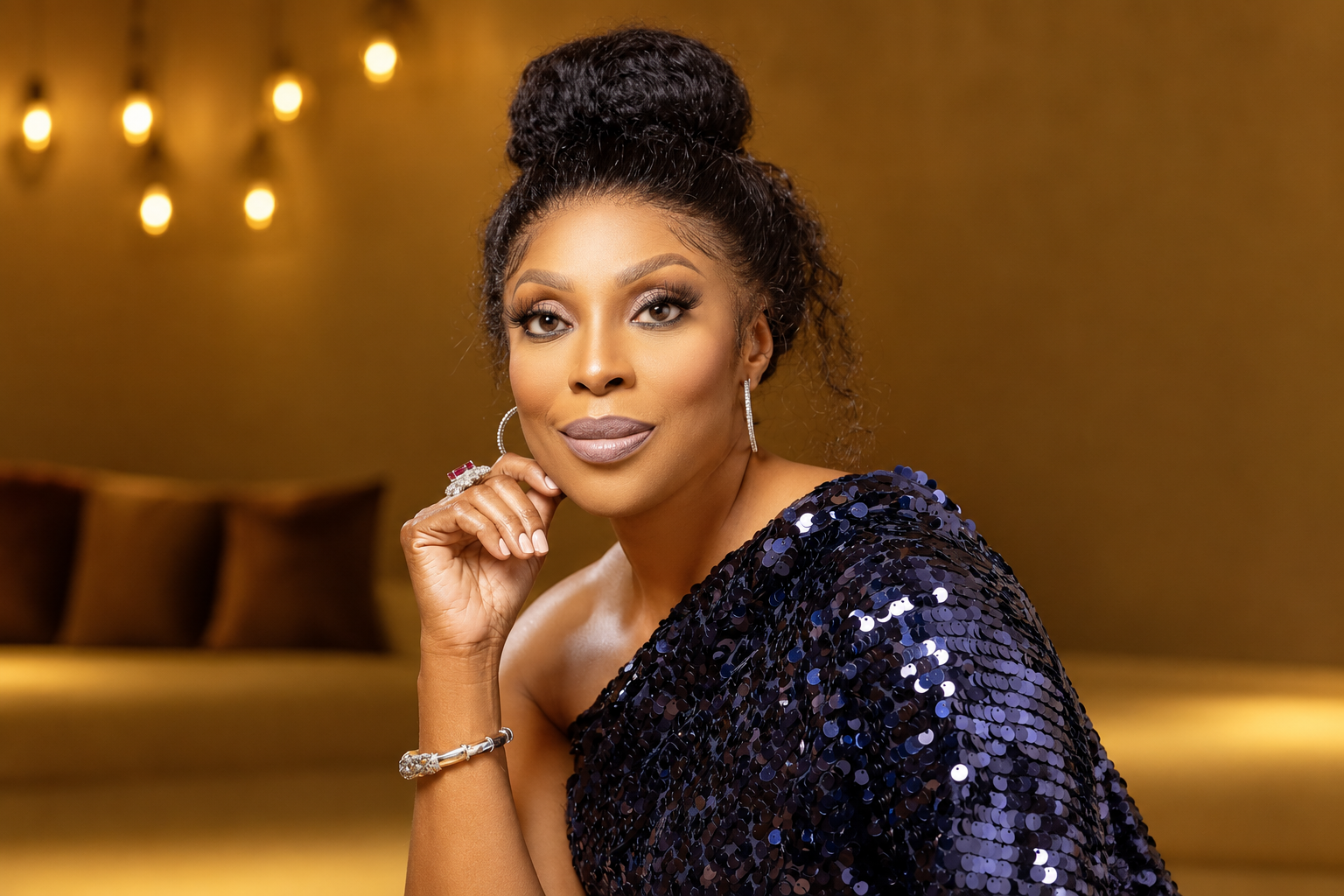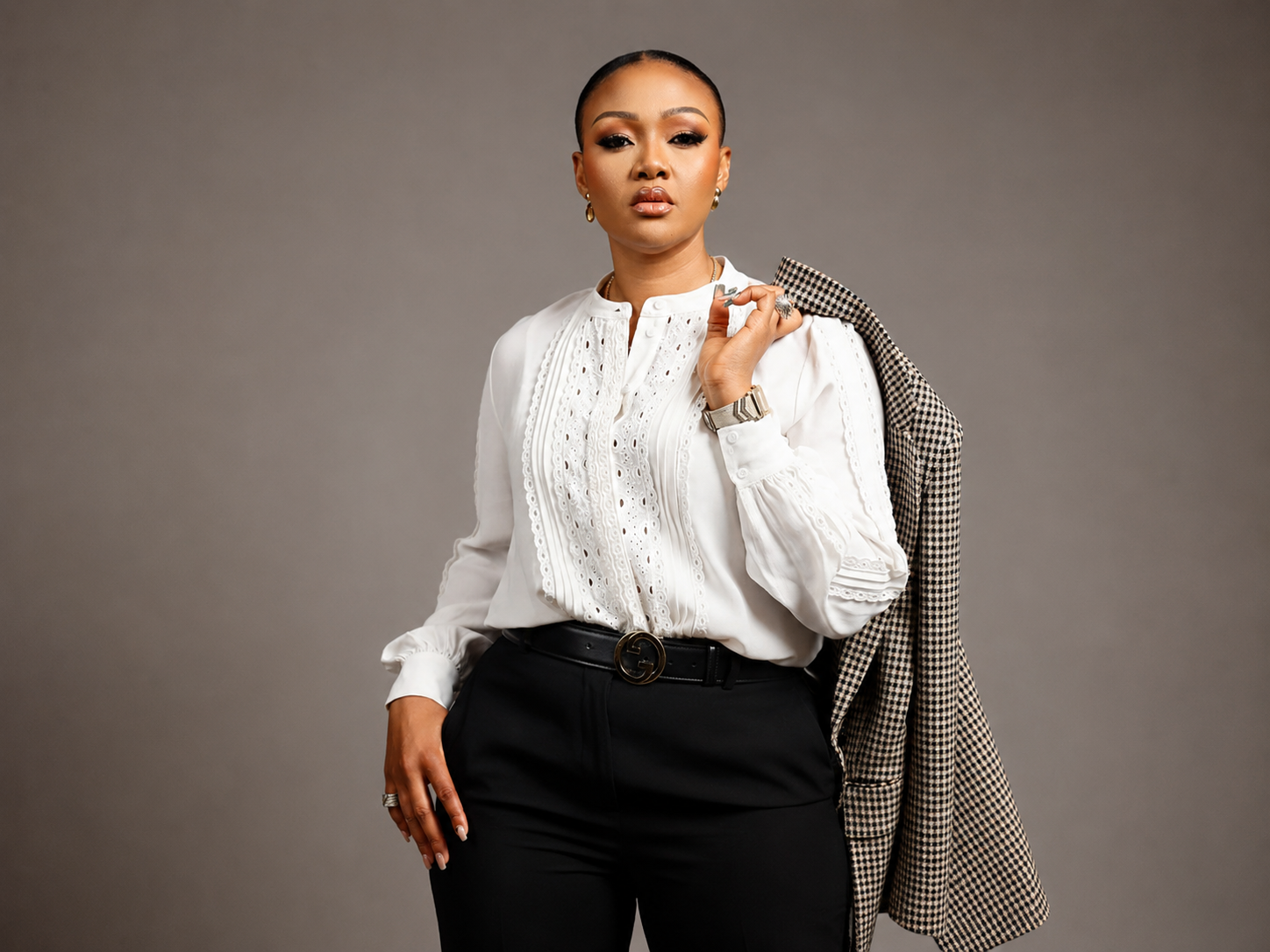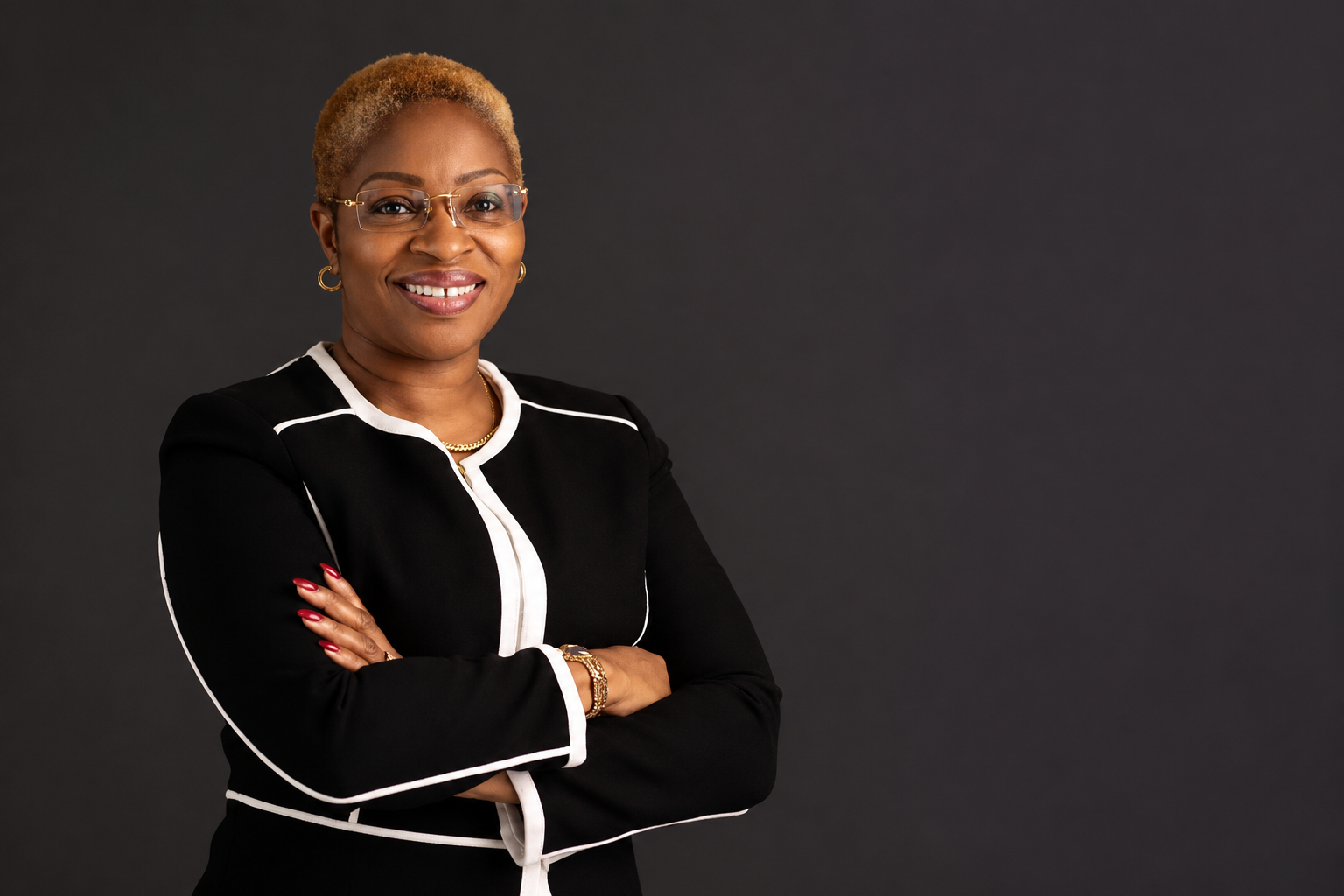
The election of Senior Advocate of Nigeria (SAN) Oyinkansola Badejo-Okusanya as President-elect of the Nigerian Bar Association (NBA) marks more than a leadership transition for one of the country’s most influential professional bodies. It represents a defining moment for women in leadership, breaking barriers that have stood for more than three decades and inspiring a new generation of female professionals to aspire to the highest offices.
Badejo-Okusanya made history after securing 12,317 votes, representing 47.18 per cent of the total votes cast, becoming only the second woman to lead the 93-year-old association and the first woman in 34 years to be elected President of the NBA. She will succeed Afam Osigwe, SAN, when she assumes office for a two-year term from 2026 to 2028.
YOU CAN ALSO READ: Nigeria Nears Approval of First National Hydrogen Policy
Reflecting on her victory shortly after the announcement of the results, the President-elect described the experience as both humbling and deeply significant.
“When over 12,000 colleagues put their trust in you and believe you have what it takes to lead them, it comes with an enormous responsibility,” she said. “I understand the weight of that trust, and I know I must justify the confidence they have reposed in me.”
Beyond the significance of her election, Badejo-Okusanya believes her emergence sends a powerful message to women across the legal profession and beyond.
She acknowledged that while women continue to excel academically, many do not eventually occupy top leadership positions, not because they lack competence, but because they often face structural, cultural, and social barriers that make career progression more difficult.
“Everywhere I went during the campaign, I met women who told me that my aspiration inspired them,” she said. “Someone told me that simply because I was running for President of the NBA, she felt she could achieve anything.”
According to her, the legal profession reflects a broader leadership challenge faced by many women across corporate and professional sectors.
“You find large numbers of women at the entry level,” she explained. “But as you move higher, the numbers begin to shrink. It is like a triangle. Not because women are less capable, but because the environment can be difficult to navigate, especially while balancing professional responsibilities with family and societal expectations.”
She pointed to the increasing number of female academic high achievers as evidence that talent has never been the problem.
Citing a recent example, Badejo-Okusanya noted that all 19 first-class graduates from a university’s Faculty of Law were women, demonstrating that women continue to excel at the highest academic level.
“The challenge is not competence,” she said. “The challenge is ensuring that capable women are able to translate that excellence into leadership.”
While celebrating the milestone, the President-elect also corrected a long-standing misconception regarding the NBA’s first female leader, the late Priscilla Kuye.
According to Badejo-Okusanya, Kuye was democratically elected as First Vice President of the NBA before assuming the presidency following the appointment of the then President, Clement Akpamgbo, as Attorney General of the Federation. Although Kuye later contested for the presidency, circumstances prevented her emergence through that route.
Her own election, therefore, represents the first time a woman has been directly elected by members of the association as NBA President.
Despite the historic nature of her victory, Badejo-Okusanya acknowledged that the election has generated controversy, with some contestants alleging irregularities in the electronic voting process.
Responding to suggestions that her victory was influenced by external interests or political connections, she firmly rejected the allegations.
“It is not pleasant to imagine that people think I could only win through a rigged election,” she said. “This election came under unprecedented scrutiny, and I have no objection to a post-election audit because I have absolutely nothing to hide.”
She admitted that the NBA must confront the trust deficit surrounding its electoral process and encouraged the association to undertake an honest review that will strengthen confidence in future elections.
As she prepares to assume office, Badejo-Okusanya extended an olive branch to her fellow contestants, emphasising that unity must remain the NBA’s immediate priority.
YOU CAN ALSO READ: Why Tomi Davies Invests in Ecosystems, Not Just Startups
“In every contest, there is a winner and there are others who may be disappointed,” she said. “But we must move forward together. I intend to reach out to my colleagues because dialogue remains the best path to resolving differences.”
She stressed that preserving the credibility of the Nigerian Bar Association is more important than individual victories, noting that the legal profession must continue to set the standard for democratic accountability and institutional integrity.
For many observers, Badejo-Okusanya’s election is about far more than making history. It stands as a powerful symbol that leadership positions once considered out of reach are increasingly within the grasp of women who possess the competence, courage, and determination to pursue them. In doing so, her victory has become a source of inspiration not only for female lawyers but for women across Nigeria’s professional landscape.