For many entrepreneurs, success eventually becomes an unexpected burden. The same determination that helps founders build a business from scratch often becomes the very reason they struggle to grow it. They answer every email, manage every employee, chase every invoice, solve every crisis and close every sale themselves. The result is a business that depends entirely on its owner, where growth is limited by the number of hours the founder can work.
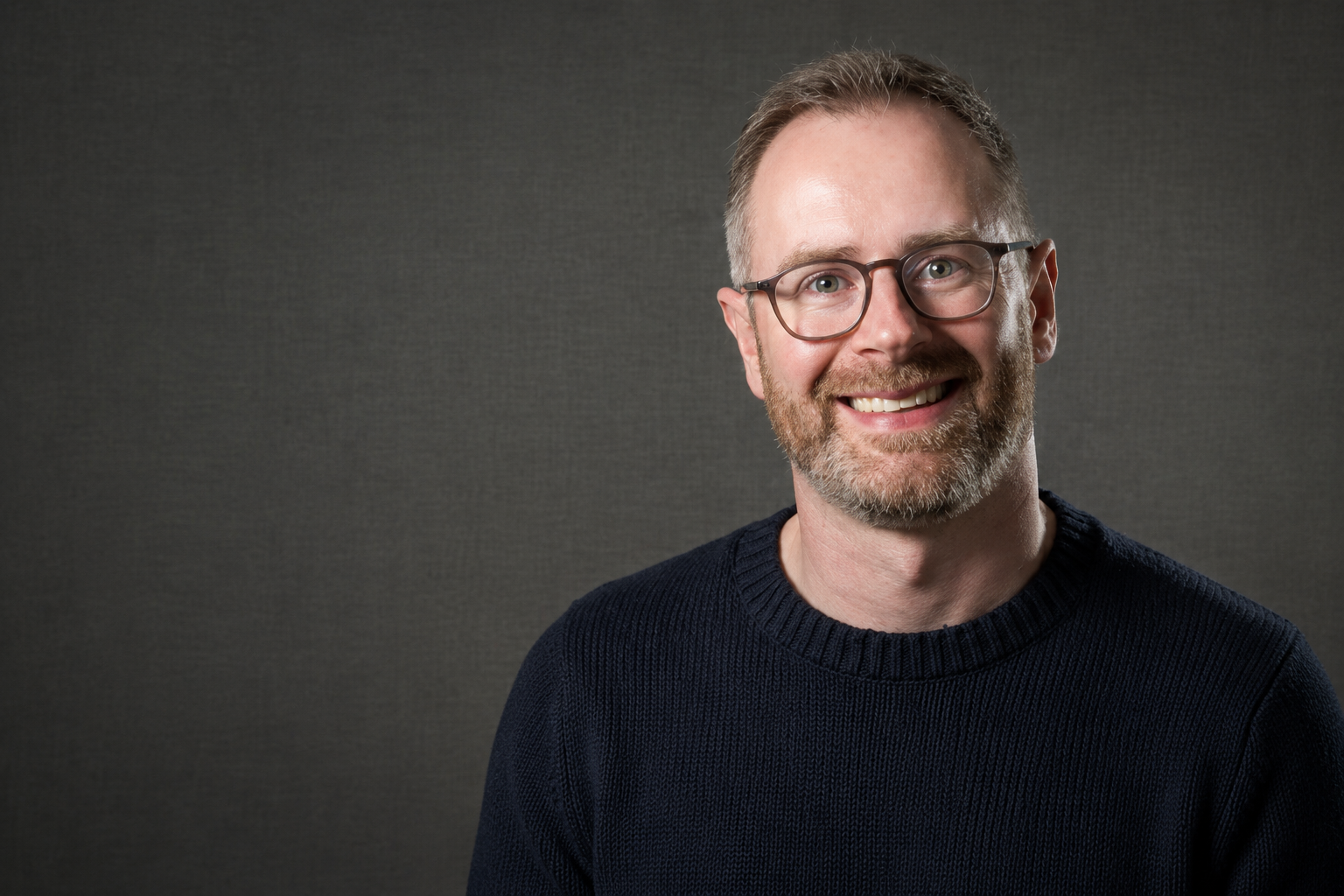
According to Will Barron, Founder of Salesman, this is one of the biggest mistakes business owners make. Too many entrepreneurs continue treating themselves like employees instead of owners, leaving them trapped in an endless cycle of overwork, unpredictable revenue and constant stress.
YOU CAN ALSO READ: Why Ikeja Electric’s New CEO Appointment Matters for Nigeria’s Power Sector
Barron argues that the role of a business owner is fundamentally different from that of an employee. While employees execute tasks, owners are responsible for building systems that generate clients, deliver value consistently and create sustainable growth. Yet many founders continue doing twenty different jobs inside their businesses long after those responsibilities should have been delegated or systemised. They convince themselves they are being productive when, in reality, they are becoming the biggest obstacle to the company’s growth. The entrepreneurs who appear calmer, earn more and work fewer hours are not necessarily more talented. They have simply learned to focus on the few responsibilities that truly move the business forward.
The first of those responsibilities is building a sales system rather than relying on personal selling ability. Barron observes that most entrepreneurs sell by instinct. Every client conversation is different, every proposal is handled differently, follow ups are inconsistent and the entire sales process exists only inside the founder’s head. While this approach may work in the early stages of a business, it creates significant problems as the company grows.
If every sale depends on the owner’s memory, mood or availability, the business has no real sales process. It has a stressed founder trying to improvise every opportunity. Barron believes every step of the buyer’s journey should be documented, from the first point of contact through discovery conversations, proposals, follow ups and ultimately payment. Once the process is written down and standardised, it becomes repeatable, consistent and capable of producing predictable results regardless of who executes it.
Equally important is making that sales system measurable. Barron notes that too many business owners operate on feelings instead of facts. They have a vague sense that business is either going well or slowing down, yet they cannot accurately explain how many opportunities exist in their pipeline, which prospects are close to making decisions or what revenue is likely to materialise in the coming weeks. He compares this to driving a car at high speed without a dashboard. Movement may be happening, but there is no reliable way to understand performance or anticipate what lies ahead. Whether through a sophisticated customer relationship management platform or even a simple spreadsheet, founders need clear visibility into the metrics that matter. Tracking conversations, conversion rates, pipeline value and expected revenue transforms uncertainty into clarity, allowing business owners to make informed decisions instead of reacting to problems after they occur.
With a documented and measurable process in place, the next challenge becomes removing the founder as the bottleneck. Barron argues that many entrepreneurs hire salespeople expecting them to magically solve revenue challenges, only to become frustrated when those hires struggle. The problem is rarely the salesperson. More often, there is no structured process to follow because everything still exists inside the founder’s mind. Delegation becomes possible only when the business has created a system that others can understand, execute and improve.
Once that happens, revenue generation no longer depends entirely on the owner’s time, energy or personal availability. Sales continue while the founder focuses on strategy, leadership, innovation or even personal time away from the business. Growth becomes limited not by individual capacity but by the effectiveness of the systems that support the organisation.
Perhaps Barron’s most powerful insight is that every business eventually reaches the limits of its leader’s personal growth. He likens the relationship between an entrepreneur and a business to a plant growing inside a pot. No matter how healthy the plant becomes, its growth eventually stops once its roots reach the boundaries of the container. Businesses behave in much the same way. The skills, habits and mindset that helped an entrepreneur build a small company are rarely the same qualities required to lead a significantly larger enterprise. Some founders struggle to delegate because they enjoy delivering the work themselves. Others avoid sales because they find it uncomfortable, while some refuse to confront financial data because it challenges their assumptions. These limitations quietly hold businesses back far more than market conditions or competition.
YOU CAN ALSO READ: The Woman Steering Anthropic’s Growth While Keeping AI Human
Barron believes sustained business growth requires continuous personal development. Entrepreneurs must regularly examine where they are limiting progress, whether through outdated beliefs, ineffective leadership habits or resistance to change. Improving sales capability, strengthening decision making, embracing accountability and investing in leadership development are not optional activities but essential responsibilities for anyone seeking to build a scalable company. As the founder grows, so does the organisation’s capacity to expand.
At the heart of Barron’s philosophy is a challenge to one of entrepreneurship’s most celebrated myths that working harder inevitably leads to greater success. In reality, founders who remain buried in day to day operations often create businesses that cannot function without them. Those who focus instead on building repeatable systems, measuring performance, empowering capable teams and continually developing themselves create organisations that generate predictable revenue and sustainable growth. The goal is not to become the hardest working employee in the company. The goal is to become the leader who builds a business capable of succeeding without depending on a single individual. That shift from operator to architect is what ultimately separates companies that survive from those that scale.