For decades, insurance in Nigeria has struggled with an image problem. To many, it has been viewed as an obligation rather than an opportunity, a compulsory document tucked away in a drawer, only remembered when regulators demand compliance or tragedy strikes. Stories of delayed claims, limited understanding of policy terms and widespread mistrust have kept millions of Nigerians at arm’s length from an industry designed to provide financial security. Yet, beneath these long-held perceptions, a quiet transformation is gathering momentum.
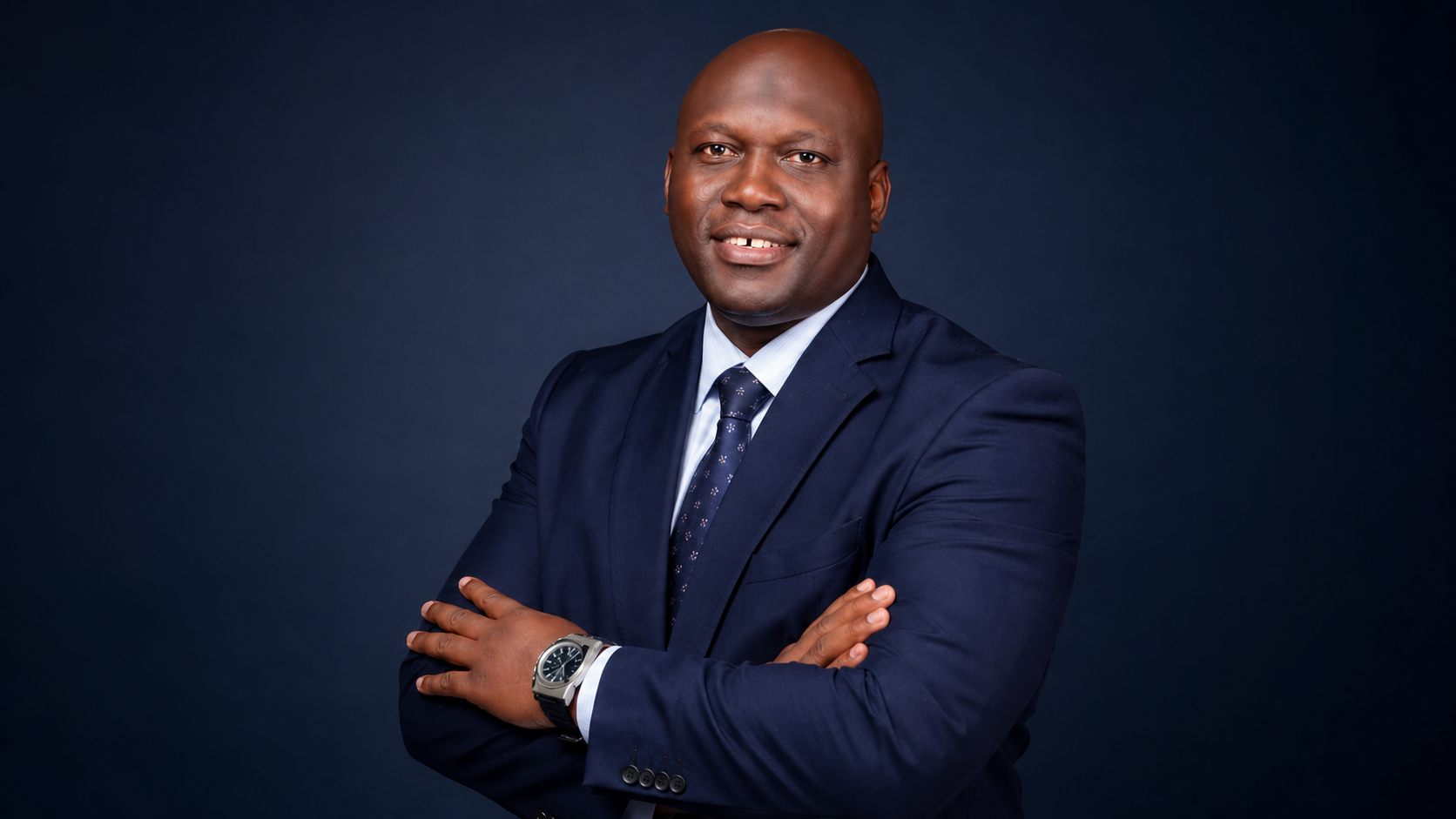
At the centre of this evolution is ethical insurance, a model that seeks to redefine not only how insurance works but also how Nigerians think about risk, trust and financial protection. Few voices have articulated this shift more compellingly than the Chief Business Development Officer of Noor Takaful Insurance Limited, Ismaeel Ayanlere whose appearance on ICAN On Air painted a picture of an industry standing on the threshold of remarkable change.
Drawing from more than two decades of experience spanning Takaful insurance, Islamic finance and business development, Ayanlere presented ethical insurance not as an alternative reserved for a niche audience, but as an inclusive financial philosophy capable of reshaping Nigeria’s economic future. His message was simple yet profound: insurance must evolve beyond collecting premiums to becoming a trusted partner in building financial resilience for individuals, businesses and entire communities.
YOU CAN ALSO READ: From One Farmer’s Tears to an Agro Industrial Revolution: The Yemisi Iranloye Story
According to him, insurance is fundamentally a financial protection mechanism that enables people and organisations to withstand the financial consequences of life’s uncertainties. Whether the challenge is fire, illness, theft, accident, disability or death, insurance exists to absorb shocks that might otherwise devastate families and businesses. Instead of carrying these burdens alone, individuals transfer or share risks through structured financial arrangements that restore stability when adversity strikes.
While Nigeria’s insurance landscape comprises life insurance, general insurance and the increasingly popular Takaful model, Ayanlere believes the future lies in creating solutions that place people rather than products at the heart of financial protection. That philosophy is most visible in ethical insurance.
Unlike conventional insurance, where policyholders transfer risks to insurers in exchange for premiums, ethical insurance through the Takaful model is built upon collective responsibility. Participants contribute to a common fund that belongs to them collectively, while the insurance operator simply manages the fund on their behalf. Eligible claims are settled from this shared pool, and where funds remain after claims and operational expenses have been met, surplus is redistributed among participants who did not make claims during the period.
It is a model founded on cooperation rather than competition, transparency rather than ambiguity and shared prosperity rather than unilateral profit.
For Ayanlere, these principles represent far more than operational differences. They embody values capable of restoring public confidence in an industry where trust has become its most precious commodity.
Nigeria’s insurance penetration remains below one per cent of Gross Domestic Product, among the lowest in Africa despite the country’s enormous population and expanding economy. This persistent challenge, he explained, cannot be attributed to a single cause. Limited financial literacy, low insurance awareness, widespread misconceptions, weak accessibility beyond major urban centres and lingering scepticism about claims settlement have all combined to suppress industry growth.
Many Nigerians still associate insurance with paying premiums while hoping never to receive any benefit. Others assume insurance products are too expensive or designed exclusively for wealthy individuals and large corporations. These misconceptions have left millions of households, entrepreneurs, artisans and small businesses financially exposed to risks that insurance was created to manage. Yet Ayanlere sees extraordinary opportunity hidden beneath these statistics.
Nigeria’s youthful population, growing digital economy, expanding middle class and sweeping regulatory reforms have created fertile ground for insurance to become a far more significant pillar of national economic development. Technology, fintech collaborations and innovative distribution channels are already making insurance more accessible than ever before, enabling providers to reach communities previously excluded from traditional financial services.
He noted that Noor Takaful itself has witnessed a significant proportion of customers purchasing insurance for the very first time through ethical insurance products, demonstrating that accessibility and trust can dramatically expand financial inclusion.
Equally important is the regulatory environment. The Nigeria Insurance Reform Act 2025 represents what Ayanlere describes as a critical turning point for the industry. The legislation introduces stronger consumer protection, tighter regulatory oversight and significantly higher capital requirements for insurance operators. By strengthening insurers’ financial capacity, the reforms seek to reassure policyholders that legitimate claims will be honoured while encouraging greater confidence across the market.
Still, legislation alone cannot rebuild confidence. For Ayanlere, the industry’s future depends on consistent implementation, effective regulatory enforcement and, above all, delivering on promises made to customers.
He was careful to dispel one of the most common misconceptions surrounding insurance. Contrary to popular belief, reputable insurance companies in Nigeria settle legitimate claims every day. The real challenge often lies in communication gaps, inadequate understanding of policy terms and expectations that are not properly managed at the point of purchase. Ethical insurance addresses these concerns through clear disclosures, transparent contractual relationships and complete separation between shareholders’ funds and participants’ funds, ensuring that customer contributions remain dedicated to meeting genuine claims.
“Trust,” he argued, “is the most valuable currency in insurance.” Those words perhaps capture the essence of ethical insurance more powerfully than any technical explanation. Financial products may evolve, regulations may change and technology may advance, but lasting industry growth will always depend on public confidence that insurers will stand beside customers when they are needed most.
Beyond trust, ethical insurance also offers profound implications for financial inclusion. Across Nigeria, millions of micro, small and medium-sized enterprises operate without adequate financial protection. Farmers, traders, artisans and women entrepreneurs frequently bear the full cost of unexpected losses that can erase years of investment overnight. Affordable ethical insurance products can provide these vulnerable groups with a financial safety net while simultaneously improving their access to credit, as financial institutions gain greater confidence in lending to businesses protected against unforeseen risks.
In this way, insurance becomes more than a financial product. It becomes an enabler of entrepreneurship, job creation and economic resilience.
Ayanlere also challenged professional institutions to embrace ethical finance as part of mainstream education. Bodies such as the Institute of Chartered Accountants of Nigeria, universities and financial regulators have an opportunity to integrate ethical insurance, governance, risk management and responsible investment into professional training. Such collaboration, he believes, would produce a new generation of finance professionals equipped to navigate both conventional and ethical financial systems while strengthening governance across Nigeria’s economy. Ultimately, Ayanlere’s vision stretches far beyond insurance itself.
YOU CAN ALSO READ: Why Otedola Sees More Value in First HoldCo Despite Its Soaring Share Price
He sees ethical insurance as an instrument capable of preserving wealth, supporting investment, promoting inclusion and strengthening the foundations of sustainable economic growth. Rather than asking Nigerians to adapt to insurance, he believes the industry must adapt to the realities of Nigerians by simplifying products, embracing technology, improving accessibility and consistently demonstrating value through prompt claims settlement and transparent customer engagement.
His message resonates at a time when economic uncertainty has heightened the importance of financial resilience across households and businesses alike.
The future of insurance in Nigeria, he insists, will not be determined by how many premiums are collected or how many policies are sold. Its true measure of success will be the confidence people have that when life takes an unexpected turn, their insurer will honour its promise.
In an era where finance is increasingly expected to serve both economic and social purpose, ethical insurance is steadily emerging as one of the industry’s most compelling innovations. It represents a shift from transactions to relationships, from products to people and from obligation to trust.
For Ismaeel Ayanlere, that transformation has already begun. The challenge now is ensuring that every Nigerian has the opportunity not only to understand it but also to benefit from it.