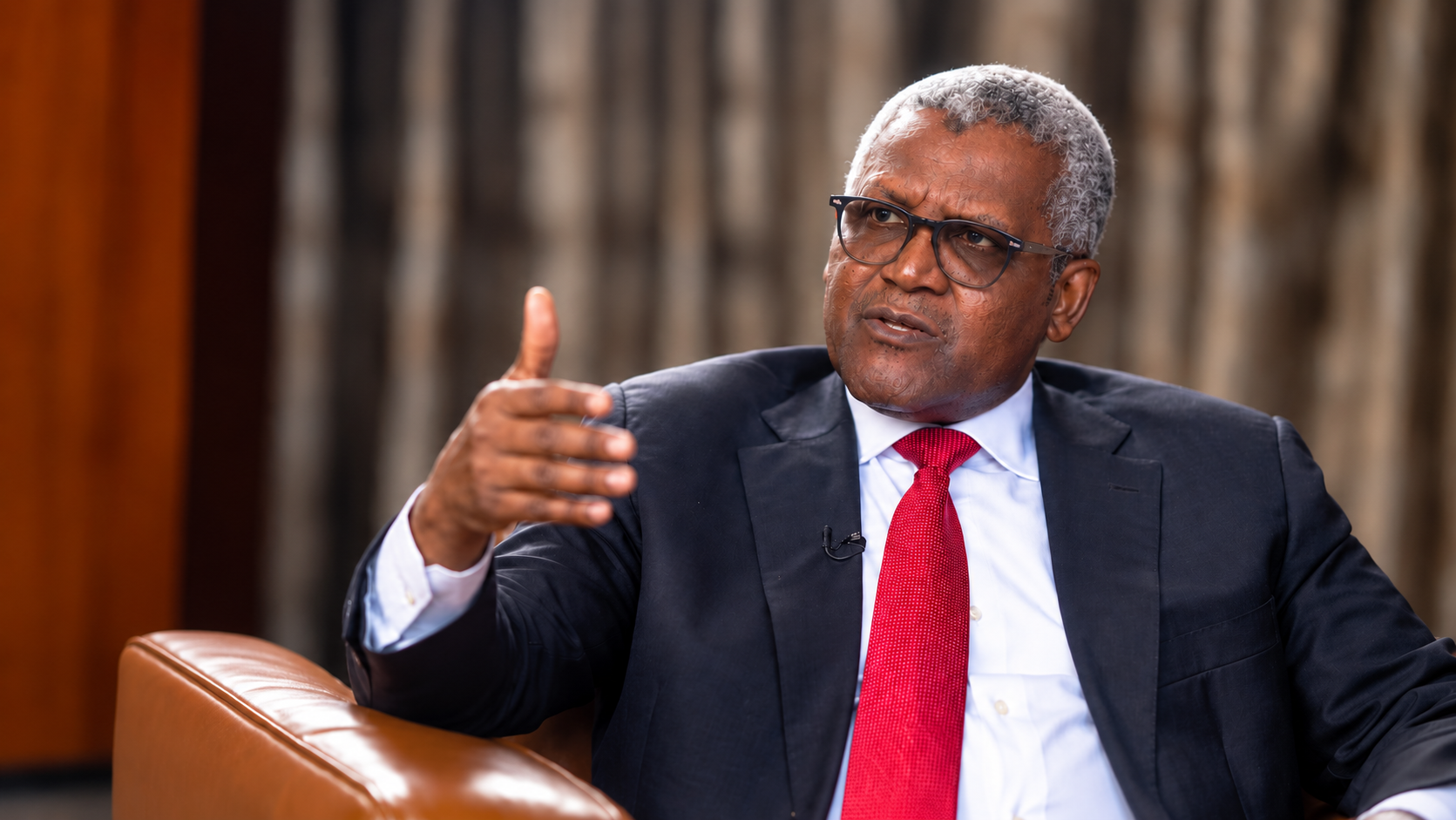
There is a particular kind of ambition that cannot be measured by the size of a bank account: the ambition to build something that outlives its creator and leaves behind institutions strong enough to shape generations. For Aliko Dangote, Africa’s most prominent industrialist, that ambition has become the defining story of his life.
His journey began in Kano, where he entered business as a young trader with a ₦500,000 loan from his maternal grandfather, Alhaji Al Hassan Dantata. From trading commodities, he gradually built an industrial empire spanning cement, sugar, flour, salt, fertilizer, petrochemicals and energy.
YOU CAN ALSO READ: Africa’s Informal Economy Is a Goldmine for Investors, Says Zedcrest GMD
At the centre of that journey is the Dangote Refinery in Lagos, a more than $19 billion industrial project that embodies his willingness to take extraordinary risks. Dangote has said he put his wealth and assets behind the refinery and provided a personal guarantee for a $3.7 billion loan because he believed in its potential. The project was conceived to address Nigeria’s long standing contradiction of being a major oil producer while depending heavily on imported refined petroleum products, while creating a wider industrial ecosystem around energy and petrochemicals.
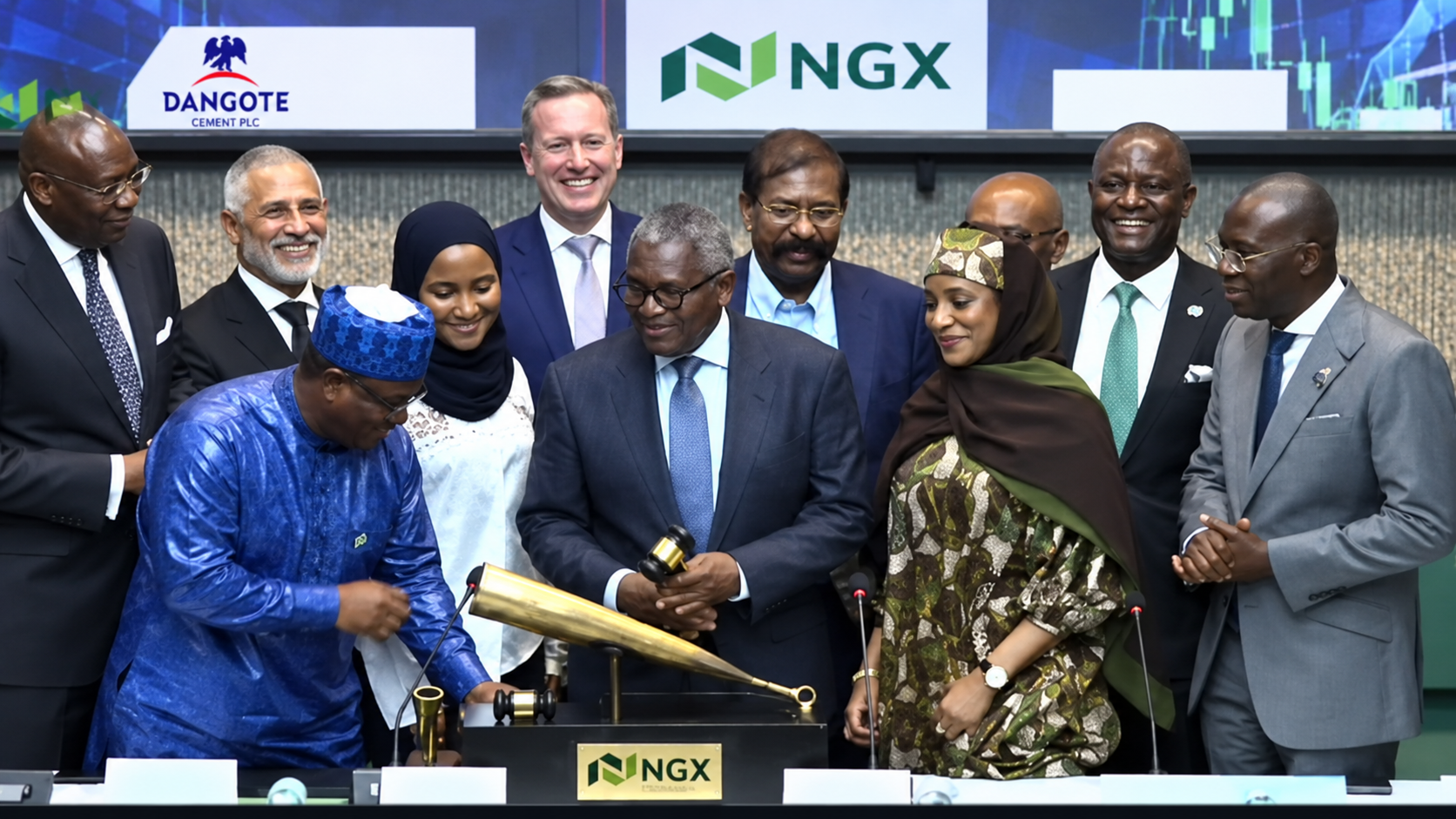
Dangote’s ambition, however, extends beyond building companies. Through what he calls the “people’s IPO,” he wants ordinary Nigerians and Africans, including market women, mechanics, labourers and drivers, to have an opportunity to own shares in the refinery. His goal is to democratise the capital market and give millions of people a stake in wealth creation. He has even envisioned shareholder meetings on a stadium scale, reflecting his belief that ownership should not be reserved for the wealthy.
The refinery also represents a broader industrial philosophy: Africa must move from exporting raw materials to producing finished goods. Dangote’s plans for petrochemicals and other raw materials are designed to support industries across the continent, creating jobs, strengthening supply chains and keeping more value within Africa.
But his story is not one of uninterrupted success. His textile businesses collapsed under intense foreign competition and dumping, resulting in thousands of job losses. The experience reinforced his belief that industrialisation requires consistent government policies, reliable electricity and an environment that encourages entrepreneurs to invest and take risks.
YOU CAN ALSO READ: Aliko Dangote: Building Africa’s Industrial Future
For Dangote, the ultimate measure of success is therefore not wealth but legacy. He wants the businesses he has built to be professionally governed, survive beyond their founder and contribute to the industrialisation of Africa. His three daughters are interested in business, but his vision of succession goes beyond family ownership to strong institutions capable of lasting for generations.
From a young trader to one of the world’s most influential industrialists, Dangote’s story is ultimately about construction rather than consumption. His question is no longer simply how much wealth can be created, but what can be built with it and what will remain after him. His greatest ambition is to help create an Africa that can manufacture, create wealth, build global scale businesses and shape its own future.