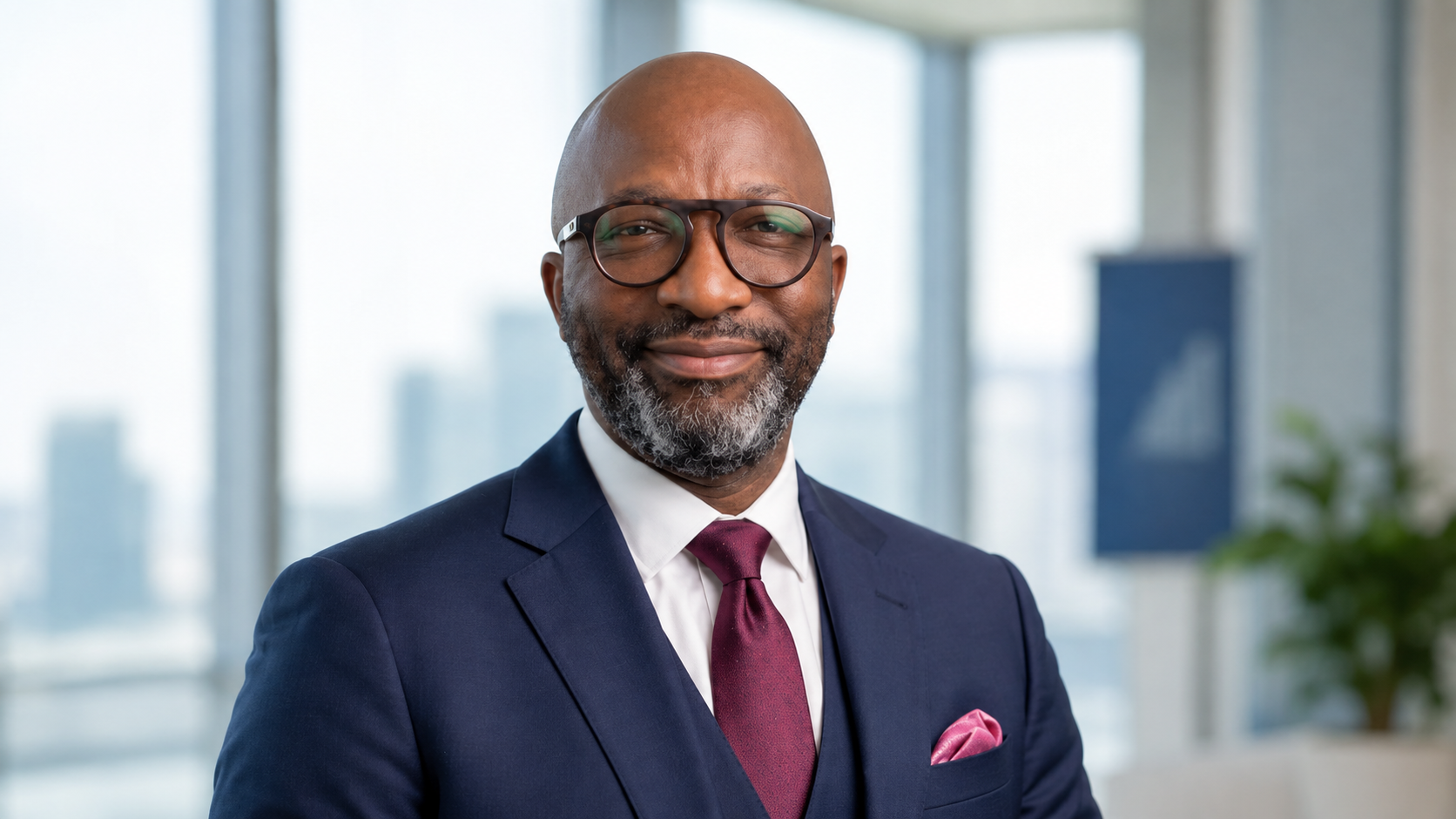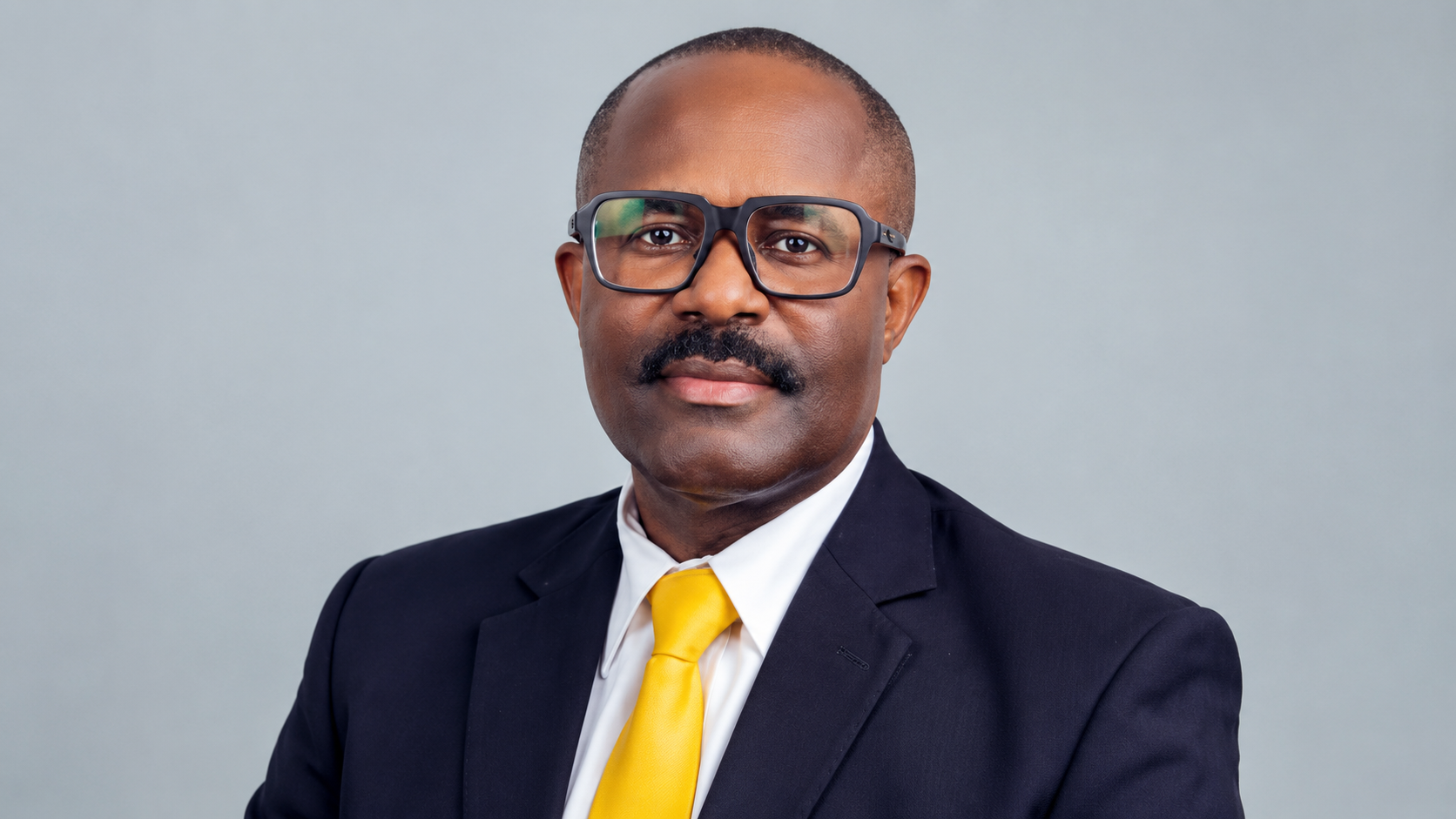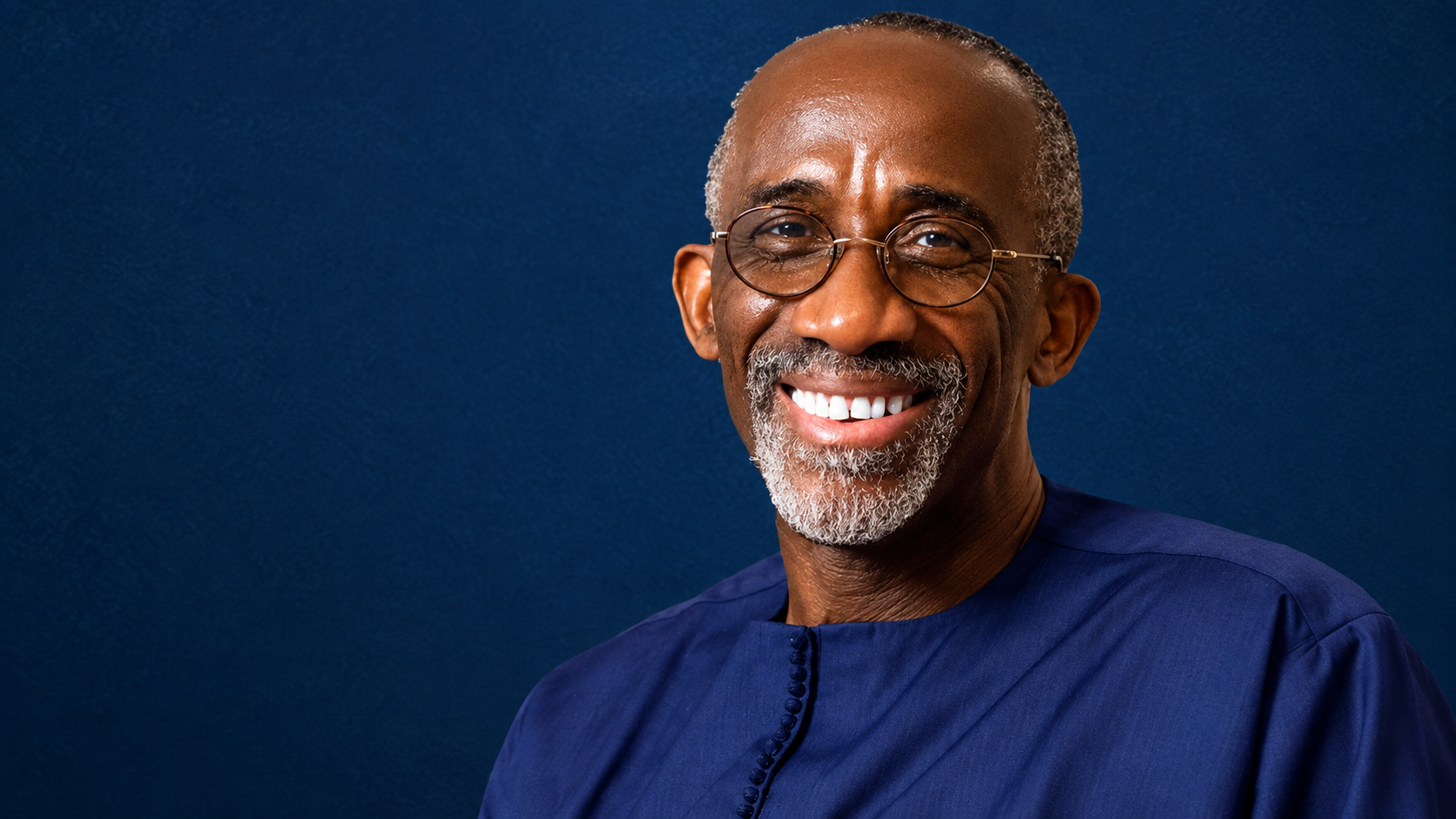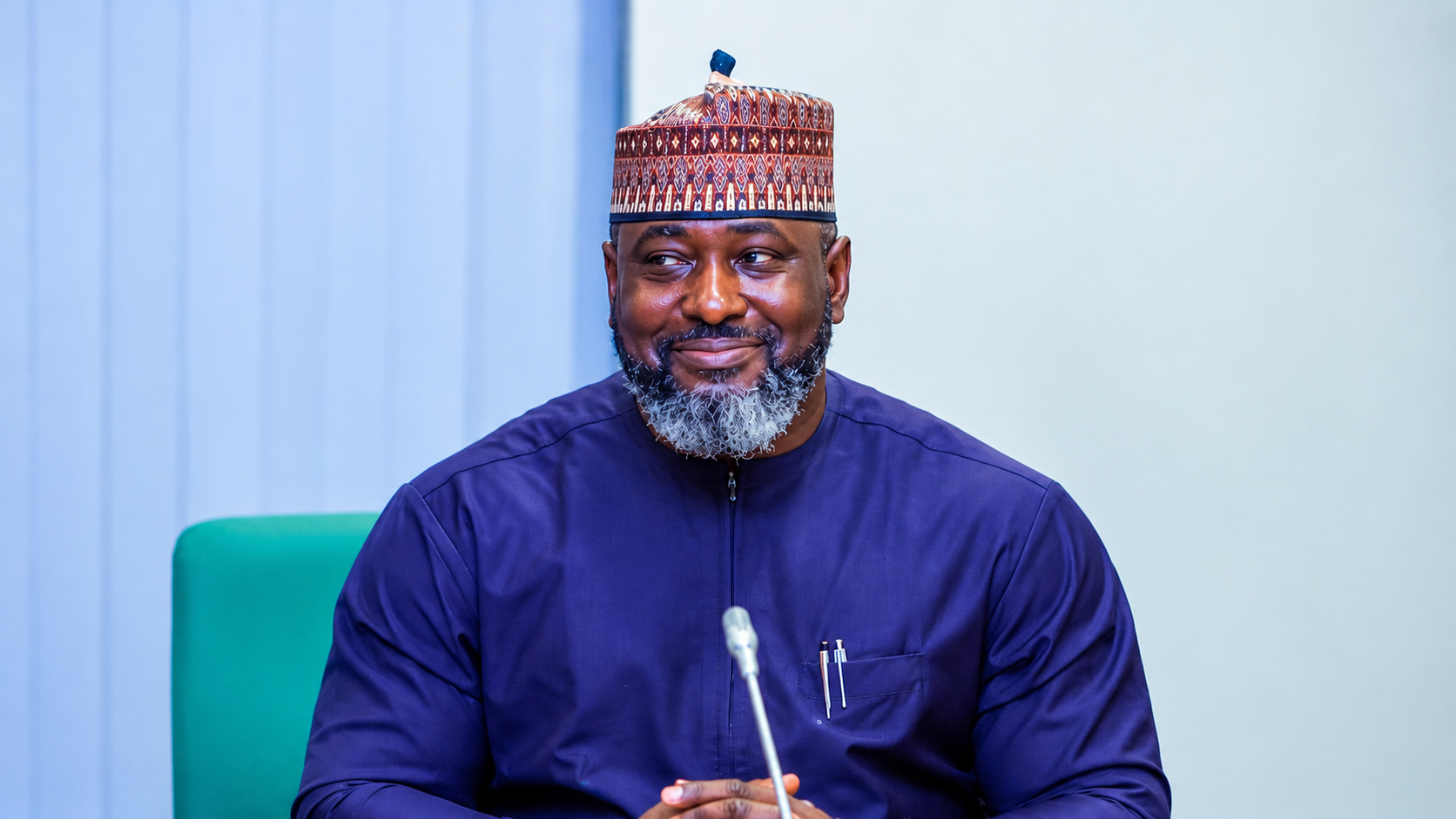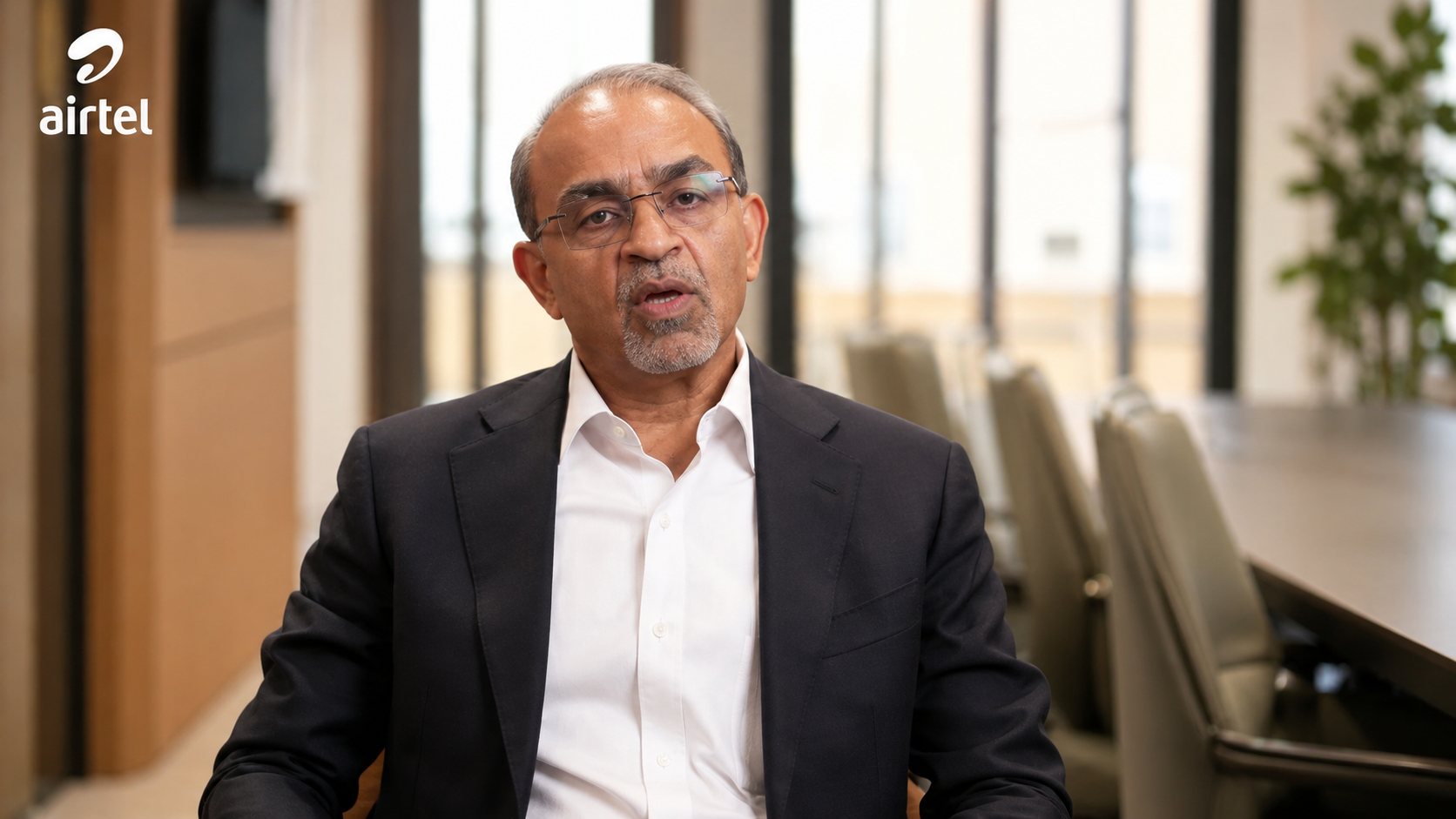
For Sunil Taldar, the future of telecommunications in Africa is not simply about putting more people on a network. It is about what happens after they are connected: the trader gaining access to digital payments, the small business finding new markets, the child connecting to educational resources and the entrepreneur in an underserved community overcoming the limits of geography. Increasingly, it is also about preparing Africa for an era in which artificial intelligence, data infrastructure and digital platforms could reshape economies.
That broader view of connectivity sits at the heart of Taldar’s leadership of Airtel Africa. As chief executive of a telecommunications group operating across 14 African markets, he is overseeing a business at a critical point in its evolution. The traditional telecom model was built around connecting people to one another, but Taldar’s vision is larger: connecting people to opportunity. For him, the shift from “telco” to “techco” is not merely a change in terminology; it is a change in purpose.
That philosophy helps explain the scale and direction of Airtel Africa’s ambitions. Taldar sees Africa as a continent with substantial untapped digital potential, where expanding coverage must go hand in hand with building the capacity and infrastructure needed to support rapidly rising data consumption. The company’s investment is directed towards network expansion, fibre, spectrum, home broadband, data centres and infrastructure capable of supporting the growth of AI-driven services.
YOU CAN ALSO READ: Meta Faces $18 Billion Bill in Landmark Child Safety Settlement
It is a vision rooted in the belief that Africa’s next chapter of growth will be increasingly digital. Under Taldar’s leadership, Airtel Africa is not approaching connectivity as a finished product. A tower in an uncovered community, by itself, does not complete the mission. The network must be reliable, affordable and capable of supporting the growing ways people use technology for work, education, healthcare, entertainment, commerce and financial transactions.
This is why the company’s investment agenda goes beyond simply adding more base stations. As data consumption rises, networks must carry more capacity and transmission systems must become more resilient. As AI moves from global conversation to practical application, the infrastructure needed to support it will also need to be built closer to the markets where the technology will be used.
The scale of Airtel Africa’s capital plans reflects that thinking. Taldar has said the group stepped up investment significantly, with guidance of about $1.1 billion at group level, while investment in Nigeria also increased sharply. For him, the spending responds to demand already visible across the continent and to a conviction that Africa’s digital opportunity is far from exhausted.
Yet Taldar’s vision is not a story of technology without obstacles. One of the defining challenges of the African telecommunications business is the extent to which operators must deal with issues outside their traditional role. In Nigeria and other markets, unreliable power can force telecoms companies to rely on alternative energy sources, including diesel, simply to keep their networks running.
As Taldar puts it, operators are in the business of delivering connectivity but can find themselves carrying the additional burden of generating power. The economics are significant: running sites on diesel can cost substantially more than relying on grid electricity, while fuel prices and logistical difficulties create further pressure. When a site goes down, the consequences extend beyond the operator, affecting businesses and livelihoods that depend on the network.
This is where Taldar’s view of telecommunications becomes particularly revealing. He sees power and connectivity as deeply connected parts of the same economic equation. The same applies to vandalism and damage to telecommunications infrastructure. A fibre cut or damaged site is not simply an operational inconvenience; it can interrupt commerce, communication and access to essential services.
Taldar has welcomed Nigeria’s designation of telecoms infrastructure as critical national infrastructure while arguing that stronger implementation is needed to reduce persistent damage and fibre cuts. His appeal is directed not only at authorities but also at communities, reflecting his belief that protecting digital infrastructure is ultimately in the wider public interest.
His leadership philosophy also recognises the limits of going it alone. One of the defining themes of Taldar’s approach is the willingness to compete fiercely while collaborating where collaboration can solve larger problems. Airtel Africa’s infrastructure-sharing agreements reflect this thinking: if competing operators build identical infrastructure across the same geography, capital is duplicated. Shared infrastructure can reduce duplication and potentially extend investment into communities that remain underserved.
For Taldar, competition and collaboration are not contradictory. Companies should compete for customers and create better value, but they can also work together to improve efficiency and expand access. That same logic shapes Airtel Africa’s engagement with satellite technology.
The continent’s geography presents a fundamental challenge: not every community can be reached economically through conventional towers and terrestrial fibre. Taldar’s response is to seek technologies and partnerships capable of reaching beyond the limits of traditional infrastructure. Through its agreement with Starlink, Airtel Africa is exploring satellite-enabled solutions for enterprise connectivity, network backhaul and direct-to-device services in areas beyond terrestrial coverage. The objective is straightforward: geographical remoteness should not permanently exclude communities and businesses from the digital economy.
That emphasis on inclusion runs through Airtel Africa’s broader transformation. For Taldar, the move from telco to techco begins with a simple question: what is connectivity ultimately for? His answer is opportunity.
A strong digital money platform can give people the ability to transact where traditional banking infrastructure is limited. Connectivity solutions can link small enterprises to wider markets. Connected schools can give children access to educational resources previously beyond their reach. AI-enabled services, supported by the right infrastructure, could create entirely new possibilities for African economies.
In this sense, Taldar’s description of technology is less about devices and more about access. Technology becomes valuable when it removes a barrier between people and opportunity.
The philosophy is also evident in Airtel Africa’s work beyond its commercial operations. Through the Airtel Africa Foundation, the company has focused on digital inclusion, financial inclusion, education and sustainability. Taldar said Airtel Africa had connected 2.1 million children across its markets, including 1.4 million in Nigeria, while supporting school connectivity, teacher training and other education initiatives. The company has also adopted schools in Nigeria to strengthen infrastructure for digital education and provides scholarships for students from economically challenged backgrounds.
For Taldar, this work follows the same central idea that drives the company’s commercial strategy: connectivity is only the beginning. The real value lies in what people can do once they are connected. He has described this as part of the company’s responsibility to transform lives, arguing that while a telecommunications company receives a formal licence to operate from regulators, it earns a broader social licence through its relationship with the communities it serves.
There is, of course, a major commercial dimension to the strategy. Airtel Africa’s mobile money business remains a significant growth area, and Taldar has pointed to an initial public offering as its next strategic step, subject to market conditions. But even here, the larger narrative remains consistent. Mobile money is not simply another business vertical; in Taldar’s philosophy, it is part of the infrastructure that can connect people to economic participation.
That may be the clearest way to understand his leadership of Airtel Africa. Sunil Taldar is steering a telecommunications company through a period when the definition of connectivity itself is changing. The network is no longer just a channel for calls and messages. It is becoming the road on which commerce moves, education travels, financial services expand and new technologies reach communities.
YOU CAN ALSO READ: From a $15 Million UBA Deal to a $250 Million Exit: Hakeem Belo-Osagie’s Story
The challenge is enormous. Networks require capital. Power remains unreliable in key markets. Infrastructure is vulnerable to damage. Coverage gaps persist, while technology continues to evolve rapidly. But Taldar sees these challenges alongside opportunity.
His response is to invest more deeply, collaborate more intelligently and expand the definition of what a telecommunications company can do. Build the network, but also build the capacity around it. Connect the people, but also connect them to markets, finance, knowledge and possibility. Compete where competition creates value, but collaborate where collaboration can bring more people into the digital economy.
It is a vision of Africa in which connectivity is not the destination. It is the starting point. And for Sunil Taldar, the measure of success may ultimately lie not simply in how many people Airtel Africa can put on a network, but in how many opportunities that network can help unlock.