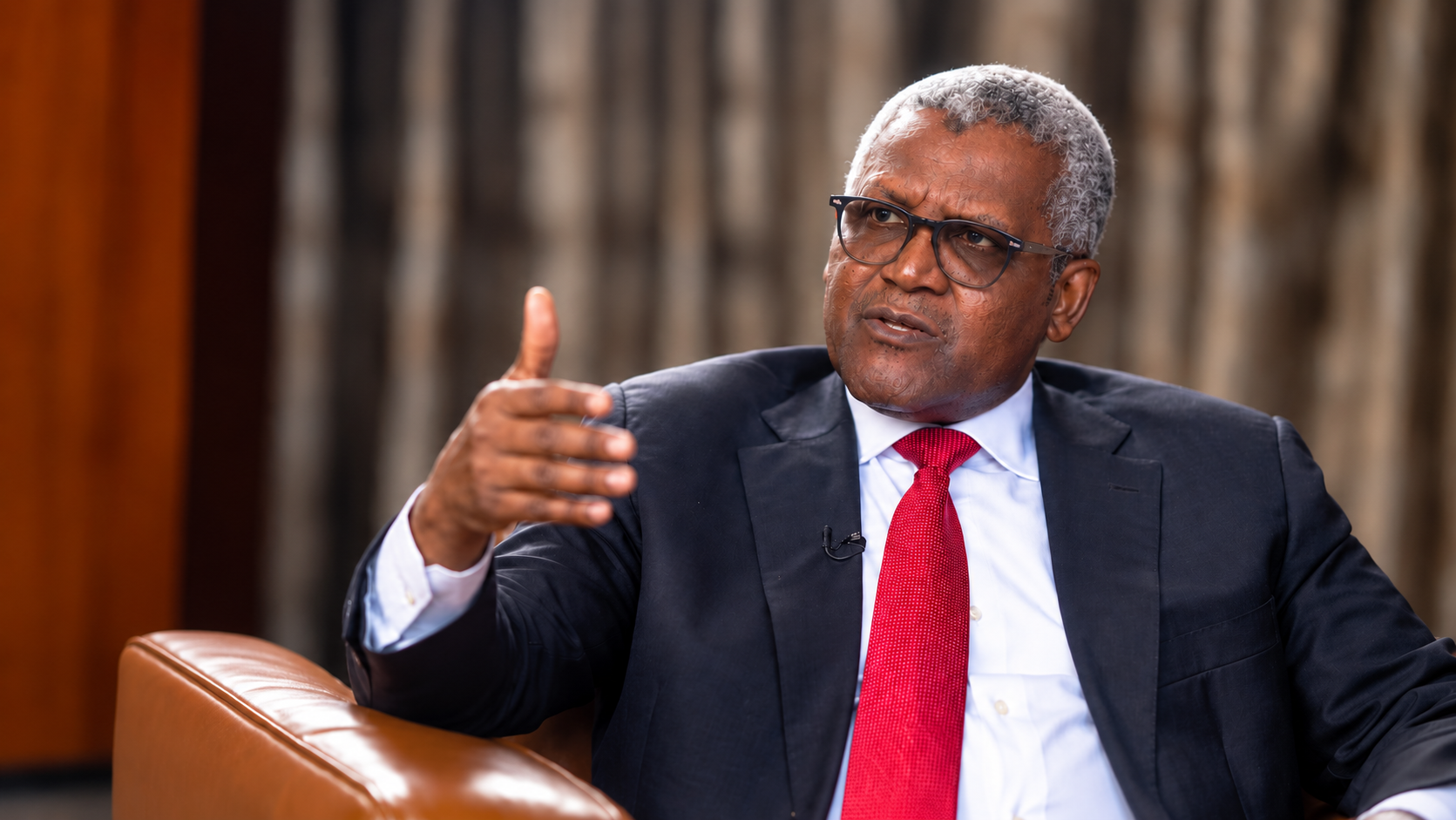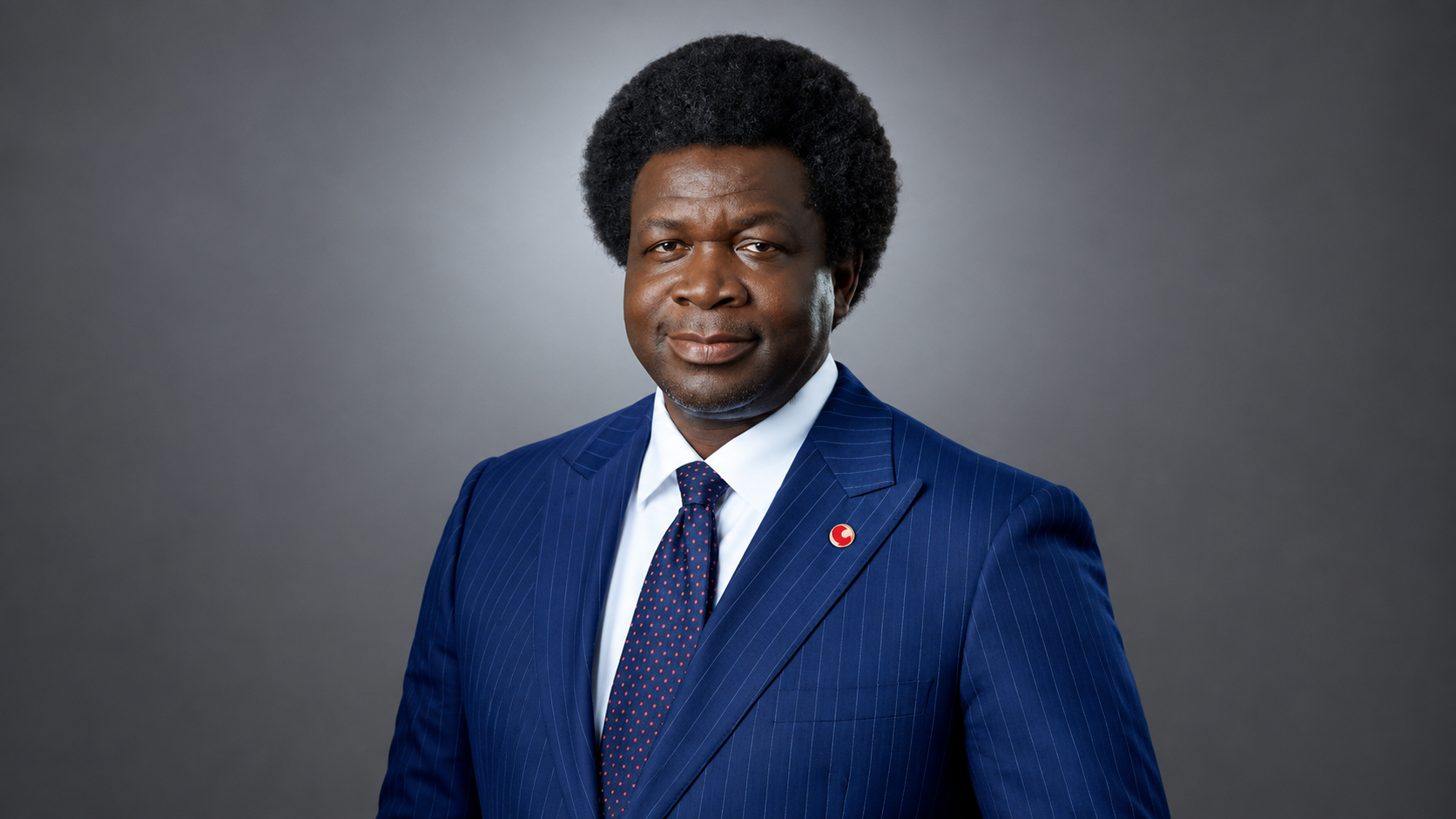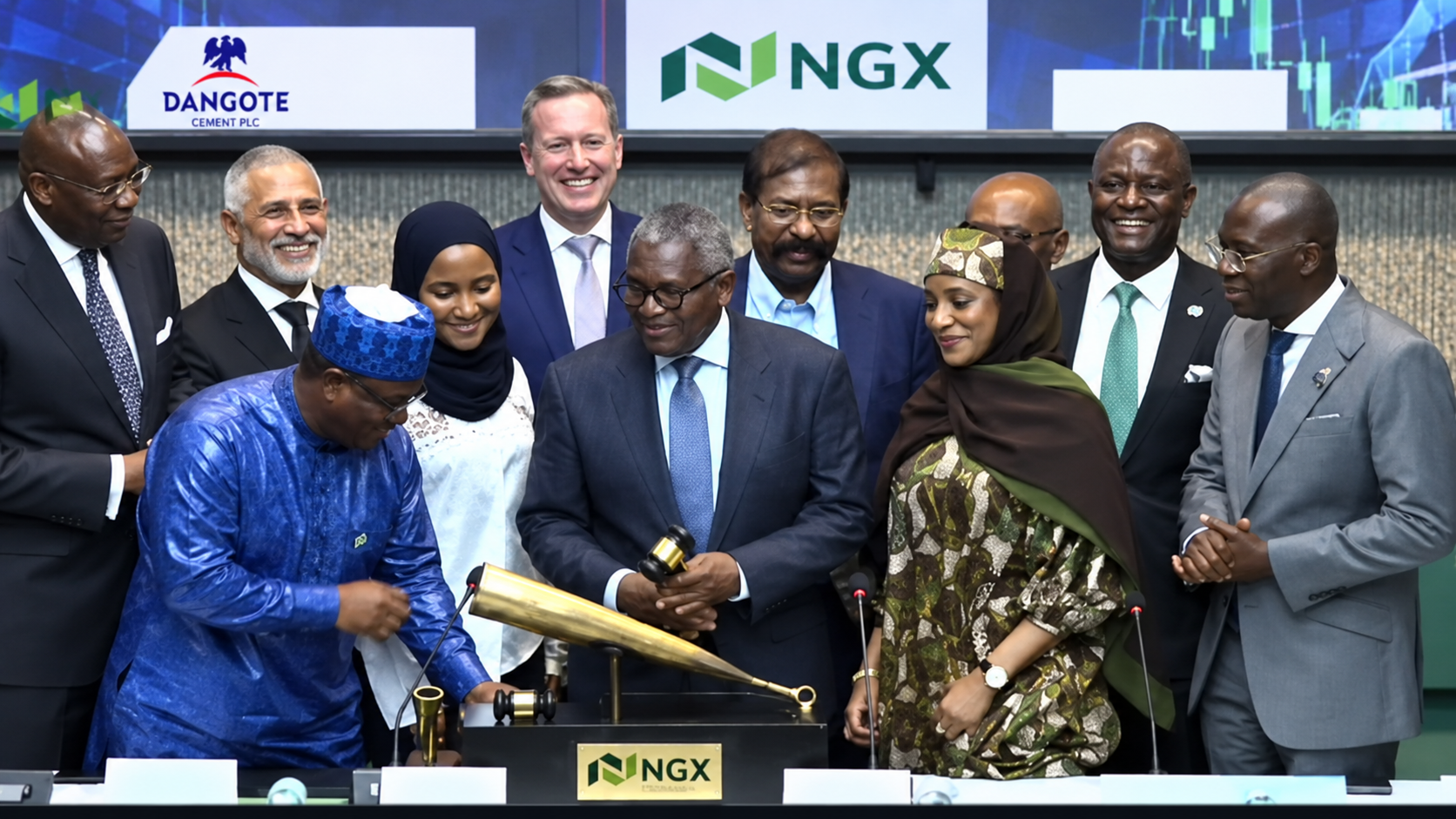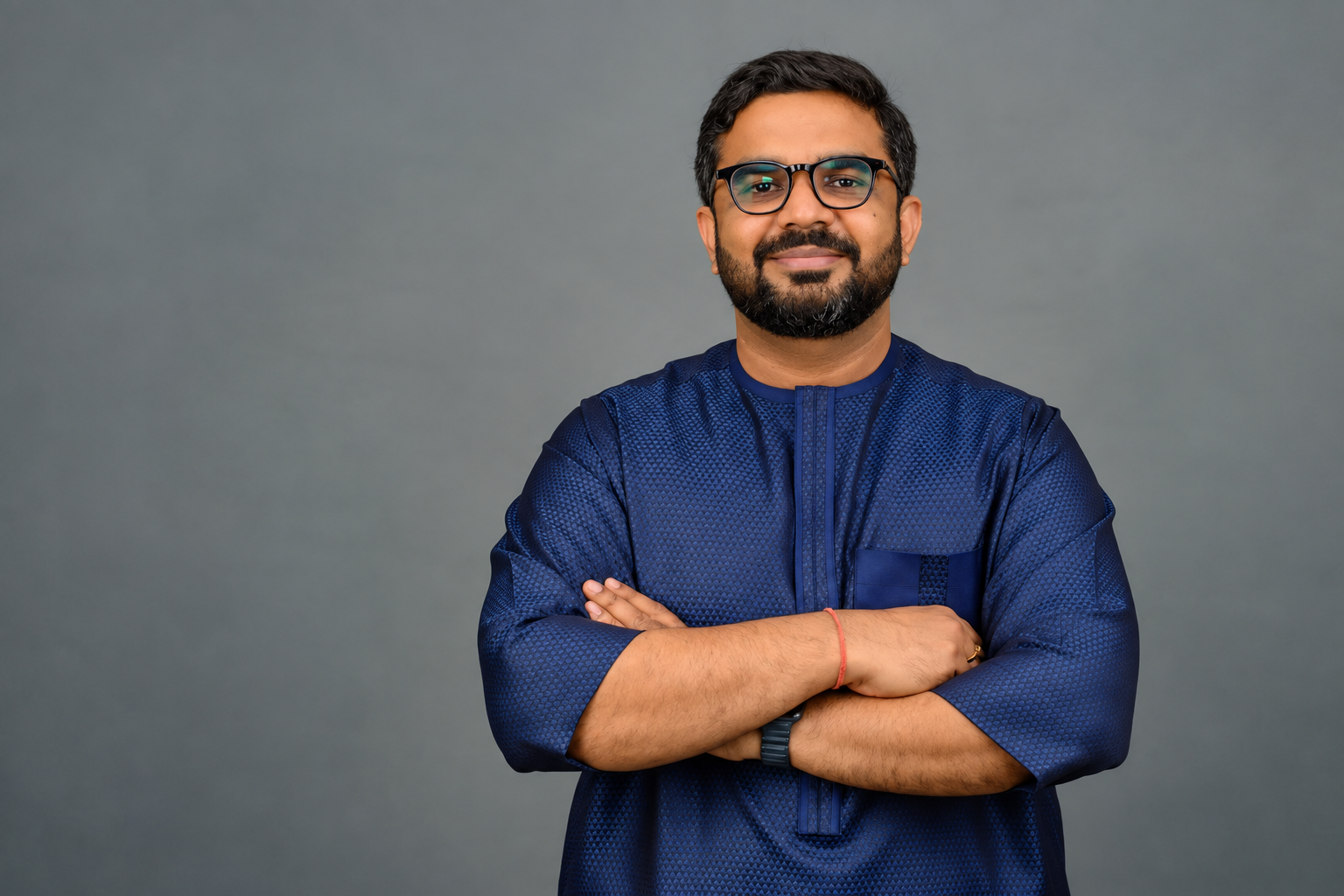
There are careers measured by titles, and there are lives measured by the institutions, people and communities they influence. The story of Otunba Bimbola Ashiru belongs firmly in the latter category.
Born in Ijebu Ode into the illustrious Ashiru family, the son of the late Pa Simeon Adeyemi Ashiru, a distinguished Ijebu statesman, and Omo’ba (Princess) Moradeun Ashiru, of the Fidipote royal family of Ijebu Ode and the ruling house of Owu Ijebu, Ashiru has built a career spanning banking, public service, corporate governance and investment. From entering the banking industry in 1989 to becoming a senior banking executive, serving two terms as Commissioner for Commerce and Industry in Ogun State and later becoming Group Chairman of Odu’a Investment Company Limited, the conglomerate jointly owned by the six South West states, his trajectory has been characterised by responsibility, institutional thinking and a strong belief in the power of a good name.
But long before the boardrooms and public offices, there was the family. Ashiru grew up as the 57th child in a family of roughly 100 children and the fifth of six children from his mother. By conventional standards, such a household could easily have been defined by competition and distance. Instead, Ashiru remembers his upbringing as one marked by unity, friendship and a strong sense of family. The family, which spanned three generations, maintained close relationships and continues to gather for its annual December 31 reunion.
YOU CAN ALSO READ: New Online Marketplace, Havyn, Launches in Nigeria
At the heart of that upbringing was his father’s philosophy. His father taught his children never to enter any room with an inferiority complex and impressed upon them the importance of protecting the family name. “My father used to tell me that your name is the only inheritance you can’t afford to waste.”
That lesson would become one of the defining principles of Ashiru’s life. The Yoruba saying, “Orúkọ rere sàn ju wúrà àti fàdákà lọ,” meaning that a good name is better than gold and silver, would later become particularly relevant to a career built around trust, leadership and institutional responsibility.
Ashiru’s formal education began in Ijebu Ode, where he attended Adeola Odutola College between 1974 and 1979. He subsequently obtained a Higher National Diploma in Marketing, Purchasing and Supply before advancing his education at Ogun State University, now Olabisi Onabanjo University, where he earned a Master of Business Administration in Strategic Management.
Yet, beyond academic qualifications, Ashiru considers his family to have been his first leadership school. His parents and much older siblings, some of whom were between 20 and 30 years older than him, served as early mentors. “Growing up around older people helped shape my life. It modelled me in a way that made me understand the realities of life.”
Those early lessons helped shape his understanding of discipline, personal responsibility and the importance of making sound choices.
In September 1989, Ashiru walked into the banking industry, joining the then Chartered Bank as one of five new recruits. It was the beginning of a banking career that would span more than two decades and expose him to different aspects of financial services and institutional management.
He was involved in pioneering the bank’s private banking unit under the guidance of his mentor and subsequently rose through several senior positions, including Branch Manager, Head of Institutional and Professional Banking, Regional Coordinator and Country Director for Personal and Business Banking. At Stanbic IBTC Bank, he became the pioneer Group Head of Public Sector and also served as Director of Corporate Affairs and Corporate Social Investments.
The banking years gave him more than professional experience. They gave him a philosophy of management. “Banking taught me the discipline of systems and that the smallest lapse in judgment can undo years of work.”
That understanding of systems would later become central to his approach to public service and corporate governance.
In 2011, Ashiru moved from the private sector into public service following his appointment as Commissioner for Commerce and Industry, Ogun State. He served two terms, during a period in which Ogun State strengthened its position as one of Nigeria’s major investment destinations.
According to the record of his tenure, internally generated revenue increased by more than 1,279 per cent, while more than 300 factories and companies established a presence in the state. Cumulative investment rose from ₦377 billion in 2013 to about ₦691.77 billion in 2014, placing Ogun State first nationally at the time.
His tenure also coincided with a significant improvement in Ogun State’s position in the World Bank’s Doing Business in Nigeria assessment, with the state moving from 36th position to among the five best performing states for ease of doing business. Under his watch, the ministry also facilitated the establishment of a One Stop Shop Investment Centre designed to make it easier and faster for investors to navigate government processes.
But for Ashiru, public office was never supposed to be about statistics alone. “I wanted the government to work with the same seriousness as business. Policy only makes sense when people can feel the impact in their daily lives.”
It was an approach that reflected the discipline he had acquired in banking: build systems, remove unnecessary barriers and ensure that institutions deliver results.
On June 22, 2022, Ashiru was appointed Group Chairman of Odu’a Investment Company Limited, the nearly 50 year old conglomerate owned by the six South Western states. His four year tenure at Odu’a became another important chapter in his institutional leadership journey.
During his chairmanship, the company signed and handed over the licence for the BITA Marginal Field, redeveloped the Premier Hotel and Lagos Airport Hotel, established the South West Agriculture Company and strengthened its financial standing, with its Agusto & Co credit rating rising from A to Aa minus on a stable outlook. The company also paid more than ₦1.3 billion in dividends to its six owner states over three years.
Beyond financial performance, Odu’a Investment Foundation extended digital literacy training to hundreds of pupils and teachers. For Ashiru, however, the most important ingredient behind institutional success is governance. “If you get governance right, every other thing begins to fall into place.”
In 2026, after four years at the helm, he handed over the chairmanship of Odu’a Investment Company Limited to Dr Tola Kasali. The transition underscored another element of his leadership philosophy: institutions must be bigger than the individuals who lead them.
Ashiru’s influence extends beyond Odu’a. He chairs Blackcod Asset Management Group, serves as Group Director of OGC Foods and Beverages Limited, operators of Lasena Water, and sits on the Advisory Board of the Africa Private Sector Summit, where he was subsequently named Deputy Regional Chair for West Africa.
He is a Fellow of several professional institutions, including the Chartered Institute of Bankers of Nigeria, the Institute of Strategic Management of Nigeria, the National Institute of Marketing of Nigeria and the Chartered Institute of Commerce of Nigeria. His professional development has also taken him to Harvard Business School and the Global Leadership Centre in Johannesburg.
But beyond the organisations and qualifications is a recurring theme in Ashiru’s public engagements: leadership must be rooted in integrity, teamwork, communication and institutional discipline. Through platforms including the Duke’s Masterclass, he has advocated for a leadership culture in Nigeria in which political leaders provide direction while professionals are allowed to manage institutions effectively.
His experience at Odu’a has provided a practical example of this philosophy. “Leadership is not about building a personal empire or seeking public praise. It is about serving people. It is about creating value.”
Ashiru’s contribution to Ijebuland and Nigeria has also attracted significant recognition. In 2006, the late His Royal Majesty Oba (Dr) Sikiru Kayode Adetona, CFR, the Awujale and Paramount Ruler of Ijebuland, conferred on him the royal title of Otunba Adeona Fusigboye of Ijebuland.
His public service years brought further recognition. In 2014, he received an Excellence Award as Most Proactive Commissioner from the Financial Institutions Businessmen and Businesswomen Association of Nigeria. He also received recognition from the Manufacturers Association of Nigeria and the Centre for Values in Leadership.
His professional standing has continued to attract recognition, including an honorary fellowship of the Nigerian Institution of Mechanical Engineers, conferred in late 2025 in recognition of his advocacy for technological advancement and industrial growth. He was also recognised at the Peak Performer Awards, where his leadership of Odu’a Investment Company earned him the Board Chair of the Year Award for 2025.
Yet, for Ashiru, recognition is ultimately tied to reputation. “If you don’t have a good reputation, nobody wants to deal with you. Integrity remains the bedrock of leadership.”
It is perhaps the clearest connection between the young boy growing up in a large Ijebu family and the corporate leader who would eventually sit at the head of one of the South West’s most significant investment institutions.
For young Nigerians, particularly those in the South West, Ashiru’s message is remarkably consistent with the lessons he received from his father. Do not enter a room feeling inferior. Build your own name. Do not rely solely on privilege or inheritance. And wherever you find yourself, treat the institution as though it belongs to you.
YOU CAN ALSO READ: Aliko Dangote: Building Africa’s Industrial Future
His philosophy is captured in another of his reflections: “You can’t choose when to give your best. Once excellence becomes part of you, it shows everywhere in how you work, how you lead, even how you live.”
The journey of Otunba Bimbola Ashiru is ultimately a story about continuity. It is the story of a young man raised in a household of about 100 children who was taught that his greatest inheritance was not material wealth but the responsibility to protect his name.
It is the story of a banker who learnt the value of systems, a public servant who sought to make government work with the seriousness of business, and a corporate leader who placed governance at the centre of institutional transformation.
From the family home in Ijebu Ode to the banking halls of Lagos, the corridors of Ogun State Government and the boardroom of Odu’a Investment Company, the same philosophy appears to have travelled with him: build with integrity, serve with excellence and leave the institution stronger than you found it.
For Ashiru, titles may change, offices may change and leadership positions may change. But the name remains.
And perhaps that is why, more than three decades after he first walked into a banking hall, his most enduring legacy may not be any single position he has occupied, but the reputation he has built while occupying them.