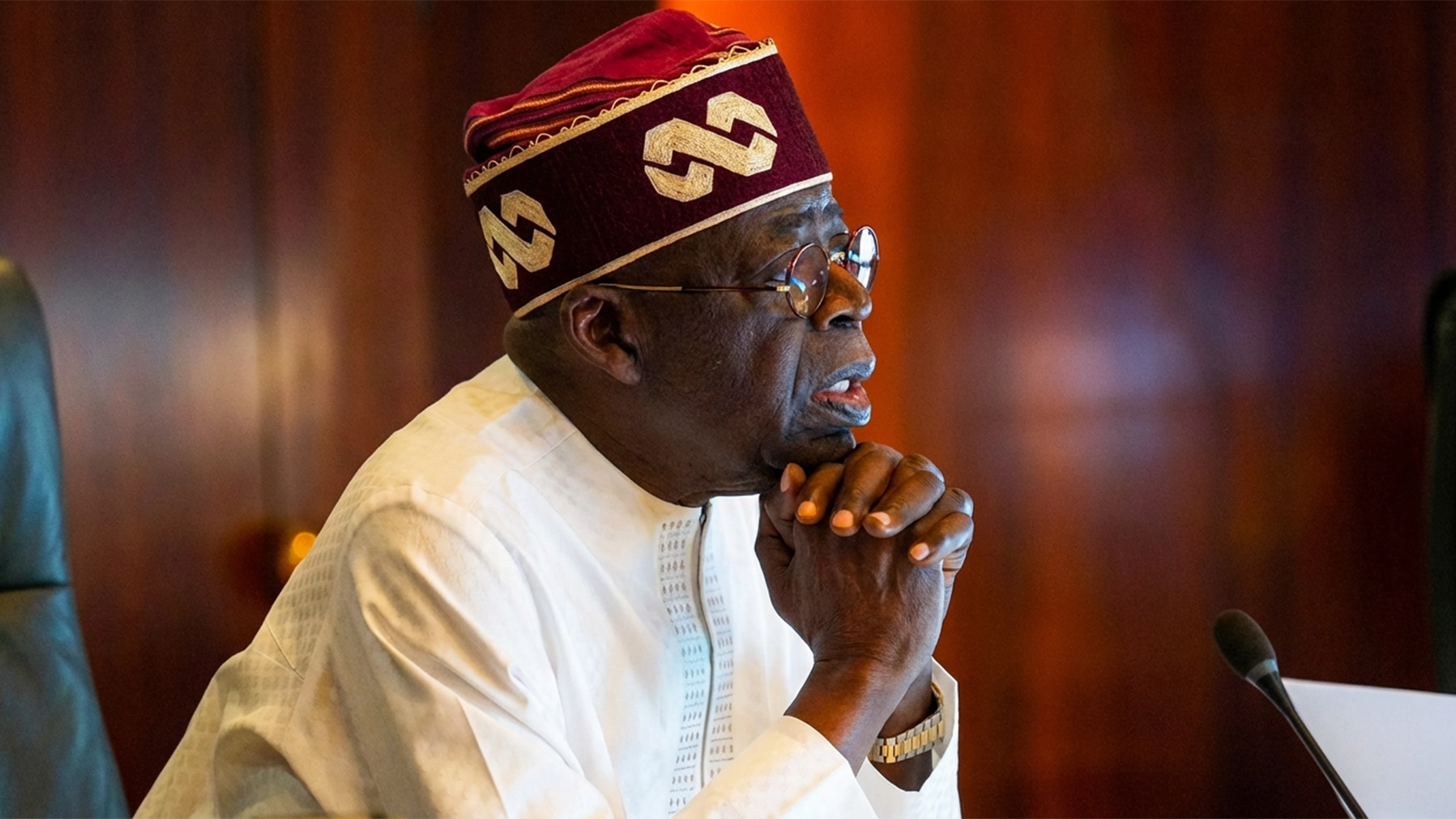
At a time when many leaders across emerging economies are under pressure to slow reforms and ease political discomfort, President Bola Ahmed Tinubu arrived at the Africa CEO Forum with a different message: difficult choices are often the price of national renewal. Speaking before business leaders, investors, policymakers, and global executives, Tinubu offered one of his strongest defenses yet of the economic reforms that have shaped his administration, presenting hardship not as policy failure but as a necessary path toward long term stability.
His central argument was straightforward: Nigeria could no longer sustain the illusion of economic comfort built on fragile foundations. For years, fuel subsidies remained one of the country’s most contentious policies. While supporters viewed them as relief for citizens, reform advocates argued they encouraged corruption, smuggling, and fiscal waste. Tinubu made his position clear. Continuing the old system, he argued, meant borrowing against the future and sacrificing generations yet unborn.
YOU CAN ALSO READ: Talent Deficit Threatening Africa’s Economic Prosperity – And Its Way Forward
He painted the picture of a country under severe economic strain, where state governments struggled to pay salaries and public finances faced mounting pressure. Reform, from his perspective, was not simply a policy preference; it was a necessity. To explain the pain surrounding these changes, he reached for a human analogy: childbirth. Labor may be painful, he argued, but the joy that follows makes the sacrifice worthwhile. The message was clear: temporary discomfort can be the price of lasting prosperity.
The discussion also revealed another pillar of Tinubu’s economic philosophy: taxation as a tool for nation building. While taxes remain unpopular, he argued that development cannot happen without resources. Roads, hospitals, education systems, social welfare, and national preparedness all require sustainable funding. For Tinubu, taxation is not just about revenue generation; it is about building state capacity and strengthening citizenship.
Beyond economics, Tinubu offered insight into his approach to leadership. Asked what he would prioritize if given another term, his response was simple: more work. He described transformative leadership as the ability to make difficult decisions at the right moment, regardless of political backlash. He acknowledged the criticism and resistance his reforms generated but suggested that leaders must remain focused even amid public pressure.
According to him, there are now early signs of progress. He pointed to a more predictable economic environment, a more stable naira, educational support initiatives, and interventions targeted at vulnerable households. Whether critics agree or not, the broader message from his administration appears to be that the most difficult phase of reform may eventually give way to broader gains.
The President also outlined his evolving philosophy around industrial policy and private sector growth. Rather than framing the debate as one of choosing between citizens and large businesses, Tinubu emphasized support. Governments, he argued, must create conditions that enable businesses to invest, grow, and create jobs.
That thinking appears visible in major infrastructure projects and local production initiatives. He highlighted the coastal highway project and the use of locally produced materials such as cement and steel as part of a broader “Nigeria First” strategy aimed at deepening domestic value chains. The same approach informed his comments on large industrial investments such as the Dangote refinery, which he described as deserving government support rather than bureaucratic obstacles.
Tinubu also used the platform to speak about national unity and inclusion. Discussing infrastructure expansion toward historically underserved regions, he framed development as a tool for strengthening national cohesion. Nigerians, he argued, do not choose where they are born and therefore share a collective responsibility to build the country together.
That message extended to Nigeria’s place within Africa. At a time of growing geopolitical uncertainty and security concerns across West Africa, Tinubu reaffirmed Nigeria’s commitment to pragmatic partnerships. No country, he noted, can thrive in isolation. Regional cooperation, international alliances, and security partnerships remain essential in an increasingly interconnected world.
YOU CAN ALSO READ: Fidelity Bank Joins N1trn Liquidity Club
Perhaps nowhere was his confidence more evident than in his description of Nigeria’s role on the continent. Nigeria, he said, remains Africa’s “big brother,” a country expected not just to participate in conversations but to help shape them. The statement reflected a broader ambition to stabilize Nigeria at home while restoring its economic and diplomatic influence abroad.
By the end of the session, what emerged was more than a discussion about subsidy removal or taxation. It was an attempt to define a governing philosophy. Tinubu’s message at the Africa CEO Forum was not that reform is painless. It was that difficult choices are unavoidable, and for a country often accused of delaying hard decisions, progress may begin with embracing discomfort.