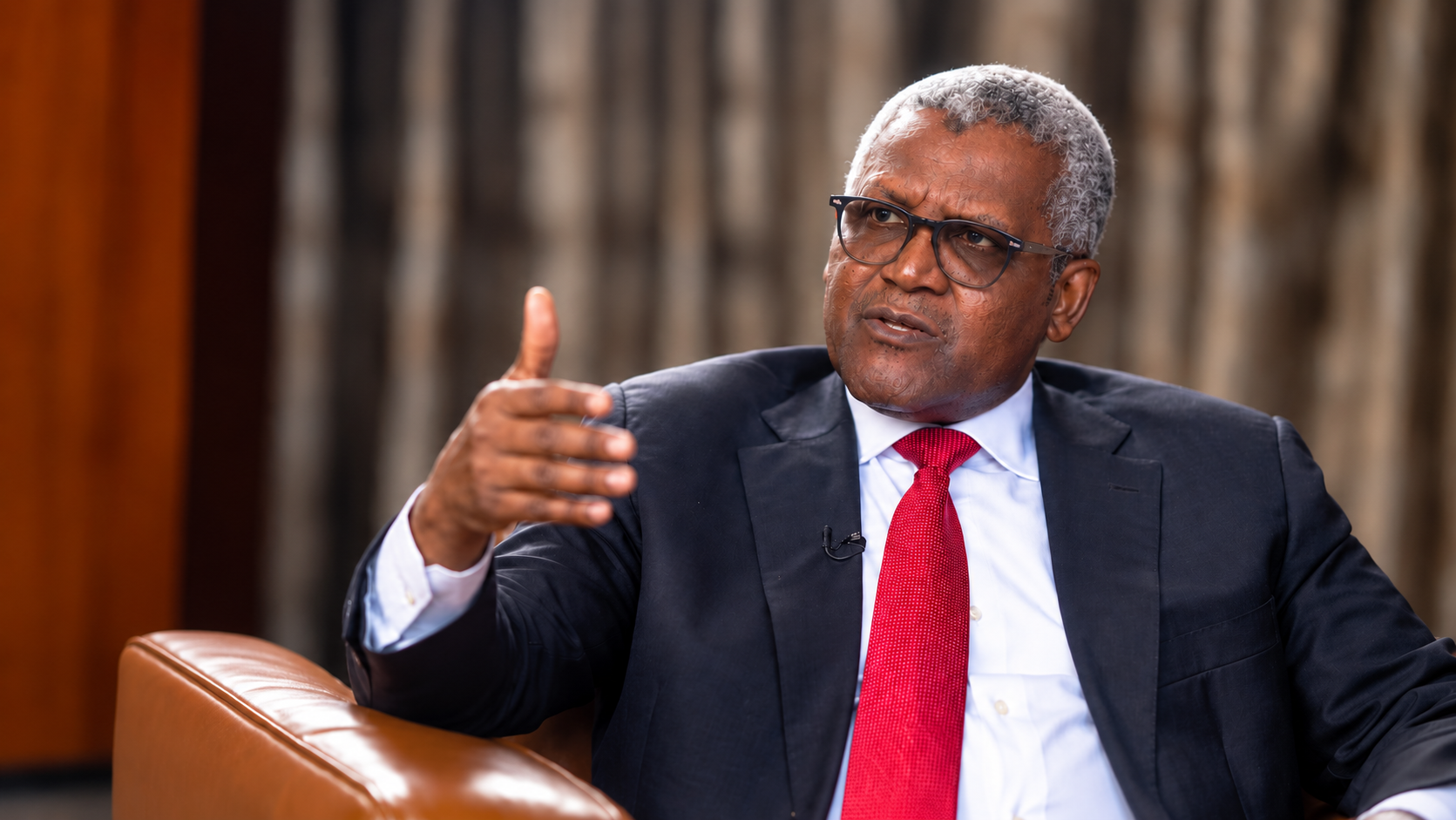
In a world obsessed with instant gratification, award-winning actor and producer David Oyelowo offered a profoundly refreshing perspective on success, wealth and personal fulfilment. During an engaging conversation that blended humour, vulnerability and wisdom, Oyelowo revealed that one of the greatest lessons that transformed his life had nothing to do with Hollywood, fame or awards. It was a simple but powerful principle: get out of debt.
For Oyelowo, financial freedom is not merely about accumulating wealth; it is about creating the mental space required to make strategic decisions. He recalled advice inspired by media icon Oprah Winfrey, who described debt as a force that traps individuals in an endless cycle of survival. According to him, debt keeps people firmly planted in the rat race, forcing them into a life of constant reaction rather than deliberate action. However, the moment one becomes debt-free, perspective changes entirely. It is akin to rising 30,000 feet above the ground where everything slows down, allowing life to be approached with clarity and purpose.
He emphasised that true scaling, whether in business, career or personal life, is almost impossible when one is overwhelmed by financial obligations. The pressure of car payments, mortgages and numerous debts often robs people of the opportunity to think long term. Rather than dismissing this advice as something reserved for the wealthy, Oyelowo insisted that disciplined living and intentional sacrifice are available to everyone.
YOU CAN ALSO READ: Festus Keyamo and the New Flight Path to Africa’s Economic Future
With characteristic humour, he dissected the concept of mortgages, highlighting the French root word “mort,” meaning death. He jokingly referred to mortgages as “death payments,” explaining that society has normalised a system designed to keep people paying for decades. Escaping that cycle, he argued, is one of the greatest acts of financial liberation a person can achieve.
The actor revealed that he personally embraced a season of sacrifice, choosing temporary discomfort to attain long-term freedom. He lived below his means, denied himself certain luxuries and committed resources toward eliminating debt. The experience, he said, culminated in one of the most satisfying moments of his life: paying off his mortgage.
That moment, according to him, delivered an indescribable sense of relief and empowerment. It shattered the widespread misconception that financial freedom is a privilege reserved only for the wealthy. Instead, he presented it as an achievable goal for anyone willing to exercise discipline and make intentional choices.
Beyond finances, Oyelowo also offered rare insights into the demanding world of acting and the emotional toll that comes with portraying historical figures. Reflecting on his acclaimed performance as Martin Luther King Jr. in Selma, he explained that embodying such a powerful personality requires a complete immersion that can temporarily blur the boundaries between actor and character.
Yet he was careful to note that he intentionally leaves those roles behind once filming ends. As a husband, father and friend, maintaining his own identity is essential to living a balanced life. Carrying a historical figure home would make it impossible to function authentically in his everyday relationships.
In one of the conversation’s funniest moments, he recounted how deeply he had immersed himself in Dr. King’s persona while filming Selma. During a discussion about household curtains, he unconsciously responded in King’s cadence and mannerisms, prompting his wife to immediately end the conversation. The incident became a humorous reminder of just how consuming transformational acting can be.
The sacrifices extended beyond emotional immersion. Oyelowo revealed that he gained approximately thirty pounds for the role, a physical transformation that lingered long after production ended. His wife, supportive throughout the process, wasted no time reminding him that recovery would now become the next project.
Rather than describing himself as a “method actor,” Oyelowo preferred to see his approach as simply doing whatever a role demands. He explained that different characters require different levels of commitment, and he learned this firsthand while working alongside Academy Award-winning actor Forest Whitaker in The Last King of Scotland.
Watching Whitaker portray Idi Amin taught him that some performances demand complete immersion because stepping in and out of character repeatedly would compromise authenticity. Surrounded by film crews, makeup artists and countless distractions, maintaining emotional access to such a vastly different personality becomes essential.
He witnessed a similar dedication from Daniel Day-Lewis during the filming of Lincoln. Walking onto the set, Oyelowo said, felt like stepping into a time machine because Day-Lewis remained so deeply embedded in the world of Abraham Lincoln.
His experience on Selma carried an even deeper emotional significance. While filming in Atlanta, he encountered individuals who had marched alongside Dr. King during the American Civil Rights Movement. Civil rights icon John Lewis personally observed him delivering speeches, adding immense pressure and responsibility to the performance.
YOU CAN ALSO READ: ‘Nigeria? In Defence?’ How Bami Ogundeyin Is Changing the World’s Perception of Africa
Throughout the conversation, Oyelowo seamlessly blended profound wisdom with infectious humour, demonstrating that success is rarely accidental. Whether discussing debt elimination, family life or artistic excellence, his message remained remarkably consistent: freedom requires sacrifice.
His story ultimately served as a powerful reminder that true wealth extends far beyond money. It is the ability to make intentional decisions, protect one’s peace, invest in meaningful relationships and pursue excellence without being chained to unnecessary burdens.
For David Oyelowo, liberation begins long before fame or fortune arrives. It starts with discipline, sacrifice and the courage to build a life that prioritises purpose over pressure.