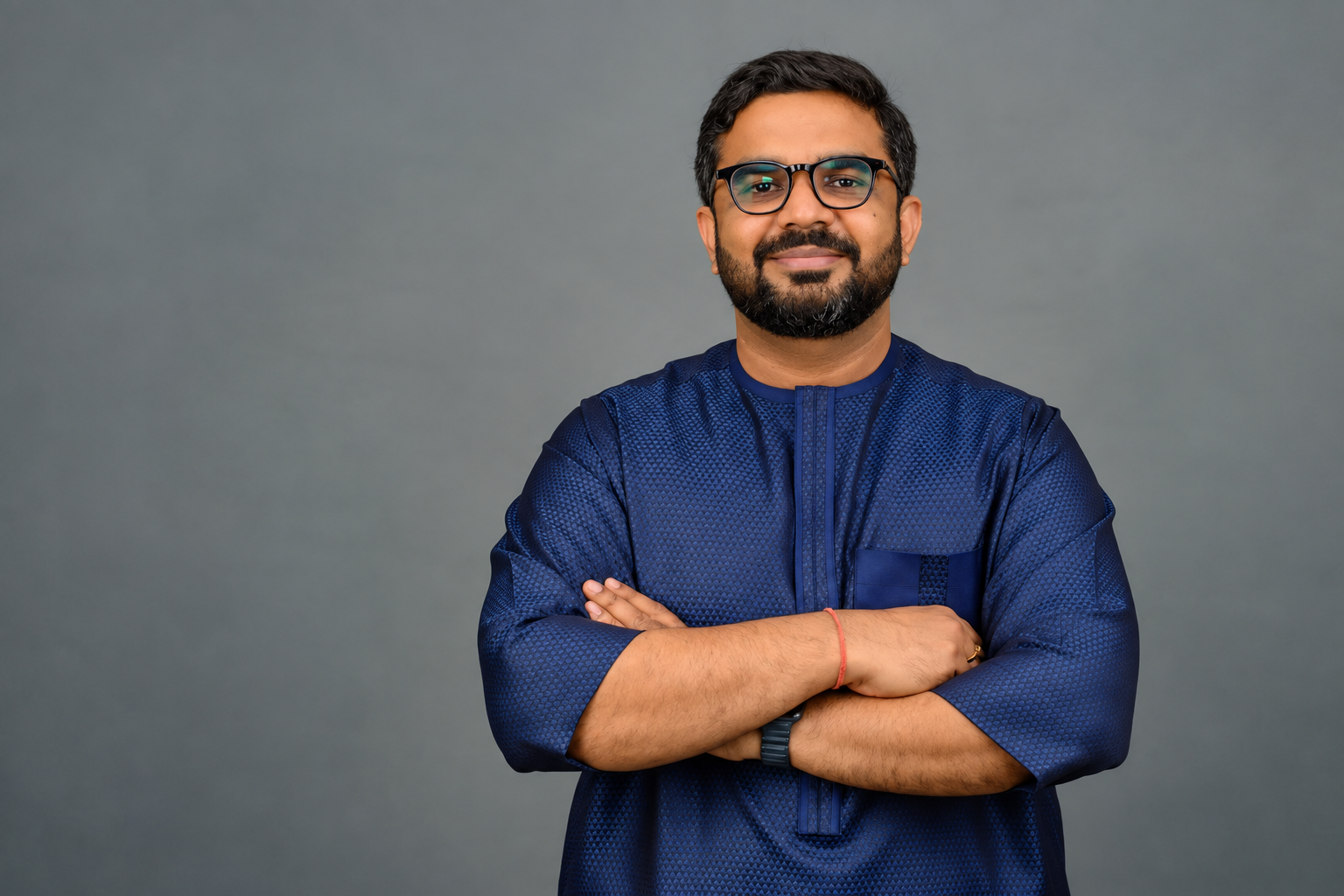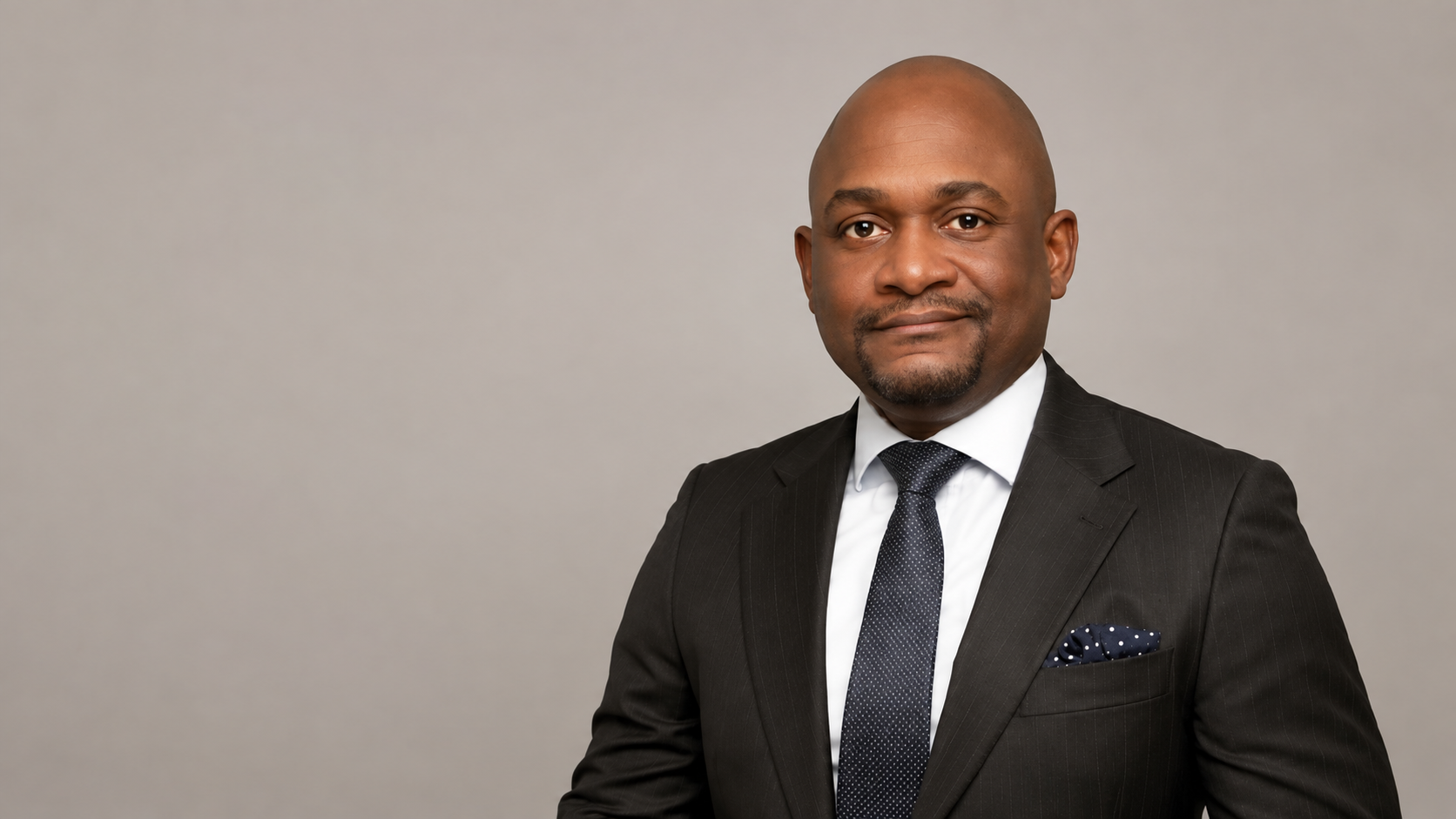
For decades, the global defence industry had been dominated by a handful of countries whose names became synonymous with military innovation and technological advancement. The United States, France, Germany, Russia and China were long regarded as the architects of modern defence systems, while Africa remained largely absent from the conversation. Yet, from a quiet town in Ogun State, Nigeria, Bami Ogundeyin was helping to rewrite that narrative.
As Executive Director of Proforce Defence Limited, one of Africa’s leading defence manufacturing companies, Ogundeyin had been spearheading a new era of indigenous innovation that was transforming perceptions about what Nigeria could build and export to the world. Under his leadership, Proforce had evolved into a sophisticated defence technology powerhouse that designed and manufactured armoured vehicles, drone systems, ballistic helmets, bulletproof vests, intelligence solutions and advanced security technologies that met international standards.
His mission, however, extended far beyond manufacturing military equipment. At its core, it was a mission rooted in patriotism, industrialisation and national pride.
Speaking on The Builders Podcast hosted by former Minister of Finance, Kemi Adeosun, Ogundeyin offered a rare glimpse into the philosophy that drove one of Africa’s most remarkable industrial success stories. For him, the ultimate goal had never been to build a successful family business; it had always been about proving that Nigeria could stand shoulder to shoulder with the world’s most advanced economies.
He explained that the ambition was to demonstrate that Nigeria was just as capable as any other nation and that the country could produce the same world-class technologies being manufactured elsewhere.
That conviction became most visible whenever Proforce participated in international defence exhibitions across Dubai, France, Russia and the United States. In many of those exhibitions, Proforce was often the only Nigerian company and, remarkably, the only African company represented among hundreds of global defence players.
The reaction, he recalled, was almost always one of disbelief.
YOU CAN ALSO READ: How Olamide Olowe Turned a $25,000 Dorm Room Investment into a Global Beauty Empire
Visitors frequently stopped in surprise when they saw the Nigerian flag prominently displayed above sophisticated military technologies. They often walked closer, expecting to discover an international brand, only to realise that the drones, armoured personnel carriers, intelligence systems and ballistic equipment before them had been designed and built in Nigeria.
Ogundeyin explained that the Nigerian flag was intentionally displayed everywhere because the company wanted the world to recognise the country behind the innovations.
What often followed was admiration and curiosity. Ambassadors, military attachés, Chiefs of Defence Staff, foreign governments and even representatives of the United Nations had visited Proforce stands, eager to understand how a Nigerian company was producing equipment that rivalled some of the best in the world.
For Ogundeyin, those moments carried deep significance. They represented a changing narrative about Nigeria’s capabilities and signalled the emergence of a new industrial identity for Africa.
Interestingly, his journey into defence had not been part of a carefully orchestrated plan. Raised between Nigeria, the United Kingdom and the Middle East, he initially pursued Mechanical Engineering at Cardiff University because of his fascination with engineering and problem-solving rather than defence technology itself.
Then, one ordinary morning altered the trajectory of his life.
While jogging through the streets of the United Kingdom, he watched a line of employees driving into an engineering company and suddenly envisioned himself trapped in a repetitive cycle of commuting to work, sitting behind a desk and returning home every day. The thought unsettled him profoundly.
That same day, he called his father and made a life-changing decision. Although he did not know exactly what he would do, he knew he wanted to return to Nigeria. That leap of faith eventually placed him at the forefront of one of Africa’s most ambitious industrial enterprises.
Unlike many second-generation business leaders, however, Ogundeyin was not handed a leadership position. He deliberately started at the bottom of the organisation, learning every aspect of the operation and working alongside technicians, engineers and factory personnel. He earned credibility through hard work rather than inheritance.
That work ethic eventually became one of Proforce’s defining characteristics. According to him, the company embraced a culture centred on outworking everyone else.
At Proforce, long hours were not exceptions but part of daily life. Teams regularly worked late into the night to meet project deadlines, and success was celebrated only briefly before attention immediately shifted to the next assignment. The philosophy was simple: momentum could never stop.
Under his leadership, Proforce evolved into a multidimensional defence ecosystem comprising five strategic divisions. The company developed armoured land systems and military vehicles, aerial systems such as drones, personal protective equipment including ballistic helmets and bulletproof vests, intelligence solutions that operated behind the scenes, and satellite technologies capable of monitoring and analysing terrains.
Collectively, these capabilities represented something far more significant than commercial success. They represented national sovereignty.
For decades, African nations had relied heavily on imported defence equipment, often at enormous financial costs. Proforce offered an alternative by providing African-made solutions tailored specifically to African realities.
Ogundeyin explained that the company never benchmarked itself against Nigeria; instead, it measured its performance against international standards.
That distinction proved important because while Proforce adhered to global specifications, it also understood the unique security challenges facing African countries. Every nation had different terrain, operational requirements and budget realities. The company’s ability to adapt its technologies to local circumstances became one of its greatest competitive advantages.
Yet, despite its accomplishments, perception remained one of its greatest challenges.
Ogundeyin observed that if Proforce were a foreign company, many more Nigerians would celebrate its achievements. However, because it was a Nigerian company, people often assumed its standards were lower.
It was a challenge he discussed with a degree of sadness but also determination. Every successful project became an opportunity to dismantle stereotypes and reshape assumptions.
He noted, for instance, that many Nigerians were unaware that Proforce manufactured the Central Bank of Nigeria’s bullion vans. People often assumed such equipment was imported because they struggled to imagine that a Nigerian company could produce technology of that calibre.
But Proforce had done exactly that. Every time soldiers recounted how its vehicles protected lives during dangerous operations, Ogundeyin was reminded why the work mattered.
For him, the greatest reward was never financial gain. It was purpose.
He often spoke passionately about family, legacy and contribution, measuring wealth differently from many people. His wife, child, country and ability to make a meaningful impact ranked higher than any financial metric.
That philosophy had been inherited from his father, entrepreneur Ade Ogundeyin, who built a reputation for identifying opportunities where others saw obstacles. One lesson remained constant throughout his upbringing: never follow the crowd.
The best businesses, he learned, were often found where the greatest challenges existed.
YOU CAN ALSO READ: Smids Inks National Theatre to Nurture Next Generation of African Animators
Today, Bami Ogundeyin was carrying that philosophy into the future, not as someone preserving an inheritance but as someone expanding a national asset.
He remained particularly clear about one thing: Proforce had never been built to serve a single family. It had been built for Nigeria.
Perhaps that was what made his story especially compelling. In an era dominated by instant gratification, viral success and the relentless pursuit of quick wealth, Ogundeyin represented a different kind of leader.
He was not merely building drones, armoured vehicles and defence technologies. He was building belief.
With every international exhibition, every exported vehicle and every Nigerian flag raised among the world’s defence giants, he was quietly proving that Africa could build what the world respected.
And in doing so, he was helping to redefine what Made in Nigeria meant for generations to come.