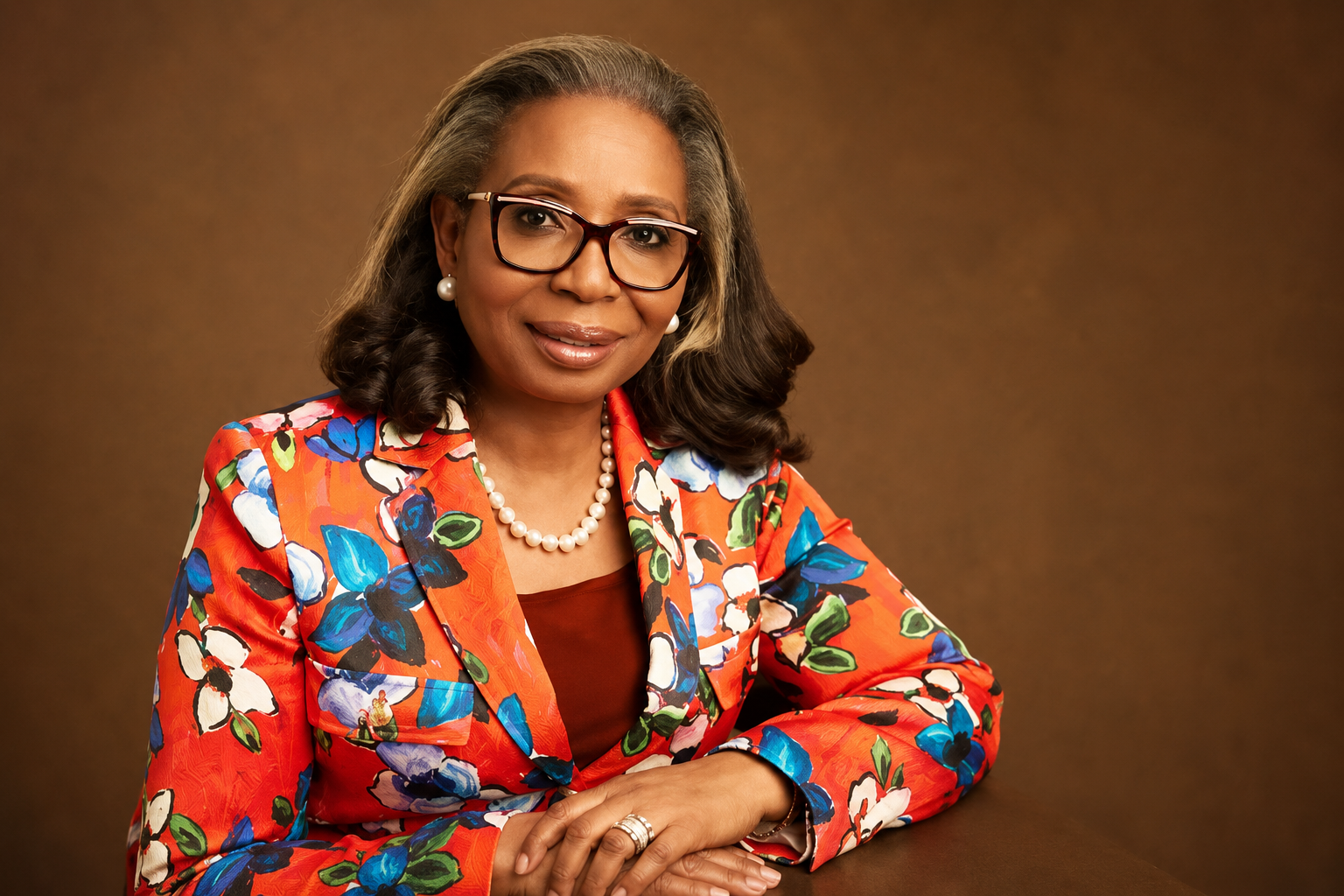
There is a profound difference between selling products overseas and changing how the world perceives Africa. For Ibukun Awosika, entrepreneur, investor, and one of Africa’s most respected business leaders, the mission extends far beyond exports. It is about reshaping the global narrative of African enterprise, one exceptional business at a time.
That vision is the driving force behind the African Marketplace, an international platform designed not merely to showcase African products, but to demonstrate the ingenuity, creativity, and commercial excellence emerging from the continent. For Awosika, participation is not about occupying exhibition space. It is about earning a place on the global stage.
One story from the marketplace perfectly captures that philosophy. Among the exhibitors was a company producing African inspired ice cream and gelato. To many, frozen desserts seemed like an unlikely export product. But the entrepreneurs understood something more important than the product itself. They understood experience.
Rather than simply displaying packaged ice cream, they prepared fresh servings on site, inviting visitors from around the world to taste flavours they had never encountered before. The response was overwhelming. Long before the exhibition ended, they had completely sold out.
“We didn’t even realize they had brought so much stock,” Awosika recalled with a smile. “Then we kept seeing cartons arriving and realized they had come prepared. They were serious.”
The success was not simply about sales. It was about introducing the world to African creativity through flavour.
Another memorable exhibitor, Ansa Rene, approached the marketplace with a similar ambition. Their objective was never to compete with conventional ice cream brands. Instead, they presented gelato infused with authentic African ingredients, inviting international visitors to discover flavours they had never imagined.
“They were not giving you the regular,” Awosika explained. “They introduced what you had never experienced.”
That, she believes, is Africa’s competitive advantage. Rather than imitating products already available in global markets, African entrepreneurs must build businesses around the continent’s unique culture, heritage, ingredients, craftsmanship, and innovation. The challenge is no longer whether the world will appreciate African products. The real question is how businesses can package those distinctly African experiences for international markets.
“That becomes something we can sell to the world,” she said.
Yet Awosika is equally realistic about what it takes to compete internationally. Many small and medium sized enterprises assume that global exhibitions are reserved for large corporations. She disagrees, but she also refuses to lower the standards.
“It’s possible they’re not ready,” she admitted candidly.
Participation in the African Marketplace is not automatic. Every application undergoes a rigorous review to ensure that participating businesses can represent Africa professionally. Even entrepreneurs nominated by sponsoring organizations must meet the platform’s quality expectations because, as Awosika explains, “We want to be sure that everyone at the fair represents Africa right.”
Preparation, she argues, is as important as opportunity. Long before exhibitors travel, they participate in intensive training sessions, webinars, and mentoring programmes covering packaging, pricing, export readiness, customer expectations, branding, and international business practices. Behind every successful exhibition is months of preparation, logistics coordination, and strategic planning.
“We give a lot of information,” Awosika explained. “We bring facilitators. We teach them how to prepare.”
That commitment extends beyond education to presentation. Last year’s African Marketplace was deliberately hosted at Dubai’s prestigious Grand Hyatt, a decision rooted in psychology as much as logistics. Awosika understood that first impressions matter, especially when challenging outdated perceptions about African businesses.
“How people first see you is how they handle and perceive you,” she observed.
By choosing a world class venue and creating an elegant marketplace experience, the organizers ensured that visitors encountered African brands in an environment reflecting quality, excellence, and confidence rather than outdated stereotypes.
The impact reached far beyond international buyers. Unexpectedly, one of the platform’s most passionate supporters became the African diaspora living in Dubai. Young Nigerians and other Africans volunteered their time, promoted exhibitors, created content, and became enthusiastic ambassadors for the event.
“They were so proud,” Awosika recalled. “That was something we didn’t calculate.”
For many in the diaspora, the marketplace became more than a commercial event. It became a celebration of identity, proving that African entrepreneurs could compete confidently on one of the world’s biggest business stages.
As preparations begin for the 2026 African Marketplace, Awosika is encouraging entrepreneurs to act early. Registration remains open, with organizers supporting exhibitors through the application and visa processes before the deadlines later in the year. But her invitation extends beyond exhibitors. She is equally calling on corporations, financial institutions, development organizations, and strategic partners to invest in expanding access for more African businesses.
“This is a long play,” she said.
That simple statement perhaps best captures Ibukun Awosika’s philosophy. She is not building an exhibition. She is building an institution designed to prove that Africa’s greatest export is not merely its natural resources, but the ingenuity of its entrepreneurs, the originality of its products, and the confidence to stand shoulder to shoulder with the very best the world has to offer.
In Awosika’s vision, the future of African business will not be measured by how many products leave the continent. It will be measured by how many global consumers actively seek out brands proudly created in Africa because they represent innovation, authenticity, and excellence. That is the marketplace she is building, and the legacy she hopes future generations of African entrepreneurs will inherit.