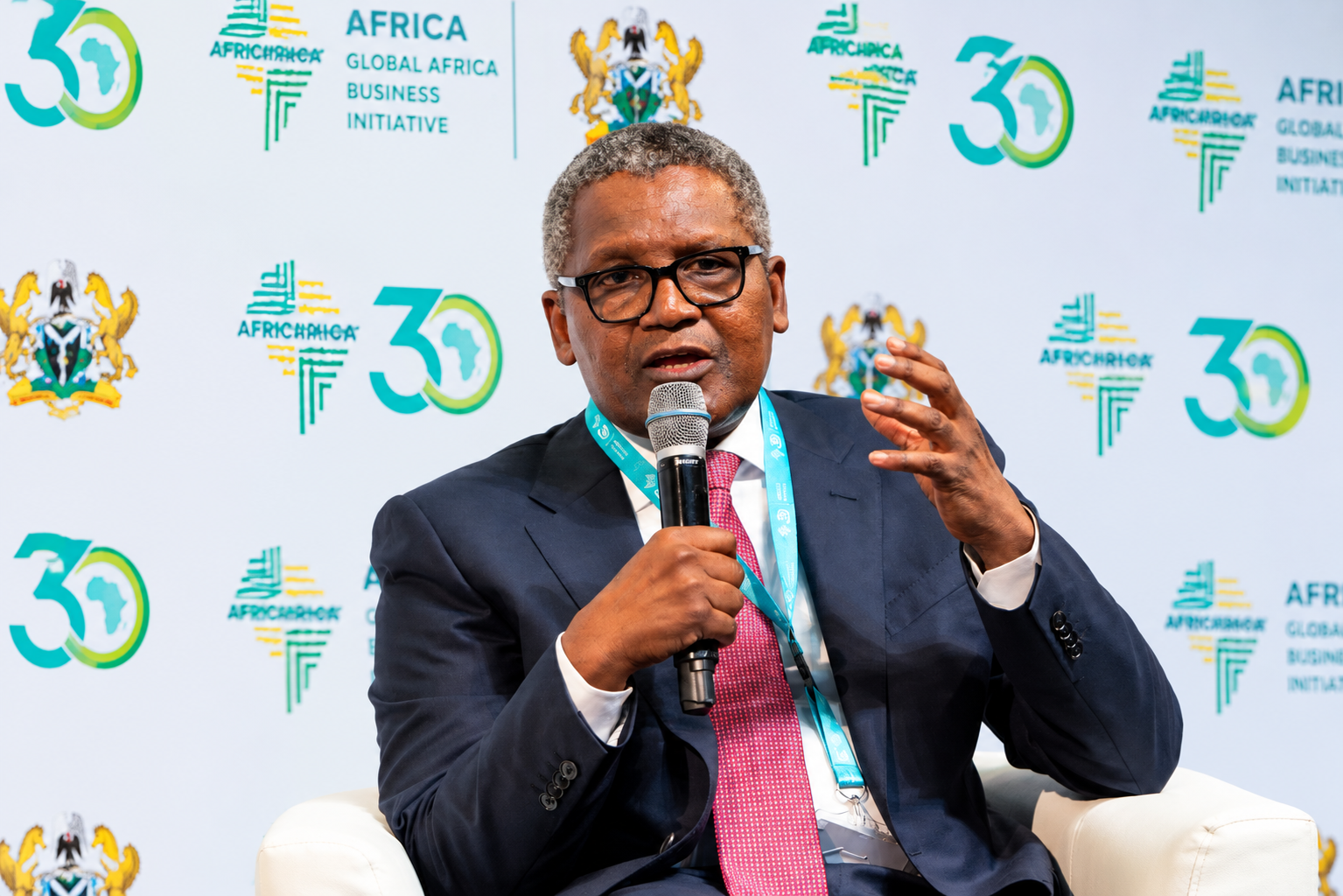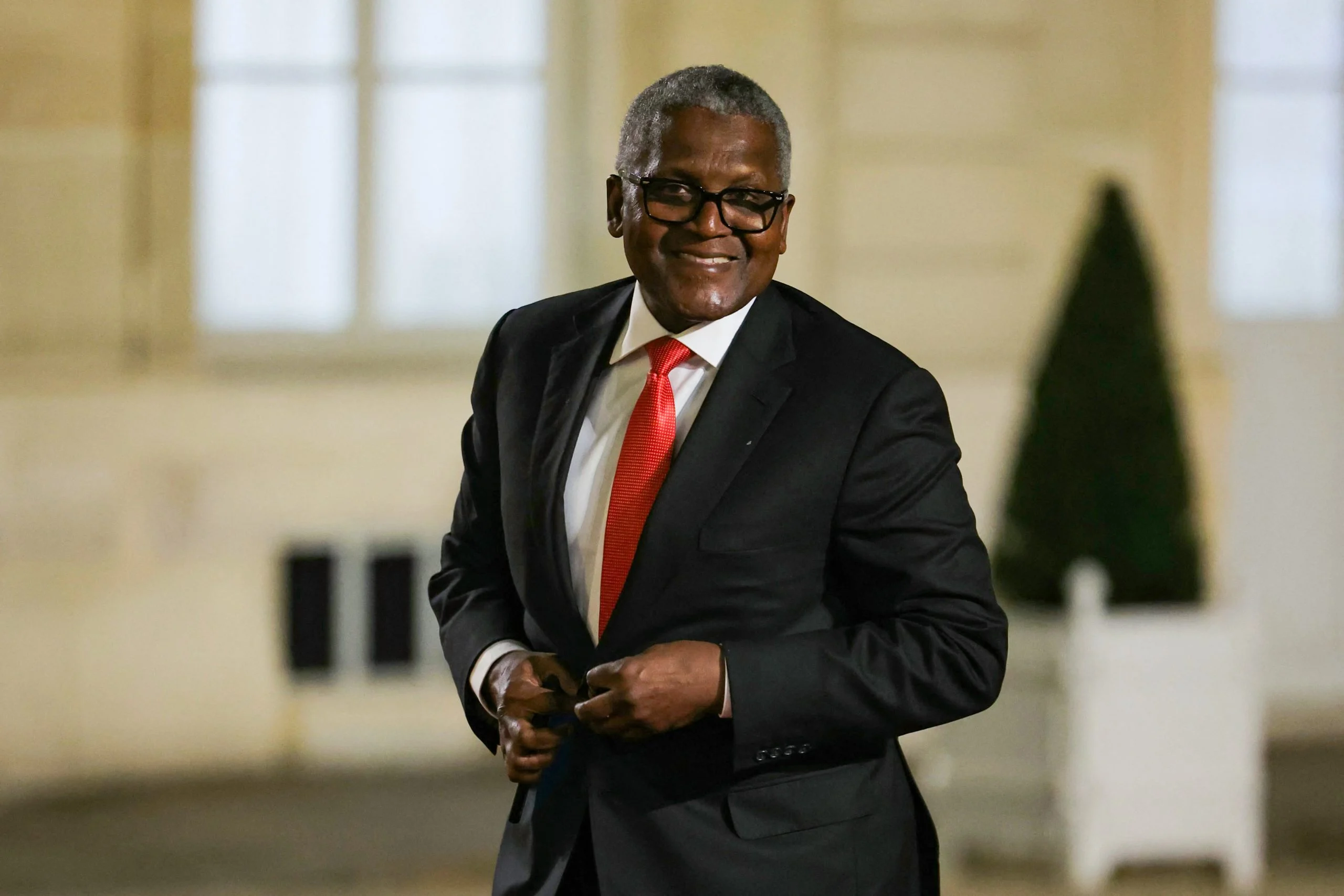
“It’s a crazy situation right now,” says Aliko Dangote, reflecting on the sudden surge in global oil prices following geopolitical tensions in the Gulf. But while global crises often sideline African business leaders, Dangote is operating at a different scale, one that places him firmly at the center of Africa’s industrial future.
In 2023, he delivered one of the continent’s most ambitious infrastructure projects, Africa’s largest refinery, located on the outskirts of Lagos. With the capacity to process 650,000 barrels of crude oil daily, the facility is not just an industrial milestone, it is a strategic asset reshaping energy dynamics across the region. Demand has been immediate and intense. “People are ready to pay anything now,” he says, underscoring the refinery’s relevance in a volatile global market.
But for Dangote, this project is about far more than profit or scale. It represents a bold push toward African self sufficiency. “If we Africans don’t lead in the industrialisation of Africa, Africa will never industrialise,” he insists, a philosophy that underpins his transition from trader to industrialist.
His journey began decades ago in commodity trading, importing sugar, salt, and other essentials into Nigeria. Over time, he pivoted into manufacturing, with cement becoming the foundation of his empire. Today, the Dangote Group, valued at an estimated 28.5 billion dollars and ranked by Forbes among the world’s most powerful business empires, stands as a symbol of what African led industrialisation can achieve.
Yet the refinery surpasses everything that came before it. Built on reclaimed swamp land and supported by its own port infrastructure, the facility is a feat of engineering and ambition. Its towering distillation units rival global landmarks, while its storage capacity and integrated operations from fuel to fertiliser production position it as a multi sector powerhouse.
Its economic impact is equally transformative. According to the International Monetary Fund, the refinery could significantly boost Nigeria’s non oil GDP and strengthen foreign reserves by reducing reliance on imported fuel. In a country long paradoxically dependent on fuel imports despite abundant crude oil, Dangote’s refinery is a potential turning point. “Nigeria would have been at a standstill without it,” he asserts.
Beyond Nigeria, Dangote’s ambitions stretch across the continent. From fertiliser plants in Ethiopia to cement expansion in Southern Africa, his strategy reflects a broader vision, building industrial capacity within Africa, by Africans. He argues that sustainable development cannot rely on external investors alone. “If we don’t invest, nobody will,” he says, drawing parallels with Asia’s self driven economic rise.
This vision has earned him comparisons to Mukesh Ambani, whose Reliance empire transformed India’s energy sector. Yet Dangote’s dominance also raises important questions about competition, concentration of power, and the long term structure of Africa’s industrial landscape.
Critics point to his reliance on foreign technical expertise and past advantages such as government incentives. Dangote, however, dismisses these concerns, emphasizing innovation, scale, and execution as the true drivers of his success.
Looking ahead, his plans remain expansive. He aims to list part of the refinery, expand its capacity significantly, and develop industrial ecosystems powered by its energy output. Across multiple sectors, energy, agriculture, and manufacturing, Dangote is positioning himself not just as a businessman, but as a central architect of Africa’s economic transformation.
As he puts it with characteristic confidence, “When you come back in three years, what you’ve seen today will be three times that.”