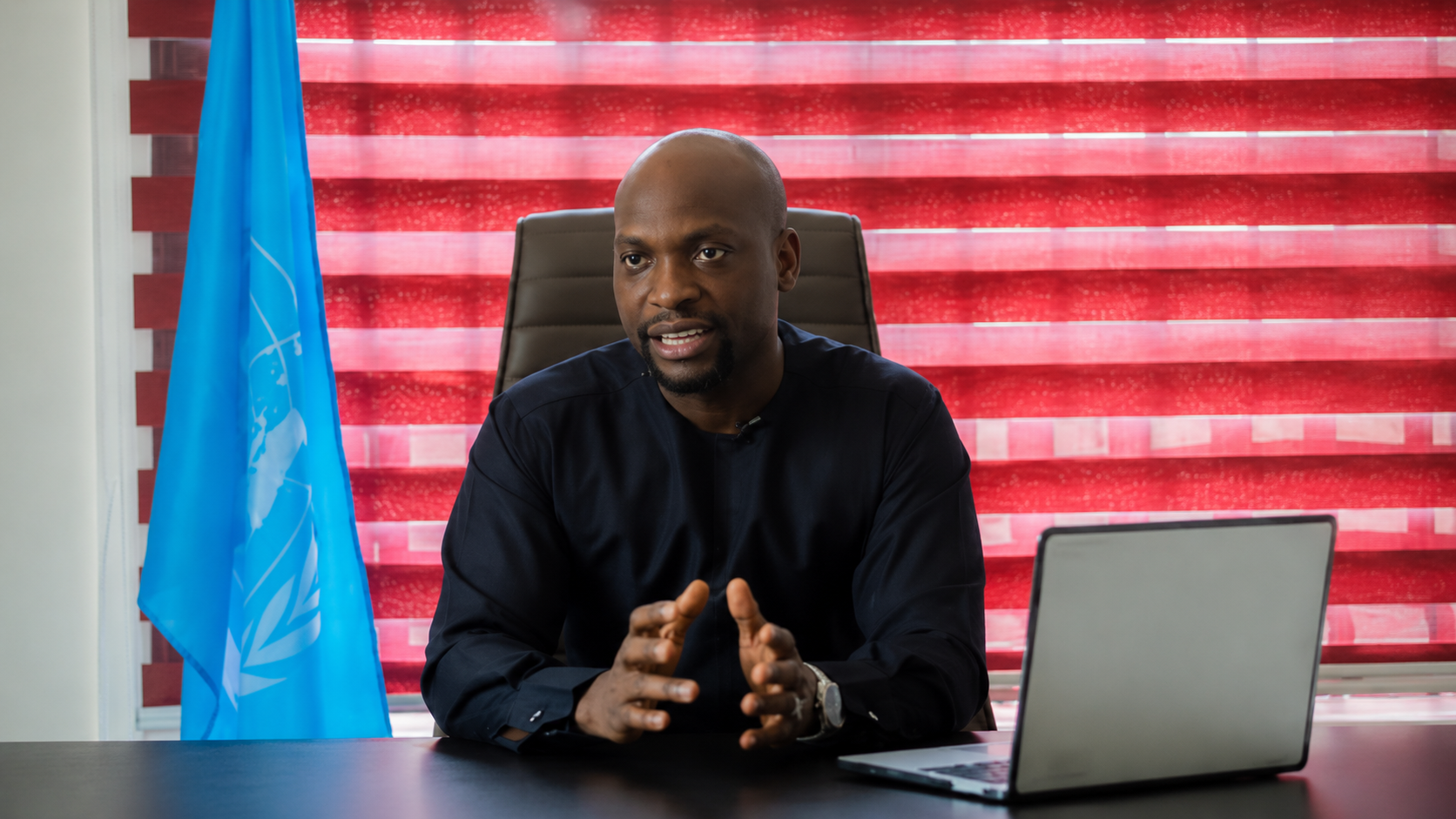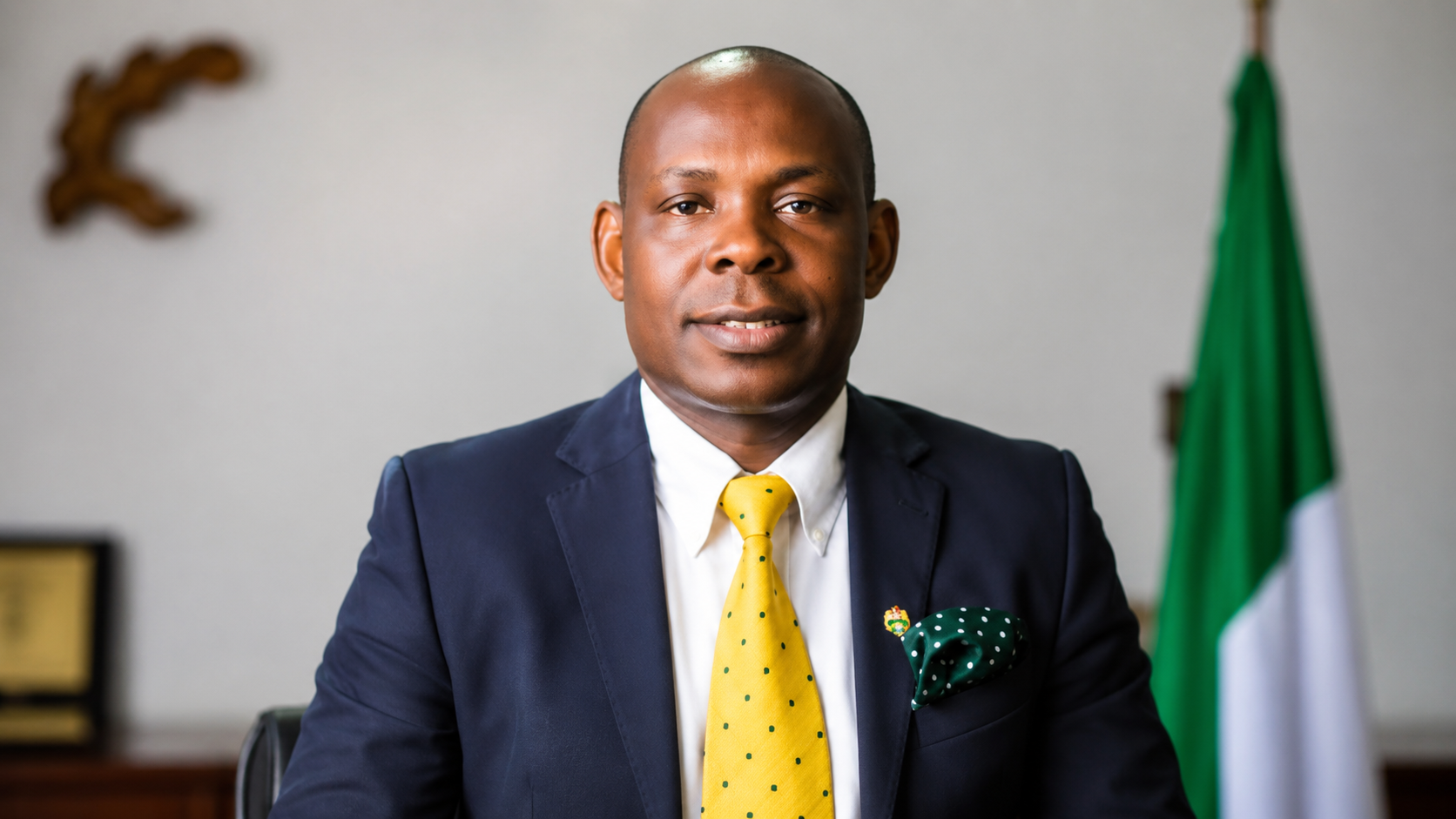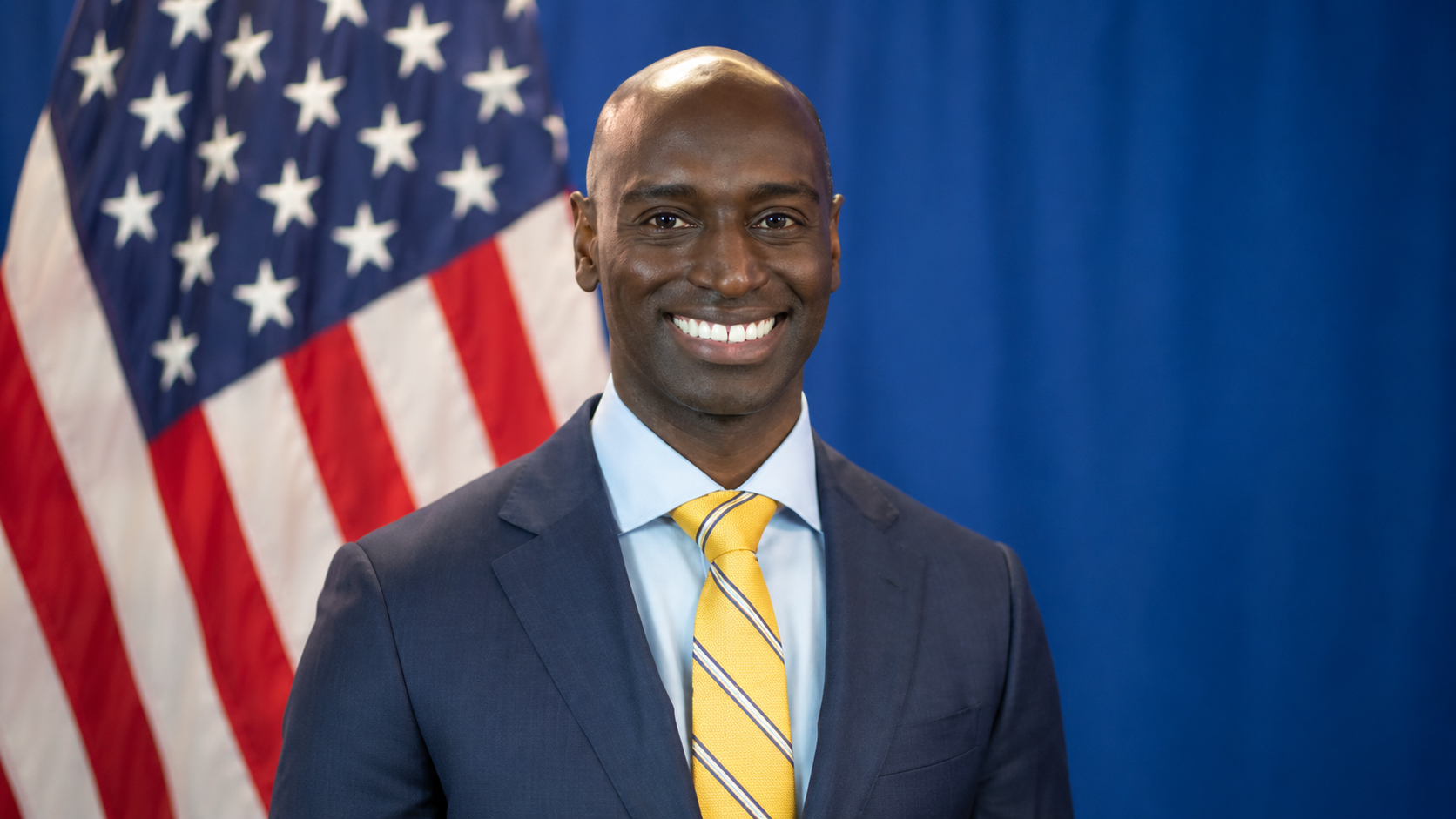
For many business leaders, success is often measured in numbers, capital raised, companies built, markets expanded, or influence attained. But for , one of Africa’s most respected impact investors and agribusiness leaders, true success has evolved into something far deeper: building lives, transforming systems, and leaving behind a legacy rooted in purpose.
With over 25 years of experience across emerging markets and more than 15 years dedicated to Africa’s agribusiness ecosystem, Nwuneli has become a defining voice in conversations around food security, sustainable investment, and generational leadership across the continent.
As the Managing Partner of Sahel Capital, Nwuneli has spent the last decade channeling growth equity and private credit into family-owned agribusinesses across Africa, helping businesses scale while strengthening the continent’s food systems. Through operations spanning Kenya, Lagos, and Côte d’Ivoire, Sahel Capital has supported enterprises across 13 African countries, positioning itself as one of the continent’s leading agriculture-focused investment firms.
YOU CAN ALSO READ: Ted Turner: The Media Maverick Who Never Let the World Go Off Air
Yet behind the boardroom achievements and investment milestones lies a deeply personal story of resilience, reinvention, and spiritual awakening.
Long before becoming one of Africa’s leading agribusiness investors, Nwuneli was a driven professional focused on building businesses and creating financial success. Educated at Carnegie Mellon University and later at Harvard Business School, his early years were defined by ambition, discipline, and relentless pursuit of excellence. But in May 2007, his life changed dramatically.
After being shot by armed robbers in Lagos, Nwuneli nearly lost his life. The incident led to multiple surgeries in the United States and months of rehabilitation. What followed was not only physical recovery, but also a profound reassessment of life itself.
Rather than emerging bitter, the experience transformed his perspective on success, family, purpose, and faith.
He has openly reflected on how that near-death experience forced him to confront a difficult truth that wealth and professional achievement mean little without meaningful relationships, purpose, and impact. It was a realization that reshaped both his personal priorities and professional direction.
What emerged after that season of recovery was a renewed commitment to Africa’s development, particularly through agriculture.
At a time when many investors overlooked agribusiness because of its perceived complexity and risk, Nwuneli saw opportunity where others saw uncertainty. He recognized that Africa’s future prosperity would depend heavily on its ability to build resilient food systems, empower local producers, and create sustainable agricultural value chains.
That conviction became the foundation for Sahel Capital and other ventures including Ace Foods and Sahel Consulting, organizations focused on strengthening food production, agribusiness strategy, and agricultural transformation across the continent.
Under his leadership, Sahel Capital has become known not simply for providing funding, but for backing entrepreneurs with long-term vision, operational support, and strategic guidance. The firm’s investments have contributed to job creation, improved food processing systems, and expanded access to capital for African agribusiness SMEs.
His work continues to address one of Africa’s most urgent challenges: food security.
Beyond investment and enterprise building, Nwuneli has distinguished himself as a leader committed to mentorship, governance, and institution building.
He currently serves on the boards of organizations including MTN Nigeria, Hygeia HMO, and the African Private Equity and Venture Capital Association (AVCA), where his influence extends across sectors shaping Africa’s economic future.
Recognized internationally for both leadership and impact, he is an Eisenhower Fellow and a Bishop Desmond Tutu Fellow. In 2021, he also received the Harvard Business School Alumni Achievement Award, a recognition reserved for graduates whose work has created extraordinary global impact.
Yet despite these accolades, Nwuneli’s philosophy remains deeply grounded in humility and service.
Today, Nwuneli speaks passionately about what he calls “the second half advantage,” the stage of life where success becomes less about personal ambition and more about significance.
For him, this phase is centered on family, mentorship, emotional growth, spiritual depth, and empowering the next generation.
He often emphasizes the importance of investing intentionally in relationships, strengthening family bonds, building support systems, and creating opportunities for younger entrepreneurs to thrive. Rather than measuring success solely through financial achievement, he believes true legacy is defined by the lives one impacts and the values one passes on.
It is a philosophy shaped not in comfort, but through adversity, reflection, and years of navigating the realities of leadership.
YOU CAN ALSO READ: From College Dropout to Billion-Dollar Founder: The Rise of Lucy Guo
In an era where leadership is often driven by visibility and personal branding, Mezuo Nwuneli represents a different model, one built on substance, resilience, quiet influence, and transformational impact.
His journey reflects the evolution of a man who once chased success, survived tragedy, rediscovered purpose, and ultimately dedicated his life to building systems that uplift others.
For Africa’s emerging entrepreneurs, investors, and future leaders, his story serves as a reminder that legacy is not merely about what one builds, but about who benefits from it long after the applause fades.