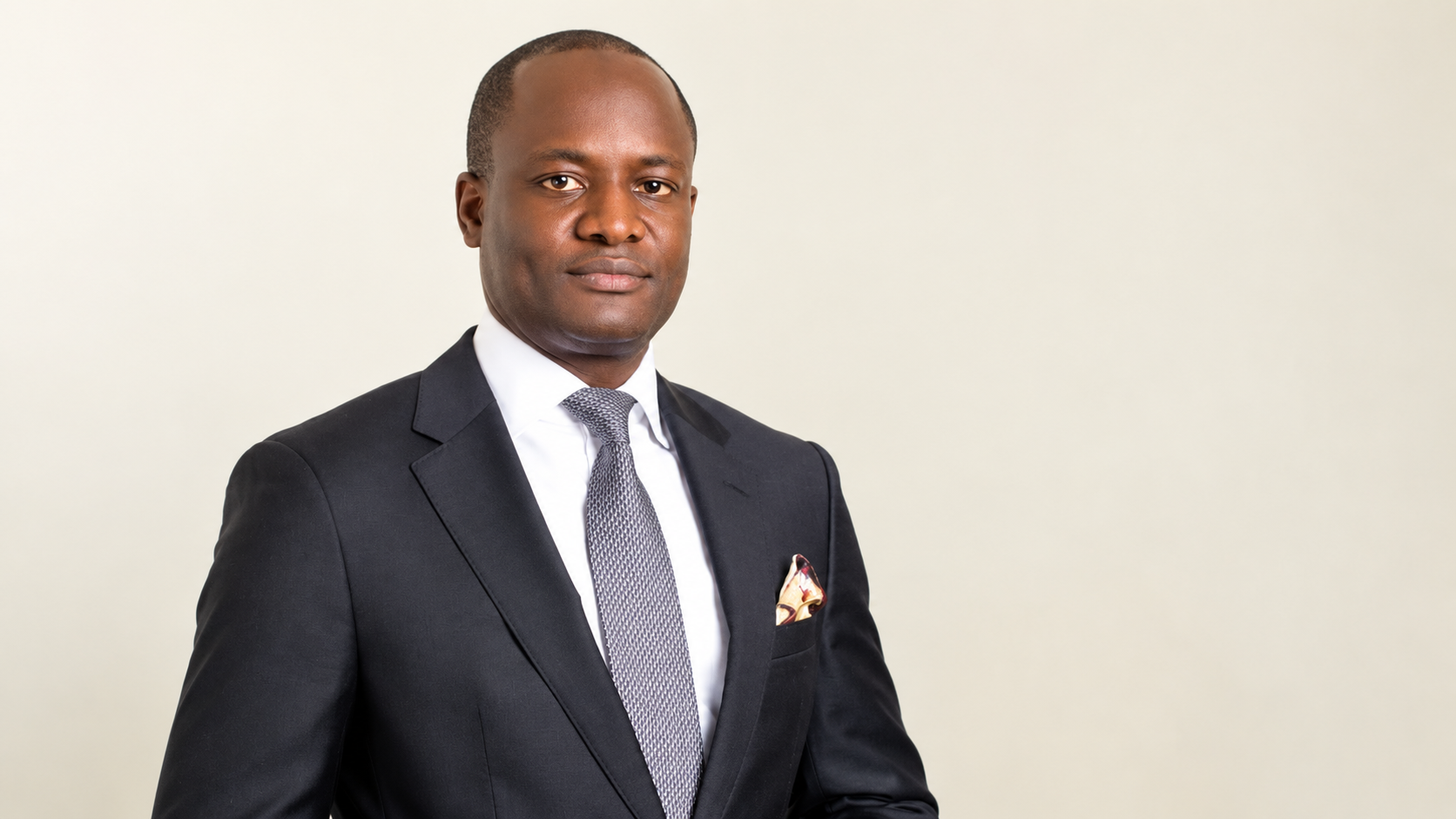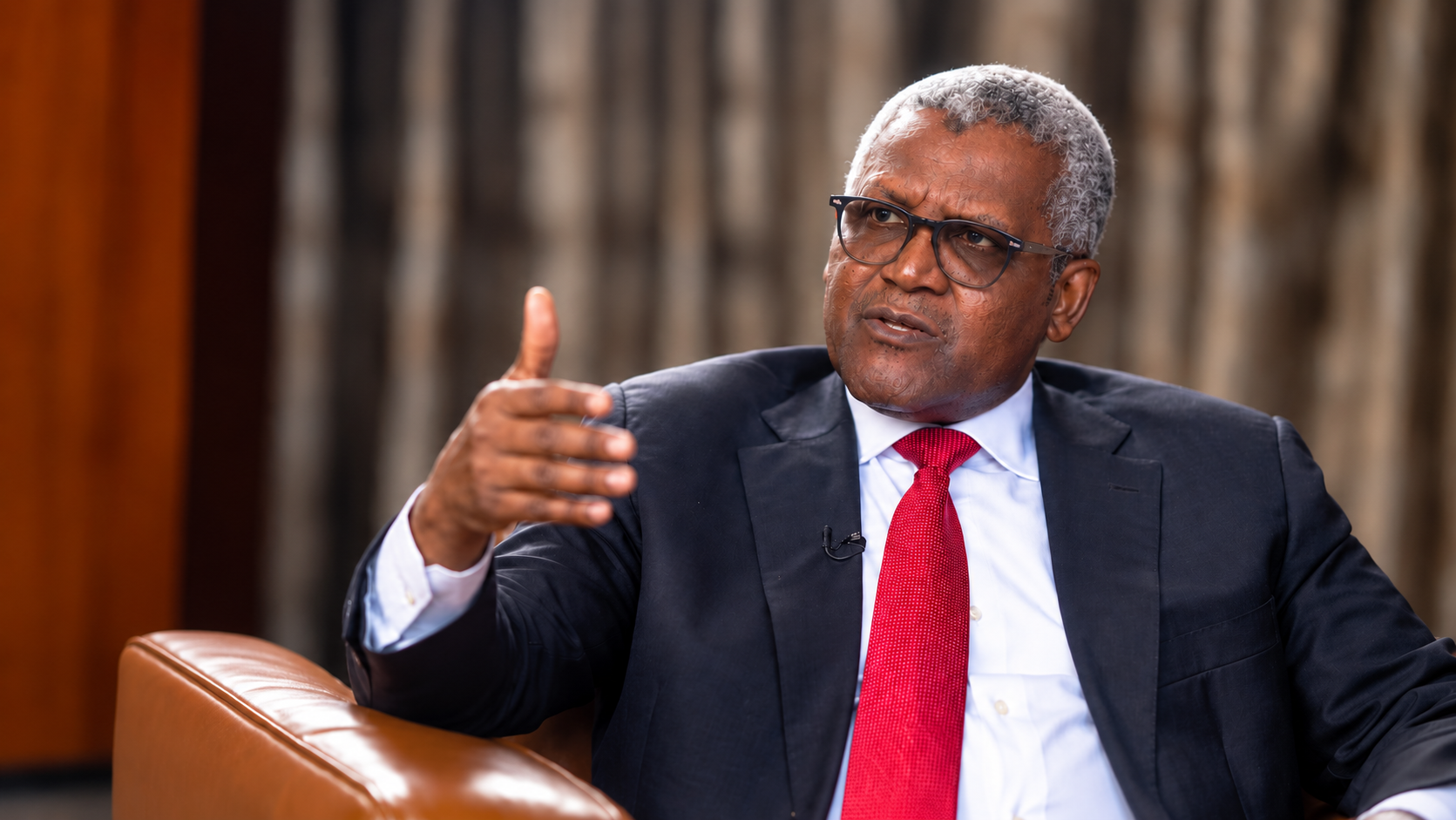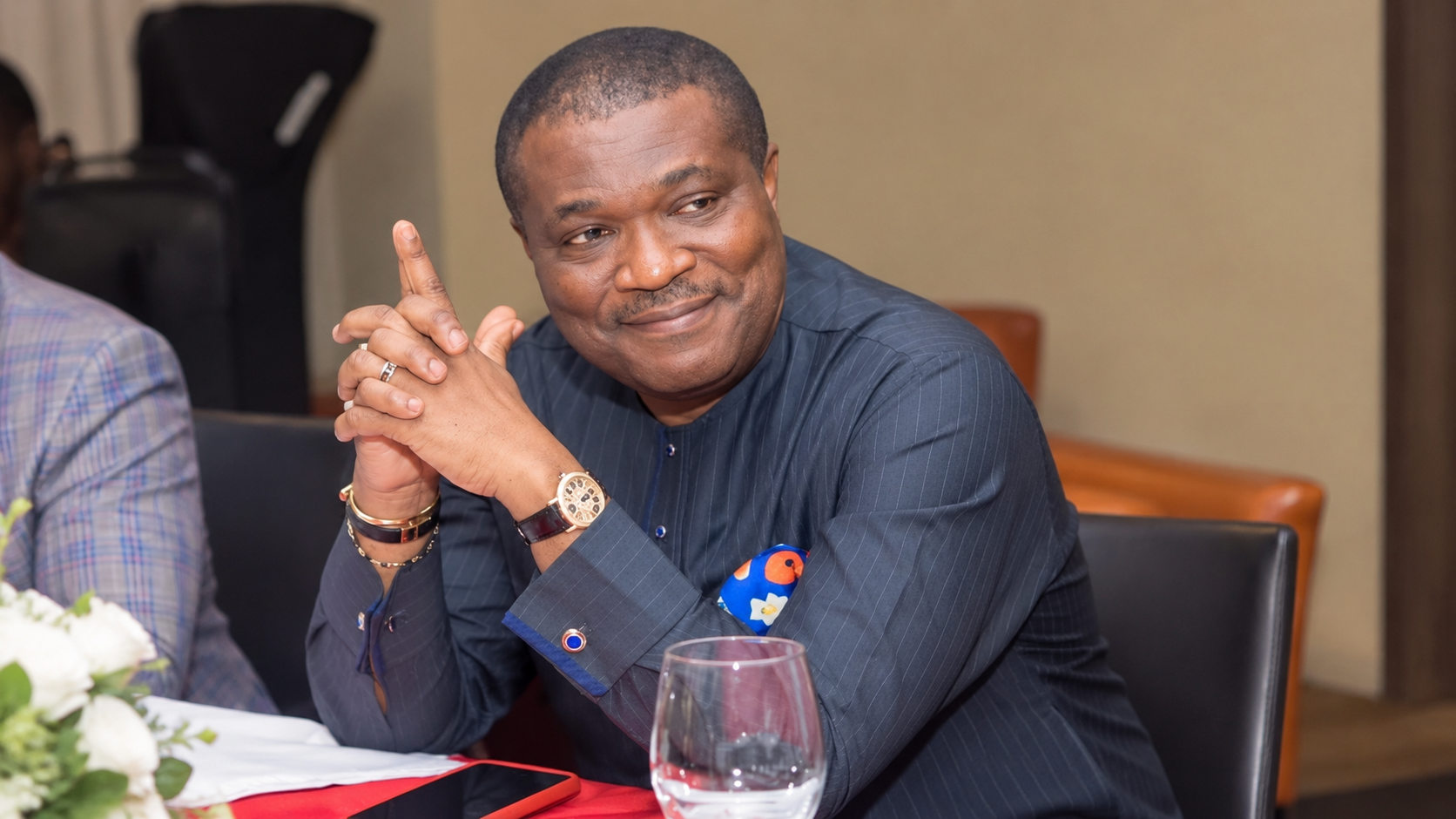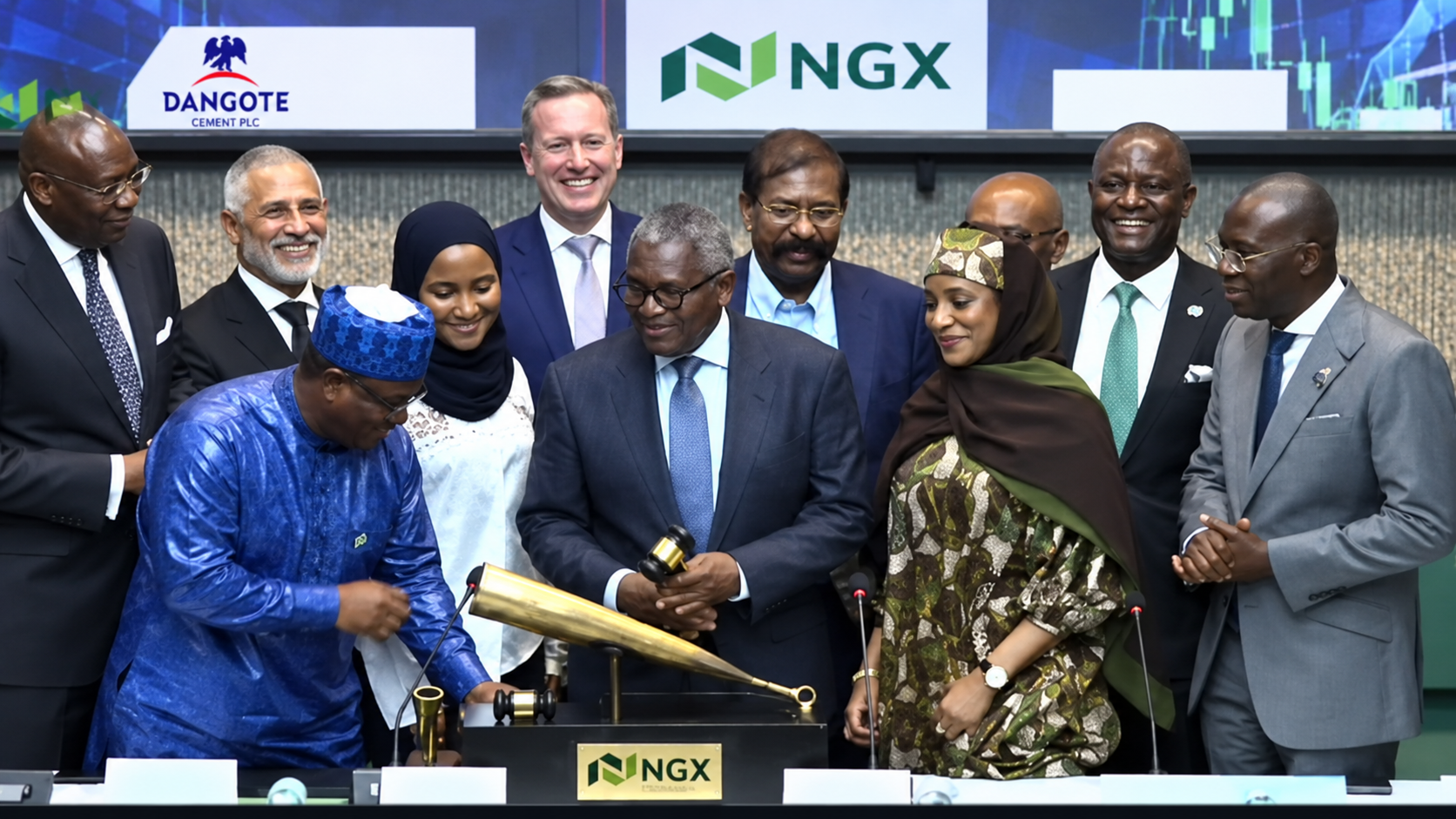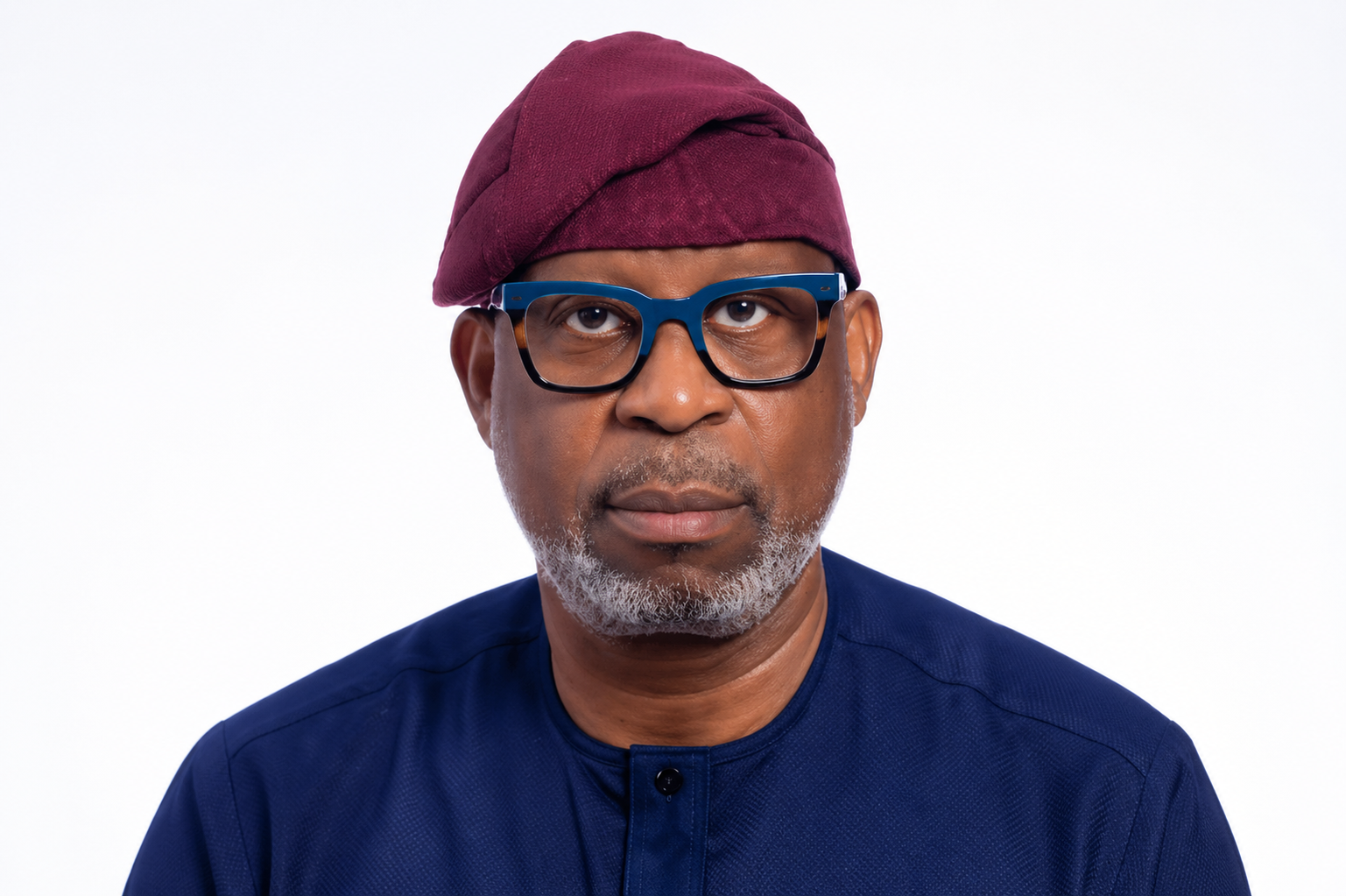
Under the bright East African skies in Nairobi, the air inside the Kenya Mining Investment Conference and Exhibition 2026 carried more than the hum of policy and investment talk, it carried a sense of continental reckoning. When Nigeria’s Minister of Solid Minerals Development, Dele Alake, took the stage, he did not merely address a room of stakeholders; he stepped into a defining moment for Africa, where the conversation is shifting from what the continent has to what it is finally prepared to become.
Standing before an audience that included African ministers, global investors, and industry leaders, Dele Alake cut a figure that was at once diplomatic and visionary. With a tone that balanced wit and conviction, he opened with a light moment, drawing laughter as he recounted his first encounter with Kenya’s Cabinet nomenclature. But the levity quickly gave way to a deeply strategic message, one anchored in urgency, opportunity, and continental ambition.
YOU CAN ALSO READ: Dr. Foy and the Economics of Attention in a Hyper-Digital World
Addressing Kenya’s President, William Samoei Ruto, alongside key figures like Ali Joho, Alake positioned Africa at the epicenter of a rapidly evolving industrial revolution. From lithium to cobalt, graphite to rare earth elements, he painted a vivid picture of a continent rich in the very minerals powering the future, clean energy, digital transformation, and advanced manufacturing.
Yet, his central argument was not about abundance, it was about ownership.
For decades, Alake noted, Africa has exported its wealth in raw form, only to import finished products at a premium. This cycle, he argued, has stifled industrial growth, weakened economic resilience, and limited job creation across the continent. But that narrative, he insisted, is no longer acceptable.
In one of the most compelling moments of his address, Alake called for a decisive shift, from extraction to value creation. “The future,” he emphasized, “belongs to nations that process, refine, manufacture, and innovate.” It was a call not just for policy reform, but for a complete reimagining of Africa’s economic architecture.
Central to this transformation is the African Mineral Strategy Group (AMSG), a coalition of now over 30 African nations working to unify the continent’s voice in global mineral governance. As chairman of the group, Alake highlighted its role as a groundbreaking platform. one that is moving Africa from fragmented negotiations to coordinated strength.
Through AMSG, African countries are beginning to align policies, pool infrastructure investments, and jointly develop mineral corridors and processing hubs. It is, as Alake described, “the institutional vehicle through which Africa will achieve mineral-driven industrialization.”
But beyond structures and strategies, his message carried a deeper philosophical undertone: that Africa’s transformation must be collective. No single nation, he stressed, can fully harness the opportunities of the global minerals market alone. Only through regional integration, shared vision, and coordinated action can the continent truly compete.
The framework for this cooperation, he pointed out, already exists in the African Continental Free Trade Area, which provides the foundation for cross-border trade, policy harmonization, and strengthened regional value chains.
YOU CAN ALSO READ: Inside UBA’s Growth Story: How Oliver Alawuba Is Building a Resilient Banking Giant
As global supply chains undergo significant restructuring, with nations seeking secure and diversified sources of critical minerals, Alake made it clear that Africa’s moment has arrived. But opportunity, he cautioned, must be matched with preparation. Governance must be strengthened. Policies must be consistent. Transparency and sustainability must become non-negotiable.
Investors, he noted, are not just looking for mineral deposits, they are looking for stability, predictability, and vision.
By the time he concluded, Alake had moved the conversation beyond mining. What he offered was a blueprint for Africa’s industrial future—one rooted in sovereignty, inclusivity, and long-term prosperity. His words carried the weight of both responsibility and possibility, underscoring a simple but powerful truth: that the decisions made today will shape not just the future of mining, but the future of the continent itself.
In Nairobi, under the bright lights of a global stage, Dele Alake did more than deliver a speech, he articulated a continental awakening.