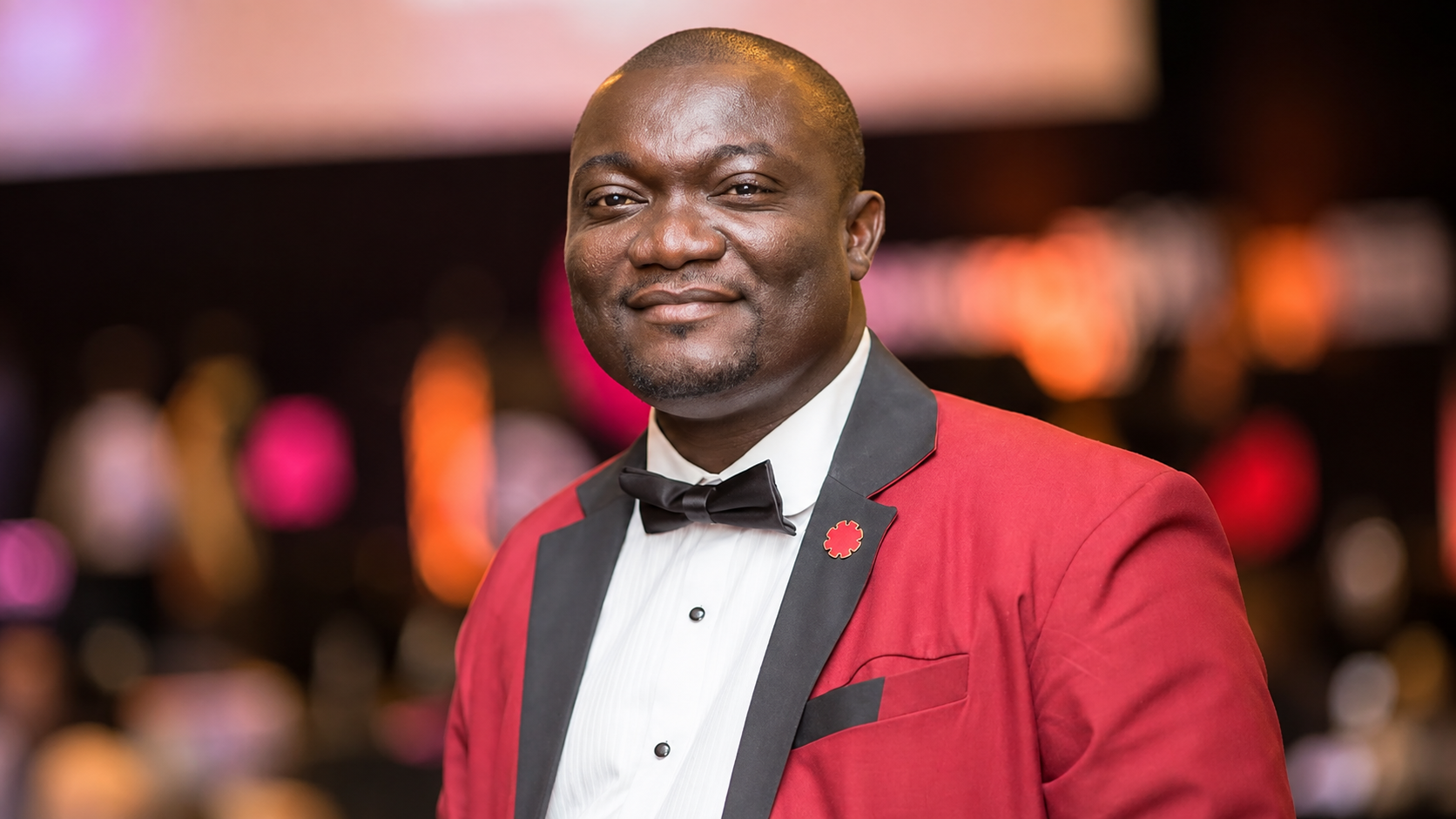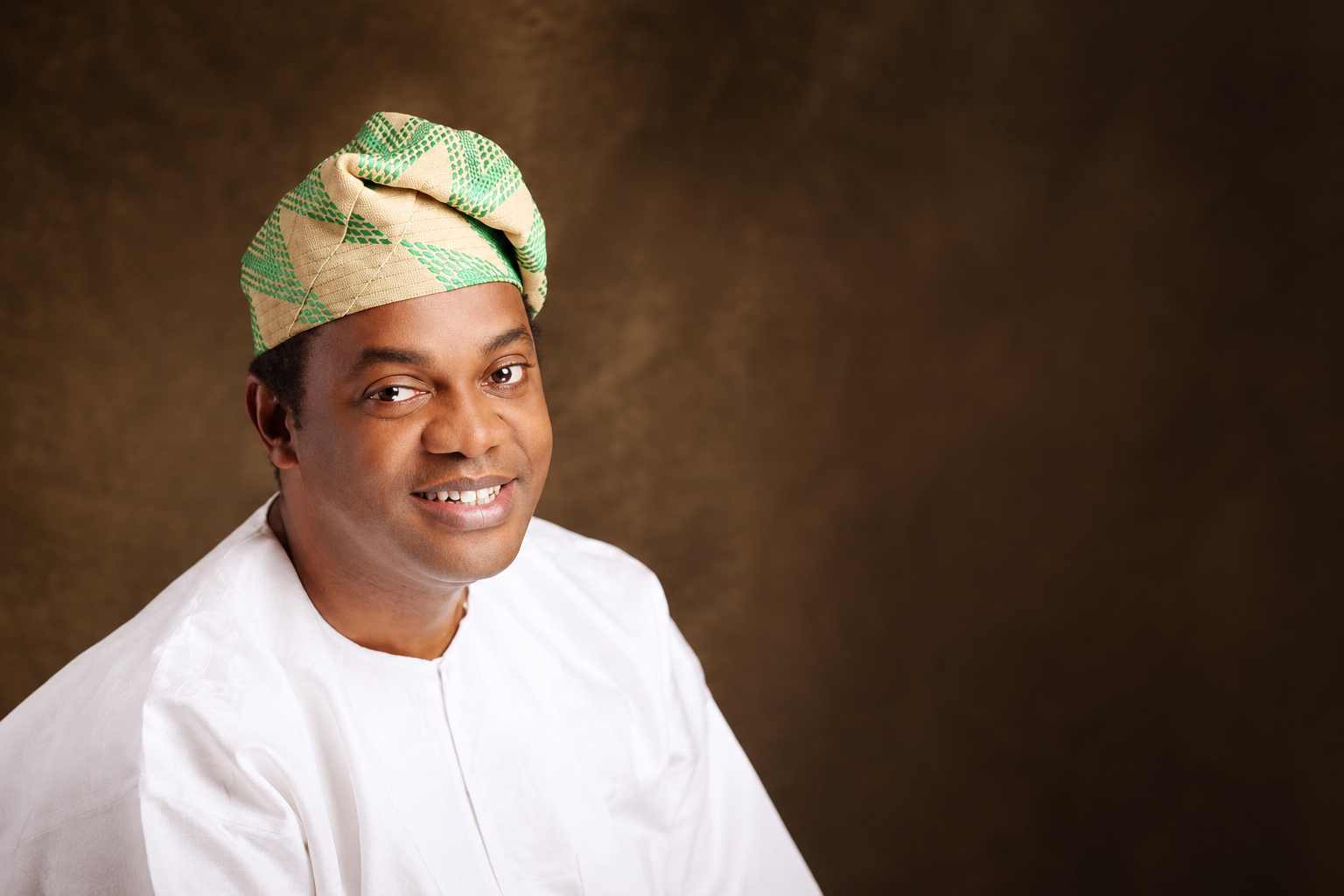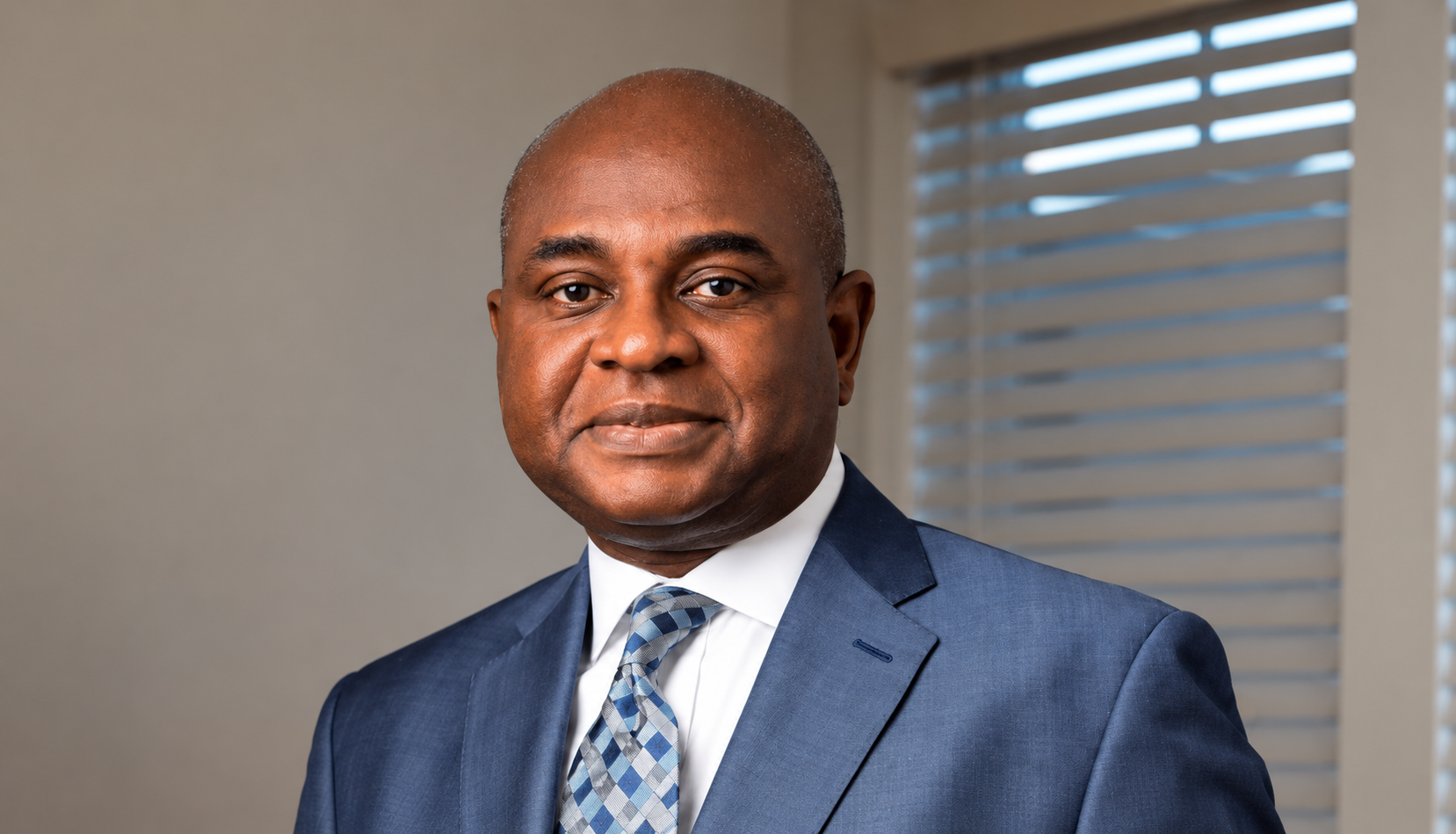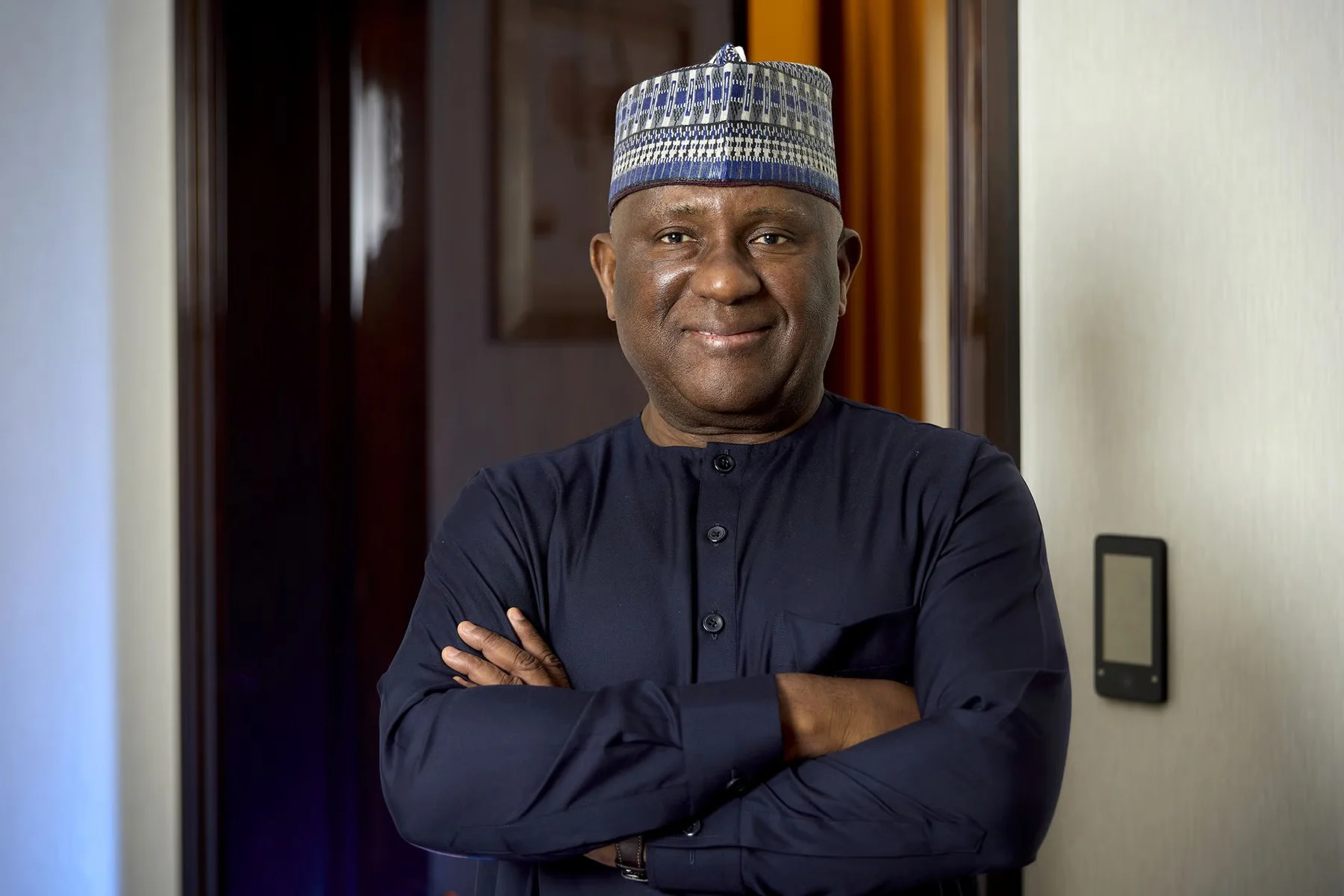
As political leaders, policymakers, and business executives gathered in Kigali for one of Africa’s most important conversations on economic sovereignty and geopolitical change, a central message emerged: Africa can no longer remain a continent rich in resources yet poor in value creation. For the Chairman of BUA Group, Abdul Samad Rabiu, Africa’s future is no longer a conversation about potential alone. It is about ownership, action, and redefining the continent’s place in a changing global order.
Against a backdrop of rising geopolitical tensions and growing competition for strategic resources, discussions highlighted a critical question: why does Africa, despite its vast advantages, continue to occupy a disadvantaged position in the global economy? The continent possesses enormous mineral wealth, agricultural potential, renewable energy capacity, and one of the youngest populations in the world. Yet many African economies remain vulnerable to external shocks and extraction models that create wealth elsewhere while leaving little value behind.
YOU CAN ALSO READ: Talent Deficit Threatening Africa’s Economic Prosperity – And Its Way Forward
The contradiction is increasingly difficult to ignore. Africa holds much of the critical minerals needed for batteries, clean energy technologies, and future industries. It also has immense solar capacity and a rapidly expanding consumer market. Yet despite these strengths, value creation continues to happen largely outside the continent. Raw materials leave Africa, transformation happens elsewhere, and finished products return at far greater cost.
For decades, global systems positioned Africa primarily as a source of extraction rather than production. Resources left, value moved abroad, and dependence deepened. However, there are signs this pattern is beginning to change. Across the continent, governments are becoming more willing to question agreements that provide short-term gains but fail to generate long-term value.
This shift reflects a broader awakening. The conversation is increasingly moving beyond access to resources toward ownership of outcomes. For Africa, the challenge may no longer be what it possesses, but whether it has the institutions, leadership, and policy courage required to convert resources into prosperity.
Economic sovereignty goes beyond political independence. It means determining how resources are used, where value is created, and who ultimately benefits. Achieving this requires stronger regional collaboration, industrialization, investment in infrastructure and human capital, and the confidence to negotiate differently and prioritize long-term value.
As geopolitical competition intensifies, global powers are increasingly acting in their own strategic interests. For Africa, this presents both risks and opportunities. Strategic importance alone, however, is not enough. The continent must also develop strategic clarity because possessing resources means little if others continue defining their value.
YOU CAN ALSO READ: Nigeria’s Corporate Titans Post Strong Q1 2026 Earnings Despite Tough Economy
The message from Kigali was therefore larger than economics. It was a call for a different mindset. Africa cannot continue waiting to be positioned by others. It must position itself. Its future cannot simply depend on what lies beneath the ground, but on what it chooses to build above it. Ultimately, Africa’s next chapter may not be defined by the resources it possesses, but by the decisions it finally decides to make.