For decades, global consumer brands entering new markets often relied on a familiar strategy: build a successful formula once and repeat it everywhere. The products travel, the logo stays intact and the brand identity remains unchanged. Increasingly, however, companies are discovering that consumers are no longer buying products alone. They are buying relevance.
In Nigeria, relevance comes with a cultural price tag. Consumers are deeply connected to habit, identity and emotion. They want brands that understand not just what they eat, but how they live. That reality appears to be shaping Burger King Nigeria’s latest move: stepping beyond burgers and into one of Nigeria’s most beloved food traditions, small chops.
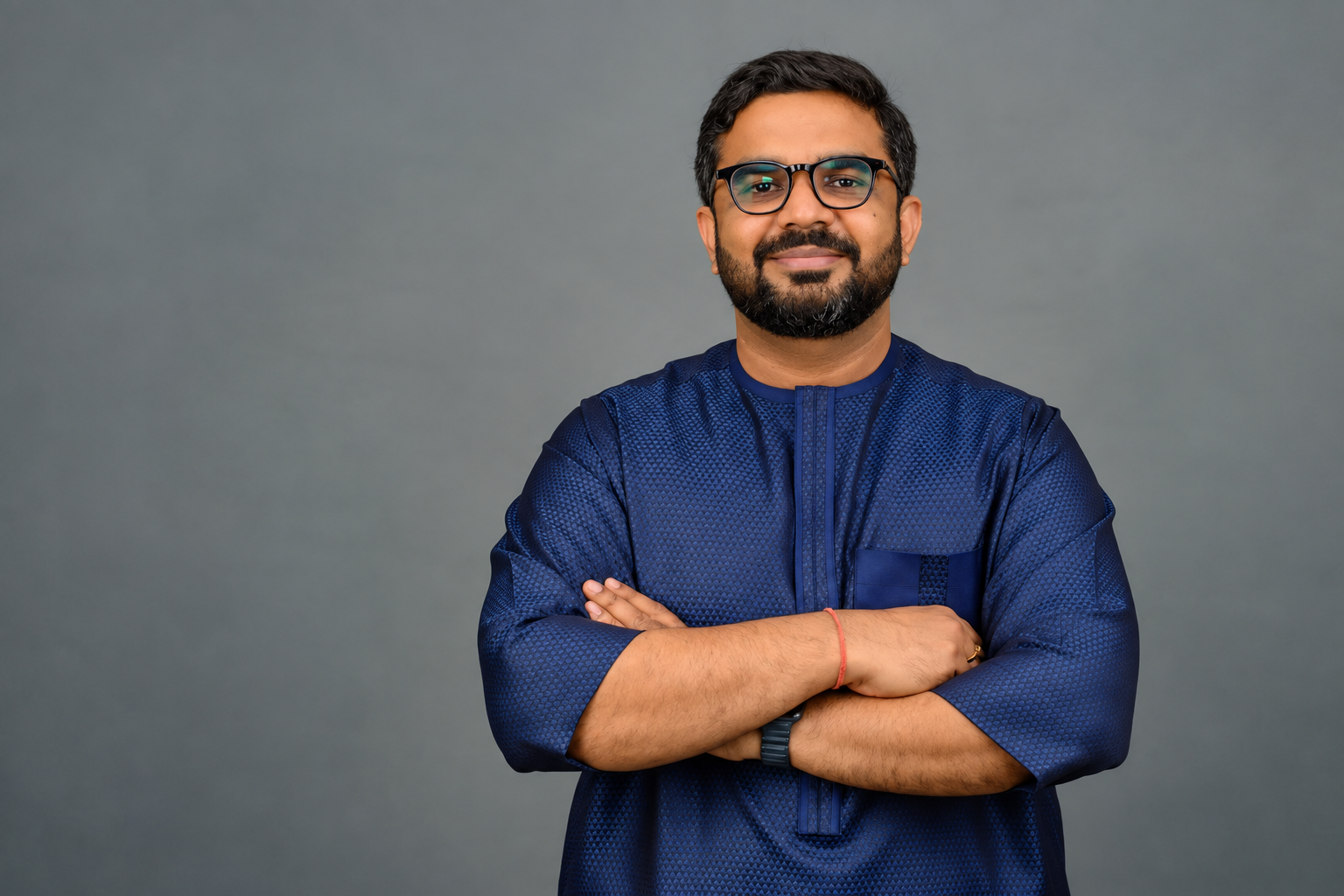
At first glance, the launch of BK Small Chops may seem unusual for a global fast-food giant built around flame-grilled burgers and Whoppers. But for Roshi Ibrahim, Managing Director and CEO of Burger King Nigeria, it is not a departure from the brand’s identity. It is simply an extension of it.
According to Ibrahim, localization has always been central to Burger King’s strategy across international markets. Around the world, the brand adapts its menu to fit local realities and cultural preferences. In some countries, Burger King serves rice. In others, shawarma or region-specific items become part of the experience. The goal, he explained, is to meet consumers where they are rather than expect them to adapt.
And nowhere is adaptation more important than Nigeria. The country’s rapid urbanization, changing lifestyles and evolving consumption patterns have transformed how people engage with food. Traditional meal structures are increasingly giving way to convenience, flexibility and speed.
YOU CAN ALSO READ: Talent Deficit Threatening Africa’s Economic Prosperity – And Its Way Forward
People no longer wait for breakfast, lunch or dinner. They snack. They move. They eat on the go. Few products capture that rhythm better than small chops.
Unlike foods tied to specific occasions, small chops occupies a unique place in Nigerian culture. It appears at weddings, birthdays, office gatherings and everyday moments. Nigerians, Ibrahim observed, do not necessarily need a reason to eat small chops. It is less a menu category and more a lifestyle.
Burger King did not invent the concept. Instead, it reorganized what already existed within its kitchen. Plantain cubes, samosas, spring rolls, onion rings and chicken wings were already part of its side menu. The only addition needed to complete the experience was puff-puff, perhaps the most culturally symbolic item in any Nigerian small chops collection.
The result became BK Small Chops. For Ibrahim, the decision reflected a broader philosophy: understanding culture rather than simply selling into it.
But if Burger King wanted authenticity, it also wanted realism. Rather than introducing the product in a polished, controlled environment, the company chose one of Lagos’ busiest and most chaotic locations, Obalende.
The choice was intentional. Obalende represents movement in its rawest form. Thousands of commuters move through it daily. It is loud, energetic and unpredictable, much like Lagos itself. According to Ibrahim, the brand wanted to feel “the pulse of the people.”
That decision produced one of the campaign’s most striking moments: drones dropping hundreds of BK Small Chops portions into the hands of commuters. For a quick-service restaurant brand in Nigeria, it was an unconventional move. But it generated exactly what Burger King wanted, attention, conversation and immediate feedback.
Ibrahim himself joined the activity on the ground, speaking directly with commuters and physically handing out products. For him, leadership cannot happen from behind office walls. “The CEO is the number one salesperson,” he said. Selling, in his view, begins where consumers live.
The strategy also reflects a broader shift taking place across industries. Increasingly, executives are moving beyond dashboards and boardrooms toward direct consumer engagement. Data may reveal trends, but people reveal emotion.
Still, localization comes with a challenge: preserving brand identity. As global companies embrace local tastes, questions naturally arise. How far can a brand adapt before it risks becoming unrecognizable?
Burger King’s answer appears to be balance. Ibrahim noted that the Whopper remains the company’s strongest-selling item and defining product. Small chops does not replace that identity; it complements it. The company remains the home of the Whopper. But perhaps now, it is becoming the home of the Whopper in Nigeria.
YOU CAN ALSO READ: Africa’s Future Depends on Ownership, Not Extraction, Says BUA Chairman
The distinction matters. Localization is no longer about translating products into local markets. It is increasingly about translating brands into local culture. That philosophy is already extending beyond BK Small Chops. Burger King’s Suya Whopper, initially introduced as a limited-time offering, performed so strongly that it is now returning as a permanent menu item.
The message behind that decision is becoming increasingly clear: Nigerian consumers do not simply want imported experiences. They want familiarity within innovation.
Priced at ₦1,800 and ₦2,500 with a drink, BK Small Chops was designed around another consumer reality, affordability. Rather than creating a formal meal occasion, Burger King created what Ibrahim described as “meal occasions,” recognizing consumers’ growing preference for flexibility.
Early results, according to the company, have exceeded expectations. But beyond sales, BK Small Chops may represent something bigger.
Global brands operating in Nigeria are increasingly realizing that success no longer belongs only to companies with the strongest products. It belongs to those willing to listen.
Burger King’s slogan has always been “Have It Your Way.”