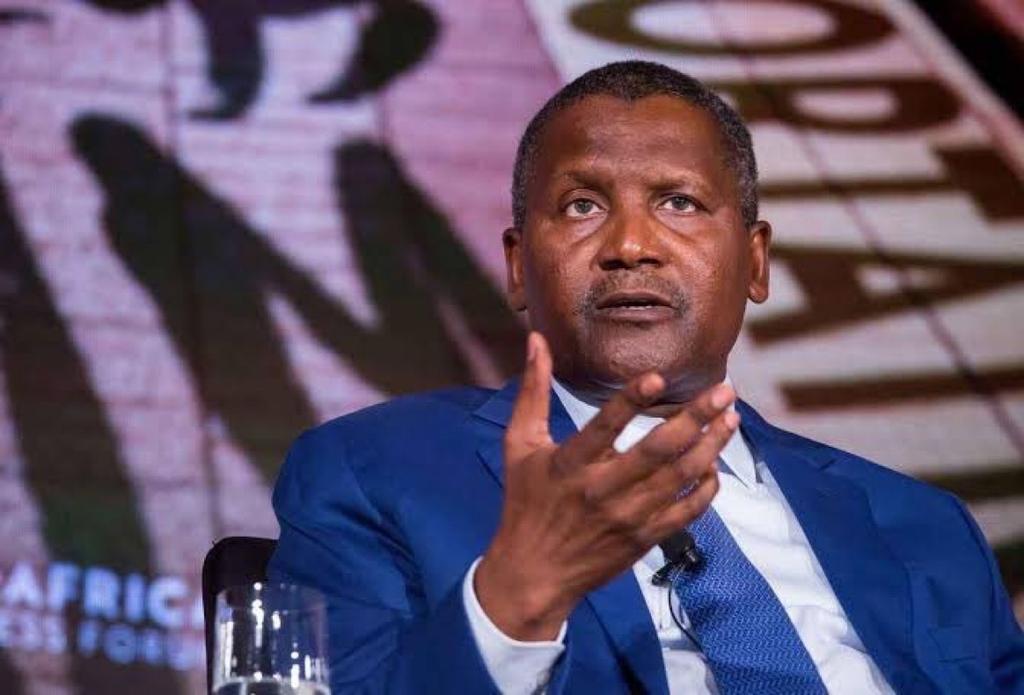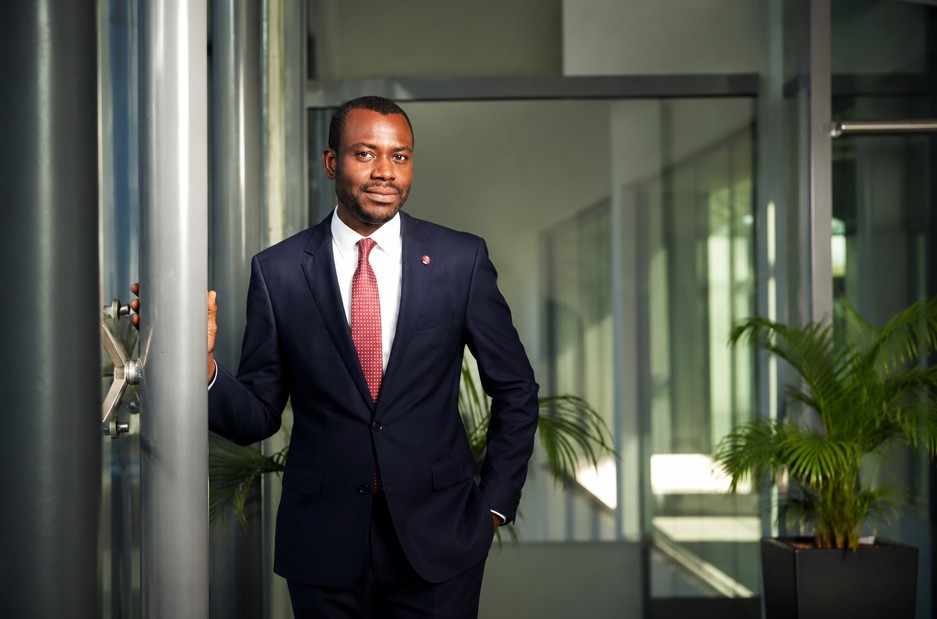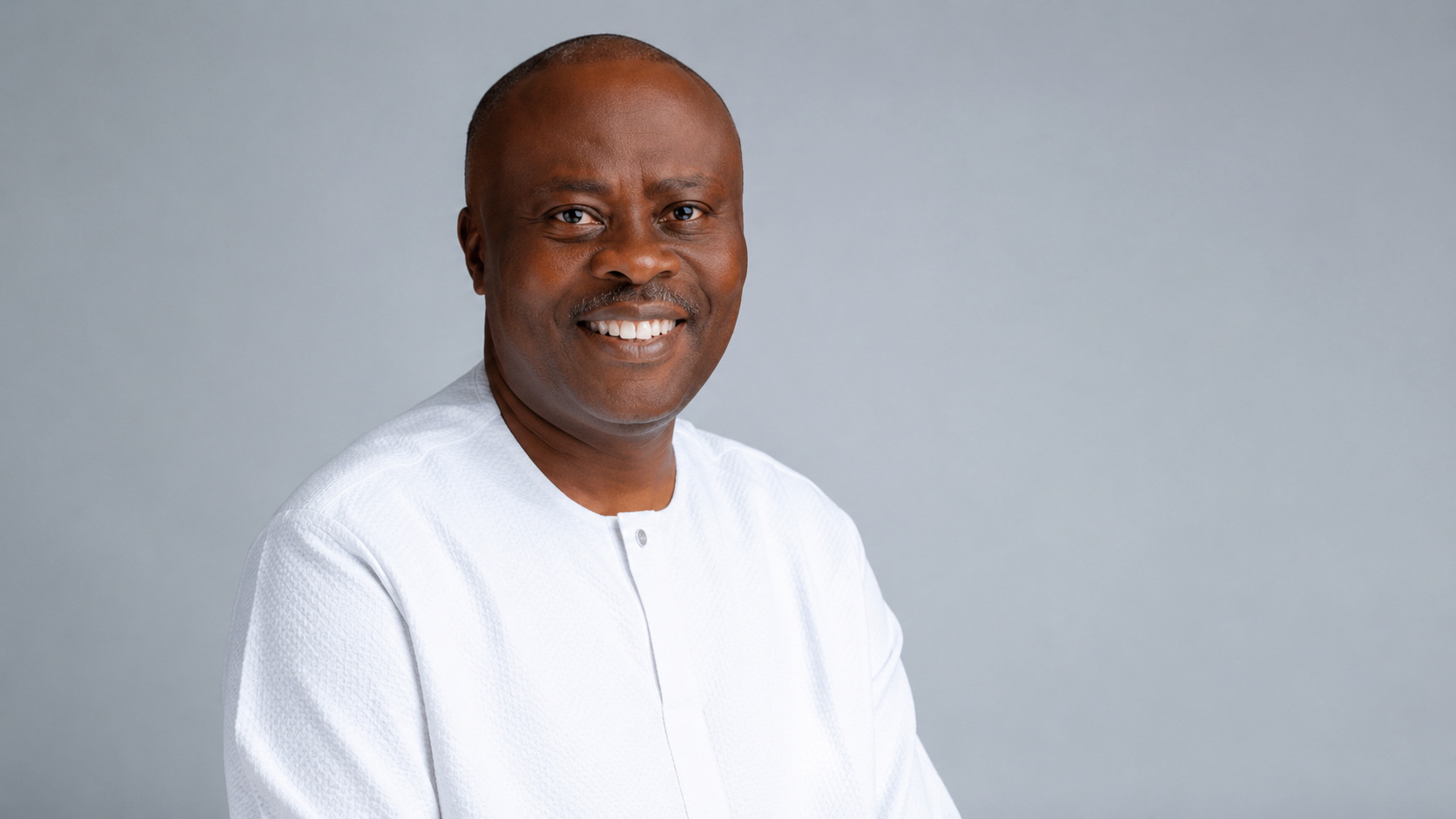
In Nigeria, where politics, business, and sport often collide in unpredictable ways, few figures embody the intersection of all three as completely as Kunle Soname. A businessman, sports enthusiast, and institution builder, Soname has spent decades shaping ventures across some of Nigeria’s most challenging industries, from politics and aviation to betting and football development. As chairman of Bet9ja, founder of ValueJet, and owner of multiple football institutions in Nigeria and Europe, his influence stretches far beyond business success into the broader conversation about governance, youth development, and national progress.
What makes his story compelling is not merely the scale of his ventures, but the philosophy that underpins them: a belief that systems work when competent people are trusted to lead them, and that development begins closest to the people.
In a wide ranging conversation on governance, football, entrepreneurship, and responsibility in modern Nigeria, Soname reflected on the accidental turns that shaped his life and how seemingly ordinary decisions evolved into transformational enterprises.
Born and raised in southwestern Nigeria, Soname studied Estate Management at Obafemi Awolowo University, graduating in 1988 before venturing into business and public service. Yet he insists that many defining moments in his career were not meticulously planned. According to him, providence often played as much a role as strategy.
YOU CAN ALSO READ: Elegant, Strategic, Unstoppable: The New Era of Female CEO Leadership
Still, providence alone does not explain a career that spans politics, aviation, betting, football, and international sports investment. Soname combined instinct with relentless hard work and an unusually sharp understanding of Nigerian realities. Having grown up and built businesses within the country, he learned early how institutions succeed, why many fail, and where opportunities often hide beneath dysfunction.
His introduction to politics, he admits, was entirely accidental. Long before he became Executive Chairman of Ikosi Isheri Local Council Development Area in Lagos, a position he held until 2011, Soname was simply a football loving resident in Ketu who spent evenings playing draughts with neighbours and opening his home to young people eager to watch football matches on his generator powered television. In a community where access to electricity and entertainment was limited, those gatherings unintentionally turned him into a familiar and trusted figure.
When Nigeria’s democratic transition gathered momentum in 1999, local political actors encouraged him to become involved. What began as casual neighbourhood interactions evolved into a grassroots political movement that eventually pushed him into office.
As chairman, Soname encountered Nigeria at its most intimate level, not through policy papers or elite conversations, but through the daily realities of ordinary citizens. It was there, he says, that he discovered how modest many Nigerians’ expectations of government truly are.
People were not demanding extravagant projects or impossible promises. They wanted functioning health centres, accessible maternity clinics, basic healthcare, and simple infrastructure that could improve daily life. Delivering these essentials, often dismissed by elites as “basic,” generated enormous appreciation from communities that had grown accustomed to neglect.
The experience profoundly shaped his understanding of governance. For Soname, local government remains the most important layer of leadership in Nigeria because it sits closest to the people. Yet he argues that the country has historically misunderstood this reality by failing to place its most competent minds at the grassroots level.
According to him, Nigeria’s political pyramid has been inverted. Instead of concentrating excellence at the base where citizens directly feel governance, the system reserves its most technically capable individuals for higher offices while local structures struggle with weak administration and excessive external interference.
He believes genuine national development can only happen when intelligent, technically savvy, and independently minded leaders are deliberately positioned within local governments across the country.
After serving two terms, Soname deliberately exited politics. Although successful electorally, he increasingly felt constrained by the compromises and layered loyalties embedded within political systems. Governance, he observed, often involves navigating party structures, competing interests, and limitations on independent action.
The private sector offered something politics could not: freedom of execution. That freedom would eventually produce one of Nigeria’s most remarkable football projects.
Football had always occupied a central place in Soname’s life. He speaks about the game not as a businessman searching for investment opportunities, but as a lifelong devotee whose emotional connection to football dates back to childhood. Family members once joked that he might arrive late to his own wedding if a football match happened to be airing.
Yet Remo Stars F.C. was also born accidentally. Originally founded as FC Dender in 2004, the club began as a local football initiative before eventually relocating from Lagos State to the Remo area of Ogun State. During his time as local government chairman, Soname transformed the club into a social intervention project aimed at reducing youth crime and restiveness. The impact was immediate. As more young people became engaged in structured sporting activities, petty violence and street conflicts noticeably declined.
When his tenure ended, the incoming administration expressed no interest in continuing the football programme. Faced with the possibility of abandoning dozens of young players whose lives had become tied to the club, Soname made a personal decision to sustain the project privately. That decision would evolve into one of the most professionally run football institutions in Nigerian football.
Under Soname’s leadership, Remo Stars built not just a competitive team, but an entire football ecosystem including academies, women’s football structures, youth development systems, scouting networks, and international partnerships. The club now competes in the top division of Nigerian football and secured its first Nigeria Premier Football League title during the historic 2024–25 season.
For Soname, however, the true success extends far beyond trophies. His investment in football has transformed the Remo area economically and socially. Tournaments hosted in the town attract scouts, teams, supporters, and visitors from across Nigeria and Europe, creating business opportunities for hotels, restaurants, transport operators, street vendors, and countless small traders. In his view, football is not merely entertainment; it is an economic engine and a community development tool.
This broader vision also inspired the creation of Beyond Limits Football Academy, one of Nigeria’s most ambitious football development institutions. Soname established the academy after repeatedly advocating for structural reforms within Nigerian football administration and seeing little willingness to implement them institutionally.
Rather than continue complaining, he decided to build the model himself. His philosophy is simple: Nigerian football does not suffer from a lack of talent. It suffers from organizational failure and the absence of the right people in leadership positions.
That conviction partly motivated another landmark achievement, becoming the first Nigerian to acquire a European football club when he purchased Portuguese side C.D. Feirense in 2015.
The experience, he says, exposed the enormous structural gap between African and European football systems. Yet he insists the difference is not rooted in magic, superior intelligence, or unattainable resources. The distinction lies largely in organization, competence, and institutional discipline.
YOU CAN ALSO READ: Nigeria’s $18.5 Billion World Bank Bet Signals a Bigger Economic Shift
To Soname, many of the systems Nigeria struggles to implement are fundamentally straightforward. What appears complicated is often simply the result of poor coordination and inconsistent leadership.
Beyond football, Soname also built Bet9ja into one of Nigeria’s most influential betting platforms after founding it in 2013. While acknowledging the ethical concerns surrounding gambling, he points to the many Nigerians whose lives have been transformed by modest betting wins and argues that responsible gaming must coexist with realistic recognition of economic realities.
His entrepreneurial ambitions expanded further with the launch of ValueJet, a private airline operating within Nigeria’s notoriously difficult aviation sector. Much like football and politics, aviation represented another arena many considered too unstable or risky for sustainable private investment. Soname entered anyway. Across all these ventures, a common thread emerges: institution building.
Whether discussing governance, football administration, or entrepreneurship, Soname repeatedly returns to the importance of competent leadership, long term thinking, and systems that outlive individuals. He is less interested in short lived success than in creating structures capable of producing enduring impact.
In recognition of his philanthropic activities and contributions to society, Soname was inducted as a patron of University of Lagos in 2022. Yet perhaps his most enduring legacy will not be found in titles or accolades, but in the communities transformed through the institutions he chose to build.
For Kunle Soname, football became social intervention. Politics became civic education. Business became infrastructure. And what began as accidental opportunities evolved into one of the most influential private sector stories in modern Nigeria.