Three years into President Bola Tinubu’s administration, Nigeria’s economy stands at a defining crossroads. The country has witnessed some of the most significant economic policy shifts in recent history, from the removal of fuel subsidies and foreign exchange reforms to tax adjustments and broader fiscal restructuring. These measures have altered the nation’s economic trajectory, producing a mix of encouraging macroeconomic indicators and persistent social challenges.
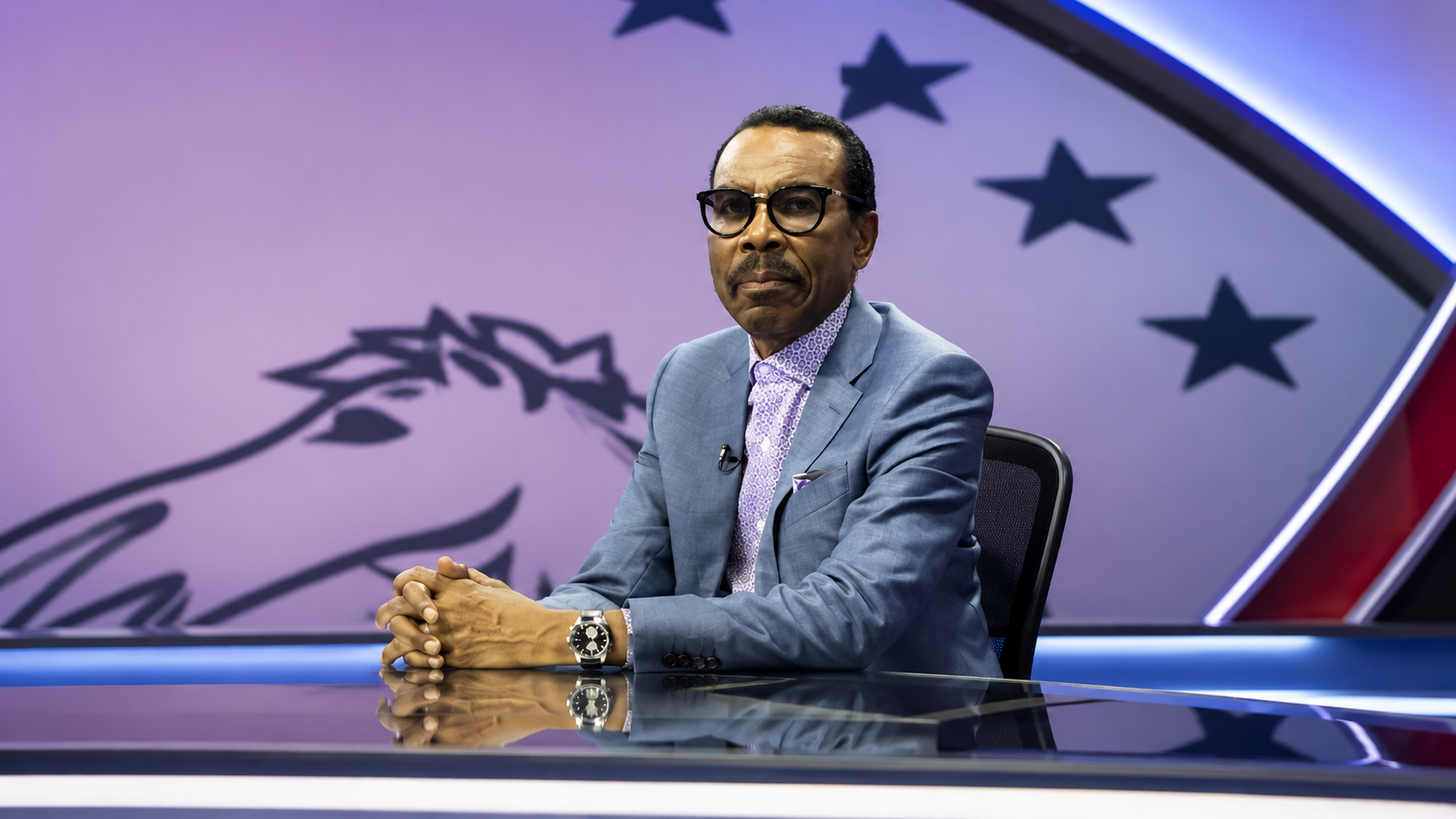
Speaking on Arise Television’s Business Week, renowned economist and Chief Executive Officer of Financial Derivatives Company, Bismarck Rewane, offered a thoughtful assessment of the administration’s economic journey so far. His analysis painted a picture of an economy that has achieved notable progress in stabilization while still struggling to translate those gains into widespread prosperity.
According to Rewane, economic reform is a process that moves through several stages. Policy changes come first, followed by institutional reforms, implementation, and eventually measurable impact. While Nigeria has made considerable progress on the policy front, the benefits have yet to fully reach the average citizen.
YOU CAN ALSO READ: How Monipoint Helps Bring Banking to Millions Across Nigeria
The figures tell a compelling story. Government revenues have risen significantly, foreign exchange reserves have strengthened, and investor confidence appears to be recovering. Yet many Nigerians continue to face rising living costs, declining purchasing power, and mounting economic pressures. Rewane argues that this disconnect highlights one of the central challenges of the reform agenda: growth at the national level does not automatically translate into improved welfare for the population.
A key concern, he noted, is how increased government revenues are being utilized. Economic gains create value when they are invested productively, generating jobs, infrastructure, and opportunities. However, when resources are lost through inefficiencies, weak institutions, or corruption, their impact becomes diluted. Rewane described these losses as leakages that create negative multipliers within the economy, reducing the benefits that reforms are intended to deliver.
The economist also pointed to the growing burden of public debt. While Nigeria’s external reserves have improved considerably over the last three years, debt obligations have also increased. In his view, stronger reserves are encouraging, but they must be assessed alongside rising debt levels to gain a complete understanding of the country’s fiscal position.
Despite these concerns, investors continue to show confidence in Nigeria’s long-term prospects. Rewane highlighted the remarkable growth of the Nigerian stock market as evidence that investors recognize opportunities within the economy. However, he stressed that sustainable investment depends not only on policy reforms but also on stronger institutions. Efficient courts, transparent regulations, and reliable governance structures remain essential if investor optimism is to be maintained.
One of the most visible consequences of recent reforms has been the sharp increase in energy costs. Petrol prices have risen dramatically, placing additional pressure on households and businesses. Yet Rewane observed that higher prices have also improved availability and reduced the distortions that once characterized the market. Fuel supplies have become more reliable, foreign exchange markets have stabilized, and several sectors now operate under more transparent pricing mechanisms.
Nevertheless, stability alone does not solve affordability. While markets may function more efficiently, millions of Nigerians still struggle to cope with the realities of higher costs and stagnant incomes.
Throughout the discussion, Rewane repeatedly emphasized the importance of power sector reform. He described electricity as one of the most powerful drivers of economic transformation available to Nigeria. Reliable power would lower business costs, improve productivity, strengthen manufacturing, and support small and medium-sized enterprises across the country.
He suggested that large-scale investments in power generation could dramatically improve Nigeria’s growth prospects. Increased electricity supply would boost industrial activity and create opportunities for businesses that currently rely on expensive alternatives such as diesel generators. In his assessment, substantial improvements in power generation could add several percentage points to annual GDP growth, pushing Nigeria closer to the higher growth rates needed to achieve meaningful development.
Rewane also advocated for a greater role for private capital in addressing infrastructure challenges. Rather than seeking direct control of major projects, governments can benefit as investors while allowing private operators to manage execution and efficiency. Such partnerships, he argued, have the potential to generate long-term value while reducing operational challenges.
Inflation remains another critical area of focus. While inflationary pressures have eased compared to previous peaks, Rewane warned that some of the factors contributing to lower prices may create new challenges. Imported goods are increasingly entering the market at prices below the cost of local production, making it difficult for domestic manufacturers to compete. While consumers may benefit from lower prices in the short term, local industries risk losing market share, potentially leading to job losses and weaker productive capacity over time.
At the heart of Rewane’s analysis lies what he describes as an affordability crisis. Real wages have failed to keep pace with inflation, poverty remains widespread, and economic opportunities are unevenly distributed. The gap between macroeconomic stabilization and household wellbeing remains significant. While policymakers can point to improved fiscal and monetary indicators, many Nigerians continue to judge economic performance by their daily realities.
Looking ahead, Rewane believes the next phase of economic progress will depend less on introducing new policies and more on executing existing reforms effectively. Stronger institutions, reduced leakages, improved infrastructure, and more efficient public spending will all be necessary to ensure that economic gains reach a broader segment of the population.
As Nigeria approaches another election cycle, he expects the pace of reform to moderate. Political considerations often shift priorities and create uncertainty. However, he remains cautiously optimistic that the foundations established over the last three years can support stronger growth in the years ahead, particularly if power sector reforms and institutional improvements continue.
YOU CAN ALSO READ: Nigerian Breweries Announces Leadership Appointment of Nkechi Runsewe
His overall assessment is measured. The reforms were necessary and have helped restore stability to key parts of the economy. They have strengthened government revenues, improved market efficiency, and renewed investor interest. Yet the true success of those reforms will ultimately be determined not by headline figures, but by their ability to improve living standards, expand opportunities, and create a more prosperous future for ordinary Nigerians.
Three years after the beginning of Nigeria’s economic reset, the country’s story remains unfinished. The foundations may have been laid, but the challenge now is ensuring that stability evolves into inclusive growth and that economic progress becomes something Nigerians can see, feel, and experience in their everyday lives.DW