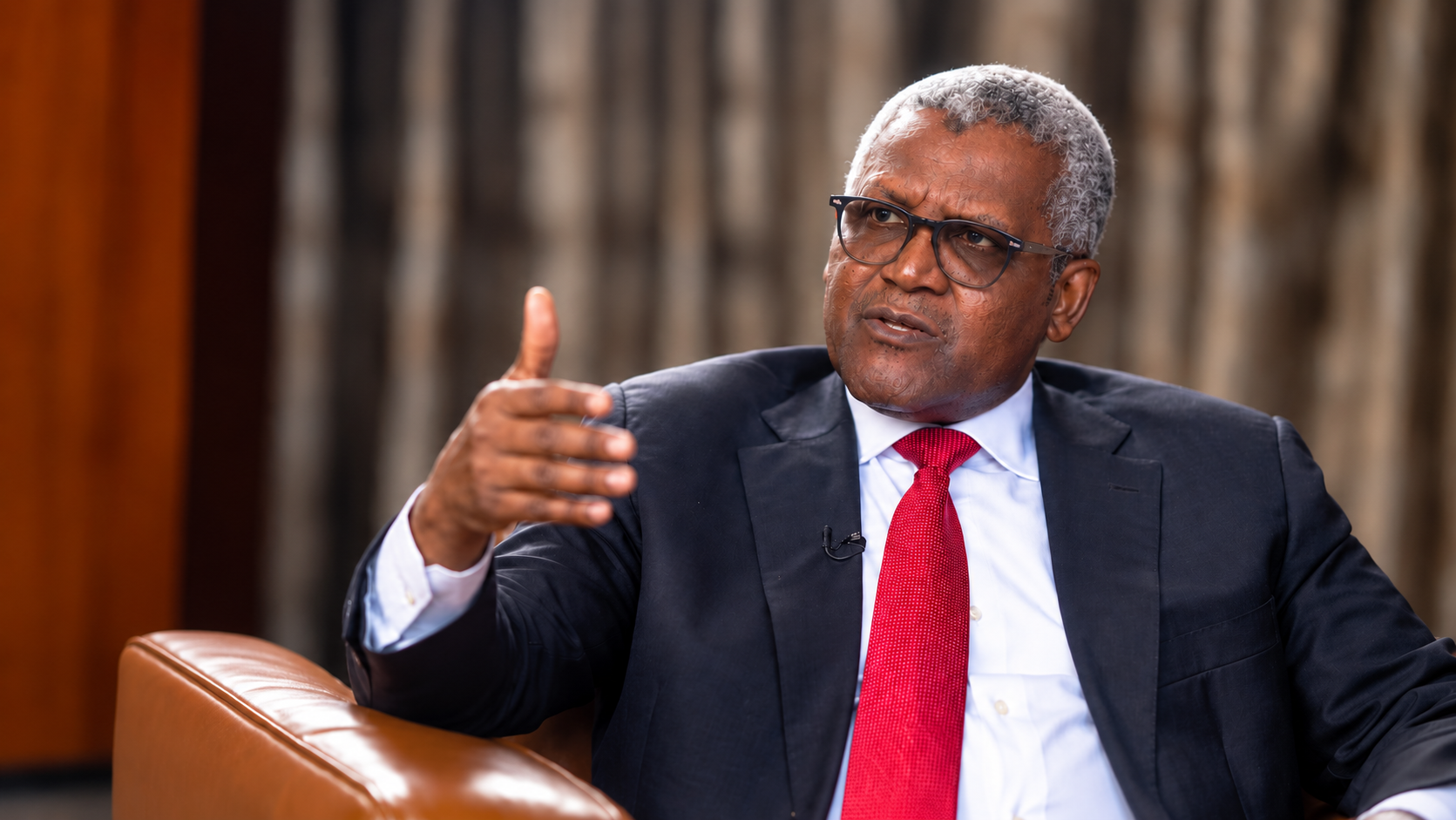
For generations, men were taught that strength meant endurance, leadership meant authority, and success was measured by their ability to provide financially for their families. Yet during a thought-provoking conversation marking International Men’s Health Week, Ezekiel Solesi, Managing Director and Chief Executive Officer of LIMBsimple, challenged many of those long-held assumptions, arguing that the demands of modern manhood had evolved far beyond the traditional roles of provider and protector.
Drawing from his experiences as a business leader, husband and father, Solesi painted a compelling picture of a generation of men navigating unprecedented social and economic changes. According to him, while the responsibility to provide remained constant, the nature of what men were expected to provide had changed dramatically.
He observed that previous generations of men primarily provided financial security and physical protection, largely because societal structures limited women’s participation in education, employment and economic opportunities. However, as women increasingly became educated, financially independent and professionally accomplished, men were being called upon to offer something deeper than material support.
“The role of provider has not disappeared,” Solesi explained. “What men are expected to provide today is evolving.”
YOU CAN ALSO READ: Moritz Fürste and the Race That Changed Fitness Forever
He argued that modern leadership within families was no longer rooted in dominance or authority alone. Instead, it required emotional intelligence, partnership and the ability to lead equals. Unlike previous generations where financial dependence often shaped family dynamics, many women today had the freedom to choose relationships based on shared values, mutual respect and emotional connection rather than economic necessity.
According to Solesi, this shift had created a new challenge for many men who were still operating from what he described as an “old operating system.” They had been trained to lead through authority but now found themselves in a world where influence, empathy and collaboration carried far greater value. One of the most significant qualities he identified as essential for modern men was kindness.
In a society that often celebrated ambition, wealth and achievement, Solesi argued that kindness had become an underrated leadership skill. He particularly emphasized its importance in marriage, noting that ambitious women often flourished best alongside partners who were secure enough to support their dreams without feeling threatened by their success.
He suggested that kindness was often revealed in how a man treated those over whom he held power, rather than those from whom he stood to gain something. In his view, genuine leadership was reflected not in control but in the ability to create an environment where others could thrive. Beyond kindness, Solesi highlighted what he described as the critical importance of presence.
For him, presence extended beyond merely being physically available. It involved active participation in the lives of spouses, children and family members. It meant contributing to household responsibilities, supporting a partner’s career aspirations and being emotionally available during important moments.
He argued that modern family structures required greater flexibility from men than ever before. As more women balanced demanding careers alongside family responsibilities, successful relationships increasingly depended on cooperation rather than rigid adherence to traditional gender roles.
Solesi pointed to changing realities among African families living abroad as evidence of this evolution. In societies where domestic help was less accessible and both partners often worked full-time, traditional assumptions about household responsibilities frequently became sources of conflict. Men who adapted and embraced shared responsibilities, he suggested, were better positioned to build stable and fulfilling relationships. The discussion also explored the impact of patriarchy on men themselves.
While acknowledging that patriarchal systems had historically granted men significant privileges, Solesi argued that those systems had emerged within specific economic and social realities. In earlier societies, men’s roles as hunters, protectors and providers gave them disproportionate influence within families and communities.
However, as those realities changed, many of the privileges associated with traditional masculinity became less relevant.
He suggested that today’s men were being forced to learn skills that previous generations never needed to develop. Emotional awareness, communication, empathy and collaborative leadership had become increasingly important competencies in a rapidly changing world.
“Men are evolving because survival requires adaptation,” he noted. Perhaps the most revealing aspect of the conversation centred on men’s emotional and mental well-being.
Solesi challenged the common perception that men were unwilling to discuss their struggles. Instead, he argued that men typically shared vulnerabilities differently from women. According to him, men often disclosed challenges only to individuals they believed could genuinely help solve problems or offer practical guidance.
He explained that many men hesitated to share burdens with loved ones because they feared transferring anxiety to people who lacked the ability to influence the outcome. As a result, they often processed challenges internally or discussed them within trusted circles of friends, mentors and colleagues.
This, he suggested, contributed to the misconception that men ignored their mental health.
Far from being emotionally detached, many men were actively seeking support—just in less visible ways. Conversations among trusted friends, discussions after work, mentorship relationships and informal social gatherings frequently served as outlets for emotional release and reflection.
Nevertheless, Solesi acknowledged that more needed to be done to encourage healthy emotional support systems for men. He stressed the importance of meaningful friendships and trusted communities where men could discuss challenges openly without fear of judgment.
At the same time, he cautioned against approaching mental health conversations in ways that ignored the importance of resilience.
While supporting greater awareness of emotional well-being, he argued that society must also continue teaching mental toughness. The objective, he said, was not simply to acknowledge difficulties but to develop the strength and determination necessary to overcome them.
According to Solesi, resilience and vulnerability were not opposing concepts. Rather, they complemented one another.
The strongest men, he suggested, were not those who never experienced fear, anxiety or hardship. They were the men who confronted those realities honestly, learned from them and continued moving forward despite adversity.
YOU CAN ALSO READ: How Cristiano Ronaldo Became Football’s First Active Billionaire
Throughout the discussion, Solesi repeatedly returned to one central idea: modern masculinity was not about abandoning traditional responsibilities but expanding them.
Financial provision remained important. Leadership remained necessary. Responsibility remained non-negotiable.
However, the modern man was now expected to bring more to the table. He was expected to offer emotional stability, kindness, presence, partnership and self-awareness alongside financial support. For Solesi, the future belonged to men who embraced this evolution.
In an era defined by rapid social change, he argued that the most successful men would not be those who clung to outdated notions of power, but those who understood that true strength lay in adaptability, emotional intelligence and the ability to build meaningful relationships.
Ultimately, his message was both simple and profound: the modern man was not being asked to become less of a man. He was being challenged to become a better one.