The International Monetary Fund (IMF) has recognised Nigeria as one of Africa’s leading artificial intelligence (AI) economies, marking another milestone in the country’s ambition to become a continental hub for digital innovation and emerging technologies.
The recognition, contained in the IMF’s Artificial Intelligence in Sub-Saharan Africa report, comes amid growing international acknowledgement of Nigeria’s efforts to build a robust AI ecosystem through strategic investments in digital infrastructure, policy development, talent cultivation, and innovation.
Reacting to the development, the Minister of Communications, Innovation and Digital Economy, Dr. Bosun Tijani, described the recognition as an encouraging affirmation of the Federal Government’s deliberate efforts to position Nigeria for the opportunities and economic transformation that artificial intelligence presents.
According to Tijani, the IMF’s assessment follows Nigeria’s impressive performance in other global rankings, including the Global Index on Responsible AI (GIRAI) and the Oxford Government AI Readiness Index. He noted that these recognitions collectively demonstrate that sustained investments in policy, innovation, and human capital are beginning to yield measurable results.
“The IMF’s recognition of Nigeria as one of Africa’s leading AI economies is an encouraging affirmation of the progress we are making to position our country for the opportunities of the AI era,” the minister stated.
He added that the latest recognition reinforces the government’s belief that carefully designed policies and long-term investments can lay the foundation for sustainable economic growth while creating new opportunities for businesses, entrepreneurs, researchers, and young technology professionals.
YOU CAN ALSO READ: Can Technology Transform Nigeria? Bosun Tijani Shares the Roadmap
While acknowledging Nigeria’s growing AI capabilities, the IMF also stressed that unlocking the full potential of artificial intelligence across Sub-Saharan Africa will require significant and sustained investment in critical infrastructure. These include reliable electricity supply, expanded broadband connectivity, improved digital infrastructure, and large-scale development of digital skills.
Tijani said the Federal Government shares this perspective and has, over the past two years, prioritised investments aimed at addressing these structural challenges while creating an enabling environment for AI innovation to thrive.
Among the flagship initiatives highlighted by the minister are the National Artificial Intelligence Strategy, designed to provide a comprehensive framework for AI governance and development; the National AI Trust, which seeks to foster responsible AI adoption; the AI Collective, aimed at strengthening collaboration among stakeholders in Nigeria’s AI ecosystem; and the Nigeria AI Scaling Hub, established to accelerate the development and commercialisation of locally relevant AI solutions.
He also referenced the Three Million Technical Talent (3MTT) programme, one of the government’s most ambitious digital skills initiatives, which aims to equip millions of Nigerians with globally competitive technical and digital competencies needed to participate in the emerging digital economy.
In addition, Tijani highlighted Project BRIDGE, a nationwide broadband expansion initiative focused on significantly increasing Nigeria’s fibre-optic infrastructure. According to him, expanding high-speed internet connectivity remains critical to ensuring that AI technologies can be developed, deployed, and accessed across the country.
The minister explained that the overarching goal of these initiatives is not merely to ensure Nigeria adopts artificial intelligence technologies but to position the country as a producer of AI-powered innovations capable of addressing local challenges across sectors such as healthcare, agriculture, education, financial services, manufacturing, governance, and public service delivery.
“Our objective is to ensure that Nigeria is not only prepared to adopt AI but also to develop, deploy, and scale AI solutions that solve local problems while creating opportunities for our people,” he said.
Despite the international recognition, Tijani acknowledged that considerable work remains to be done to fully realise Nigeria’s AI ambitions. He noted that government alone cannot drive the transformation and emphasised the importance of sustained collaboration with the private sector, academia, development partners, research institutions, startups, and the broader innovation ecosystem.
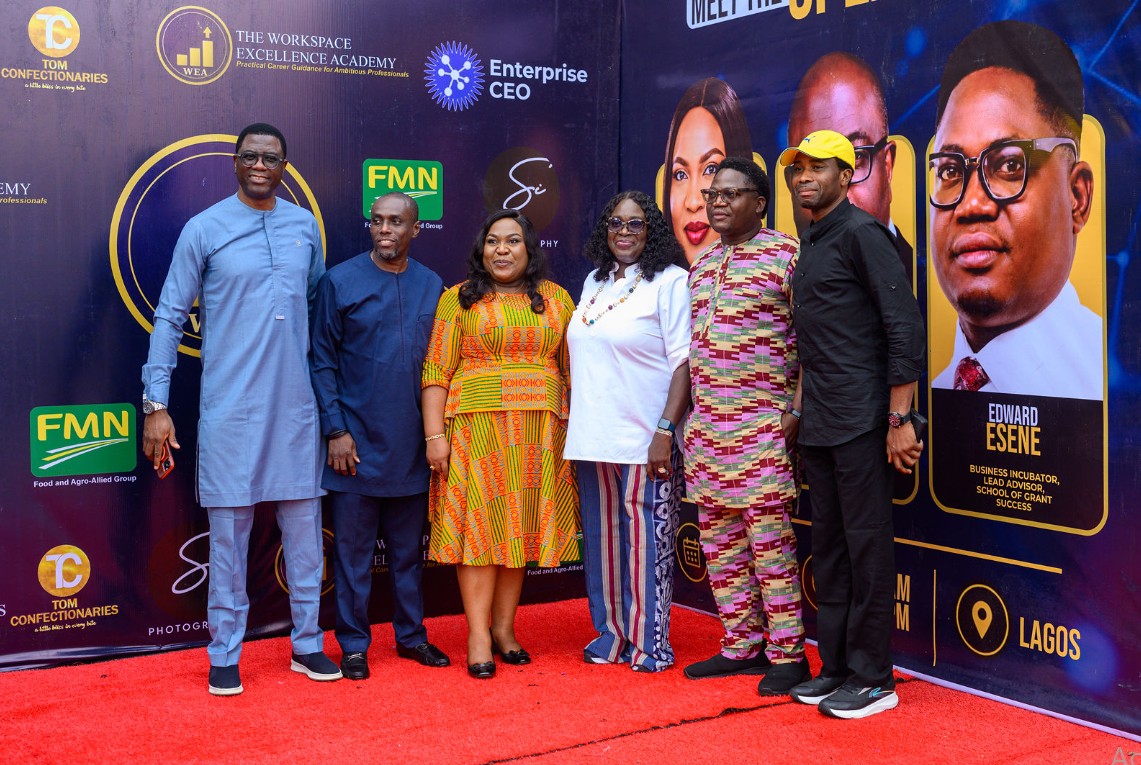
YOU CAN ALSO READ: Margaret Omovbude, Yemi Fasheun, Others Empower Professionals with Workplace Growth Strategies
He reaffirmed the Federal Government’s commitment to removing barriers that hinder AI adoption, strengthening digital infrastructure, developing world-class talent, supporting research and innovation, and implementing policies that encourage responsible and inclusive AI development.
The minister expressed confidence that with continued investment and strategic partnerships, Nigeria can consolidate its position as one of Africa’s leading AI economies and emerge as a globally competitive centre for artificial intelligence innovation.
The IMF’s recognition is expected to further enhance investor confidence in Nigeria’s rapidly expanding technology sector while reinforcing the country’s aspiration to leverage artificial intelligence as a catalyst for economic diversification, productivity, job creation, and long-term sustainable development.