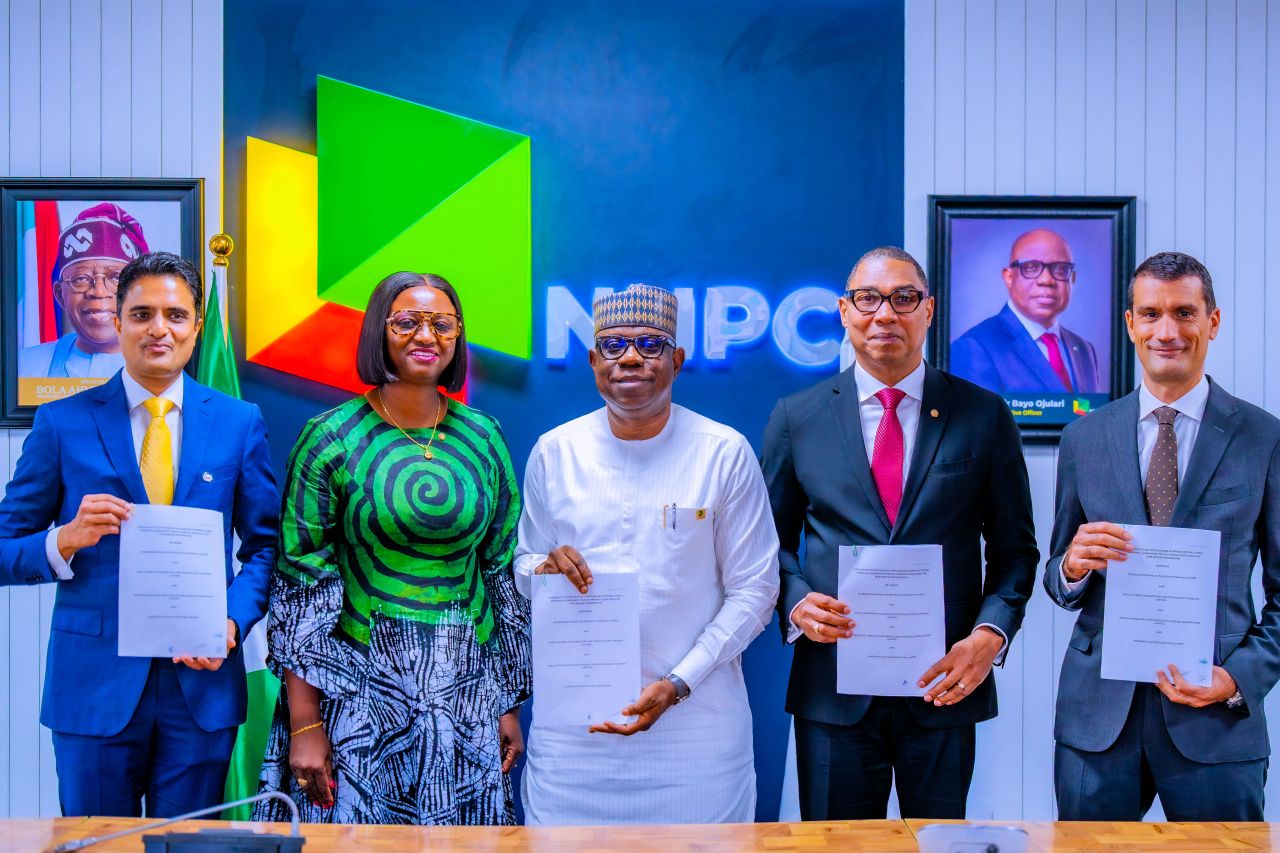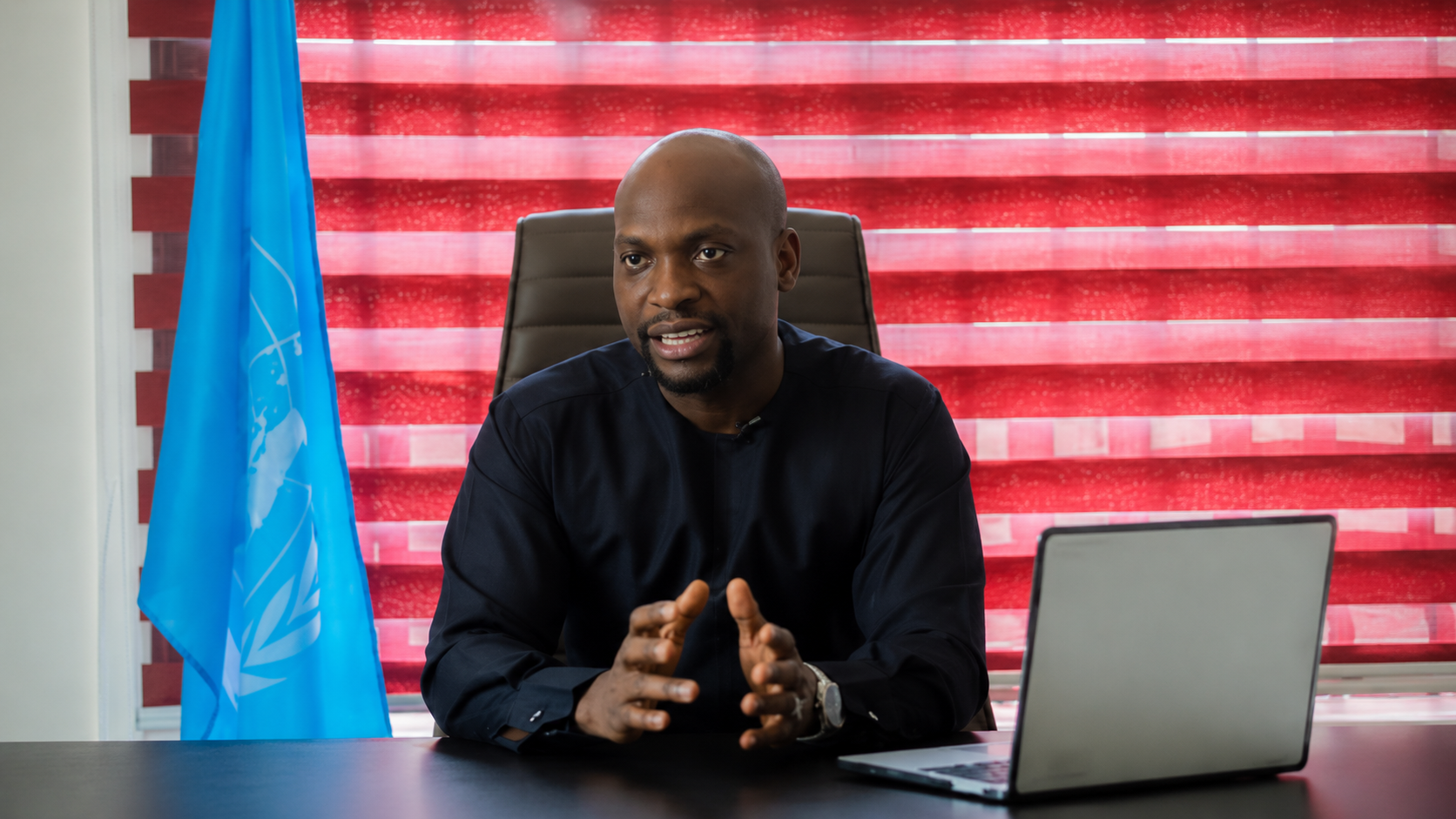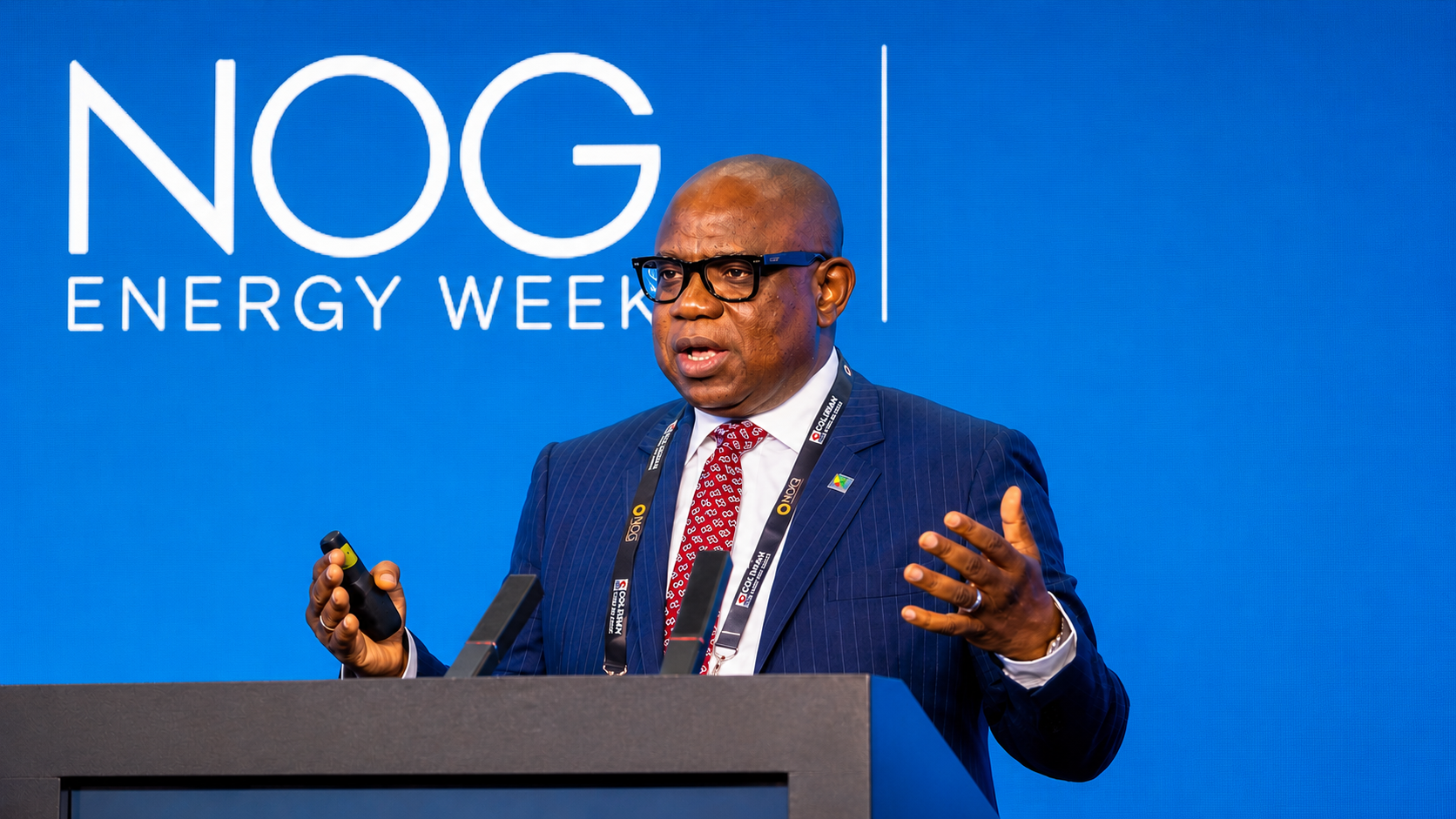
From transformation to execution, Group Chief Executive Officer of NNPC Limited, Bashir Bayo Ojulari delivered one of the defining messages of NOG Energy Week 2026, arguing that Africa’s greatest energy challenge is no longer a shortage of resources but a shortage of collaboration. Standing before an audience of government leaders, global investors, regulators, industry executives, and policymakers, he presented a compelling vision of an integrated African energy ecosystem where partnerships, accountability, and execution, not isolated ambition, become the true engines of prosperity.
A year after outlining his transformation agenda for NNPC Limited at the previous edition of the conference, Ojulari returned not merely with fresh promises but with measurable progress. His address reflected an organization determined to move beyond rhetoric, demonstrating how operational discipline, financial accountability, cultural transformation, and strategic collaboration are gradually repositioning Nigeria’s national energy company into a globally competitive enterprise.
Speaking during the Strategic Conference at NOG Energy Week 2026, Ojulari reminded delegates that while performance, transparency, and accountability remain the pillars of NNPC Limited’s transformation, recent global events have underscored another equally important reality: no country, company, or institution can unlock Africa’s enormous energy potential alone.
YOU CAN ALSO READ: How Adegbite Falade Wants Nigeria to Build an Energy Industry That Lasts
According to him, Africa’s challenge is not the absence of hydrocarbons, investment opportunities, or technical talent. Rather, it lies in the fragmentation that separates resource owners from operators, investors from projects, innovation from execution, policy from capital, and research from commercialization. Closing these gaps, he argued, is the defining task if the continent is to transform abundant resources into sustainable prosperity.
Echoing the conference theme, “Forging Africa’s Strategic Energy Growth Through Global Collaboration,” Ojulari described collaboration as the missing link capable of reshaping Africa’s energy future. He challenged governments, regulators, investors, financiers, research institutions, service companies, and national oil companies to abandon siloed thinking and embrace integrated partnerships capable of delivering long-term value.
“The winners of the next energy era will not necessarily be those with the largest reserves,” he declared. “They will be those who build the strongest partnerships and the most resilient ecosystems around those resources.”
Drawing lessons from the evolution of international oil companies, Ojulari observed that the world’s largest energy corporations succeeded because they embraced shared risks, complementary capabilities, and collaborative investments. Africa, he argued, must adopt a similar mindset by replacing fragmented national ambitions with coordinated continental strategies.
He also highlighted the changing global energy landscape, pointing to geopolitical tensions, shifting trade routes, evolving supply chains, rapid technological advancement, and increasingly selective capital flows as evidence that the rules of global competition are changing. In this new reality, Africa cannot rely solely on its natural resource endowment; it must build attractive investment ecosystems anchored on policy certainty, technological innovation, indigenous capacity, and strategic partnerships.
Despite possessing approximately 70 percent of the world’s remaining natural gas resources, significant oil reserves, abundant renewable energy potential, critical minerals, and one of the youngest populations globally, Africa continues to attract only a modest share of global energy investment. Ojulari insisted that this imbalance can only be reversed through stronger collaboration, investment-friendly regulations, integrated value chains, and greater commercialization of research and innovation.
Beyond presenting a continental vision, the NNPC Limited chief executive also provided an accountability report on the company’s transformation journey over the past year. He stressed that annual conferences should not merely introduce new themes but should also measure progress against previous commitments.
Among the milestones highlighted was improved pipeline availability, which he attributed to stronger collaboration between operators, host communities, and security agencies. Rather than relying solely on force to secure critical infrastructure, Ojulari emphasized that sustainable pipeline security depends on trust, partnership, and community engagement.
He also pointed to significant improvements in financial discipline, revealing that NNPC Limited has prioritized cash flow management across its operations while adopting a zero-tolerance stance toward partners unable to meet their financial obligations. The objective, he explained, is to create a commercially disciplined organization capable of delivering value consistently while attracting greater investor confidence.
Perhaps one of the most significant themes running through his address was the cultural transformation taking place within NNPC Limited itself. Ojulari described an organization deliberately dismantling internal silos, strengthening execution capabilities, improving project discipline, and fostering an enterprise-wide culture built on collaboration rather than bureaucracy.
Planning alone, he noted, has never been Nigeria’s problem. The greater challenge has always been translating ambitious proposals into barrels of oil, commercial returns, industrial growth, and national prosperity. Consequently, NNPC Limited is reshaping its internal culture to prioritize execution, measurable outcomes, and enterprise-wide accountability.
The company is also restructuring its investment philosophy by eliminating projects without clear commercial viability and introducing innovative financing structures for critical infrastructure. Ojulari highlighted Project Nexus, a financing model that links infrastructure funding directly to project performance rather than relying on unrelated revenue streams. Similar reforms, he explained, are also being implemented across the company’s refining business to improve operational sustainability and commercial performance.
Looking beyond oil production, Ojulari presented NNPC Limited as an ecosystem builder rather than merely an energy producer. He outlined a future in which the company serves as a connector of capital, technology, policy, talent, infrastructure, and markets—creating an environment where investment can flourish and long-term value can be generated for both Nigeria and the wider African continent.
His vision extended to Africa’s industrial future, where natural gas powers factories, homes, industries, and economic diversification, while universities become innovation hubs capable of delivering commercially relevant technologies and highly skilled talent to the energy sector.
YOU CAN ALSO READ: Why Jeff Bezos Says Speed Is the Ultimate Competitive Advantage
Concluding his address, Ojulari called on governments, regulators, national oil companies, international investors, financial institutions, academia, and technology providers to write Africa’s next energy chapter together. The continent’s future, he argued, will not be determined by the volume of resources beneath its soil but by the quality of partnerships forged above it.
It was a message that resonated throughout the conference hall—a call for Africa to move beyond fragmented ambitions toward a shared vision in which collaboration drives industrialization, innovation creates prosperity, and the continent evolves from being merely a supplier of energy to becoming a global hub for energy investment, technology, manufacturing, and value creation.
For Ojulari, the opportunity is historic, the responsibility is collective, and the time to act is now. Through purposeful collaboration, disciplined leadership, and unwavering execution, he believes Africa can redefine not only its energy future but its economic destiny.