The Group Chief Executive Officer of NNPC Limited has welcomed the signing of the Intergovernmental Agreement for the African Atlantic Gas Pipeline by ECOWAS Heads of State, describing it as a landmark step toward unlocking regional energy security, industrial growth, and economic integration across West Africa.
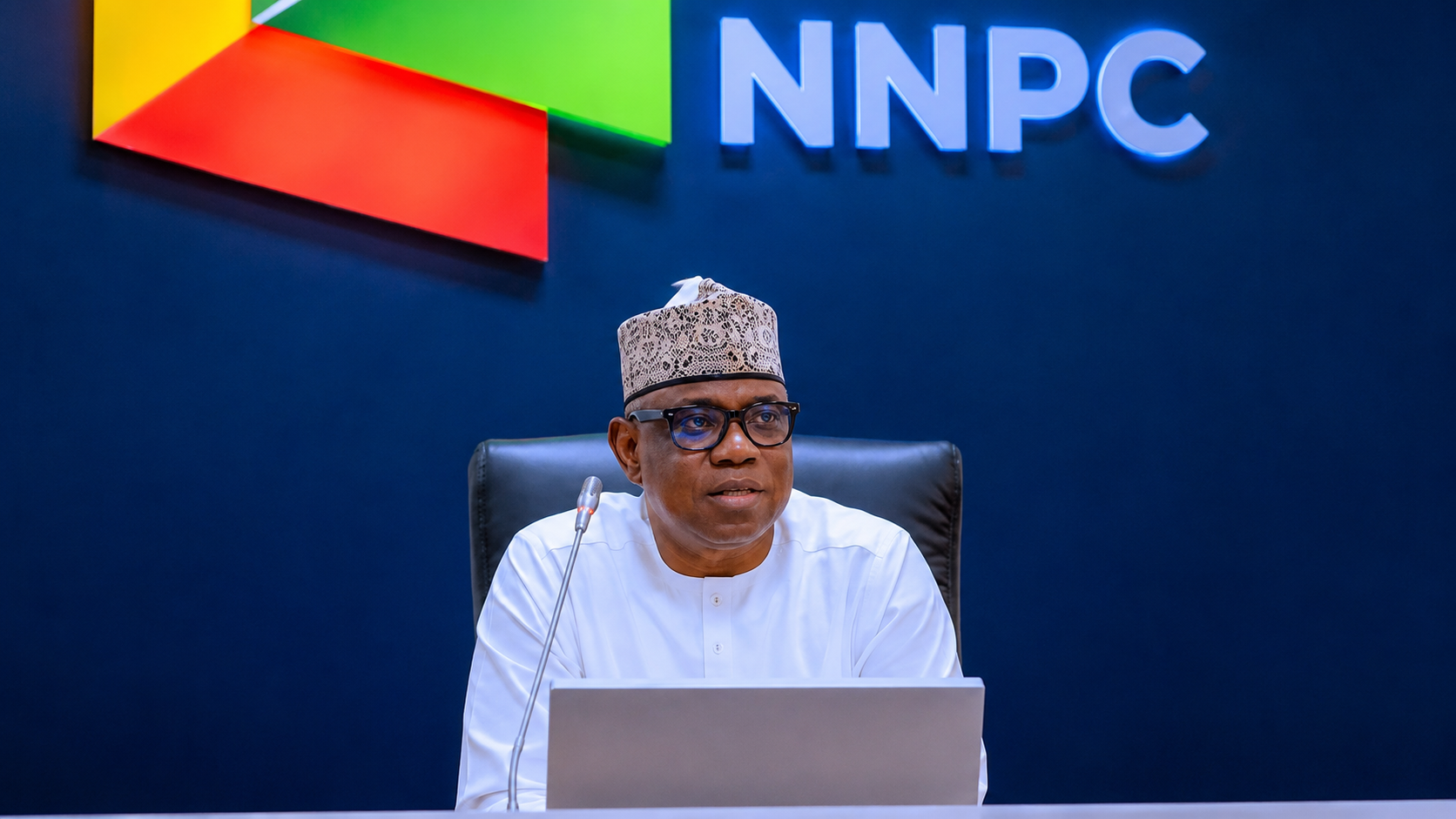
The Group Chief Executive Officer of NNPC Limited, Bashir Bayo Ojulari, has described the signing of the Intergovernmental Agreement (IGA) for the African Atlantic Gas Pipeline (AAGP) by Heads of State across the Economic Community of West African States (ECOWAS) as a historic milestone in advancing one of Africa’s most ambitious energy infrastructure projects.
The agreement was signed during the ECOWAS Summit in Freetown, Sierra Leone, marking what Ojulari described as one of the most significant achievements since the pipeline project was first conceived.
Sharing his reaction in a statement, the NNPC GCEO said the agreement provides the sovereign, political, and legal framework needed to move the project from planning to implementation.
YOU CAN ALSO READ: Bayo Ojulari Leads NNPC into a New Era of Transparency and Growth
According to him, the milestone reflects the shared vision of President Bola Ahmed Tinubu and King Mohammed VI of Morocco, whose commitment has continued to drive the project forward.
“This achievement reflects the clear mandate of His Excellency President Bola Ahmed Tinubu and the vision he shares with His Majesty King Mohammed VI of Morocco. The African Atlantic Gas Pipeline is central to delivering on that shared vision, giving the project the sovereign, political, and legal foundation it needs to move from vision to delivery,” he said.
Ojulari noted that although the agreement may appear to be another ceremonial signing, it represents a defining step toward implementation of a project expected to reshape Africa’s energy landscape.
Once completed, the nearly 6,900-kilometre pipeline is expected to transport approximately 3 billion standard cubic feet of Nigerian gas per day, delivering about 30 billion cubic metres of natural gas annually to regional and international markets.
The project is also expected to establish an integrated energy corridor connecting Nigeria, the Sahel, Morocco, and Europe, while supplying up to 15 billion cubic metres of gas annually to Morocco and European markets and strengthening gas availability across West Africa.
Beyond energy supply, Ojulari said the pipeline would significantly enhance electricity generation across participating countries, accelerate industrialisation, stimulate new industrial value chains, attract investment, and create sustainable employment opportunities throughout the region.
He added that the latest milestone builds on years of collaborative work involving multiple governments and institutions, including the completion of the Front-End Engineering Design (FEED), route reconnaissance surveys, substantial progress on the Environmental and Social Impact Assessment (ESIA), and the development of the legal, regulatory, and commercial frameworks required to support implementation.
Ojulari reaffirmed NNPC Limited’s commitment to the project, noting that the company remains a co-lead partner alongside Morocco’s Office National des Hydrocarbures et des Mines (ONHYM).
YOU CAN ALSO READ: NNPC’s ₦5.4 Trillion Profit Raises Fresh Questions After Debt Write Off
According to him, the remaining signatures from Morocco and Mauritania will pave the way for the establishment of the Pipeline Higher Authority (PHA) in Abuja and the AAGP Project Company in Casablanca, key institutions expected to facilitate the project’s Final Investment Decision (FID).
Expressing appreciation to governments, development partners, and technical teams involved in the initiative, Ojulari said NNPC Limited would remain focused on translating the agreement into a world-class energy infrastructure project capable of deepening regional integration, strengthening energy security, and unlocking long-term economic prosperity across West Africa and beyond.