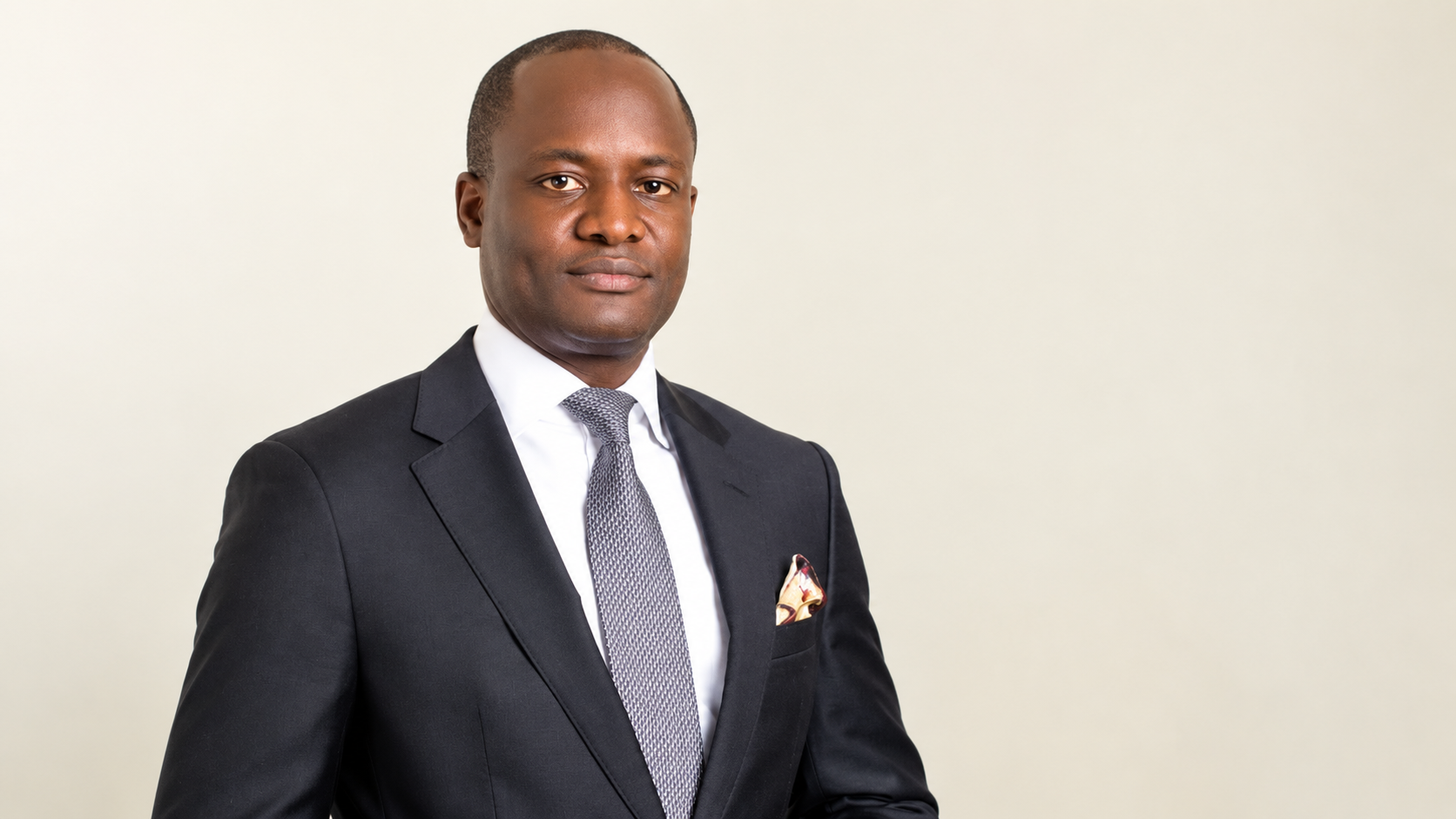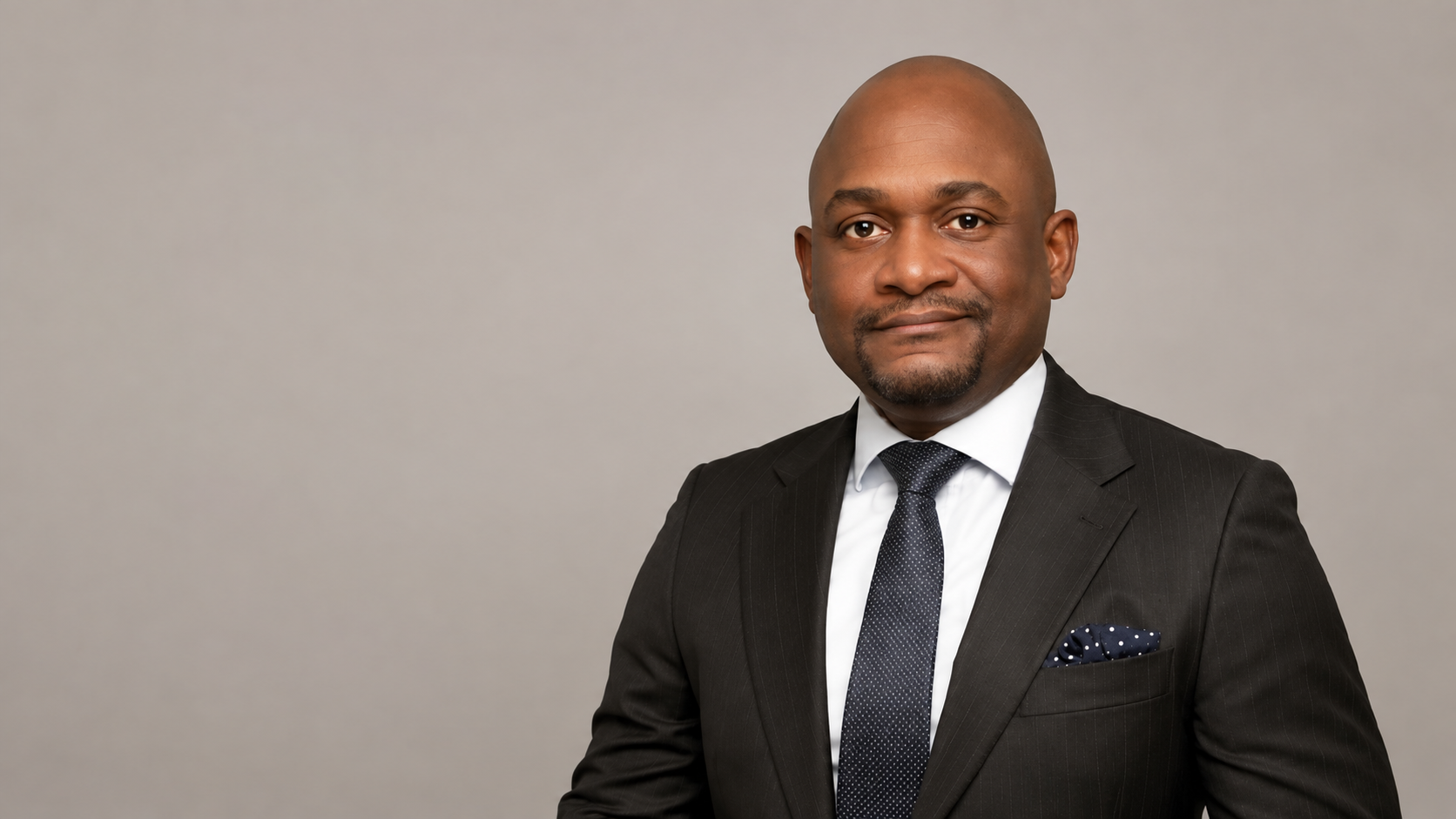
As global financial dynamics shift and emerging markets find new ground, leading Investment Research Analyst, Nathanael Disu is helping Nigerians make sense of the moment and seize its opportunities.
In his latest economic outlook, Disu paints a layered picture of Nigeria’s economy, one marked by both promising momentum and stubborn challenges. Speaking on the weakening U.S. dollar, whose DXY Index has fallen by approximately 11% year-to-date, Disu believes the tide is turning in favor of emerging markets.
YOU CAN ALSO READ: Faith, Oil, and Enterprise: How Sam Adeyemi’s Prophetic Push for Entrepreneurship Is Reshaping the Economy
“Whenever the dollar is weakened, there’s a lot of opportunity in emerging markets, and that’s where Nigeria comes into play,” he said.
He draws attention to West Africa, where Ghana’s cedi has appreciated by nearly 40%, while Nigeria’s naira, despite global and local pressures, has held relatively stable, weakening by just 0.6% this year compared to 31% in the same period last year.
“That kind of stability is significant,” Disu explained. “It’s restoring confidence in Nigeria’s market.”
That confidence is reflected in equity market performance. Nigeria’s stock market has posted a 16% return year-to-date, while Ghana leads the African continent with a 27% gain, a signal, Disu notes, of growing investor interest driven by improving macroeconomic fundamentals.
But beyond short-term numbers, Disu is raising deeper questions about valuation and participation. Africa’s current Price-to-Earnings (P/E) ratio sits at just 6.9, compared to 17 for BRICS nations and 18 in developed markets.
“It shows African markets are undervalued,” he said. “But the real issue is participation. Less than 5% of Nigerians are in the stock market, compared to more than 60% in the U.S.”
That gap, he argues, is more psychological than structural. Closing it has become a personal mission. Through his fast-growing Investment Bootcamp, Disu is mentoring a new generation of Nigerians in the art of wealth creation through equities and personal finance.
“We’re seeing a shift. Young Nigerians are moving away from forex trading and getting more interested in local equities,” he observed. “That’s a promising sign.”
Disu is no stranger to the broader public. With regular appearances on Channels TV and Arise TV, he simplifies complex financial issues, from inflation and interest rates to stock strategies and fiscal reforms, for audiences eager to understand how it all impacts their daily lives.
On Nigeria’s 2025 economic forecast, Disu remains cautiously optimistic. While GDP growth is projected to hold at 3.3%, he notes that a full revision is pending until fresh data becomes available following the rebasing of the GDP and CPI indices.
“Until we know how new sectors will influence the numbers, it’s wise to hold the line,” he said.
Disu anticipates 24.7% inflation by year-end, but stresses that macro stability must translate into real-life affordability.
“The numbers might look good on paper, but Nigerians aren’t feeling it yet,” he warned. “If bread prices and food costs haven’t gone down, then we still have work to do.”
He forecasts that the naira could stabilize around ₦1,550 to the dollar by December, aided by FX reforms, increased liquidity, and stronger monetary coordination from the Central Bank.
Yet significant fiscal hurdles remain. Disu points to the country’s 2025 revenue projection of ₦21 trillion, which hinges on 2.1 million barrels per day of oil at $75 per barrel, a target he views as overly optimistic.
“We’re producing around 1.5 to 1.6 million barrels per day, and oil prices are currently at $68,” he said. “To meet the budget, we’d need oil at $100, which seems unlikely.”
As a result, Disu projects a ₦17.2 trillion budget deficit, to be filled via domestic and foreign borrowing.
Still, he remains bullish on select sectors. Consumer goods stocks, once battered by FX crises, are rebounding. Companies like PZ, Nestle, and Unilever are back in profit, while Honeywell has surged over 200% this year. The ICT sector, powered by firms like MTN, has also recorded a 31% return year-to-date.
YOU CAN ALSO READ: Richard Branson Marks Wife Joan’s 80th Birthday with Moving Tribute to Their Lifelong Bond
“These companies were hit hard in 2023 and 2024,” Disu noted. “But with better FX access and input costs declining, they’re finding their feet again, and the market is responding.”
Beyond the charts and trends, Nathanael Disu is on a mission. He wants to help young Nigerians build financial independence and navigate uncertainty with clarity and confidence. With over 25,000 social media followers, countless TV appearances, and a growing base of mentees, his voice is shaping the financial future of Nigeria.
“We have to equip this generation with the tools to make better financial decisions,” he said.
Indeed, Disu is more than an analyst. He’s a financial educator, mentor, and strategist, and a rising voice in Nigeria’s economic narrative, helping to redefine how a generation sees money, risk, and opportunity.