For decades, Africa’s agricultural potential remained one of the world’s greatest paradoxes. The continent possessed nearly 60 per cent of the world’s uncultivated arable land, yet millions of Africans continued to grapple with food insecurity, rising fertilizer costs and a heavy dependence on imported agricultural inputs.
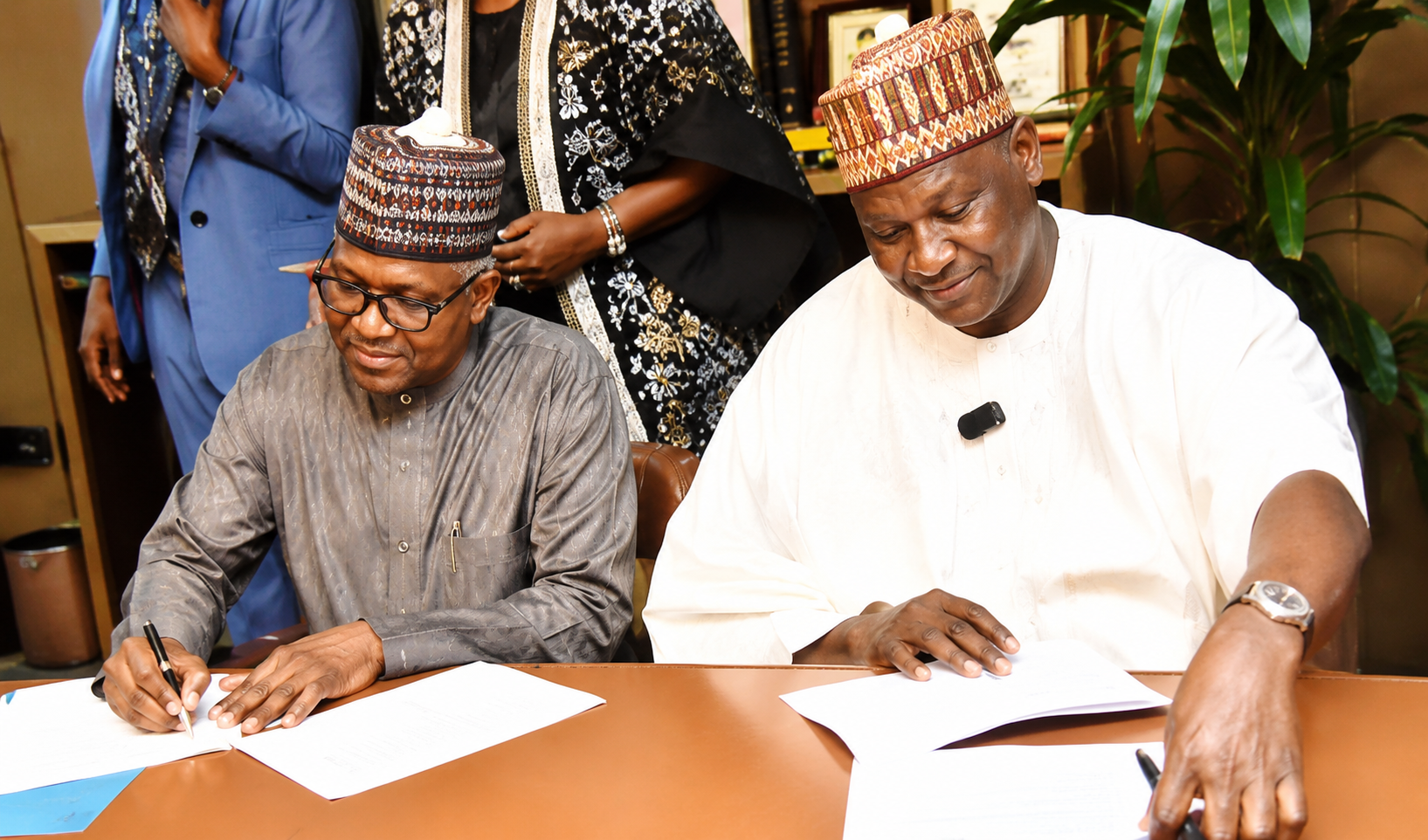
Against that backdrop, two of Africa’s most influential institutions joined forces to alter the continent’s trajectory. In a landmark $600 million financing agreement, the Africa Finance Corporation (AFC) and Dangote Group unveiled one of Africa’s largest fertilizer expansion projects, a move expected to reshape the continent’s agricultural and economic future for generations.
At the centre of the partnership was a shared ambition: to strengthen local production, reduce import dependence and build industrial systems capable of feeding Africa’s rapidly growing population. The investment would enable Dangote Fertiliser Limited to triple its urea production capacity in Nigeria from three million metric tonnes to nine million metric tonnes annually, while supporting the development of a new fertilizer plant in Ethiopia. Once completed, total production capacity was projected to reach 12 million metric tonnes across Africa.
YOU CAN ALSO READ: How Ibukun Awosika Is Redefining Executive Spaces in Lagos
Beyond the impressive figures, however, lay a much larger story, one about African institutions financing African solutions to African challenges.
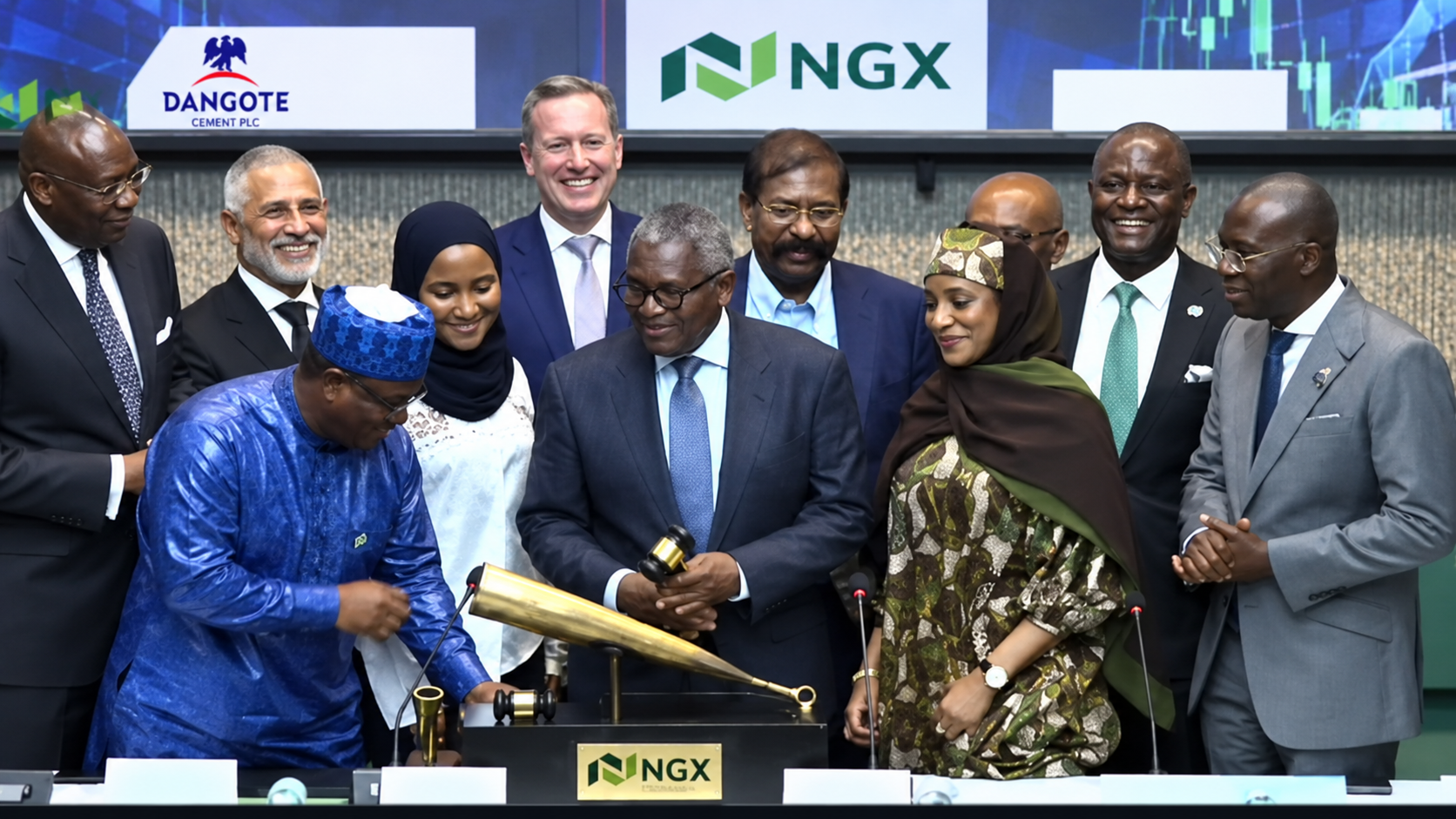
President and Chief Executive Officer of Dangote Group, Aliko Dangote said the partnership represented far more than a financial transaction. It symbolised confidence in Nigeria’s future and faith in Africa’s ability to build globally competitive industries.
Reflecting on the significance of the investment, Dangote said such a commitment would have been almost unimaginable a decade earlier.
“Five or ten years ago, $600 million was a no-brainer. There was actually no way for any bank to think about putting this kind of money together. It is the faith that Samaila has in Dangote Group, and not only in Dangote Group, but in Nigeria and in contributing to the growth of the country,” he said.
According to Dangote, the investment would have far-reaching implications for Nigeria’s economy, particularly in foreign exchange generation. Within the next three years, the fertilizer business alone was projected to generate more than $4 billion annually in export revenues.
The expansion also reflected Dangote Group’s ambition to build an integrated fertilizer ecosystem rather than a single-product enterprise.
“We were moving from three million tonnes of production to about nine million tonnes in Nigeria and 12 million tonnes across Africa. But we were also going into potash, phosphate and DAP. We were building an entire basket of fertilizers,” Dangote said.
That strategy carried enormous significance. For decades, many African countries had relied heavily on imported fertilizers, exposing farmers to volatile global prices, supply chain disruptions and currency fluctuations that often constrained agricultural productivity.
By localising production, Dangote sought to create an agricultural value chain capable of supporting Africa’s long-term food requirements. Yet, even he acknowledged that solving Africa’s food challenge would require partnerships that extended beyond private enterprise.
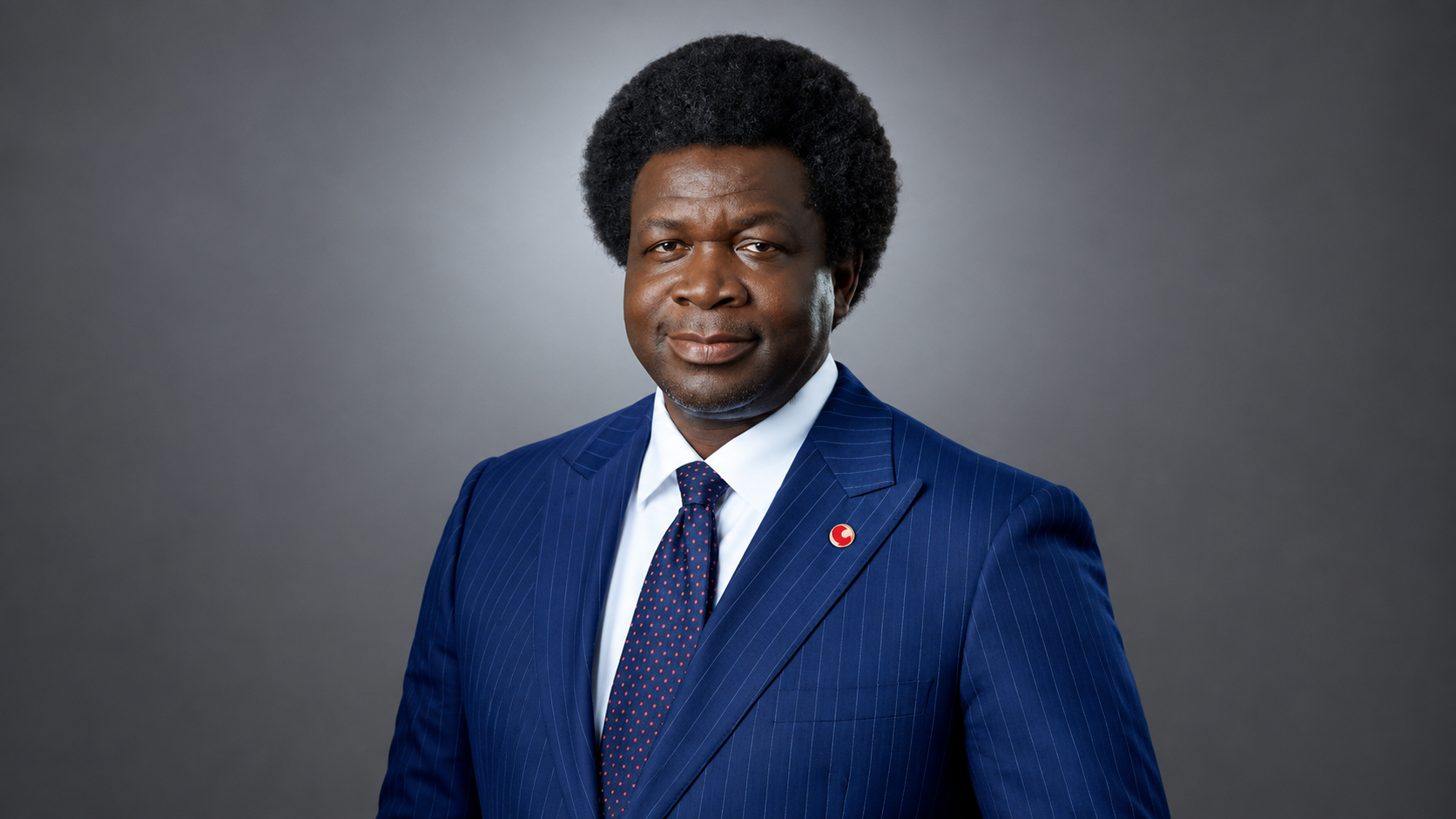
That was where Africa Finance Corporation entered the equation. For the President and Chief Executive Officer of AFC, Samaila Zubairu, the investment reflected a broader philosophy that had increasingly defined the institution’s mission: empowering African champions to solve Africa’s biggest challenges.
“Food security was one of the key areas of focus for us, and we believed in building and supporting African champions,” Zubairu said.
He stressed that Africa had to assume greater responsibility for shaping its future, especially as demographic realities rapidly transformed the continent’s development priorities.
“I kept saying to people all the time that 2050 was not very far away.” His warning carried a profound sense of urgency. Within the next 25 years, Africa’s population was projected to reach approximately 2.5 billion people, making the continent home to one out of every four people on Earth.
One question, he explained, had continued to guide AFC’s investment decisions. “How were we going to feed 2.5 billion people? This transaction was part of how we intended to do that, by ensuring that we had food security and resilient food systems in place.” However, the vision extended beyond agriculture.
“We were looking beyond food. We were looking at energy systems, connectivity and many other areas that would define Africa’s future,” Zubairu added.
Those remarks underscored AFC’s broader mandate of accelerating industrialisation and driving long-term economic transformation across the continent. The partnership with Dangote Group also reinforced a new model for African development, one in which African capital financed African industries instead of waiting for external interventions.
YOU CAN ALSO READ: How Olamide Olowe Turned a $25,000 Dorm Room Investment into a Global Beauty Empire
For years, conversations about Africa’s future had centred primarily on oil, gas and mineral resources. This partnership, however, signalled a strategic shift towards something equally important but often overlooked: food sovereignty.
Feeding a continent of 2.5 billion people would require far more than fertile land. It would demand fertilizer, energy systems, manufacturing capacity, logistics infrastructure and the courage to invest decades ahead of demand. That was precisely the bet Dangote Group and Africa Finance Corporation had placed.
In many ways, the $600 million handshake represented more than an investment agreement. It represented a statement of intent. It was Africa choosing to finance itself. It was Africa choosing to industrialise itself. And perhaps most importantly, it was Africa choosing to feed itself.
If successful, future generations may look back on that moment not simply as another corporate transaction, but as one of the defining decisions that helped secure the continent’s agricultural future.
Because by building fertilizer plants today, Africa may very well have been planting the seeds that would feed billions tomorrow.