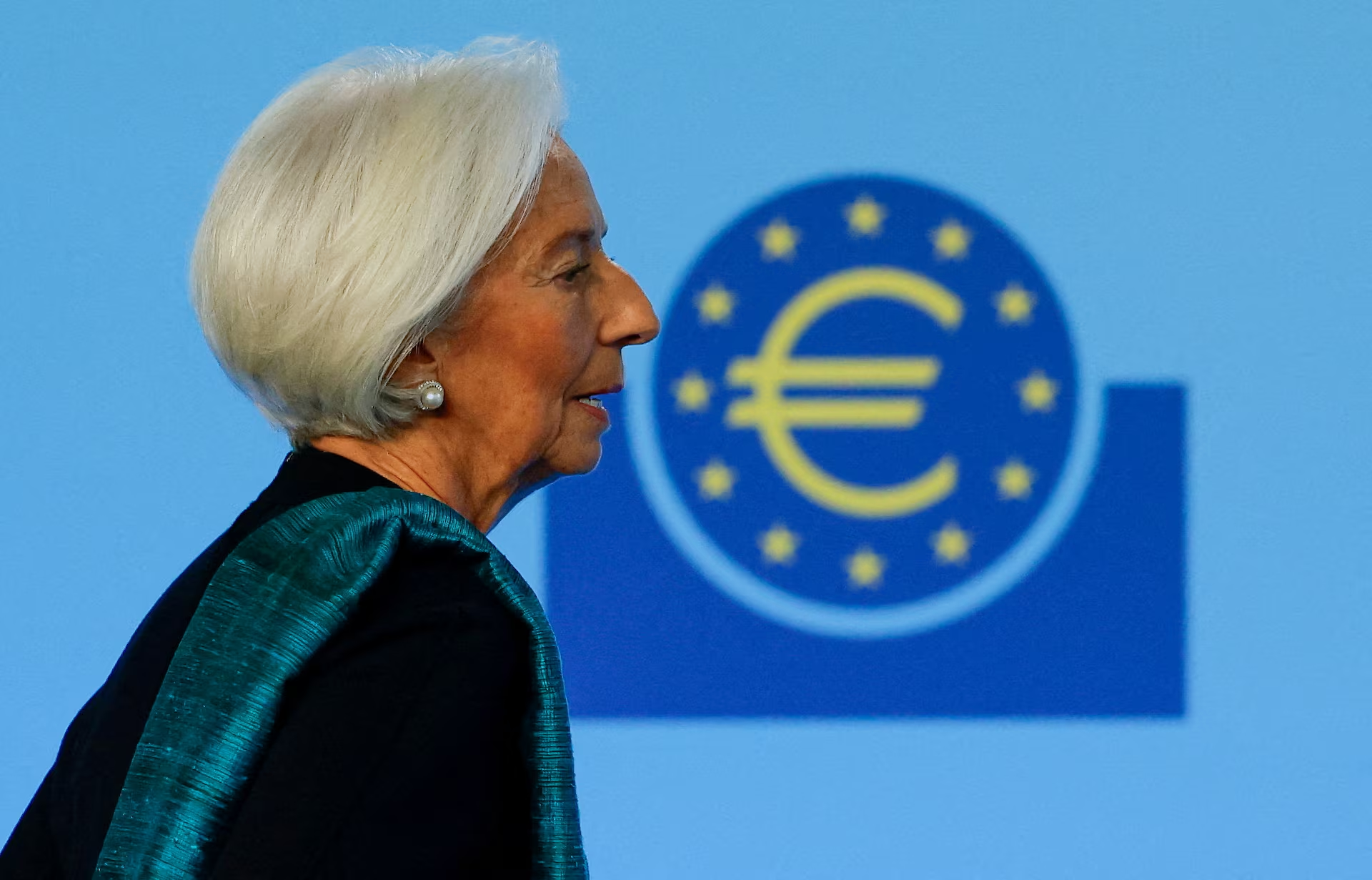
European Central Bank President, Christine Lagarde has said the euro zone economy is now operating in a fragile “in between” state, sitting between the ECB’s baseline outlook and its more severe adverse scenarios, as a new wave of geopolitical tension and energy market disruption reshapes Europe’s economic trajectory.
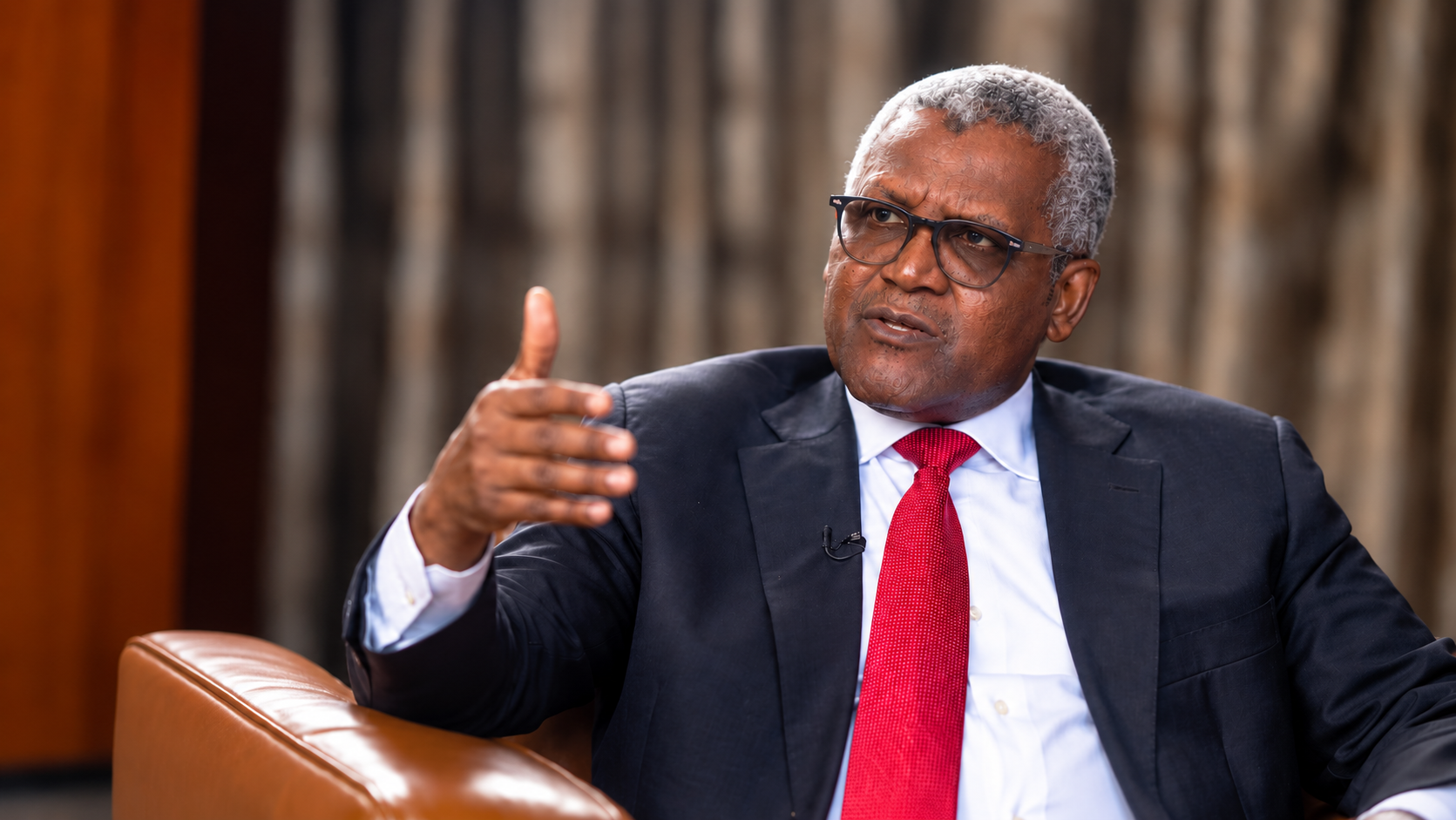
Speaking in an exclusive interview with Bloomberg’s Francine Lacqua, Lagarde pointed to the growing economic fallout from the conflict involving Iran and its spillover into global energy markets, warning that the resulting surge in energy prices is already eroding confidence, weakening sentiment, and gradually pulling the euro area away from the assumptions that underpinned the ECB’s central forecast.
She described an economy that had, until recently, been on a steady path of recovery. Inflation was showing signs of stabilisation near the ECB’s 2 percent target, unemployment remained historically low, and growth projections were cautiously improving. But that momentum, she said, has been interrupted by renewed energy shock dynamics that are once again testing Europe’s resilience.
According to Lagarde, the key transmission channel is energy. Higher oil and gas prices are feeding directly into household budgets, production costs, and transport expenses, creating a broad based drag on economic activity. While the euro zone is not at the centre of the geopolitical shock, she noted that it is highly exposed through its energy import dependence and sensitivity to global price swings.
Still, she was careful not to signal an immediate policy shift. Lagarde stressed that although the balance of risks has tilted, conditions have not yet reached a point where the European Central Bank would consider leaning toward interest rate increases. Instead, policymakers remain firmly in a watchful, data dependent mode, waiting to see whether the shock proves temporary or becomes more persistent.
She emphasised that the ECB is operating in a highly uncertain environment where outcomes can shift rapidly from week to week depending on developments in energy supply routes, particularly around key global chokepoints, as well as market expectations and inflation dynamics.
A central concern for policymakers, she explained, is whether the current energy shock remains a short lived spike that can be looked through, or whether it evolves into a broader inflation problem through second round effects such as wage pressures and shifting expectations. In the latter case, a more forceful monetary response could eventually become necessary.
Lagarde also highlighted the importance of distinguishing between different scenarios. In the ECB’s baseline case, the shock is contained and inflation gradually returns to target. In more adverse scenarios, prolonged energy disruption could keep inflation higher for longer while simultaneously weighing on growth, creating a more difficult trade off for policymakers.
Her remarks underscore the delicate position facing the euro zone economy, which is no longer enjoying the relative stability it had begun to build earlier in the year. Instead, it now finds itself exposed once again to external shocks that are both economic and geopolitical in nature.
Despite the uncertainty, Lagarde maintained that the ECB’s framework remains anchored in a clear mandate: preserving price stability while safeguarding financial stability. The challenge, she suggested, is not only responding to immediate data, but also interpreting how temporary shocks can evolve into lasting economic shifts.
For now, she concluded, the euro area remains suspended between resilience and risk, steady enough to avoid immediate crisis, but vulnerable enough that the next move in energy markets could decisively reshape its economic path.