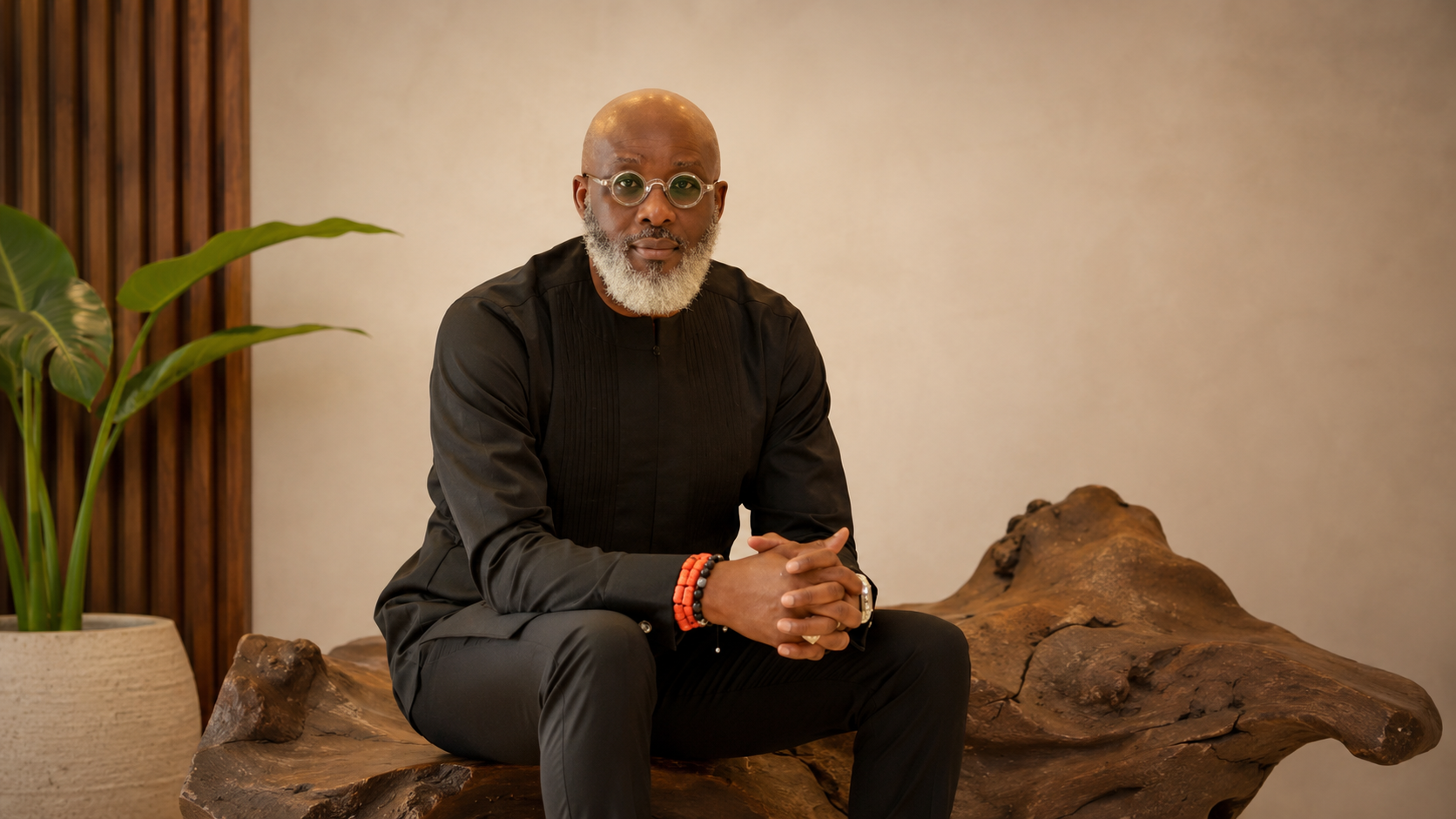
For decades, society has invested enormous effort in understanding women, their emotions, aspirations, challenges and experiences. Yet despite being fathers, husbands, sons, brothers and leaders, men have remained, in many ways, one of society’s least understood groups. Beneath the image of strength, confidence and control often lies a complex world of emotions, pressures, fears and desires that many men rarely articulate. It was this often overlooked reality that renowned life coach, behavioural change expert, author and founder of The Catalyst, Lanre Olusola, explored during a compelling conversation held as part of activities marking International Men’s Health Week.
With his trademark blend of humour, wisdom and psychological insight, Olusola took audiences on a fascinating journey into the male mind, challenging stereotypes and offering a fresh perspective on why men think, communicate and respond to life differently from women.
According to him, one of the greatest barriers to understanding men stems from a simple but profound mistake: society often expects men to think, communicate and process experiences exactly the way women do. That expectation, he argued, creates unnecessary frustration, misunderstandings and conflict. In a world increasingly focused on equality, Olusola stressed that equality should not be confused with sameness. Men and women may possess equal value, but they are often wired differently, particularly in how they process information, solve problems and express emotions.
“We are complements, not competitors,” he explained, emphasizing that healthy relationships thrive not because men and women are the same, but because they bring different strengths to the table.
YOU CAN ALSO READ: The End of the Alpha Male? Ezekiel Solesi Explains Why Modern Men Must Change
At the centre of his argument was the idea that the male brain functions differently from the female brain. While women often excel at making multiple connections simultaneously, men, he explained, tend to compartmentalise. They focus intensely on one issue at a time, approaching challenges with a tunnel like concentration that historically served them well as hunters, providers and protectors. This neurological difference, he suggested, explains many of the communication gaps that emerge in relationships. Women often process problems by talking through them, with the conversation itself becoming part of the solution. Men, however, frequently prefer to think through challenges internally before discussing them. For many women, silence may appear like emotional distance, but for many men, silence is simply the workshop where solutions are being built.
Olusola argued that one of the biggest misunderstandings in modern relationships occurs when women interpret a man’s silence as indifference, while men interpret persistent questioning as pressure. Neither side is necessarily wrong; they are simply operating from different psychological frameworks. Perhaps nowhere is this misunderstanding more visible than in discussions about emotions. Men are often criticised for being emotionally unavailable, emotionally detached or unable to express vulnerability. Yet Olusola challenged this popular narrative, arguing that men are not devoid of emotion at all. Far from it. According to him, men think constantly about issues that touch every aspect of their lives, success, relevance, appreciation, financial security, relationships, physical intimacy, family responsibilities, emotional connection and the need to feel respected and valued. These concerns occupy enormous space in the male mind.
The difference, he explained, lies not in whether men feel emotions, but in how they have been conditioned to express them. From an early age, many boys are taught to suppress vulnerability. Society rewards stoicism and often discourages emotional expression. Boys are told to “man up,” “be strong” and avoid behaviours associated with weakness. Over time, those messages become deeply embedded, shaping how men respond to pain, disappointment and grief.
As adults, many men continue operating from that emotional programming. Olusola noted that society often sends contradictory signals. Boys are raised to suppress tears and emotional expression, only to become men who are later criticised for not being emotionally expressive enough. The result, he said, is an emotional paradox where men are expected to reveal feelings they were never taught how to communicate.
One of the most revealing moments of the discussion came when Olusola addressed the issue of crying. Contrary to popular assumptions, he argued that tears are not the ultimate measure of emotional health. Crying, he noted, is merely one form of emotional expression, not the only one. People cry from grief, joy, relief, inspiration and even profound gratitude. The absence of tears does not necessarily indicate the absence of pain. Many men process emotional experiences internally, often taking months or even years before those emotions surface visibly. Others channel grief into work, creativity, problem solving or personal reflection. The emotion exists; its expression simply follows a different timetable.
Beyond emotional expression, Olusola identified another issue that occupies significant space in the male psyche: respect. While money, success and achievement often dominate public conversations about men, he argued that respect remains one of the deepest psychological needs driving male behaviour. For many men, respect is not merely about status or authority. It is about consideration. It is about feeling seen. It is about knowing that their perspectives matter. It is about being included in decisions that affect their lives and families. According to Olusola, respect often manifests in simple acts of consultation and acknowledgement rather than grand gestures of submission or control. A man who feels considered, appreciated and respected is often more emotionally secure, more cooperative and more invested in the success of his relationships.
Equally important, he said, is appreciation. Many men spend their lives carrying visible and invisible burdens while receiving little recognition for their efforts. They may provide financially, solve problems, absorb stress and protect others without openly discussing the emotional cost of those responsibilities. Yet beneath the surface, many desire something surprisingly simple: to be appreciated, to be acknowledged and to know that their contributions matter. Olusola also highlighted another need that often goes unnoticed, healthy physical connection. Not merely intimacy, but touch itself. A hug, a reassuring hand on the shoulder or physical affection that communicates acceptance, comfort and support. These gestures, he explained, often provide emotional nourishment that many men rarely receive despite craving it.
YOU CAN ALSO READ: Moritz Fürste and the Race That Changed Fitness Forever
Ultimately, Olusola’s message extended far beyond gender differences. At its core, his insights represented a call for greater empathy. Rather than demanding that men communicate exactly like women or expecting women to suppress their natural emotional tendencies, he advocated mutual understanding. Relationships thrive, he suggested, not when people become identical, but when they learn to appreciate their differences. The challenge is not to change one another; the challenge is to understand one another.
As conversations around mental health, emotional well being and modern relationships continue to gain momentum, Olusola’s reflections offered a timely reminder that understanding men requires more than assumptions and stereotypes. It requires listening. It requires curiosity. And perhaps most importantly, it requires recognising that behind every strong exterior is a human being carrying hopes, fears, pressures and dreams that are often left unspoken. In the end, Lanre Olusola offered a powerful conclusion: men do not necessarily need society to fix them. They simply need society to understand them. And in that understanding may lie the key to healthier relationships, stronger families and a more emotionally intelligent society.