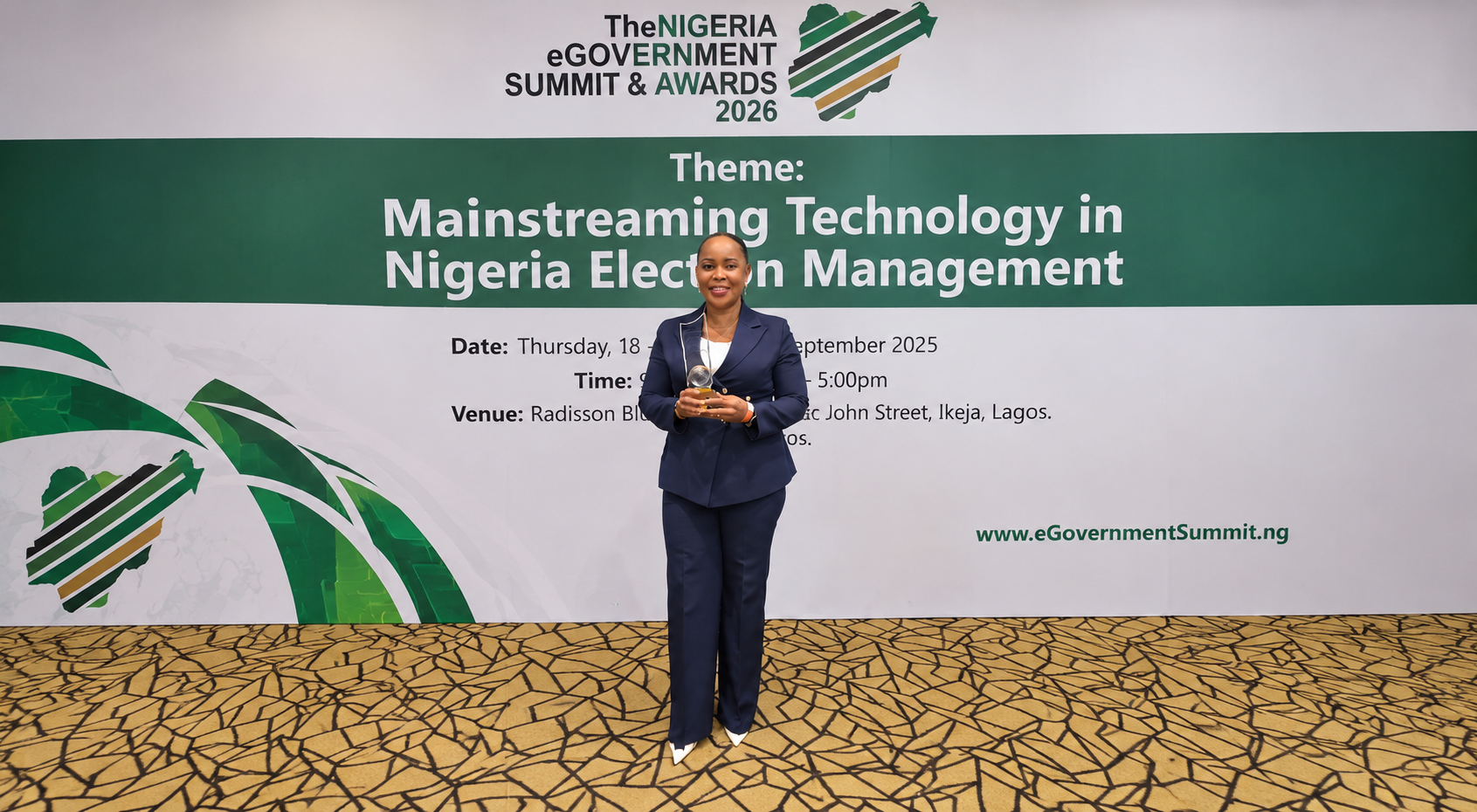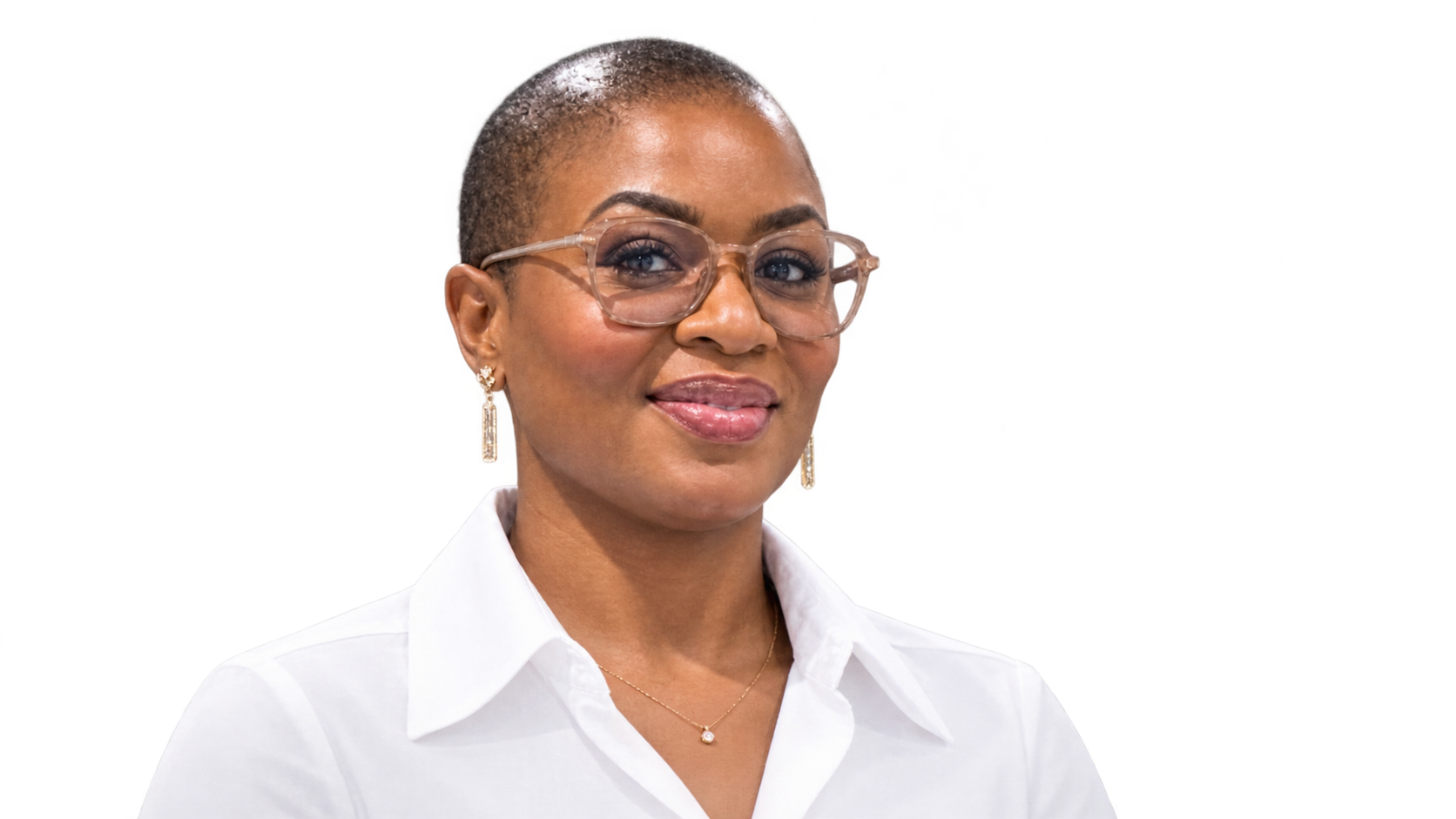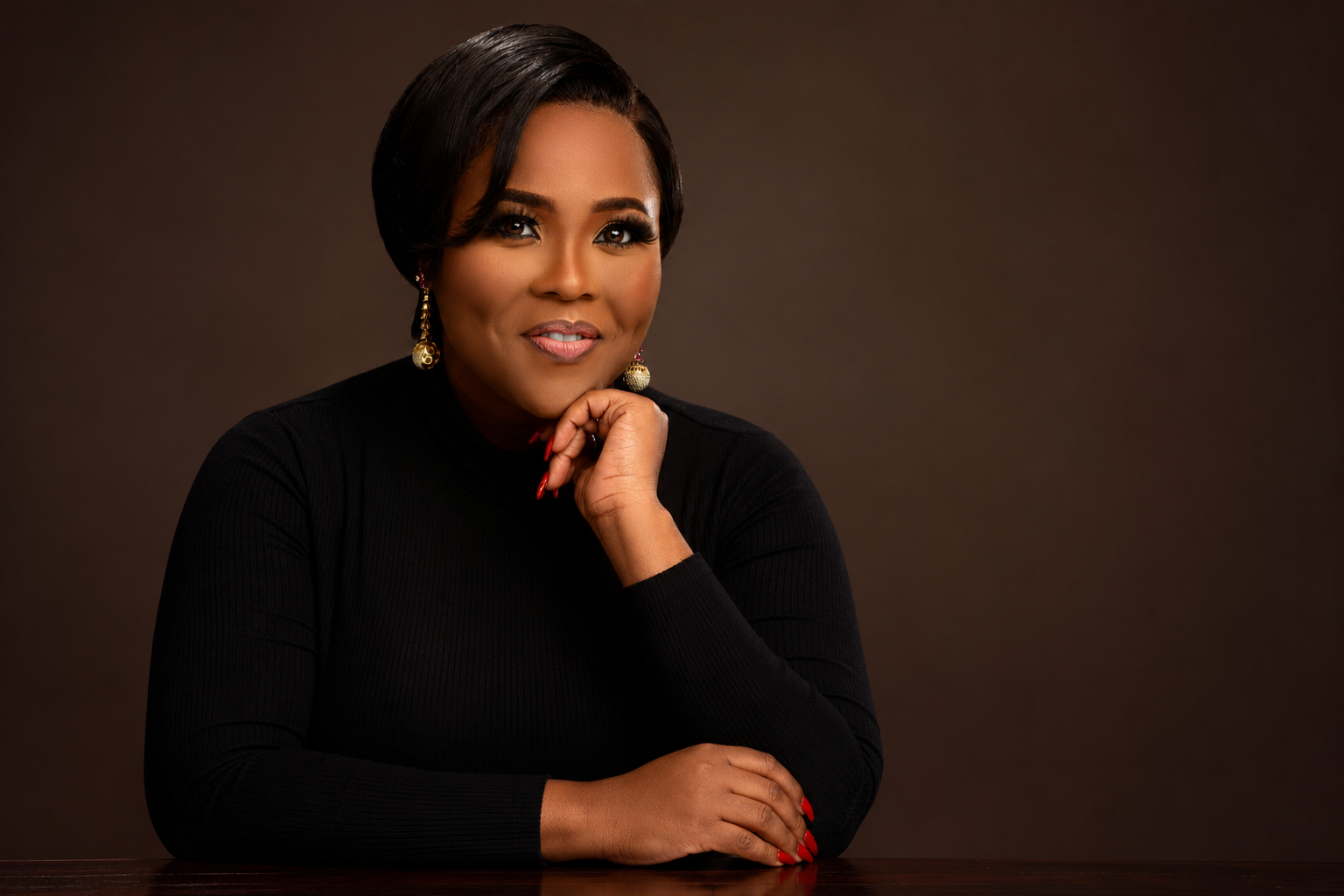
For Abosede George-Ogan, leadership is not merely about occupying positions of influence; it is about transforming systems, rewriting narratives and creating pathways for generations of women to thrive. As Founder and Executive Director of the Women in Leadership Advancement Network (WILAN Global), she has emerged as one of Africa’s most influential voices championing gender-balanced leadership and inclusive governance.
What began in 2018 as a simple digital initiative has evolved into a formidable movement reshaping the future of women’s leadership in Nigeria and beyond. Through strategic advocacy, data-driven interventions, leadership development and policy engagement, George-Ogan is steadily dismantling the structural barriers that have historically excluded women from decision-making spaces.
Her journey started with a question many women have silently asked themselves: What does it truly take for a woman to run for office? Searching for answers online, she discovered a glaring absence of practical information and support systems for aspiring female leaders. Rather than accepting that gap, she decided to build a solution herself.
She launched an Instagram page and a Facebook community to provide women with access to information about participating in politics and leadership. What started as an online platform quickly evolved into a full-fledged organisation dedicated to empowering women to lead across political, economic and public sectors.
Today, WILAN Global is a Nigerian-based global organisation with a bold vision: to inspire a shift toward gender-balanced leadership at every level of society. At its core is a mission to provide women with access to the knowledge, skills, opportunities, resources and support they need to become effective and thriving leaders.
For George-Ogan, the issue has never been a lack of capable women. Rather, she believes deeply that systemic and institutional barriers continue to prevent women from taking their rightful seats at decision-making tables. Her approach therefore focuses not only on empowering women individually but also on transforming the systems that exclude them.
Under her leadership, WILAN has developed a comprehensive strategy built around three interconnected pillars: leadership pipeline development, media and narrative transformation, and policy and systemic change.
One of the organisation’s flagship initiatives is the National Head Girl Project, a programme that identifies and nurtures young female leaders from secondary schools. Through leadership training, mentorship and civic education, WILAN is intentionally cultivating a new generation of women leaders from an early age.
George-Ogan sees leadership as a lifelong journey rather than a destination. She believes the process begins long before women enter boardrooms or political offices and requires deliberate investment throughout every stage of development.
Beyond leadership training, she recognises the critical role narratives play in shaping societal perceptions. Through The Leading Woman Show, now in its fourth season with over 60 million viewers and more than 100,000 YouTube subscribers, WILAN is actively challenging stereotypes and normalising women’s presence in leadership spaces.
The programme seeks to dismantle long-held assumptions that leadership is inherently masculine. By amplifying the stories of accomplished women, George-Ogan is helping societies see female leadership not as an exception but as an expectation.
Her impact extends even further through policy advocacy. WILAN is part of major coalitions advocating constitutional reforms that would create additional legislative seats for women and accelerate female representation in governance.
Among its groundbreaking achievements is the publication of Nigeria’s first State of Women’s Leadership Report and Dashboard, a data-driven platform that allows Nigerians to monitor female representation across various sectors and states. Users can now track the number of female commissioners, legislators and sector leaders within their states, bringing transparency and accountability to conversations around inclusion.
For George-Ogan, evidence and data are indispensable tools for driving meaningful change. She insists that conversations around women’s leadership must move beyond sentiment and become measurable and actionable.
Her philosophy is rooted in a simple but profound belief: representation matters because diverse perspectives produce better outcomes. She argues that societies pay a heavy price when leadership structures are dominated by only one gender.
Whether in healthcare, education, peacebuilding or national security, she believes women’s experiences provide perspectives that are essential for effective policymaking. Research consistently shows that women bring different approaches to leadership, collaboration and conflict resolution, resulting in stronger and more sustainable outcomes.
She is particularly passionate about women’s participation in peacebuilding and national security, noting that evidence shows peace agreements involving women tend to last longer and deliver better long-term results.
George-Ogan also believes Nigeria must urgently embrace affirmative action legislation to accelerate women’s inclusion in leadership. She points to the fact that more than 40 African countries have already implemented affirmative action policies while Nigeria continues to lag behind.
She advocates full implementation of Nigeria’s National Gender Policy, which recommends a minimum of 35 per cent representation for women in appointive positions. According to her, meaningful progress requires political courage and intentional action from leaders at every level.
Equally important, she calls for greater investment in women’s leadership development, gender-responsive budgeting and the creation of systems that ensure women have genuine access to positions of influence rather than symbolic gestures of empowerment.
For her, empowerment is not about distributing handouts; it is about creating opportunities for women to sit at decision-making tables and shape outcomes themselves.
Partnerships have also been central to WILAN’s growth. Through collaborations with organisations such as the Gates Foundation, the Nigeria Governors’ Forum and various women’s coalitions, George-Ogan has demonstrated that collective action is essential for systemic transformation.
Looking ahead, her ambitions are firmly continental. Through the newly launched WILAN Institute, she aims to propel women across Africa into leadership roles that will shape the continent’s future. At the same time, she is developing digital tools that will enable women to track and document their leadership journeys, measure their growth and build stronger support systems.
Innovations such as mobile applications and chatbots are also being deployed to protect women from technology-facilitated gender-based violence, one of the emerging threats discouraging women from pursuing public leadership.
Yet, despite her impressive achievements, George-Ogan’s most powerful message remains deeply personal. She believes every woman already possesses the potential to lead and that society’s role is simply to remove the barriers that have obscured that reality.
Her advice to young girls is beautifully simple: strive each day to become a better version of yourself than you were yesterday.
In a world still struggling to embrace truly inclusive leadership, Abosede George-Ogan is proving that sustainable transformation is possible when vision is combined with action. Through WILAN Global, she is not only empowering women; she is building an entirely new leadership architecture for Africa’s future—one that is more inclusive, more representative and ultimately more prosperous for everyone.