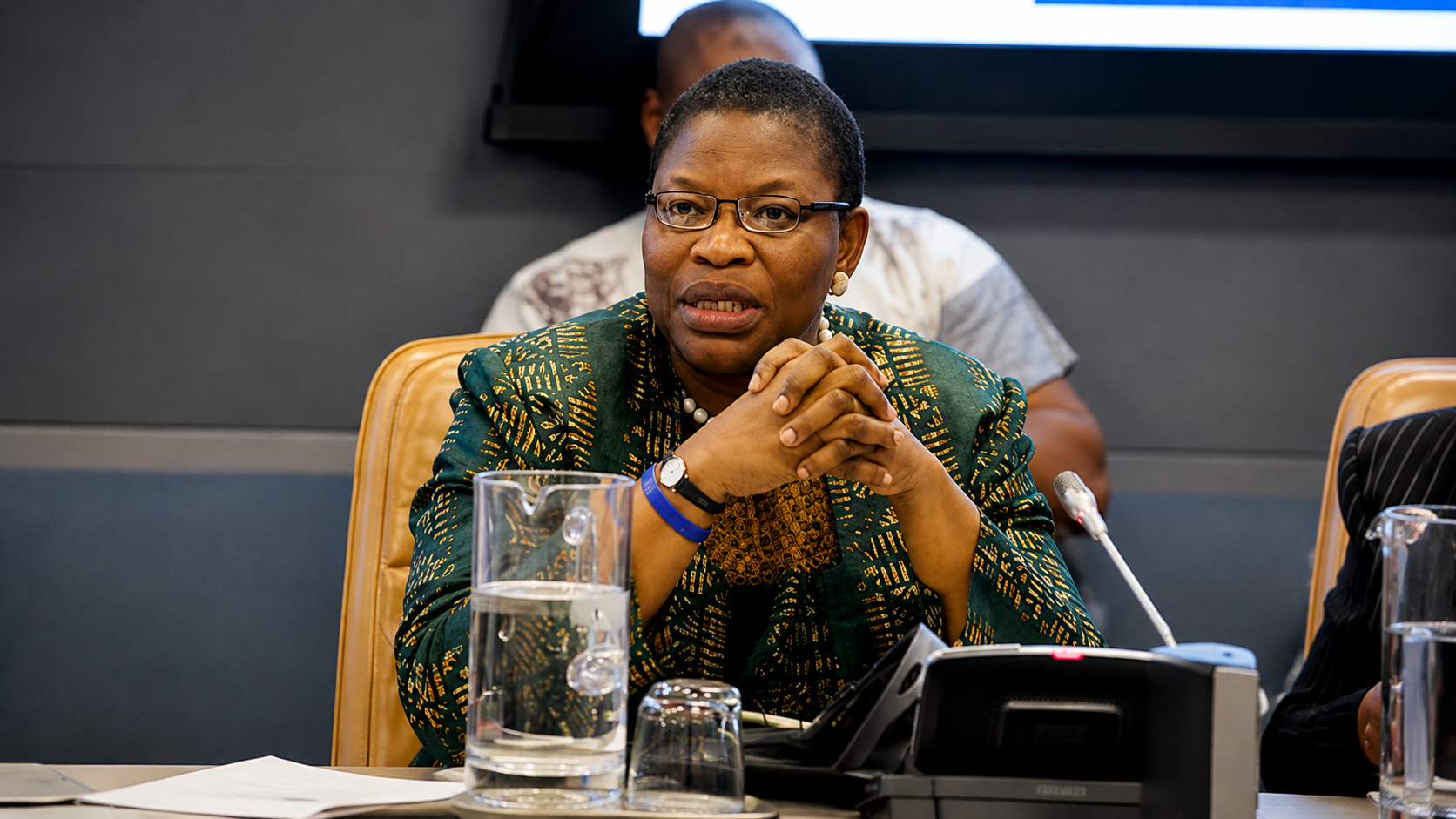
Few African leaders have shaped conversations on governance, economic reform and public accountability as consistently as Obiageli “Oby” Ezekwesili. The renowned economic policy expert reflected on leadership, nation-building, institutional reform and why Africa’s future depends less on natural resources and more on the quality of its institutions.
She offered more than policy prescriptions. She delivered a compelling case for why Africa’s transformation will ultimately be determined by the strength of its institutions, the courage of its leaders and the willingness of citizens to demand accountability.
Widely respected as an economic policy expert, public servant and governance advocate, Ezekwesili reflected on a career that has placed her at the centre of some of Nigeria’s most consequential reforms. From co-founding Transparency International to serving as Nigeria’s Minister of Education and later Vice President for the World Bank’s Africa Region, she has consistently championed policies designed to strengthen governance and expand economic opportunity.
During the conversation, Ezekwesili argued that sustainable development cannot be achieved through charismatic leadership alone. Nations, she said, rise or fall on the quality of the institutions that guide decision-making, enforce accountability and create opportunities for citizens and businesses alike.
YOU CAN ALSO READ: Why Great Founders, Not Great Ideas, Build Billion-Dollar Companies – Kola Aina
She maintained that Africa’s greatest challenge is not a shortage of talent or entrepreneurial ambition but the persistent weakness of public institutions. While the continent possesses abundant natural resources and one of the world’s youngest populations, these advantages can only translate into prosperity if governments prioritise transparency, policy consistency and institutional effectiveness.
Drawing from decades of experience in public policy and economic development, Ezekwesili explained that investors are ultimately attracted to predictable environments where the rule of law is respected and institutions function efficiently. Strong institutions, she noted, reduce uncertainty, encourage long-term investment and provide businesses with the confidence to innovate and expand.
She also stressed the importance of ethical leadership, describing integrity as the foundation upon which sustainable development is built. Leaders, she argued, must be prepared to make difficult decisions that serve the long-term interests of society rather than pursuing short-term political gains.
Throughout the discussion, Ezekwesili returned to the importance of education and human capital development. She observed that countries competing successfully in today’s global economy are those investing heavily in knowledge, innovation and skills development. Africa, she argued, cannot afford to remain dependent on commodity exports while neglecting investments in education, research and technology.
The conversation also explored the relationship between entrepreneurship and public policy. Ezekwesili acknowledged the remarkable resilience of African entrepreneurs, noting that many businesses continue to succeed despite significant infrastructure deficits and regulatory challenges. However, she insisted that entrepreneurship should not thrive because founders overcome obstacles, but because governments deliberately create environments where businesses can flourish.
She urged policymakers to adopt evidence-based reforms capable of improving competitiveness, simplifying regulation and encouraging private-sector growth. According to Ezekwesili, economic prosperity is achieved when governments act as enablers of enterprise rather than barriers to innovation.
Addressing Africa’s future, she expressed cautious optimism. The continent’s youthful population, growing digital economy and expanding entrepreneurial ecosystem provide unprecedented opportunities for economic transformation. Yet she warned that demographic advantage alone is insufficient without deliberate investments in governance, education and institutional reform.
YOU CAN ALSO READ: Nigeria’s Greatest Asset Is Its People – If We Invest in Them
Ezekwesili also encouraged young leaders to reject complacency and become active participants in shaping the future of their countries. Leadership, she said, is not confined to public office but is demonstrated through responsibility, integrity and a commitment to solving society’s most pressing challenges.
Reflecting on her own journey, she described public service as a responsibility rather than a position, emphasising that meaningful impact is measured not by titles held but by the institutions strengthened and the lives improved.
As the conversation concluded, Ezekwesili left business leaders, policymakers and entrepreneurs with a message that has defined much of her career. Sustainable economic transformation is not built on rhetoric or isolated success stories. It is built through accountable leadership, resilient institutions and policies that consistently place the interests of citizens at the centre of national development.
For Africa’s CEOs and emerging leaders, her insights served as a powerful reminder that enduring prosperity depends not only on entrepreneurial ambition but also on the collective commitment to building institutions capable of supporting innovation, attracting investment and creating opportunities for future generations.