Kola Adesina
There are moments in the life of every nation when statistics stop being numbers and become strategic signals. Nigeria is living through one of those defining moments.
According to the United Nations World Population Prospects 2024 Revision, Nigeria recorded approximately four million more births in 2024 than the entire European Union combined. On the surface, it is a remarkable demographic statistic. In reality, it is a glimpse into the economy Nigeria will inherit over the next two decades.
Every day, tens of thousands of Nigerian children are born. They represent the country’s future workforce, entrepreneurs, innovators, engineers, healthcare professionals and business leaders. Their potential will shape the nation’s economic trajectory for generations.
Across much of Europe, however, the story is different. Declining birth rates are forcing governments to rethink productivity, labour markets, healthcare and economic sustainability. The challenge is no longer preparing for population growth but managing demographic decline.
Nigeria’s challenge is the exact opposite. Our question is not whether we will have enough people. It is whether we are preparing those people to build a globally competitive economy.
YOU CAN ALSO READ: Dangote Cement Signs $800m Deal to Double Itori Plant Capacity
This distinction is critical because demographics alone do not create prosperity. Nations do not become wealthy simply because they have large populations. They become prosperous because they invest in the institutions, infrastructure and systems that transform people into productive human capital.
History consistently proves this point. Countries with modest populations have become global economic powers because they built strong institutions and invested in education, infrastructure, innovation and good governance. Others with abundant populations and natural resources have struggled because they failed to make similar investments.
Nigeria’s youthful population should therefore be viewed as one of its greatest strategic assets. Like every valuable asset, however, its potential depends entirely on how well it is developed.
Every child born today represents future economic capacity. Whether that capacity translates into national prosperity depends on the decisions we make today. This responsibility belongs to both government and the private sector.
As business leaders, we routinely invest with horizons stretching decades into the future. We understand that sustainable value is created through patience, consistency and long-term thinking. Nation-building demands the same discipline.
Nigeria cannot fully benefit from its demographic advantage without making equally ambitious investments in education, healthcare, reliable energy, transport infrastructure, digital connectivity and industrial capacity.
Energy, in particular, remains the backbone of economic transformation. Every factory, hospital, technology hub, school and agricultural processing facility depends on reliable electricity. Without energy security, economic potential will remain constrained regardless of the size of the workforce.
Infrastructure must therefore be seen not merely as physical assets but as the platform upon which human potential becomes economic productivity.
Education is equally important. The economy our children will inherit will be driven by artificial intelligence, advanced manufacturing, clean energy, biotechnology and digital innovation. Preparing for that future requires more than expanding access to schools. It demands equipping young people with technical skills, critical thinking, creativity and an entrepreneurial mindset.
Leadership ultimately determines whether this opportunity is realised. Great leadership is measured not only by how it manages today’s challenges but by how effectively it prepares for tomorrow’s realities.
The choices we make today about infrastructure, policy, governance and institutional development will determine whether Nigeria’s demographic growth becomes an economic dividend or an economic burden.
The private sector also has an indispensable role to play. Business cannot afford to be a passive observer waiting for government to solve every challenge. Sustainable development requires partnership, shared responsibility and long-term investment.
Businesses must continue creating jobs, investing in productive industries, supporting skills development and collaborating with government to strengthen the institutions that underpin economic growth.
Nigeria already possesses many of the ingredients required for long-term success. We have entrepreneurial talent, abundant natural resources, technological creativity and one of the world’s youngest populations.
What remains is the discipline to connect these strengths through sound institutions, consistent policies and strategic investments.
YOU CAN ALSO READ: Seplat Energy Turns a New Page as Effiong Okon Takes the Helm
The countries that will lead the twenty-first century will not necessarily be those with the largest populations. They will be those that successfully transform human potential into economic productivity.
Nigeria has every opportunity to become one of those nations. The future is already arriving, one newborn at a time.
The question is no longer whether our population will continue to grow. It is whether today’s leaders are building the institutions, infrastructure and opportunities that will enable tomorrow’s generation to thrive.
History rarely rewards nations for the opportunities they possess. It rewards those with the vision, courage and discipline to prepare for them.
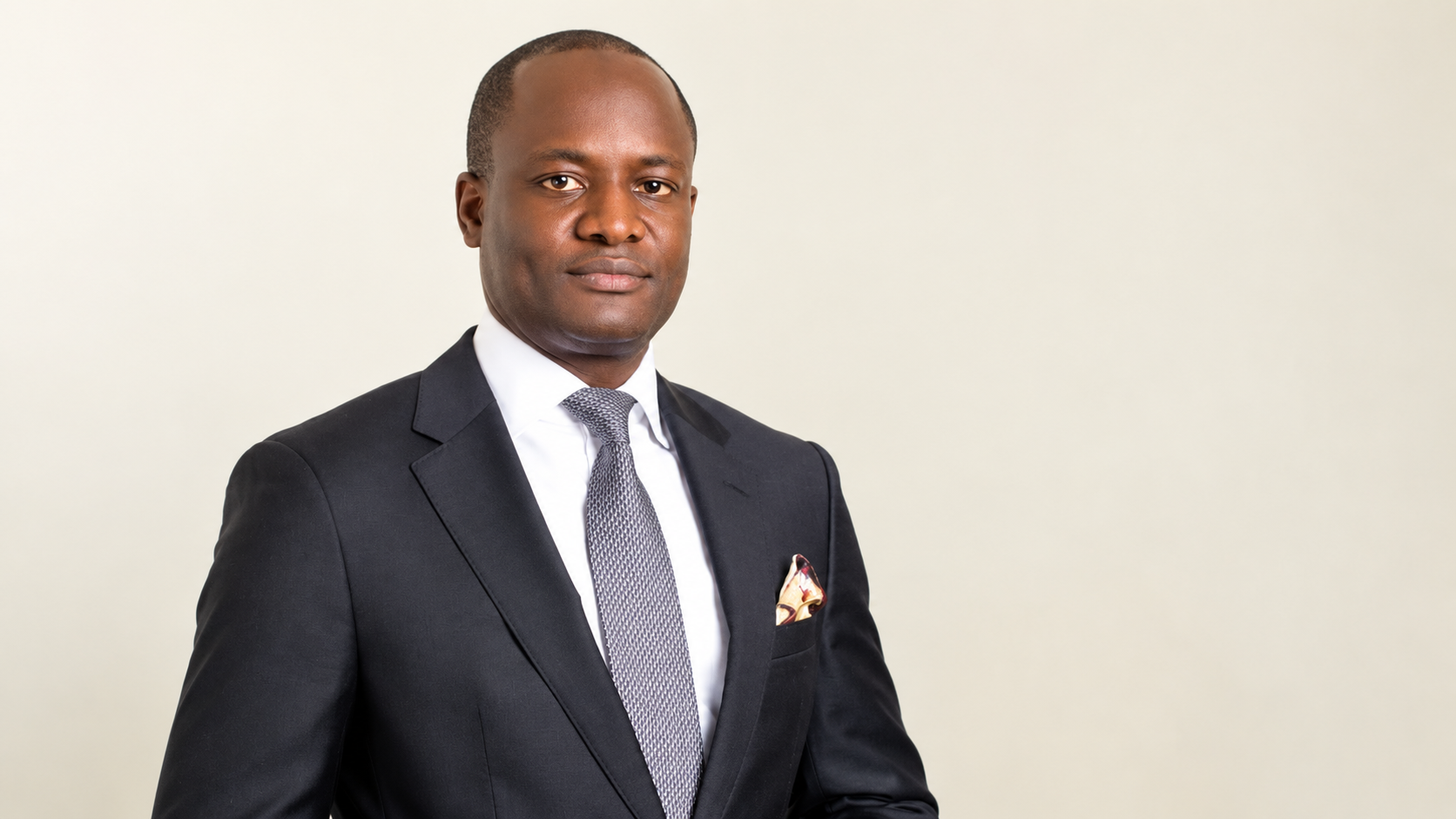
Kola Adesina is the Chairman of the Board at AXA Mansard and Group Managing Director at Sahara Power Group