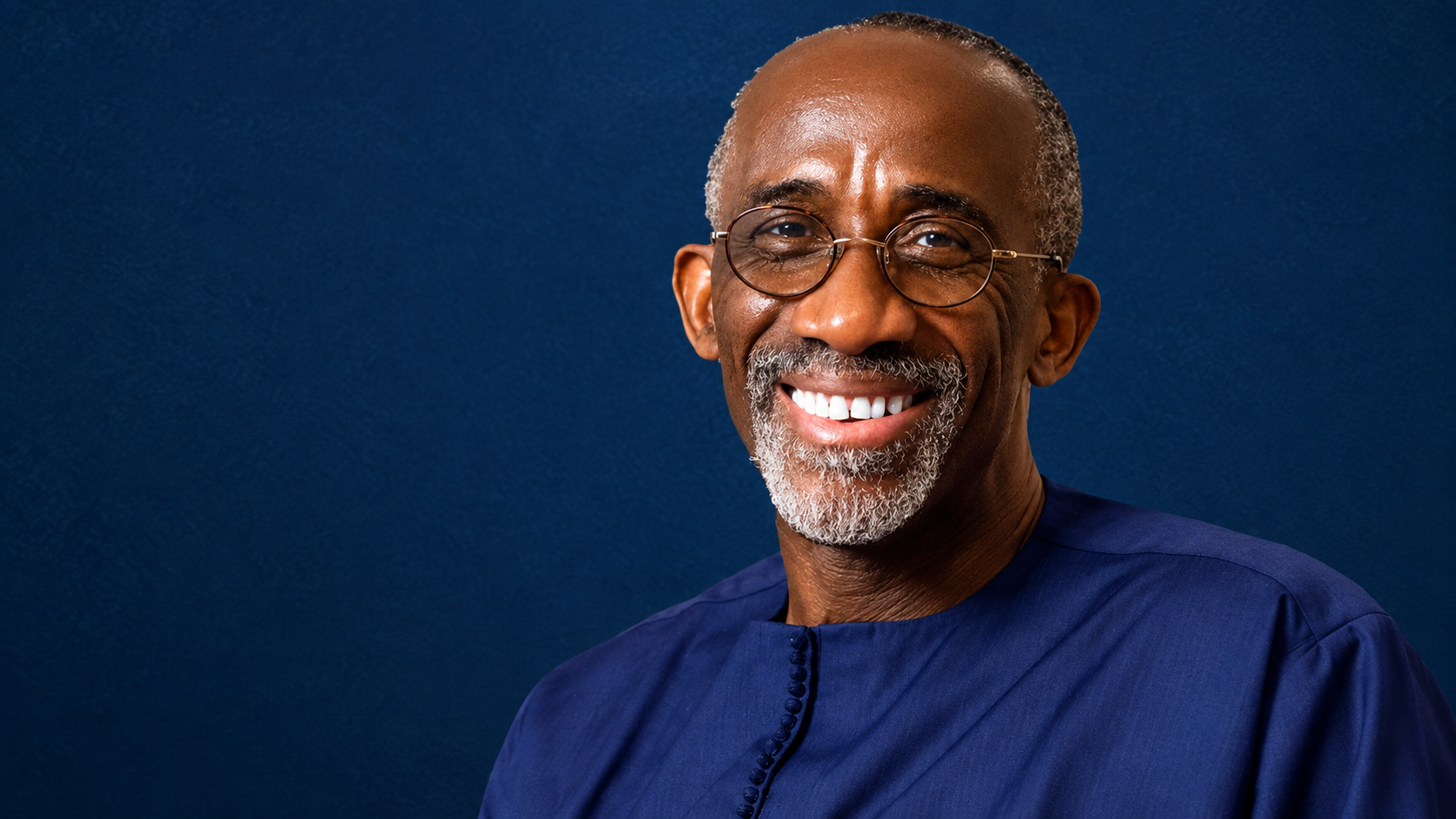
Every generation produced leaders who solved immediate problems. Far fewer dedicated themselves to building systems that prevented those problems from returning. Their work unfolded quietly through reforms, institutions, and policies that outlasted political administrations. History often remembered them as the architects of lasting national transformation. Taiwo Oyedele emerged as one of those thinkers.
Throughout his career, he had been less concerned with managing economic headlines than with redesigning the structures that shaped economic outcomes. Whether advising governments as a tax policy specialist, leading Nigeria’s Presidential Committee on Fiscal Policy and Tax Reforms, or serving as Minister of Finance and Coordinating Minister of the Economy, his central question remained remarkably consistent: How could a nation build an economy that continued to work long after individual leaders had left office? That question framed his address at the 2026 BusinessDay CEO Forum. Rather than presenting another catalogue of reforms, Oyedele offered what amounted to a philosophy for national development rooted in institutions, productivity, and shared prosperity.
For decades, Nigeria had measured economic success through indicators such as GDP growth, oil revenues, foreign reserves, exchange rates, and government income. While those figures remained important, they rarely told the complete story. Economies had expanded while poverty deepened. Government revenues had increased while businesses struggled. Inflation had declined while unemployment remained high.
YOU CAN ALSO READ: From Barcelona to Billionaire: Business Decisions That Made Lionel Messi a Billionaire
Oyedele argued that these contradictions revealed an uncomfortable truth: economic statistics alone could not define national progress. Macroeconomic stability, he said, was essential, but it represented only the beginning. The real measure of success lay in whether reforms improved productivity, attracted investment, created jobs, and raised living standards.
His perspective had been shaped by years spent on both sides of economic policymaking. Before joining government, Oyedele had advised multinational companies, governments, and public institutions on taxation and fiscal governance as Africa Tax Leader at PwC. He later chaired the Presidential Committee on Fiscal Policy and Tax Reforms, where he led efforts to simplify Nigeria’s tax system and strengthen fiscal policy. As Finance Minister, he occupied the position where ideas became policy, giving him the opportunity to implement many of the reforms he had previously helped design.
That continuity explained why his economic philosophy appeared unusually consistent. Rather than treating reforms as isolated initiatives, he viewed them as interconnected components of a broader institutional framework. Sustainable prosperity, in his view, could not be built on resource extraction alone. Nigeria’s dependence on oil had generated wealth, but it had also exposed the country to repeated cycles of economic volatility. Breaking that cycle required stronger productive sectors capable of creating lasting value. Manufacturing, agriculture, technology, digital services, exports, and innovation therefore occupied a central place in his vision for Nigeria’s future.
Tax reform occupied a central position within that vision. Around the world, taxation had often been viewed primarily as a mechanism for raising government revenue. Oyedele approached it differently. He argued that a modern tax system should encourage businesses to formalise, reward compliance, reduce unnecessary complexity, and support economic expansion. His reforms therefore focused on widening the tax base rather than increasing tax rates, simplifying compliance, reducing multiple taxation, and using technology to improve efficiency. Recent policy changes had encouraged thousands of previously informal businesses to register formally, opening access to finance, legal protections, and new commercial opportunities.
Another defining feature of Oyedele’s philosophy was the importance he placed on confidence. Investors, he argued, did not respond only to tax incentives or government promises. They sought predictable policies, credible institutions, and regulatory consistency. Without those conditions, even generous incentives struggled to attract long-term capital. His economic agenda therefore placed significant emphasis on strengthening institutions, improving policy consistency, and creating an environment in which investors could make decisions with confidence over the long term.
Oyedele also rejected the notion that government alone could transform an economy. Governments established policy, but businesses created jobs, entrepreneurs drove innovation, financial institutions allocated capital, universities developed talent, and citizens generated economic value. National prosperity emerged when these institutions worked together. This philosophy underpinned his call for stronger collaboration between policymakers and the private sector, encouraging businesses to participate not only in investment but also in shaping, implementing, and evaluating economic policy.
YOU CAN ALSO READ: When Billionaires Part Ways: The Story Behind Buffett’s $6 Billion Decision
Inclusion remained at the heart of his economic vision. Growth that benefited only a small segment of society could not be considered sustainable. Instead, he argued that prosperity should expand opportunities for entrepreneurs, manufacturers, innovators, farmers, women, young people, and small businesses. Economic reform became meaningful only when it broadened participation and improved the lives of citizens across every level of society.
Perhaps this distinguished Taiwo Oyedele from many economic policymakers. His attention remained focused less on short-term achievements than on the institutions capable of sustaining long-term progress. The significance of his work would ultimately be measured not by a single budget, a quarterly growth figure, or one set of economic indicators, but by whether Nigeria succeeded in building an economy where businesses invested with confidence, institutions earned public trust, innovation flourished, and prosperity was created through productivity rather than circumstance. If that vision was realised, his contribution would extend beyond economic management to the redesign of Nigeria’s development trajectory and offer lessons for other African economies pursuing sustainable growth.