As nations race to secure their place in the global clean energy economy, hydrogen has emerged as one of the most strategic resources shaping the future of energy. Once viewed as a long-term aspiration, hydrogen is now at the heart of conversations around industrial competitiveness, decarbonisation, energy security, and economic transformation. For Nigeria, the opportunity is even greater. With abundant natural gas reserves, exceptional renewable energy resources, and an established energy industry, the country is uniquely positioned to become a major player in Africa’s emerging hydrogen economy.
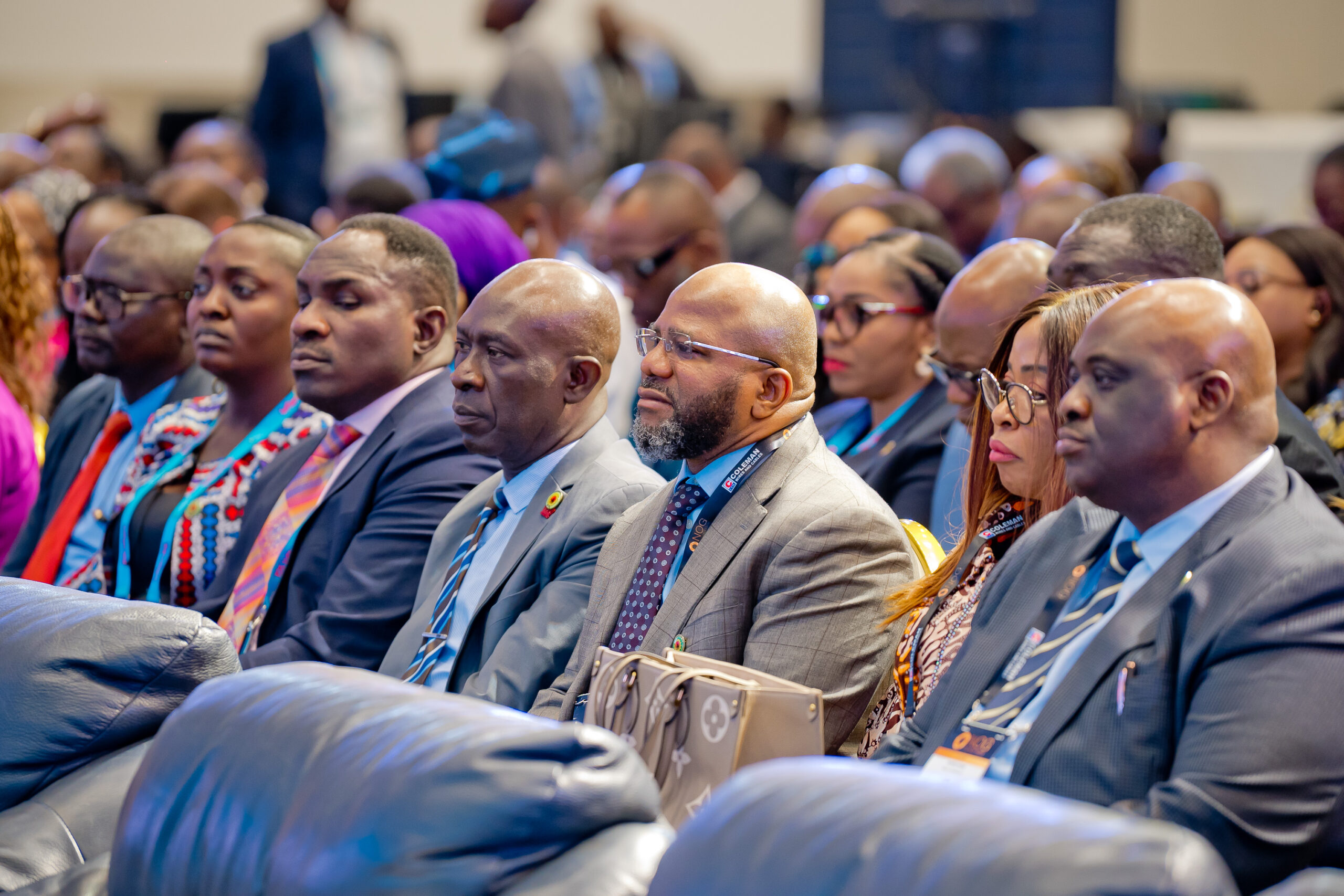
This growing momentum came into sharp focus during the panel session, “Advancing the Hydrogen Economy: A Trusted Pathway for Energy Transition,” at NOG Energy Week 2026 in Abuja. Bringing together policymakers, regulators, and private sector leaders, the discussion explored one pressing question: How can Nigeria transform its hydrogen ambitions into a commercially viable industry capable of driving sustainable economic growth?
Setting the tone for the conversation, Dr. Mohamed Malak, Principal Regulatory Officer at the Nigerian Upstream Petroleum Regulatory Commission (NUPRC), challenged the audience to look beyond the familiar labels of blue, green, and grey hydrogen.
YOU CAN ALSO READ: Why Tomi Davies Invests in Ecosystems, Not Just Startups
“The hydrogen molecule itself has no colour,” he remarked, explaining that what distinguishes one type of hydrogen from another is the production pathway, the cost of production, and the associated carbon emissions.
Rather than debating colours, Dr. Malak encouraged the audience to focus on the bigger picture by building a hydrogen economy that works for Nigeria. He urged stakeholders to move beyond seeing hydrogen as merely another clean energy technology and begin viewing it as a strategic economic asset capable of attracting investment, creating jobs, supporting industrialisation, and strengthening Nigeria’s position in the global energy transition.
Picking up the conversation, Dr. Mustafa Abdullahi, Director General and Chief Executive Officer of the Energy Commission of Nigeria, made it clear that hydrogen is no longer a technology of the future.
“Countries like Namibia, Morocco and Egypt are already attracting significant investments in hydrogen,” he observed. “The question is, why not Nigeria?”
According to Dr. Abdullahi, Nigeria is already taking decisive steps. He revealed that the Federal Government is developing the country’s first National Hydrogen Policy, a landmark framework designed to provide strategic direction for hydrogen development.
He explained that hydrogen was first recognised within Nigeria’s National Energy Policy and National Energy Master Plan, approved in 2023, laying the foundation for its inclusion in the country’s future energy mix. Building on that milestone, the Federal Government established a National Hydrogen Policy Committee, which has completed a zero draft of the policy and submitted it for government consideration.
For Dr. Abdullahi, policy is only the beginning. Nigeria’s vast natural gas reserves, abundant solar resources, and growing renewable energy capacity provide the country with a unique opportunity to participate in what is expected to become one of the world’s fastest-growing energy markets.
“We cannot continue sitting on enormous gas reserves and ignore hydrogen,” he said. “At the same time, we have some of the highest solar intensity in the world. These are advantages we must leverage.”
The conversation then turned to government’s broader strategy for hydrogen development.
Representing the Federal Ministry of Petroleum Resources, Patience Oyekunle, Permanent Secretary, explained that hydrogen is already being integrated into Nigeria’s wider energy transition agenda through existing policy frameworks, including the Petroleum Industry Act (PIA), the Energy Transition Plan, the Decade of Gas Initiative, and the Climate Change Act.
She noted that natural gas remains an important transition fuel capable of supporting blue hydrogen production, while Nigeria’s renewable energy resources offer significant opportunities for green hydrogen.
She also highlighted the collaborative approach adopted by government, explaining that more than a dozen Ministries, Departments and Agencies have been brought together under the National Hydrogen Working Group to develop a unified National Hydrogen Policy.
According to her, extensive stakeholder consultations have already taken place across Lagos, Abuja and Kano, with the policy now approaching its final validation stage.
Asked about Nigeria’s greatest competitive advantage, Oyekunle was unequivocal. “Nigeria is uniquely positioned,” she said, pointing to the country’s vast natural gas reserves, renewable energy potential, export opportunities, and existing energy infrastructure as critical assets capable of supporting a thriving hydrogen industry.
While government outlined the policy direction, Abdul Omidyar, Chief Executive Officer of Afrentra, brought an investor’s perspective to the discussion.
He argued that although Nigeria possesses abundant natural gas resources, policymakers must recognise the growing competition for gas within the domestic economy.
Power generation, LNG exports, fertiliser production, industrial manufacturing, and major pipeline infrastructure projects are already placing enormous demand on available gas supplies, he noted. “Nobody is going to give you gas for hydrogen when there are so many competing priorities,” he remarked candidly.
Rather than relying heavily on blue hydrogen, Omidyar encouraged Nigeria to accelerate investments in green hydrogen by harnessing its renewable energy resources.
Beyond solar energy, he suggested that geothermal energy remains an overlooked opportunity capable of strengthening Nigeria’s renewable energy portfolio.
Yet, for investors, technology alone is not enough. “The biggest challenge is offtake risk,” he explained. “Investors need certainty that there will be long-term buyers before committing capital to hydrogen projects.”
He also pointed to green ammonia as one of the fastest-growing hydrogen markets globally, suggesting that Nigeria could build a competitive export industry by targeting this rapidly expanding market.
Returning to the discussion, Dr. Malak posed perhaps the most critical question of the session. Should Nigeria choose between blue hydrogen and green hydrogen?
Dr. Abdullahi offered a measured response. Rather than committing prematurely to one pathway, he argued that Nigeria’s priority should be establishing the right policy and regulatory framework capable of supporting every viable hydrogen production route.
“The focus now should be hydrogen itself,” he explained. “Once the framework is in place, economics, technology, and market realities will determine which pathways scale first.” The discussion also moved beyond policy into implementation.
Dr. Abdullahi announced that the Energy Commission of Nigeria is already constructing the country’s first green hydrogen pilot plant. According to him, the supporting infrastructure, including solar systems, pipelines, water systems, and grid connections, has largely been completed, while procurement of the electrolyser remains the final major milestone.
YOU CAN ALSO READ: Can Technology Transform Nigeria? Bosun Tijani Shares the Roadmap
The pilot project, he explained, will not only demonstrate the commercial viability of hydrogen production in Nigeria but also help localise technology, strengthen research capacity, and build indigenous technical expertise.
As the session concluded, one message resonated across the panel. Hydrogen is no longer simply part of the global conversation on climate change. It is becoming a strategic economic opportunity capable of reshaping industries, attracting investment, expanding exports, and strengthening national competitiveness.
For Nigeria, the foundations are steadily being laid. Policy development is advancing, pilot projects are taking shape, government institutions are collaborating, and investors are beginning to identify emerging opportunities. The challenge now lies in maintaining momentum and translating ambition into execution.
If the insights shared during NOG Energy Week 2026 are any indication, Nigeria is no longer asking whether it should participate in the global hydrogen economy. The conversation has shifted to how quickly it can establish itself as one of Africa’s leading hydrogen hubs.