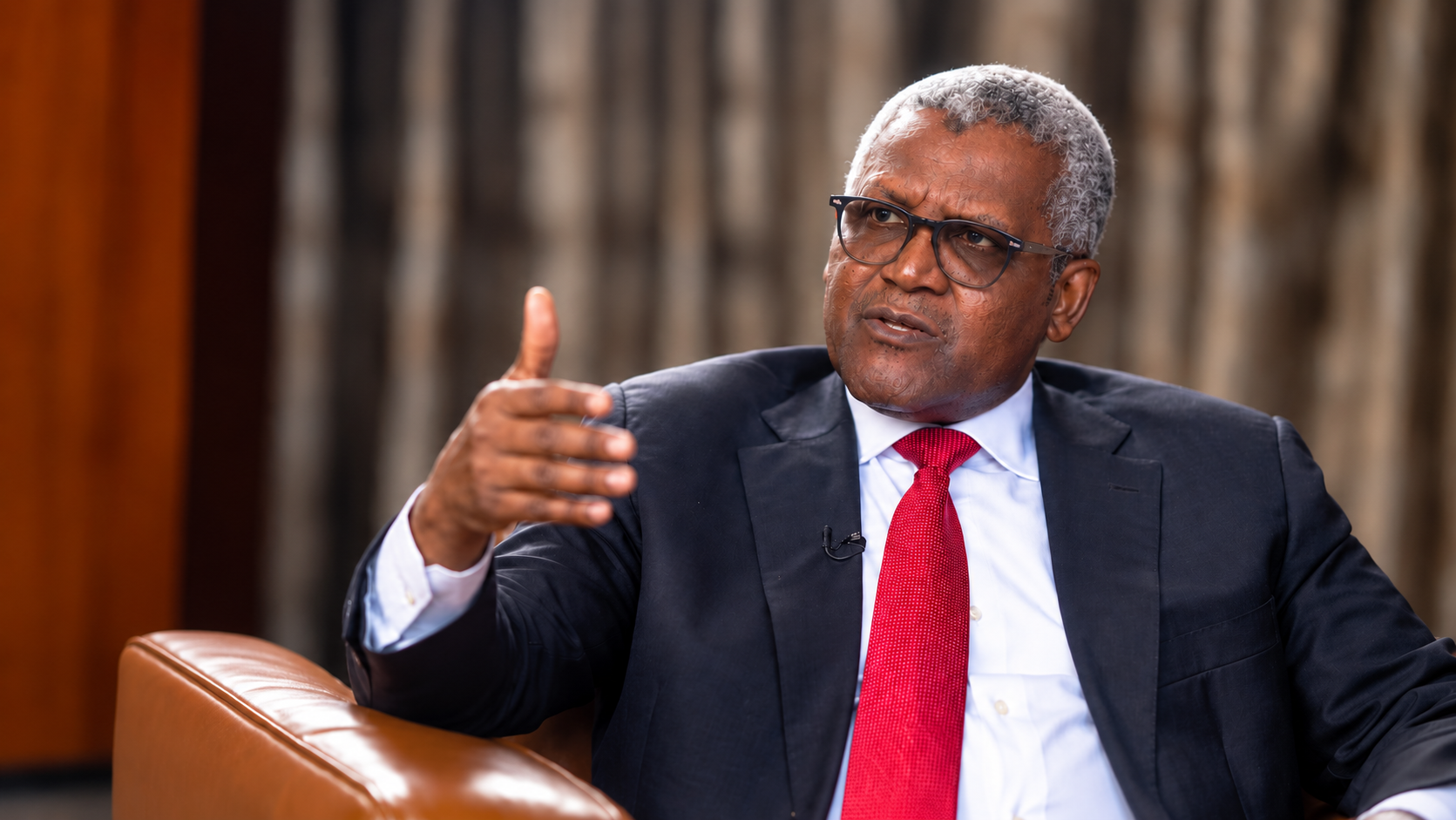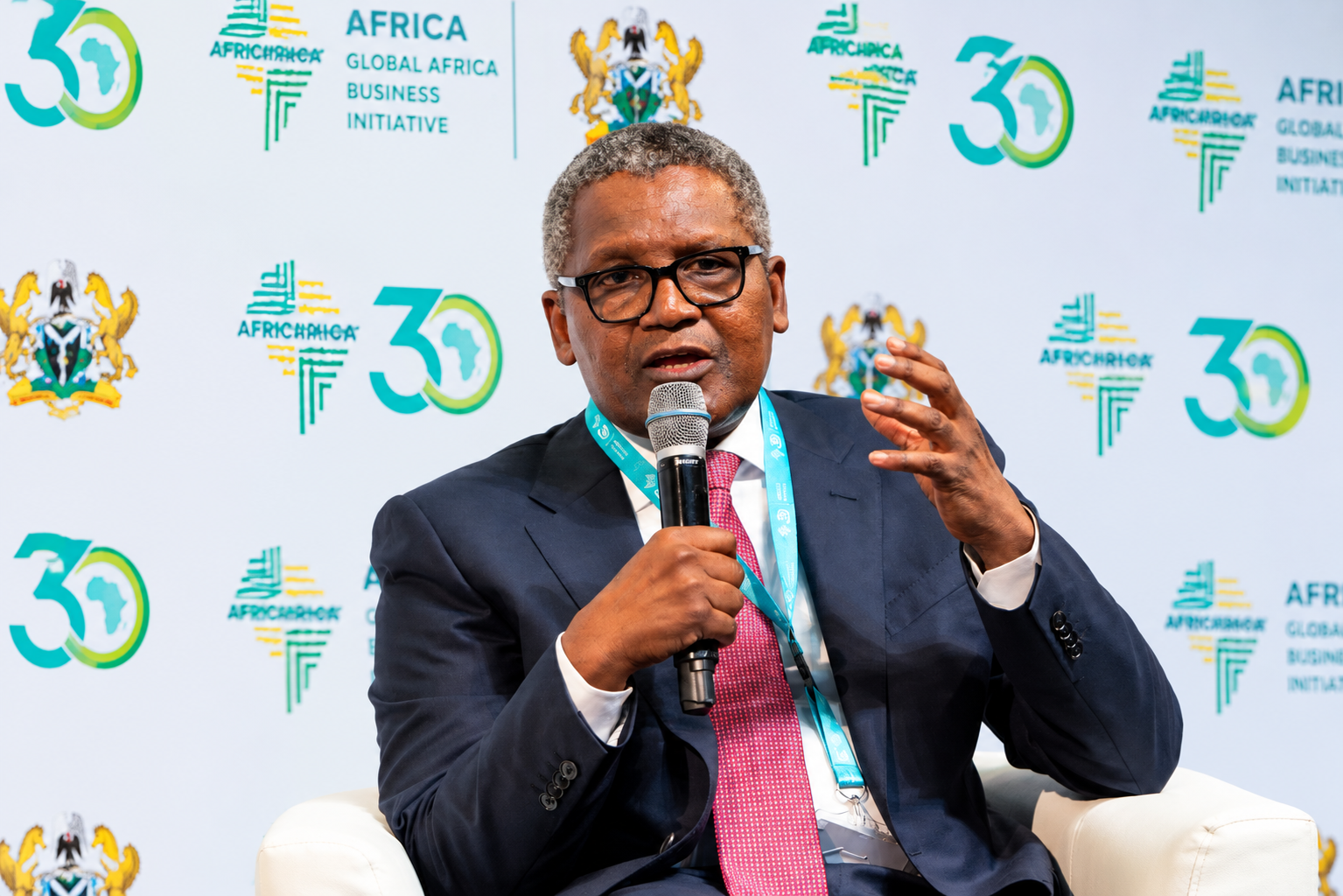
At the Global Africa Business Initiative during the 81st United Nations General Assembly in New York, Aliko Dangote offered a sweeping perspective on Africa’s industrial future, investment potential and the choices that will shape the continent’s economic destiny. At the centre of his remarks was a defining proposition: Africa’s transformation will depend not only on what the continent produces, but on its willingness to build, invest and create at scale.
In the heart of New York, amid global conversations surrounding the 81st United Nations General Assembly, the question of Africa’s economic future took on a distinctly industrial dimension. For Aliko Dangote, President and Chief Executive Officer of Dangote Group, Africa’s next chapter cannot be written solely through policy declarations, development plans or foreign investment. It must also be built in factories, refineries, infrastructure projects and businesses capable of competing at scale.
Speaking at the Global Africa Business Initiative, Dangote reflected on the journey behind the 700,000-barrel-per-day Dangote Refinery, a project that has become one of the most consequential industrial investments on the continent. The refinery represents more than an enormous physical structure on the outskirts of Lagos. It embodies a long-term industrial wager: that Africa can move beyond exporting raw resources and importing finished products, and instead develop the capacity to process, manufacture and create greater value within its own economies.
YOU CAN ALSO READ: Fidelity Bank’s People Strategy Puts 433 Employees on the Next Rung
Dangote’s industrial journey has been shaped by a broader belief in Africa’s capacity to address its economic challenges through investment and entrepreneurship. The story of the Dangote Refinery is, in many ways, a story of scale. Conceived as a transformational investment in Nigeria’s energy landscape, the project required years of capital commitment, construction and persistence before moving toward commercial operations.
Its scale has also given it significance beyond the boundaries of the Dangote Group. A refinery capable of processing hundreds of thousands of barrels of crude oil daily has implications for energy supply, industrial development, employment, trade and the structure of Nigeria’s economy. For Dangote, however, the significance extends even further. It is part of an argument for African industrialisation — that the continent’s vast natural resources should increasingly become the foundation for domestic production, manufacturing and economic value creation.
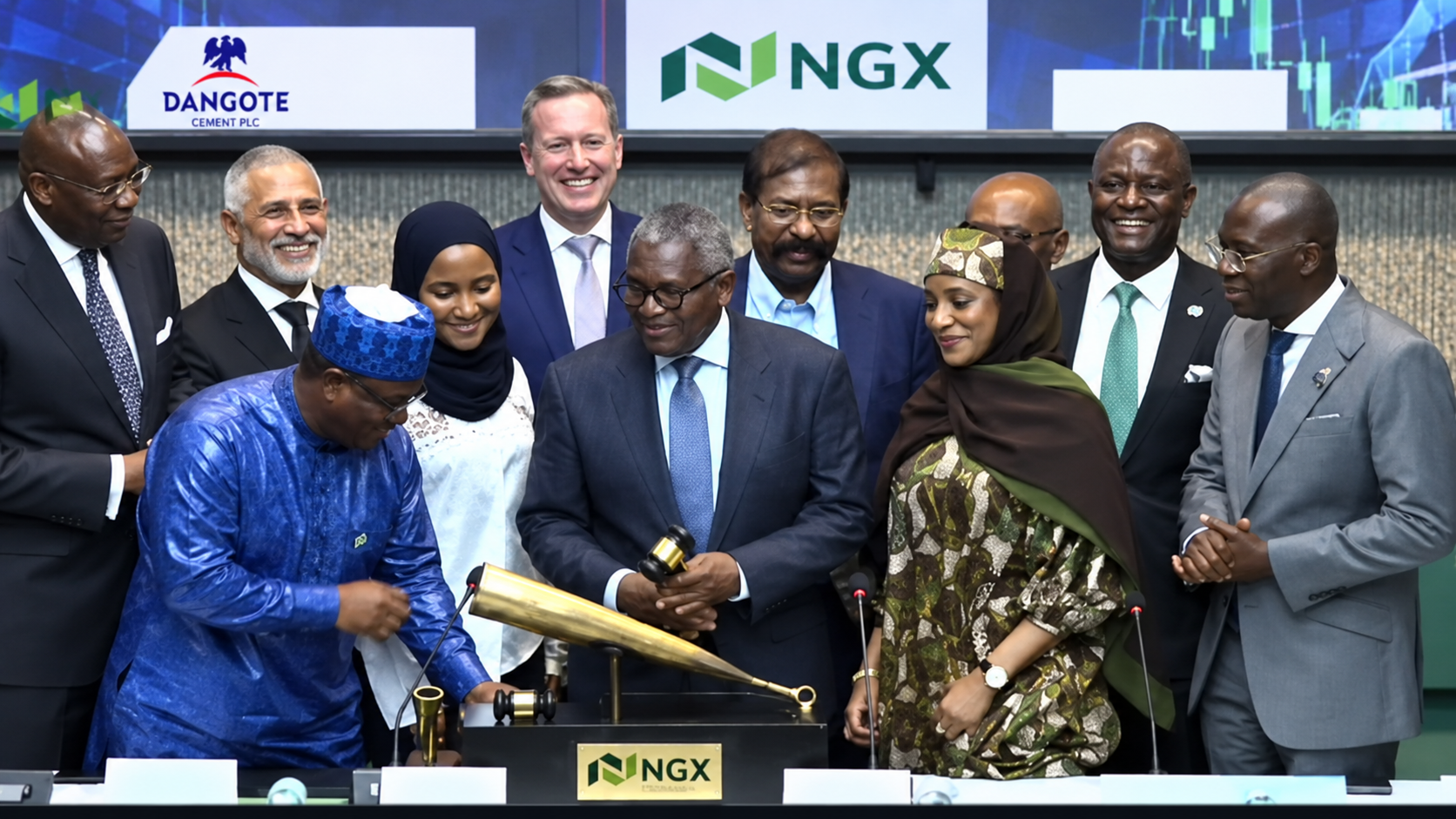
Africa, in this vision, should not remain principally a marketplace for products manufactured elsewhere. It should increasingly become a place where products are conceived, produced, processed and exported to the world. The decision to list Dangote Group on the Nigerian stock market adds another dimension to that industrial story. For a company built over decades into one of Africa’s most recognisable business groups, a public-market presence represents an important step in broadening participation in the value created by the enterprise.
The move also places the company more firmly within Nigeria’s capital-market ecosystem and offers investors an opportunity to participate in the growth story of one of the continent’s largest indigenous business groups. For Dangote, capital markets are not simply mechanisms for raising money. They are part of the infrastructure required to build enduring African businesses.
The broader message is significant: African companies seeking to undertake large-scale industrial projects will require deeper pools of domestic and international capital, stronger institutions and investors willing to take a long-term view. Yet the refinery is not presented as the destination.
Dangote spoke about plans to expand refining capacity and develop new projects across Africa, signalling an ambition that extends beyond a single landmark investment. The strategy points towards a broader industrial ecosystem in which energy, manufacturing and other productive sectors reinforce one another.
That approach matters because Africa’s economic challenge is not simply a question of producing more. It is about creating interconnected productive capacity capable of generating jobs, strengthening local supply chains, reducing import dependence and increasing the value captured within African economies.
The continent possesses enormous natural resources, a rapidly growing population and a generation of entrepreneurs increasingly comfortable operating across borders. The missing ingredient, often, is scale. Dangote’s industrial journey illustrates both the possibilities and the demands of pursuing that scale. Large projects require patient capital, long-term vision, technical expertise, strong management and the willingness to remain committed through periods of uncertainty.
Perhaps the most consequential element of Dangote’s message was directed not at governments or multinational corporations, but at African entrepreneurs themselves. His call for entrepreneurs to invest in the continent reflects a conviction that Africa’s economic future cannot be outsourced.
Foreign investment remains important, but domestic capital and indigenous enterprise have a distinctive role to play in determining what industries emerge, where value is created and who ultimately benefits from economic expansion. African entrepreneurs, in this context, are not merely business owners. They are potential builders of industrial capacity.
Their investments can create companies, supply chains, technologies, jobs and markets that remain rooted in the continent while competing internationally. This requires a shift in mindset — from seeing Africa primarily as a destination for consumption to recognising it as a frontier for production, innovation and long-term investment.
Dangote’s remarks in New York therefore resonated beyond the story of one company or one refinery. They formed part of a much larger conversation about what Africa must become if it is to translate its demographic strength, natural resources and entrepreneurial energy into sustained economic prosperity.
The continent’s industrial future will ultimately be shaped by the decisions made today: whether capital is directed towards productive assets, whether entrepreneurs are willing to take long-term risks, whether governments create environments capable of supporting enterprise, and whether African businesses can evolve into globally competitive institutions.
The Dangote Refinery stands as a physical manifestation of one answer to that challenge. Its towering infrastructure and enormous processing capacity tell the story of what can happen when ambition is matched with capital and persistence. But the deeper story may lie in what comes next.
YOU CAN ALSO READ: Tinapa, Duke and Imoke: The Story Behind Cross River’s Unfinished Tourism Dream
If Dangote’s vision is realised through further refining capacity, new industrial projects and greater entrepreneurial investment across Africa, the refinery could be remembered not merely as an extraordinary industrial achievement, but as part of a wider turning point in the continent’s economic journey.
From New York to Lagos and across Africa, the question is no longer simply whether the continent possesses the resources to grow. The more consequential question is whether Africa will build the industrial capacity to turn those resources into lasting prosperity.
For Dangote, the answer lies in investment, scale, entrepreneurship and the determination to build for the long term.