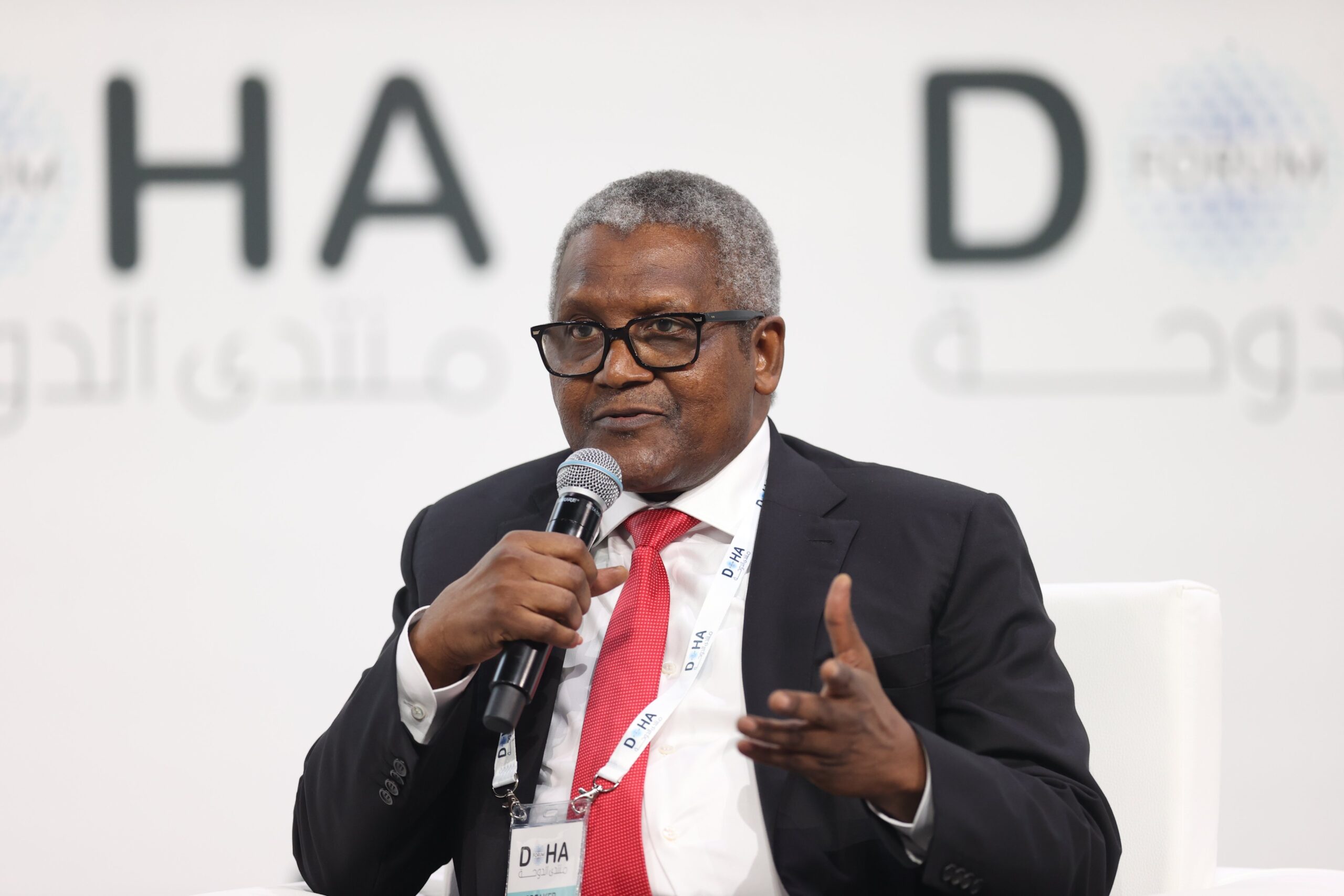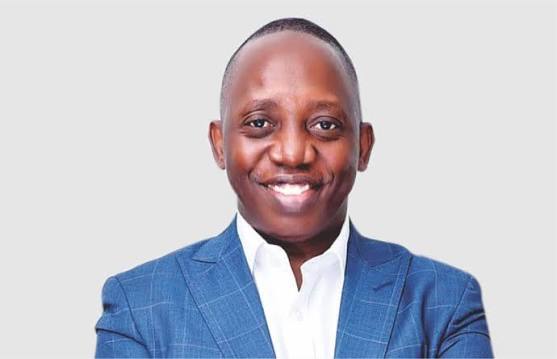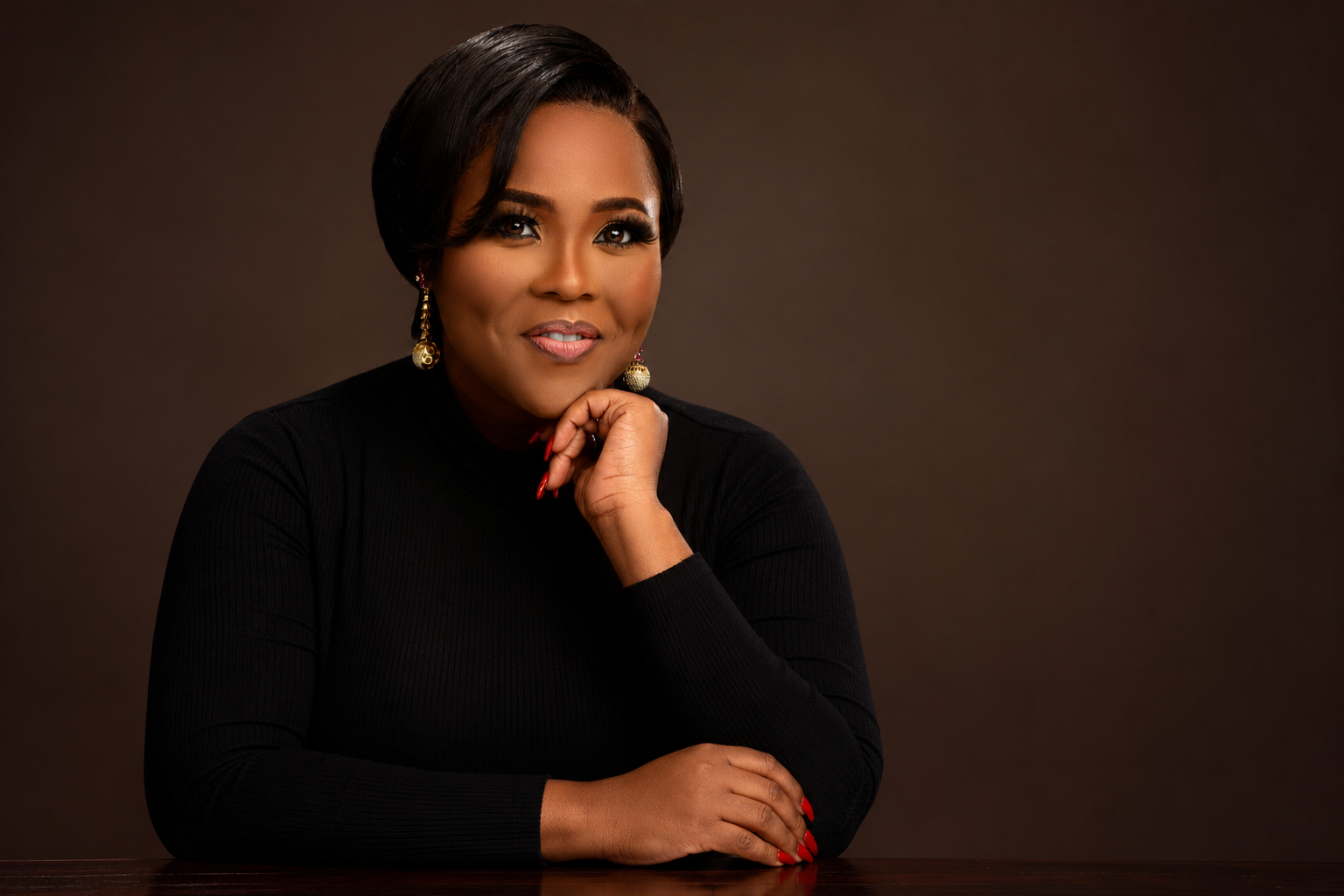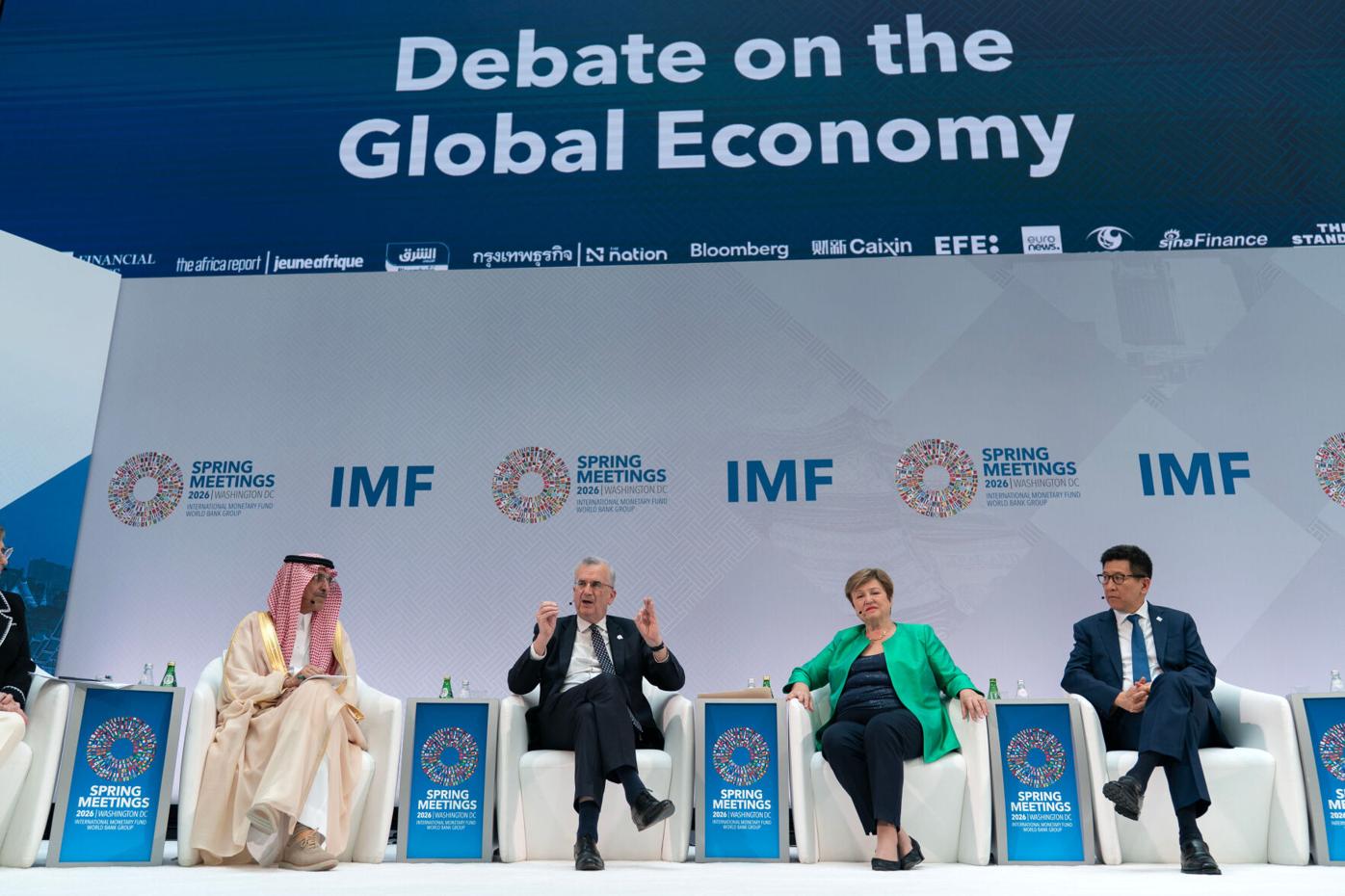
In a moment defined by overlapping crises, geopolitical tensions, energy disruptions, and shifting trade dynamics, the global economy is once again being tested. What emerged from a high-level policy dialogue featuring Kristalina Georgieva, Mohammed Al-Jadaan, Ekniti Nitithanprapas, François Villeroy de Galhau, Martina Cheung, and Eswar Prasad was not panic but a sober, layered understanding of a world entering a new era of uncertainty.
At the center of the discussion is a global system strained by conflict in the Middle East, particularly disruptions around the Strait of Hormuz, through which nearly 20 percent of the world’s oil and gas flows.
Opening the conversation, Georgieva struck a tone that balanced realism with urgency. “The world economy has been very resilient over the last years, facing shock after shock,” she said. “And this resilience is tested yet again, this time by a shock that is large, global, and asymmetric.”
She emphasized that while oil exporters may feel indirect effects through prices, oil importing countries, particularly low income economies, face severe strain. With global debt nearing 100 percent of GDP, fiscal space is limited. Her warning was clear. “Brace for this pain but please don’t make it worse. Don’t put in place policies that increase demand rather than shrink it.” Even under optimistic scenarios, growth is expected to slow from 3.4 percent to 3.1 percent, with inflation rising. In a prolonged conflict, growth could fall as low as 2 percent, pushing some economies into recession.
Providing a ground level view, Al-Jadaan challenged what he described as overly optimistic market assumptions. “Even if the war ceases today it will take weeks if not months before normal operations resume,” he said. “Markets need time. Logistics need time. Confidence needs time.” He urged policymakers globally to prepare for a longer disruption. “Please prepare your economies and your people, this may take longer than expected.”
Yet he underscored the Gulf’s resilience, built over decades of disciplined investment and reform. “Resilience is not built during a shock. It is built in good times and you only see its benefit in bad times.” He pointed to Saudi Arabia’s previously underutilized oil infrastructure, now operating at full capacity, as a lifeline for the global economy.
For Thailand and other energy importing economies, the crisis is deeply structural. Nitithanprapas outlined a dual challenge of short term inflation shocks and long term transformation. “The impact comes through prices, supply disruptions, and eventually weaker demand,” he explained. “We are quite worried about stagflation.” He highlighted disruptions in fertilizers, LPG, and industrial inputs that are critical to both agriculture and manufacturing.
Thailand’s response is focused on targeted support, transition to renewable energy, structural transformation, and stronger collaboration between public and private sectors. “We cannot rely on fossil fuels anymore,” he said. “We must prepare for high oil prices for years.”
From a monetary policy perspective, Villeroy de Galhau emphasized discipline over haste. “We will have no hesitation to act if necessary but we will not rush,” he stated. He drew a clear distinction between initial energy price shocks and the more dangerous second round effects such as wage pressures and persistent inflation. “We are not responsible for the initial shock but we are responsible for preventing it from becoming entrenched.” He added that much of today’s uncertainty could have been avoided, calling it a political responsibility.
Cheung offered a nuanced reading of market behavior, noting that reactions have been uneven across regions and asset classes. “Investors show more fear of inflation than recession,” she said, pointing to widening bond spreads and sector specific volatility. She warned that this is not just an oil shock but a broader industrial disruption. “This is as much a chemicals and materials shock as it is an energy shock,” she explained, noting ripple effects across industries from construction to semiconductors. “The second, third and fourth order effects will define the real impact.”
Prasad placed the crisis within a broader structural shift, warning that the world is entering a more dangerous phase. “The world has become a very dangerous place, fraught with risk and fundamental uncertainty,” he said. He described a negative feedback loop where economics, domestic politics, and geopolitics reinforce each other. “Countries think retreating inward builds resilience. I would argue the opposite, it makes the world less safe.” He stressed the urgency of collective action. “We cannot go it alone. What we need is coordination.”
Despite the gravity of the moment, Georgieva returned with measured optimism. Emerging markets, she noted, are stronger than before, with improved monetary frameworks and growing resilience. At the same time, technological transformation, especially artificial intelligence, is driving productivity gains. “Artificial intelligence is the biggest transformative force we witness,” she said. “AI or die.”
She cautioned, however, against repeating past mistakes. “Do not ignore those left behind. That is what turned the world against globalization.” Her final message blended pragmatism with urgency. “Don’t panic. Stay calm. But recognize the seriousness of the situation.”
What emerges from this global exchange is not just a world in crisis but one at a turning point. Energy shocks, geopolitical fractures, and economic transitions are colliding in ways that demand disciplined policy, long term thinking, and renewed cooperation. In a crisis where even a tanker takes weeks to deliver relief, there are no instant solutions, only deliberate choices that will shape the future of the global economy.