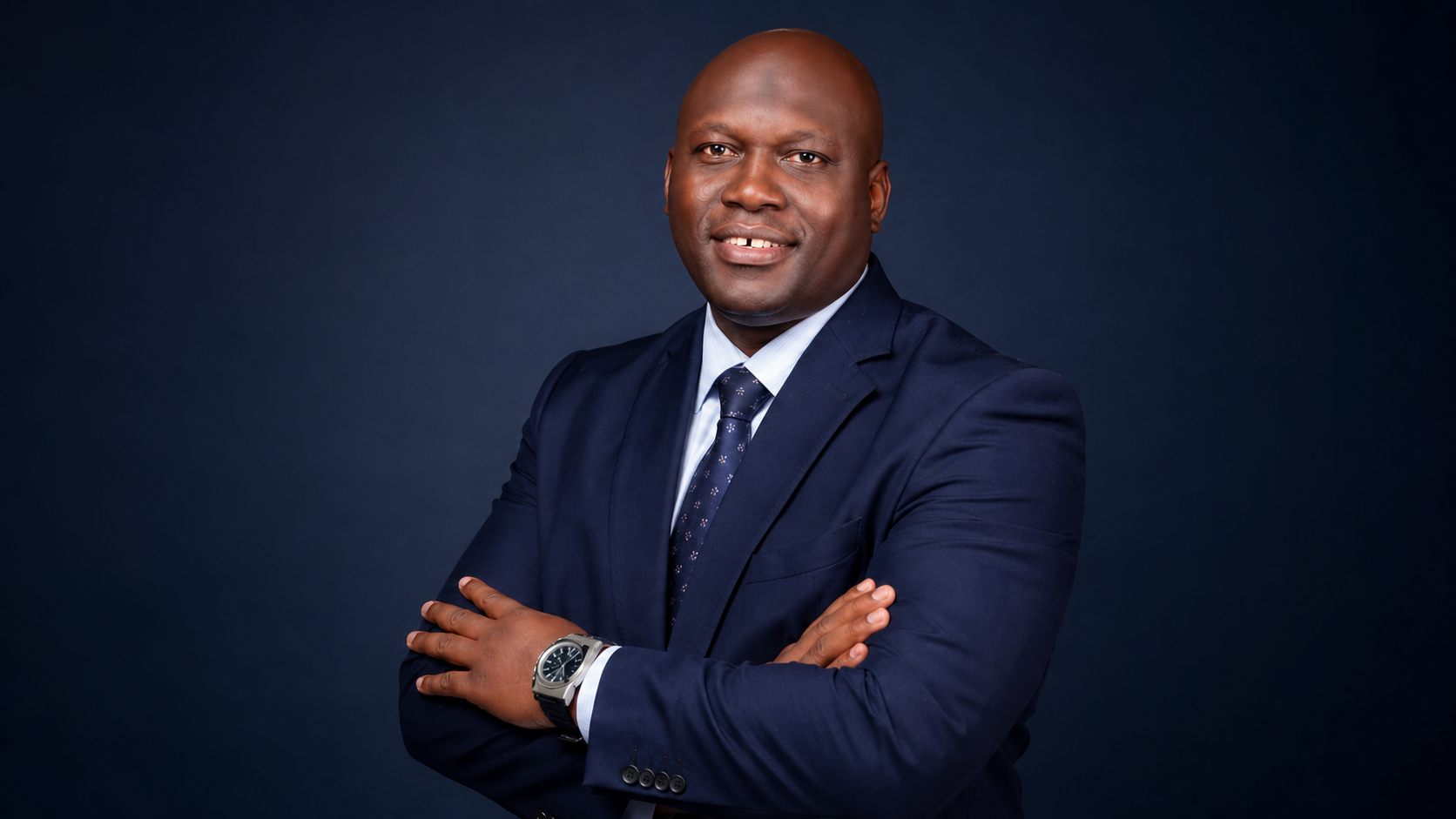
In a business environment often shaped by volatility, speculation, and short-term thinking, few figures embody conviction, discipline, and long-range clarity quite like Cosmas Maduka. Founder and President of the Coscharis Group, Maduka’s story is not merely one of commercial success but a masterclass in the power of principles, faith, and intentional decision making.
He does not speak in abstractions. He speaks from experience.
From the outset, Maduka challenges one of the most common assumptions about poverty. In his view, poverty is not simply the absence of resources. It is the absence of productivity. It is a provocative stance, but one that frames his entire philosophy. Results are not accidental. They are earned through discipline, clarity, and consistent action.
Everybody likes success, he says, but there is a price required that nobody wants to pay.
This is where Maduka separates aspiration from reality. In a society where success is often romanticised, he insists on grounding ambition in responsibility. Faith, in his worldview, is not an escape from effort. It is a framework that reinforces it. The idea that results can be summoned through mere declarations, he argues, misunderstands both spirituality and success. Money does not respond to shouting. It responds to clarity of mind and purpose.
At the heart of his philosophy is a deep respect for principles, immutable laws that govern both life and business. These principles, he explains, are indifferent to status, background, or belief. Whether in physics or finance, violation carries consequences. Principles do not respect you. They do not care who you are.
It is this unwavering adherence to principle that has shaped his most defining moments in business.
One such moment came during a turbulent period in Nigeria’s financial sector, when regulatory actions by the Central Bank of Nigeria destabilised several institutions. Maduka found himself holding shares in a struggling bank, assets many had already written off. Offers came, but all below what he believed the shares were worth.
Where others saw decline, he saw conviction.
Standing firmly on his valuation, he refused to sell below ₦5 per share, despite earlier offering it at ₦2 with no buyers. What followed was a remarkable sequence of events. Within hours, competing interests emerged. Offers climbed from ₦3.50 to ₦5, then ₦6 and ₦7, until the transaction ultimately closed at ₦8 per share. The deal yielded approximately ₦14 billion.
It was not luck. It was positioning.
Maduka describes the experience not as a stroke of fortune, but as the convergence of faith, patience, and strategic clarity. He did not chase the market. He understood it. More importantly, he understood himself. You negotiate from a position of strength, he reflects, not from panic.
That moment marked a turning point. Debts were cleared. Financial independence was redefined. And a new operating philosophy emerged, one rooted in control, discipline, and what he calls intentional living.
Yet, beyond the numbers, what stands out most about Maduka is his insistence on personal responsibility. He rejects the notion of a predetermined destiny that operates independently of human choice. Instead, he frames life as a cumulative outcome of decisions. Every one of us is the sum total of our decisions over time, he says. Consistency, not chance, determines outcome.
This emphasis on choice extends into his broader worldview, particularly his definition of success.
In an era where wealth is often equated with achievement, Maduka offers a different metric. Success, for him, is peace of mind. It is the ability to rest without fear, to operate without compromise, and to live with clarity. You cannot buy it in any market.
That perspective also informs his views on wealth and character. Money, he argues, does not transform people. It reveals them. The discipline required to manage abundance must be cultivated long before it arrives. If small money affects your behaviour, he notes, greater wealth will only amplify it.
Even his approach to faith reflects this consistency. For Maduka, spirituality is not seasonal or situational. It is foundational. He speaks of commitment not in terms of convenience, but conviction. Faith is not something to outgrow. It is something to deepen.
And perhaps that is what ultimately defines his legacy.
In Nigeria, where conversations around success often oscillate between hope and frustration, Maduka offers something more grounded, a blueprint. One that does not promise ease, but guarantees possibility for those willing to align belief with action, and vision with discipline.
His life is not just a story of wealth creation. It is a study in how principles, consistently applied, can transform not just outcomes, but identity itself.