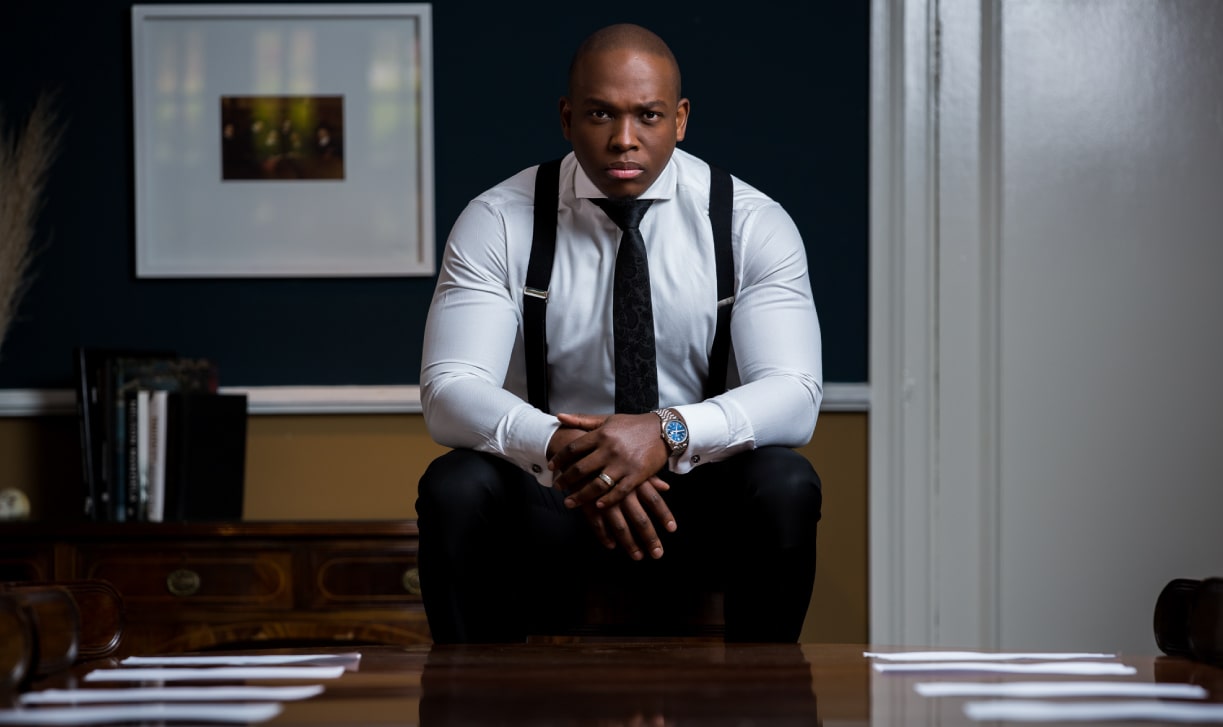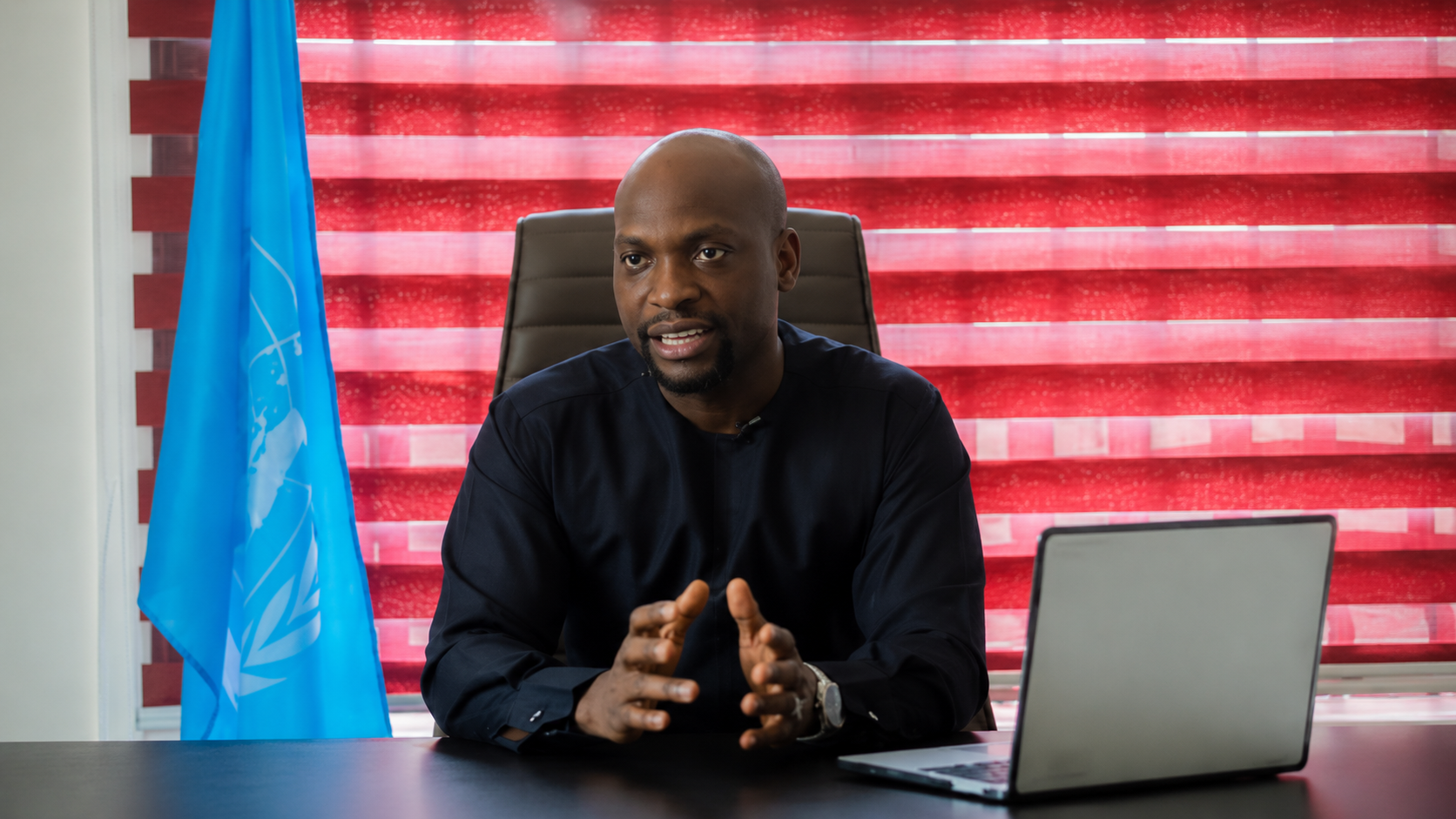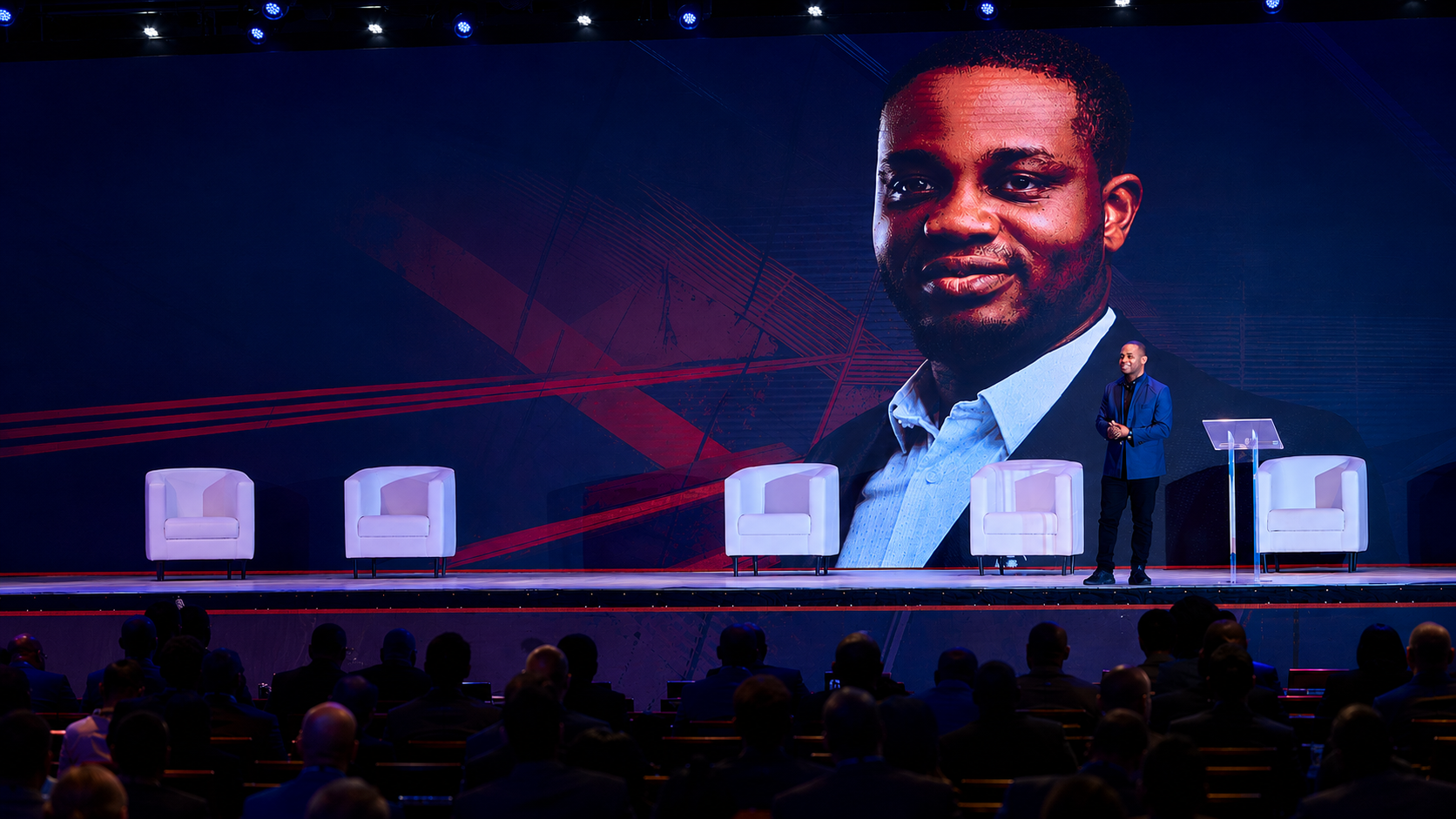
In a business climate where appearance is often mistaken for progress, and founders rush to build the image of a corporation before securing the fundamentals of profitability, Founder/CEO, LIMBsimple, Ezekiel Solesi, is championing a radically different philosophy, one grounded not in noise, but in clarity, discipline, and economic reality.
For Solesi, business is not built on motivational slogans or cosmetic structure. It is built on definitions, cash flow, market validation, and the brutal honesty of whether customers are willing to pay for what you offer.
“A lot of us need to understand that the most powerful thing in your life is definitions,” he explained during a recent episode of the LIMBsimple Podcast. “You must know what things mean. It’s not just about how words are used because many words today are used incorrectly.”
It is this obsession with precision and practical thinking that has shaped Solesi into one of the most influential business strategists working with Nigerian entrepreneurs today. Over the last 15 years, he has personally made more than 90,000 sales calls to business owners and worked with over 5,000 businesses, including more than 57 companies now generating over one billion naira annually in revenue.
That level of immersion has given him something far more valuable than textbook theory: pattern recognition.
YOU CAN ALSO READ: Tilewa Adebajo Warns Nigeria’s Economy Is Stabilized but Not Transformed
Speaking with podcast host Melvis, who described him as “a man who understands business not from theory but from experience,” Solesi dissected one of the biggest misconceptions among founders: the confusion between growth and scaling.
“Scaling is growing revenue and capacity at the same time,” he said. “Growth is simply increasing revenue.”
The distinction may appear subtle, but for Solesi, misunderstanding it is one of the fastest ways entrepreneurs destroy promising businesses.
According to him, too many founders are obsessed with looking established long before their businesses are economically stable enough to sustain the weight of corporate structure. Departments are created prematurely, offices are rented unnecessarily, and payrolls expand beyond what revenue can support.
“If your business hasn’t figured out where the next money is coming from, you do not need departments yet,” he stated bluntly. “Everybody is in the same department. You are all in the ‘find the money’ department.”
The statement captures the central philosophy of his approach to entrepreneurship: survival before sophistication.
Solesi argued that many businesses collapse not because they lack ambition, but because they prioritize appearances over financial sustainability. Entrepreneurs often attempt to replicate the structure of multinational corporations while still operating at the level of a startup struggling for consistent cash flow.
“Do not try to build the structure of KPMG, Chevron, or Shell when your business is still operating at the level of a small neighborhood business,” he warned. “You will destroy yourself trying to look big instead of becoming profitable.”
For him, cash flow is the first and most important validation mechanism in business because money represents the market’s vote of confidence.
“Money is the market voting for you,” he explained. “The market is the judge, and people vote with their wallets. If people are not buying your product, something is wrong. Your positioning is wrong, your message is wrong, or your campaign is wrong.”
In Solesi’s framework, structure should evolve in phases, growing naturally alongside the company’s financial capacity. Every business, he argued, begins as a hustle. In the early days, everybody is a generalist. Roles overlap. The founder does whatever is necessary to survive.
As revenue becomes stable, the organization can then transition into specialist systems, bringing in accountants, operations managers, legal professionals, and structured departments. But attempting to force that process too early creates what he described as one of the deadliest threats to entrepreneurship: recurring expenditure without stable income.
“Nothing kills a business faster than having massive monthly obligations without stable income to support them,” he said.
The conversation also explored how many entrepreneurs misunderstand marketing and product superiority. Solesi challenged the popular assumption that the best product automatically wins in the marketplace.
“Sometimes the business that wins is simply the one with the best distribution and marketing,” he said.
He pointed out that consistency and visibility often outperform perfection. Consumers repeatedly choose businesses that are accessible, available, and familiar over competitors who may have a technically superior product but weaker market presence.
“You may not make the best burger,” he noted, “but if your burger is available everywhere and easy to buy, people will buy from you repeatedly.” It is why, in his view, founders must stop romanticizing innovation and start respecting execution.
“Not everybody will be Steve Jobs or Elon Musk,” he explained. “For most people, the smarter move is to solve an obvious problem consistently.” Even the world’s biggest innovators, he argued, do not rely solely on product quality. They spend aggressively on attention. Disney, for example, can spend hundreds of millions of dollars producing a film and then spend almost the same amount marketing it.
“Attention is the real currency,” he said.
Throughout the conversation, Solesi consistently returned to one recurring theme: adaptability. Using Nigeria’s short-let apartment market as an example, he explained that industries naturally evolve according to value perception and customer behavior. Prices may rise during high-demand seasons, but businesses that fail to adjust when the market changes eventually lose relevance.
YOU CAN ALSO READ: The Lawyer Who Bet on Airports: Wale Babalakin and the Rise of Private Infrastructure in Nigeria
“If your short-let business stops performing, convert it into long-term rentals,” he advised. “Adapt instead of holding onto a model that is no longer working.”
Beyond strategy, however, what stood out most was Solesi’s philosophy of leadership.
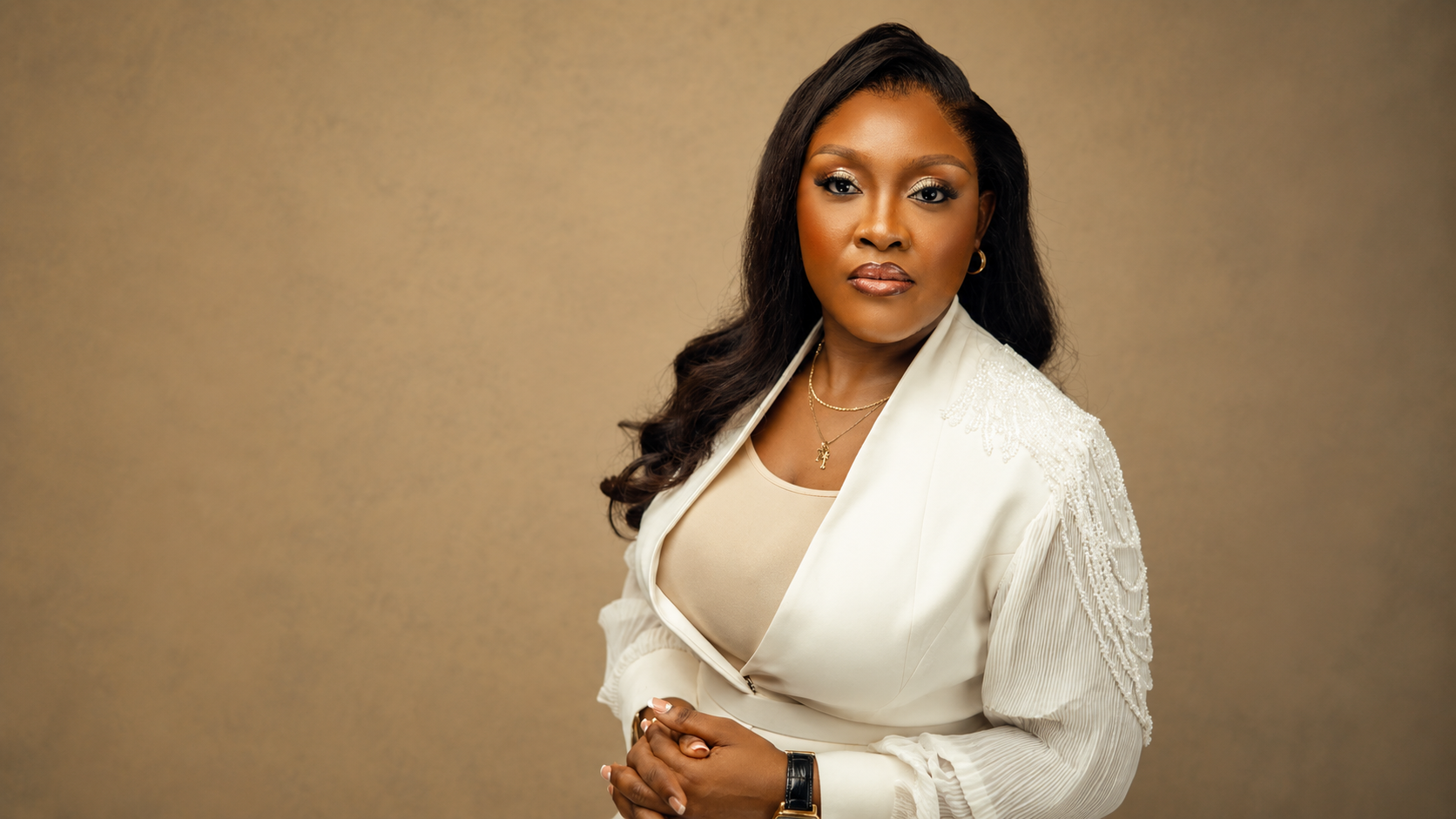
Melvis described him not only as a business coach but as a leader deeply invested in helping people become the best version of themselves across every area of life.
“He essentially wants you at every point to become the best version of yourself,” she said during the podcast. “Your personal life, your work life, your relationship with God, your growth as a person. He is always looking for opportunities to help people become more.”
That leadership philosophy is perhaps the foundation of LIMBsimple itself, an organization built not merely around business growth, but around intentional development, practical strategy, and sustainable execution.
For Solesi, the ultimate goal of business is not simply expansion. It is building systems, cultures, and organizations that people genuinely want to grow with over the long term.
“At the end of the day,” he concluded, “business is about intentional growth, solving real problems, understanding your market, and building systems only when your revenue can sustain them.”
And in an era where many entrepreneurs are racing to look successful before becoming sustainable, that message may be more necessary than ever.