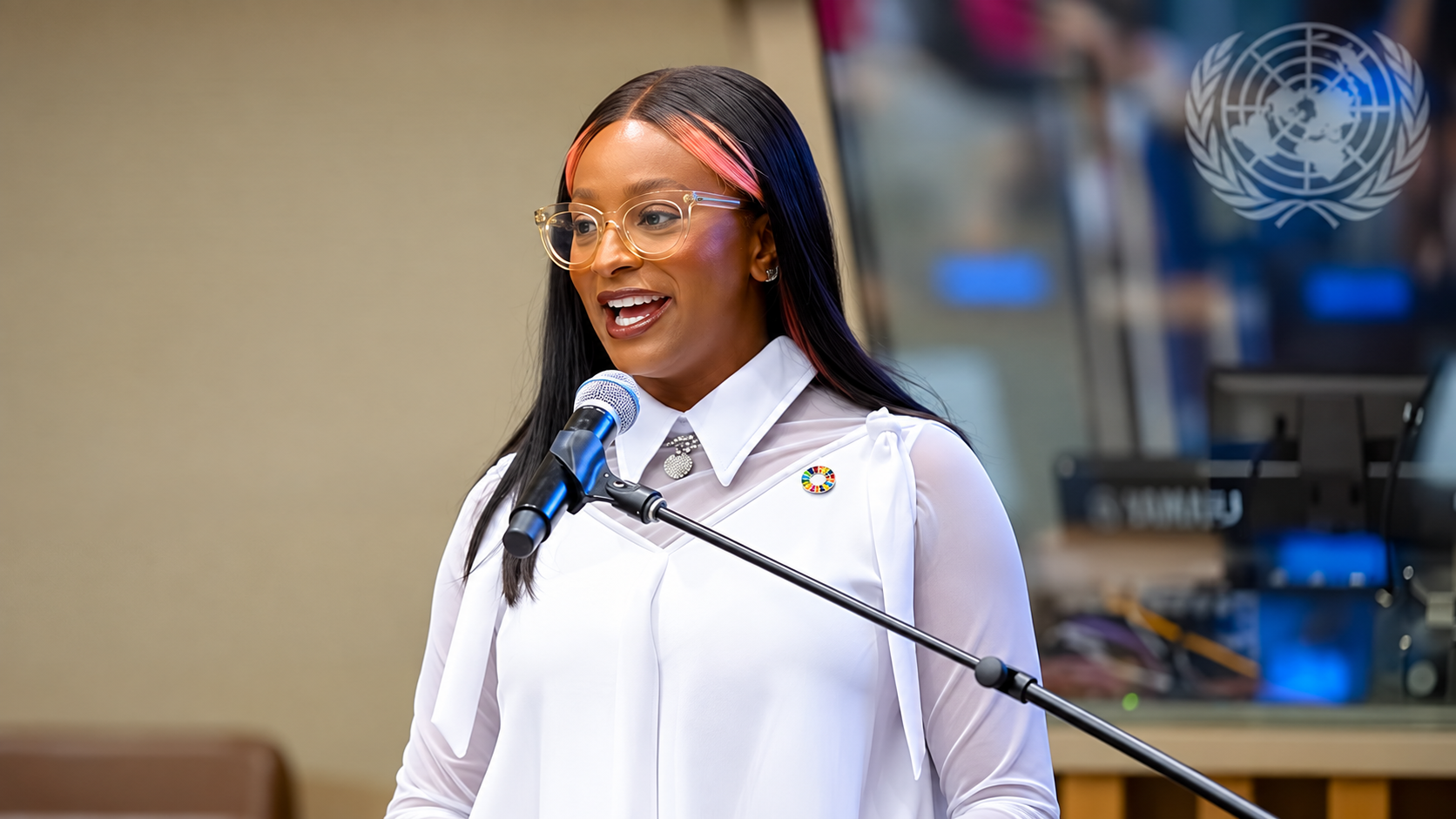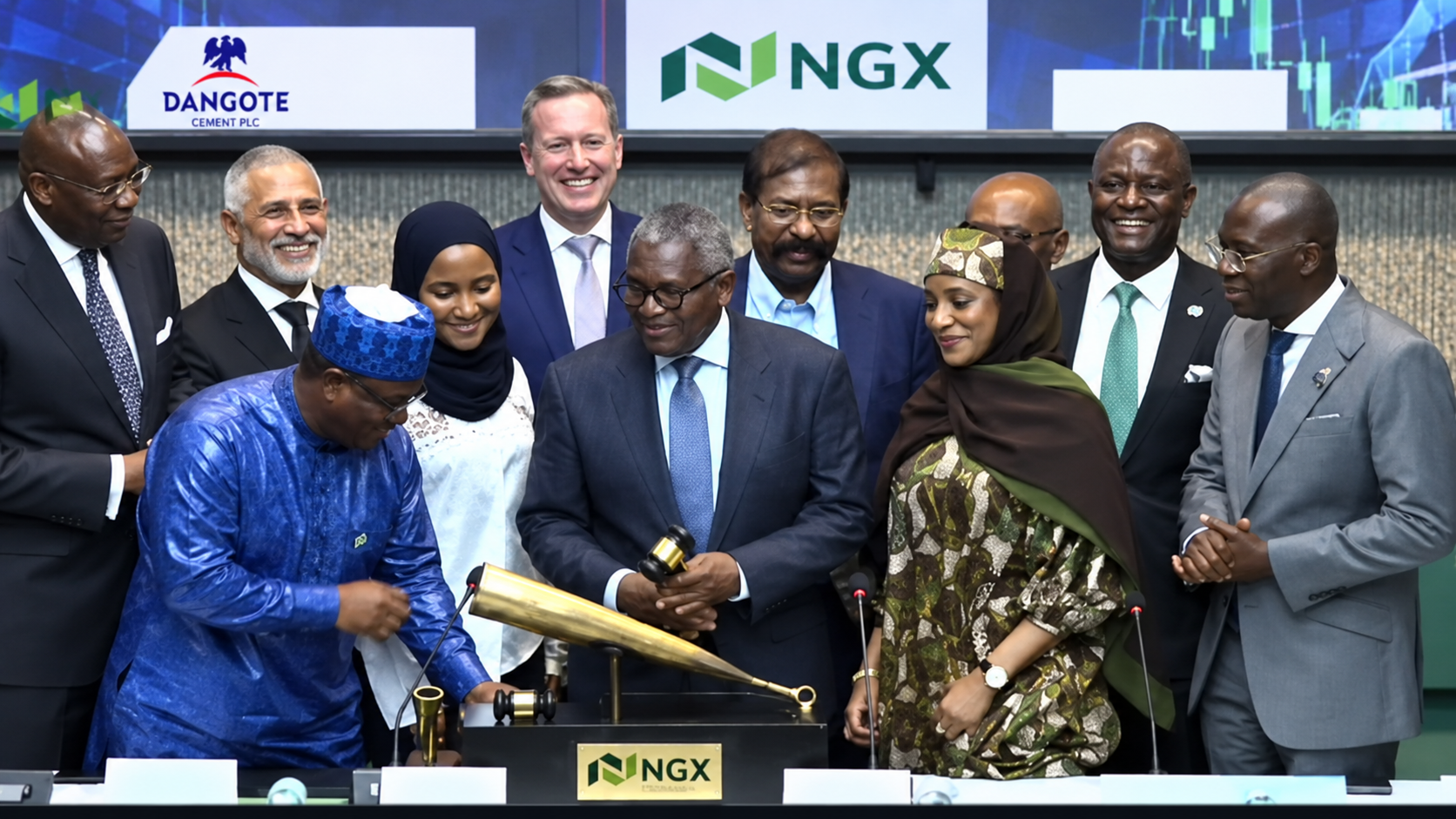
In a period defined by economic pressure and reform urgency in Nigeria, few policy figures have attracted as much attention as Taiwo Oyedele, who now serves as Nigeria’s Minister of Finance and Coordinating Minister of the Economy. Once seen as a bridge between the private sector and government reform efforts, his transition into a central public-sector leadership role is increasingly shaping how the country approaches taxation, fiscal coordination, and broader economic management.
Speaking in a recent conversation, he reflected on a journey that began as a time-bound assignment on tax reform but has since evolved into a broader mandate within Nigeria’s economic governance architecture. What started as a technical intervention has become, in his telling, a deeper opportunity to drive structural change across the economy.
YOU CAN ALSO READ: Why Structured Wealth May Be Nigeria’s Missing Financial Solution
Oyedele described his entry into government work as an extension of a long-standing commitment to solving national economic challenges rather than a permanent career shift. The initial expectation was that his role in tax reform would be temporary. However, growing confidence from leadership and the expanding scope of reform efforts changed that trajectory.
He credited the political leadership of the administration, particularly the willingness to pursue difficult reforms despite public resistance, as a key factor in sustaining momentum. Rather than viewing his role as fixed, he framed it as an ongoing assignment focused on delivering measurable outcomes for citizens.
A major theme in his reflections is the structural complexity of fiscal governance compared to monetary policy. While monetary authorities can act independently and swiftly, fiscal reforms require negotiation across multiple institutions, legislative approval, and broad stakeholder alignment. This complexity, he argued, often creates the perception that fiscal authorities are less effective, even though fiscal and monetary systems are deeply interdependent.
He acknowledged concerns in public discourse about the strength of fiscal institutions in Nigeria’s economic framework, but shifted focus toward capacity gaps in data, communication, and transparency. He noted that reliable fiscal data is often fragmented or difficult to access, sometimes forcing stakeholders to rely on external institutions for basic economic information about Nigeria.
Strengthening domestic data systems, he argued, is central to restoring credibility and improving policy clarity. A key priority is institutional transparency, ensuring that fiscal information is consistent, accessible, and usable for decision-making at all levels of government.
On the relationship between fiscal authorities and the Central Bank of Nigeria, he noted that while collaboration has improved in recent years, it must become more structured and less dependent on individual relationships. He advocated for “collaboration by design,” where coordination is embedded in legal and institutional frameworks rather than personality-driven engagement, ensuring continuity regardless of leadership changes.
YOU CAN ALSO READ: Why Agritourism Is Becoming Nigeria’s Next Big Opportunity
Beyond policy design, he emphasized that the next phase of reform lies in implementation, including issuing regulations, guidelines, and enforcement frameworks that translate tax reforms into real economic impact. A major focus is tax harmonization across federal, state, and local governments, particularly addressing multiple taxation and informal levies that burden businesses and citizens.
He noted that progress is already underway, with several states adopting enabling laws to streamline and formalize tax systems. The broader objective is not only to improve revenue generation but also to reduce corruption and ensure that public funds are more effectively deployed toward service delivery.
Despite expanded responsibilities and growing expectations, Oyedele resists the idea of permanence in his current role, framing his work instead as part of a longer institutional transformation effort. What remains clear is that Nigeria’s fiscal direction is increasingly being shaped by a reform agenda seeking to connect policy design with execution, data with transparency, and taxation with public trust.