For decades, the Nigerian dream has revolved around one central pursuit: earning more money. A better salary, a promotion, a new contract, another stream of income. But as inflation bites harder and economic uncertainty reshapes household realities, a growing question has emerged: what happens when income alone is no longer enough?
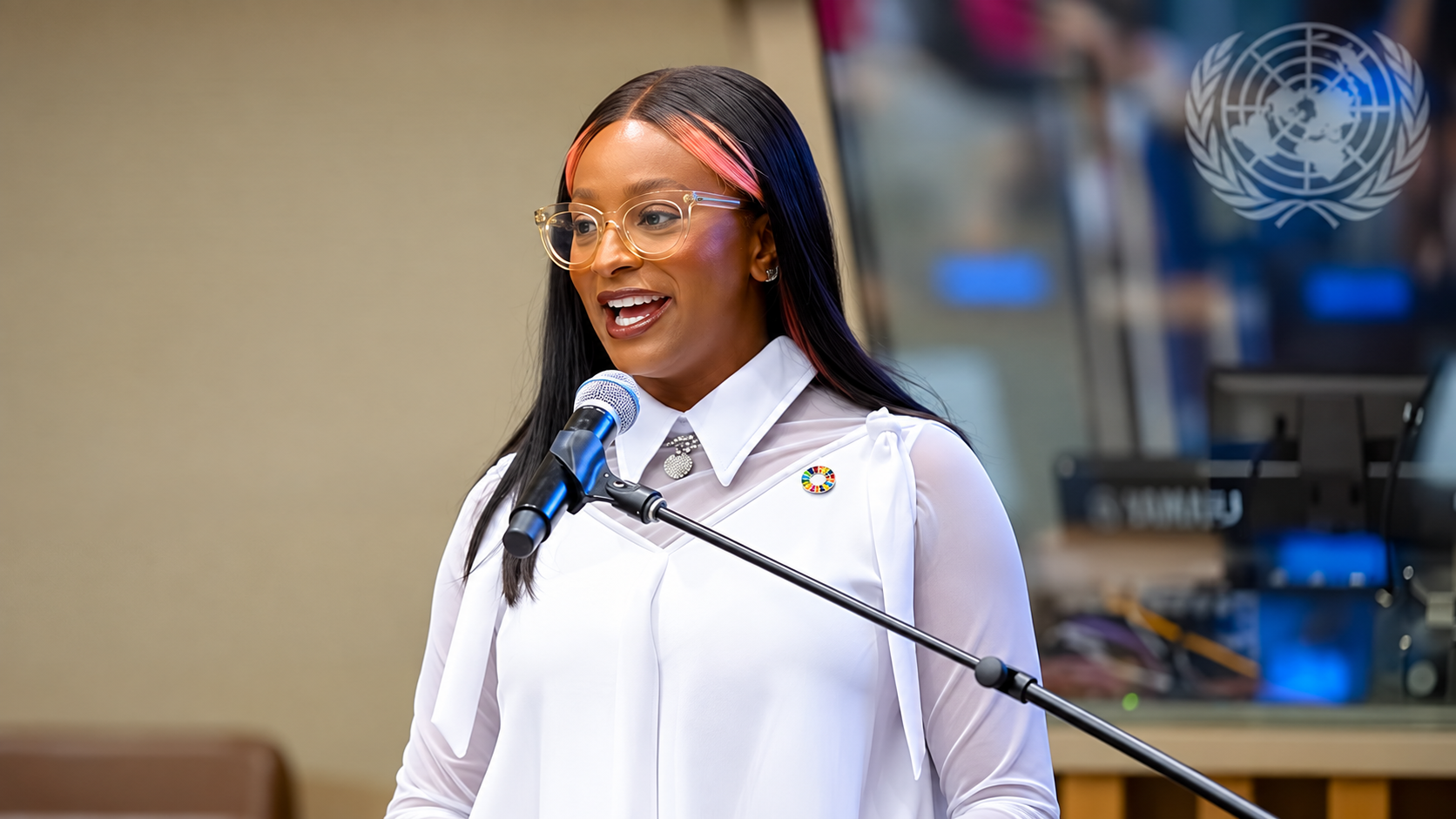
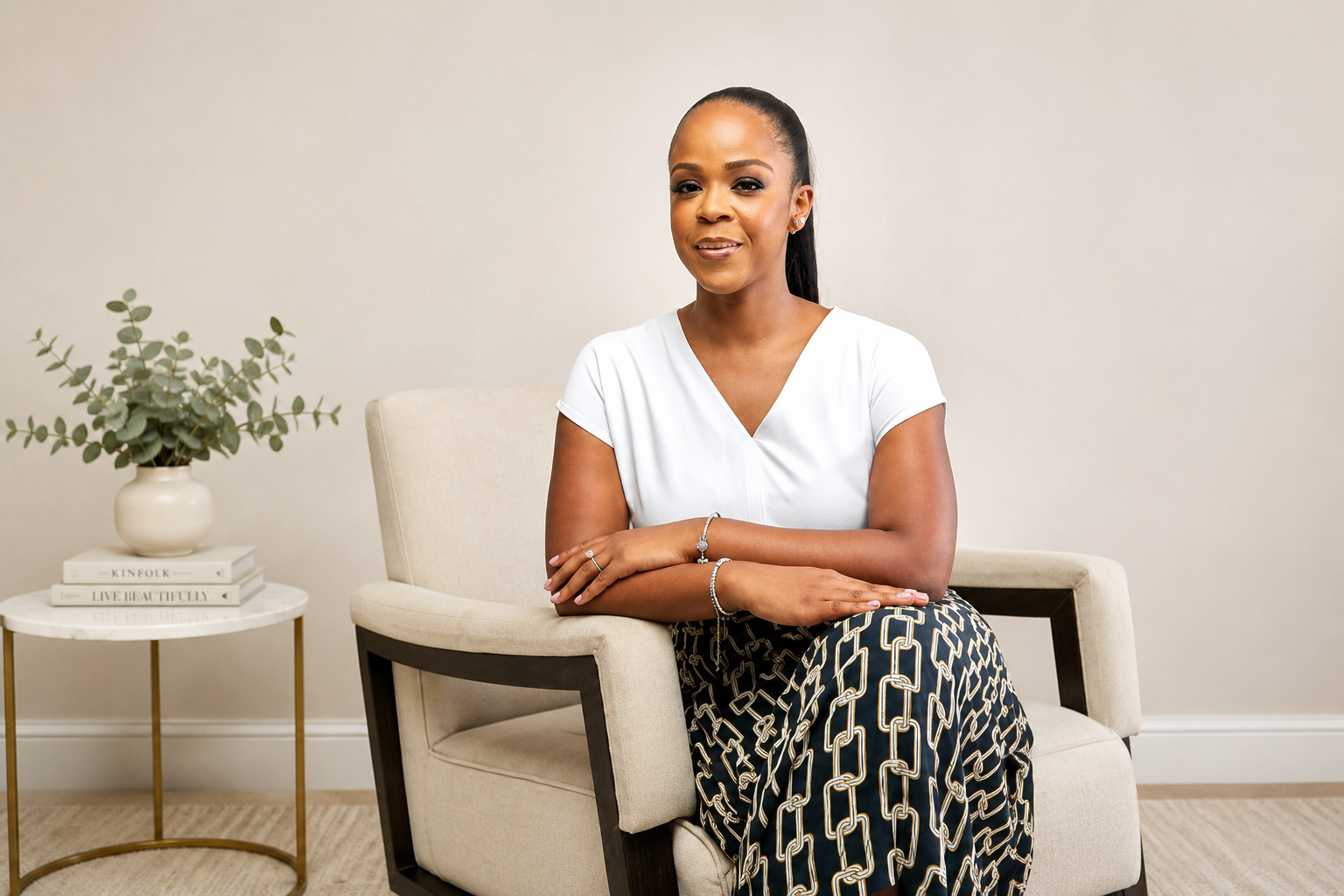
That question formed the heart of a compelling conversation on Arise News with the Managing Director of BlackCod Asset Management, Ebunoluwa Dayo-Adepoju who argued that the future of financial security in Nigeria will not be determined by earnings alone, but by the ability to intentionally build and structure wealth. Her message was clear: income may keep people afloat, but wealth creates resilience.
The conversation arrived against the backdrop of sobering economic realities. Nigeria’s poverty challenge remains one of the country’s most pressing issues. Millions of citizens work, earn, and hustle daily, yet continue to struggle financially. The problem, Dayo-Adepoju suggested, is larger than wages. Income, she noted, is transient; wealth is enduring. Without systems that transform earnings into assets, income often disappears under the weight of inflation, school fees, healthcare expenses, and daily living costs.
YOU CAN ALSO READ: The 33 Year Old Entrepreneur Rewriting Nigeria’s Success Story
Recent years have made that vulnerability painfully visible. The naira’s depreciation and rising inflation have exposed the limits of relying solely on cash savings. While some individuals with investments and asset-backed portfolios found ways to preserve value, many others watched their purchasing power steadily erode.
Yet Dayo-Adepoju resisted framing the issue as purely a government problem or an economic inevitability. Instead, she shifted attention toward a quieter but powerful factor: personal financial discipline. According to her, structured wealth begins with intention. Earning money is only the first step; building wealth requires creating systems around that income. It demands consistency, planning, and a long-term perspective. Too often, individuals focus entirely on immediate needs and short-term gains, leaving little room for future financial security. Real wealth creation, she argued, requires a deliberate strategy, one that prioritizes tomorrow alongside today.
But even that becomes difficult in an economy where inflation constantly eats into value. Dayo-Adepoju described inflation as a “silent killer,” one that gradually reduces the real worth of idle cash and savings. The challenge, therefore, is not merely putting money aside; it is ensuring money is placed where it can grow. That distinction, between saving and investing, became one of the most significant ideas from the discussion. For many Nigerians, financial discipline has traditionally meant setting money aside in a savings account. Dayo-Adepoju argued that while savings remain important, they are often insufficient on their own. Money stored without growth mechanisms risks losing value over time. Instead, she advocated investing in income-generating assets and diversified portfolios, ranging from fixed-income instruments to equities and other financial vehicles capable of delivering compounded returns.
The emphasis, however, was not on starting big. Her approach challenged a common assumption that wealth-building requires significant capital. Instead, she stressed the power of small but consistent investments. Even modest amounts, invested regularly over years, can accumulate into meaningful wealth through compounding. It was less about dramatic financial moves and more about sustained habits.
Still, she acknowledged a major obstacle standing between many Nigerians and financial security: knowledge. Financial literacy, she argued, remains one of the country’s widest gaps. While social media and digital platforms have increased awareness around investing, awareness alone has not translated into action. People hear terms like bonds, equities, portfolio diversification, and wealth management, but often struggle to understand how those concepts connect to their personal realities. That educational disconnect, she suggested, remains one of the biggest barriers to long-term wealth creation.
Her solution was not one-off lessons or occasional campaigns, but continuous education. At BlackCod Asset Management, she explained, efforts around financial literacy have become deeply integrated into client engagement strategies. Through interactive sessions and simplified educational content, the goal is to make wealth conversations practical and relatable rather than intimidating. The focus is not simply on financial products but on life goals. Whether planning for children’s education, future travel, retirement, or even end-of-year expenses, Dayo-Adepoju believes wealth planning becomes more effective when tied to real aspirations. Financial strategies should help people understand how present sacrifices create future outcomes.
YOU CAN ALSO READ: The Business Mind in Politics: Akin Alabi’s Journey From Enterprise to Parliament
That philosophy inevitably led to one of the oldest principles in wealth creation: delayed gratification. For a generation increasingly accustomed to instant results and immediate consumption, Dayo-Adepoju argued that sustainable wealth often requires restraint. Sometimes, not spending today creates the opportunity to enjoy more tomorrow, not deprivation, but intentionality.
As financial tools become increasingly digital and data-driven, she also highlighted the role technology now plays in helping individuals make informed decisions. Yet she was careful to position technology as an enabler rather than a replacement for judgment and experience. Markets move in cycles, she noted. Economic booms and downturns come and go. Data can guide decisions, but experience helps interpret what the numbers mean.
Ultimately, her conversation pointed toward a larger national challenge. Nigeria’s future prosperity may depend not only on helping citizens earn more but on helping them own more, preserve more, and transfer more. Because if every generation starts from zero, progress remains temporary. And in an economy where incomes can rise while purchasing power falls, perhaps the next financial revolution is not about making money. It is about learning how to keep it, grow it, and turn it into something that lasts.