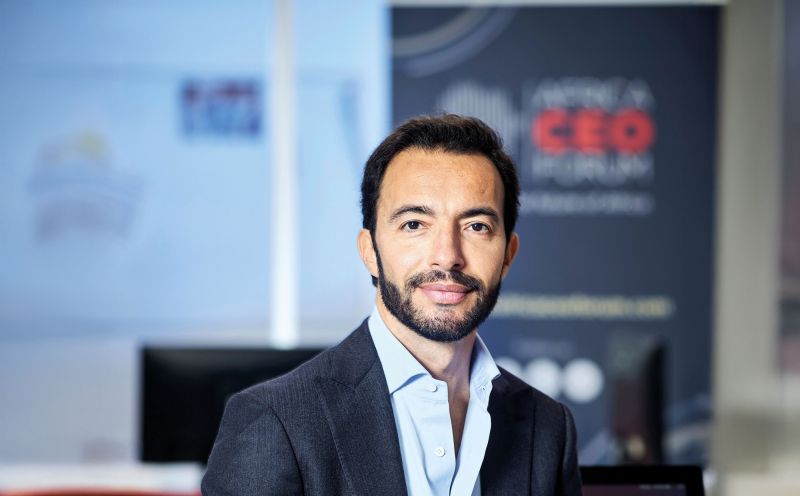
Founder, Africa CEO Forum, Amir Ben Yahmed, has shared key insights from the 2026 edition of the continent’s largest private sector gathering, held in Kigali, Rwanda, describing the event as a turning point in Africa’s conversation on economic sovereignty, industrial scale, and regional integration.
The forum, which brought together thousands of business leaders, policymakers, investors, and institutional stakeholders, focused heavily on Africa’s path to prosperity through locally driven economic policies, industrial expansion, and stronger cross-border collaboration. This year’s theme centred on the urgent need for African economies to build scale in order to compete effectively in the global marketplace.
Speaking on the outcomes of the Kigali edition, Ben Yahmed noted that the dominant message was the growing consensus around “scale” as a critical requirement for African competitiveness. He explained that sovereignty, while widely discussed, remains a long-term journey that requires shared vision, coordinated action, and a fundamental shift in mindset across the continent.
YOU CAN ALSO READ: Mark Zuckerberg Cuts 8,000 Jobs as Meta Bets Bigger on AI Expansion
According to him, Africa’s challenge is not ambition alone, but the fragmentation of effort across national borders. He stressed that no single African company can become a global champion in isolation, adding that the continent must embrace collective ownership models, regional partnerships, and shared capital structures to unlock true scale.
He further highlighted that global multinational corporations are often not controlled by majority shareholders, but by dispersed institutional investors, a model he believes Africa must begin to adopt more deliberately. In his view, this approach would allow African enterprises to grow beyond national limitations and compete effectively on the world stage.
Ben Yahmed also emphasized the importance of mobilizing Africa’s vast institutional capital base, including pension funds, sovereign wealth funds, and insurance assets, which he described as critical yet underutilized engines for industrial growth. He called for regulatory reforms, stronger capital market integration, and harmonized listing frameworks to enable cross-border investment and expansion.
On the outcomes of the forum, he revealed that approximately 2,800 participants attended the 2026 edition, including multinational corporations, development finance institutions, and hundreds of family-owned businesses seeking partnerships and expansion opportunities. He noted that several deals worth billions of dollars were discussed or initiated during the event, reinforcing the forum’s growing role as a deal-making platform rather than solely a policy dialogue space.
He also addressed the cultural barriers to collaboration in Africa, acknowledging the challenges around trust and ownership fragmentation in business partnerships. However, he maintained that shifting collective ambition and redefining success through shared value creation would gradually reshape business culture across the continent.
YOU CAN ALSO READ: The Making of Britain’s First Billionaire Sportsman
Looking ahead, Ben Yahmed outlined the evolving role of the Africa CEO Forum beyond dialogue, indicating a stronger focus on implementation, monitoring, and strategic initiatives. He pointed to emerging projects in digital infrastructure and satellite connectivity as examples of efforts aimed at strengthening African sovereignty in critical sectors.
He concluded that Africa’s future lies in building a limited number of strong continental champions across key industries such as energy, mining, agriculture, and technology, capable of competing globally and driving sustained economic transformation across the continent.