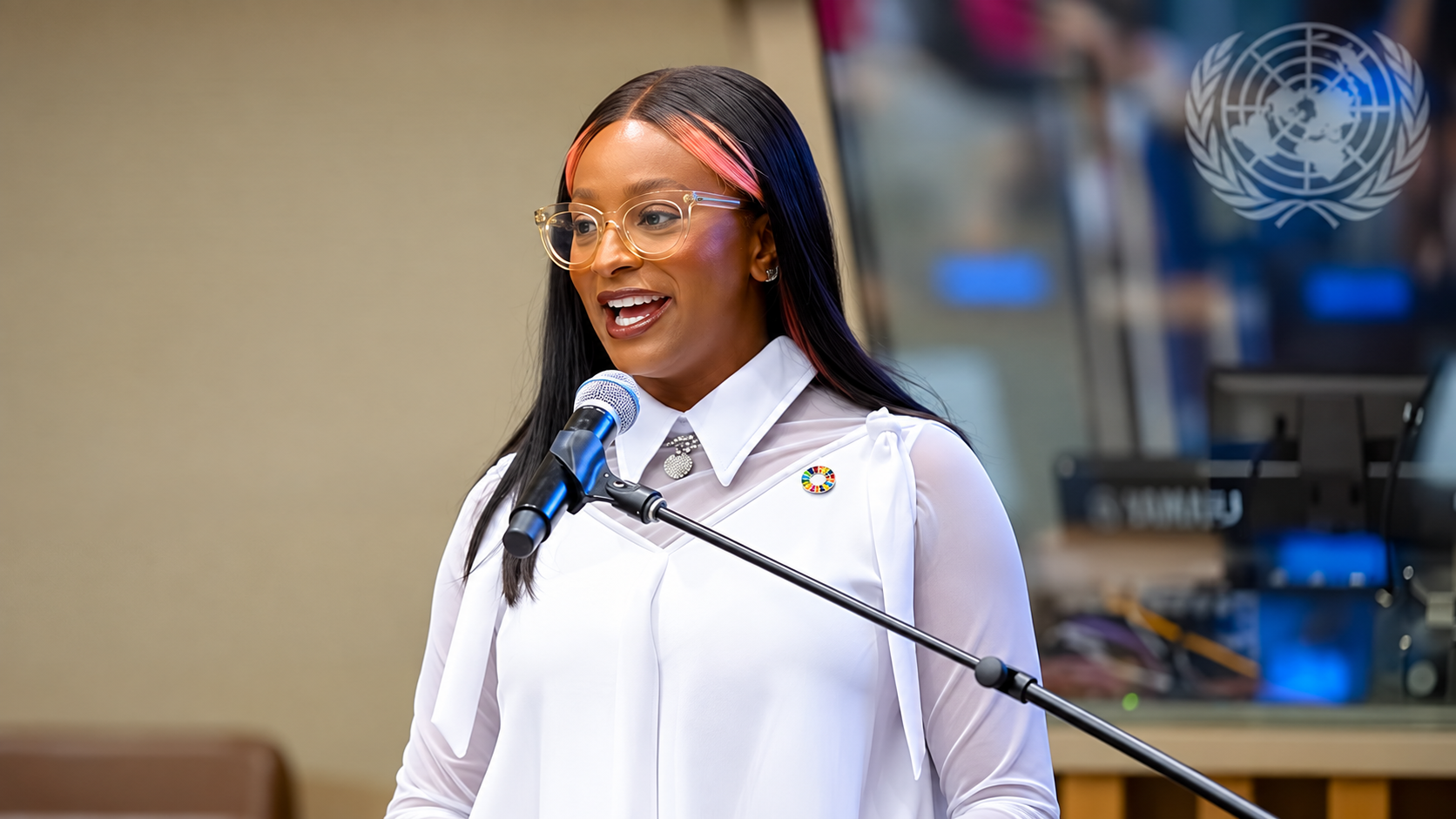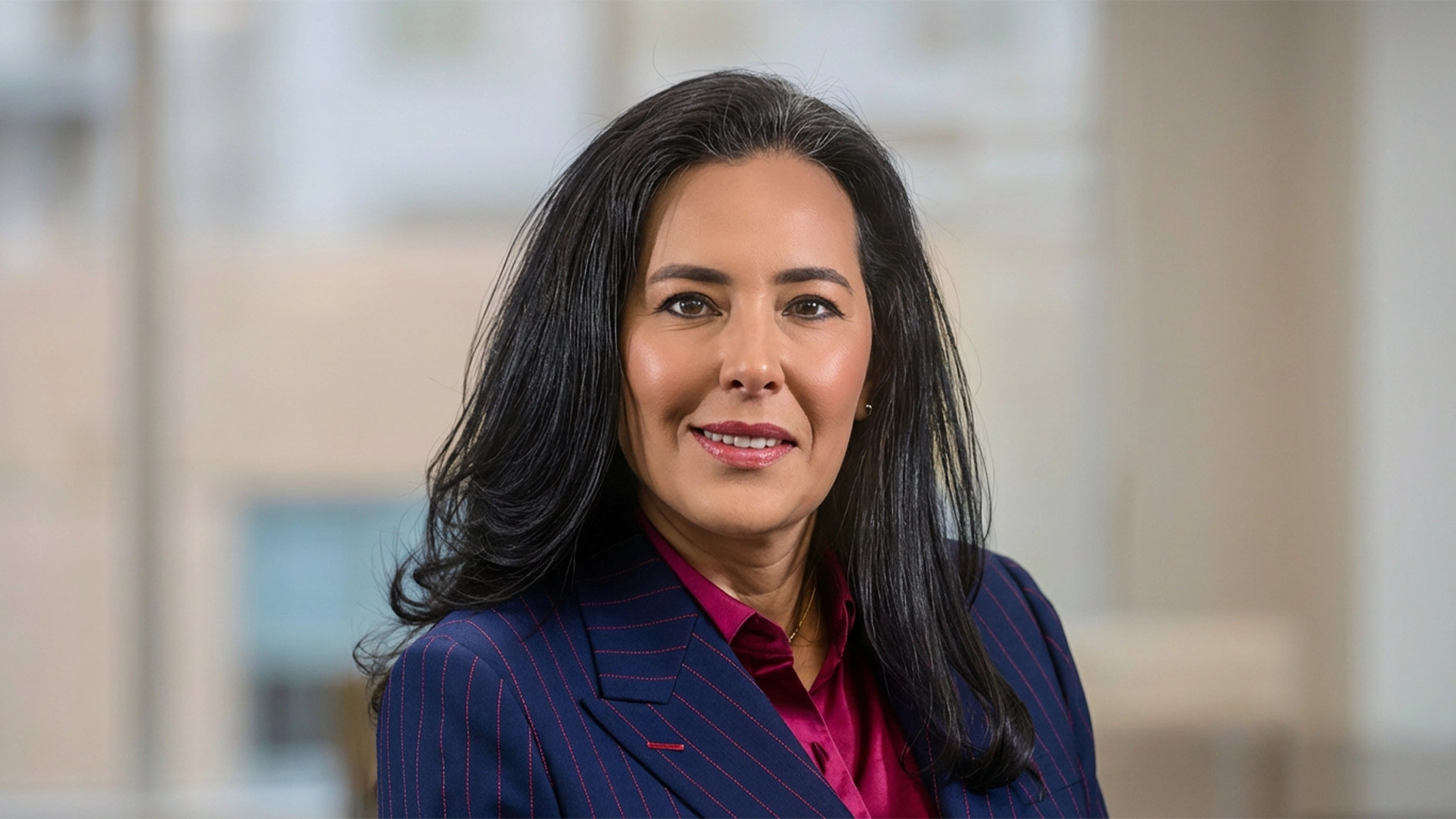
At a time when Africa’s growth conversation is increasingly shifting from ambition to execution, one question echoed across the halls of the 2026 Africa CEO Forum in Kigali, Rwanda: how can the continent move from fragmented progress to scalable transformation? For Dahlia Khalifa, the answer lies not in isolated interventions but in collective action, strategic investment, and building systems capable of unlocking opportunity at scale.
Speaking to Arise’s Global Business Report on the sidelines of the Africa CEO Forum, Khalifa reflected on this year’s theme, The Scale Imperative and Shared Ownership, as more than a conference slogan. To her, it captures the challenge and promise of Africa’s next growth chapter. “The task of scaling Africa is not easy,” she explained, “but it is one that all of us can contribute to.”
As Director for Nigeria and Central Africa at the International Finance Corporation (IFC), part of the World Bank Group, Khalifa views Africa’s development agenda through a practical and urgent lens: job creation.
YOU CAN ALSO READ: AFC Targets Africa’s Startup Ecosystem With $100 Million Push Into Technology Funds
The World Bank Group’s broader mission, she noted, increasingly centers on creating opportunities for employment and identifying where private sector investment can generate the greatest impact. For the IFC, that means focusing on sectors with the power to create jobs at scale while driving sustainable economic growth. Khalifa highlighted five industries she believes carry exceptional promise across Africa: tourism, agriculture, infrastructure, healthcare, and value-added manufacturing.
While tourism is often overlooked as a development tool, Khalifa emphasized that it remains one of the continent’s strongest job generators. Agriculture continues to serve as the backbone of many African economies and remains one of the largest employers, particularly in countries like Nigeria. Infrastructure development remains critical to productivity and competitiveness, while healthcare strengthens the human capital necessary for thriving societies. Manufacturing, especially value-added production, offers an opportunity for Africa to capture greater economic returns from its industries and resources. Yet identifying opportunities alone is not enough. Capital remains the decisive factor.
For Khalifa, mobilizing private investment is not just one objective among many, it is the connecting force behind Africa’s broader economic aspirations. Attracting domestic and foreign capital requires creating environments where investors can operate with confidence. This is where the World Bank Group’s coordinated structure becomes particularly significant. While the World Bank focuses on policy reforms and frameworks that support investment, the IFC acts as what Khalifa described as the “tip of the spear,” mobilizing capital and driving investments into strategic sectors. Supporting both institutions is MIGA, which helps reduce investment risk through political guarantees and financial safeguards.
The conversation in Kigali, however, extended beyond development structures and into the realities of today’s uncertain geopolitical environment. As global markets respond to tensions in the Middle East and fluctuating energy prices, concerns around inflation and economic vulnerability have intensified worldwide. Khalifa framed the situation as another reminder that external shocks often redefine priorities. Drawing parallels with the COVID era, she explained that crises frequently expose structural weaknesses and push countries to rethink resilience. COVID accelerated conversations around health security; current global tensions are doing the same for energy security.
The impact of energy volatility extends far beyond fuel prices. It creates ripple effects across agriculture, food systems, and industrial production. Fertilizer production, for example, depends heavily on energy markets, meaning disruptions can ultimately affect food prices and broader economic stability. Moments like these, Khalifa suggested, reinforce the need for nations to think seriously about energy security, food security, and health security, not as abstract policy discussions but as strategic priorities.
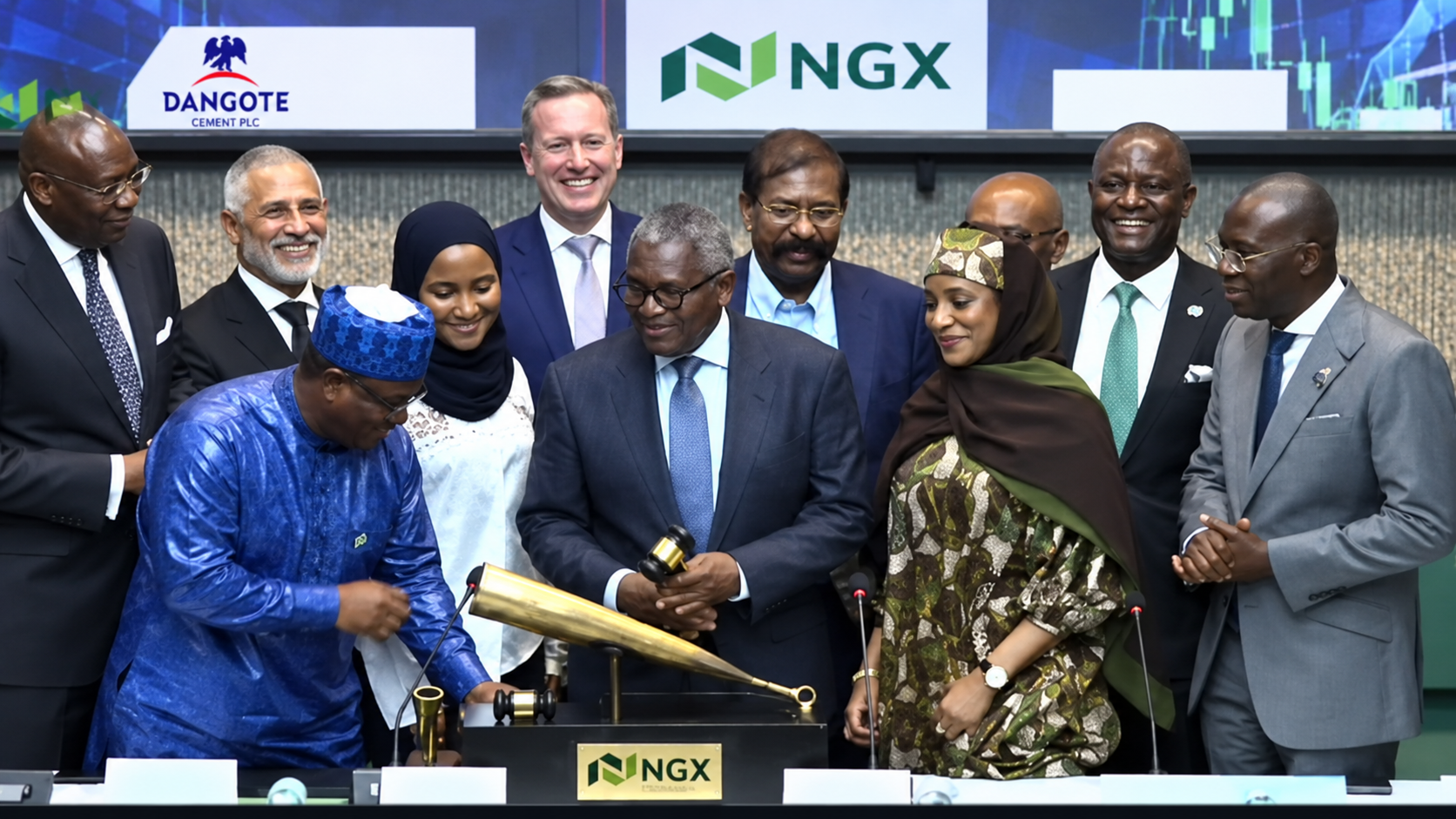
Within this context, Khalifa believes Nigeria enters this period with certain structural advantages. The country’s evolving energy ecosystem, strengthened by industrial investments and local production capacity, offers a stronger foundation than many peers across the continent. Facilities such as the Dangote Refinery alongside Nigeria’s expanding fertilizer production capacity are helping create buffers against external shocks and improving national resilience. Still, she stressed that existing strengths can only go so far. Sustained macroeconomic discipline, policy consistency, and a business environment that supports private sector participation remain essential.
YOU CAN ALSO READ: The Work Ethic Behind Lucy Guo’s Billionaire Success Story
This focus on practical solutions brought Khalifa back to the concept of scale. Among the initiatives she highlighted was Mission 300, an ambitious effort designed to provide electricity access to 300 million Africans. Nigeria has become a central focus within that agenda, with programs targeting millions through initiatives such as DARES and off-grid solar systems. The goal, she explained, is not simply to solve one problem in one location but to create systems capable of being replicated repeatedly across underserved communities. That is what true scale means: building solutions that can be adapted, expanded, and sustained.
Beyond strategy and economics, the conversation also carried a personal dimension. After nearly four years based in Lagos, Khalifa reflected on her transition into a new role within the World Bank Group in the Middle East, closing a significant chapter in her professional journey across Nigeria and Central Africa.
She spoke warmly about the experience, describing it as one of the greatest honors of her career. Arriving with respect, she said, she leaves with even deeper admiration for the resilience, strength, and possibilities she encountered across the region. Having witnessed firsthand both the challenges and opportunities shaping Nigeria and the broader African continent, Khalifa departs enriched by the experience. Her reflections from Kigali carried a broader message for Africa itself: progress may not necessarily depend on discovering entirely new ideas, but on recognizing what already works and finding ways to scale it.