The atmosphere surrounding the latest meeting of the Central Bank of Nigeria’s Monetary Policy Committee carried a familiar sense of urgency. Across the world, economies continue to navigate the aftershocks of geopolitical instability, rising commodity prices, energy disruptions and renewed inflation concerns. Central banks from advanced and emerging economies alike are becoming increasingly cautious, slowing monetary easing and recalibrating strategies as uncertainty reshapes the global economic landscape. Against this backdrop, Nigeria’s policymakers gathered not simply to review economic indicators but to confront a broader question: can the country maintain stability amid mounting global pressure?
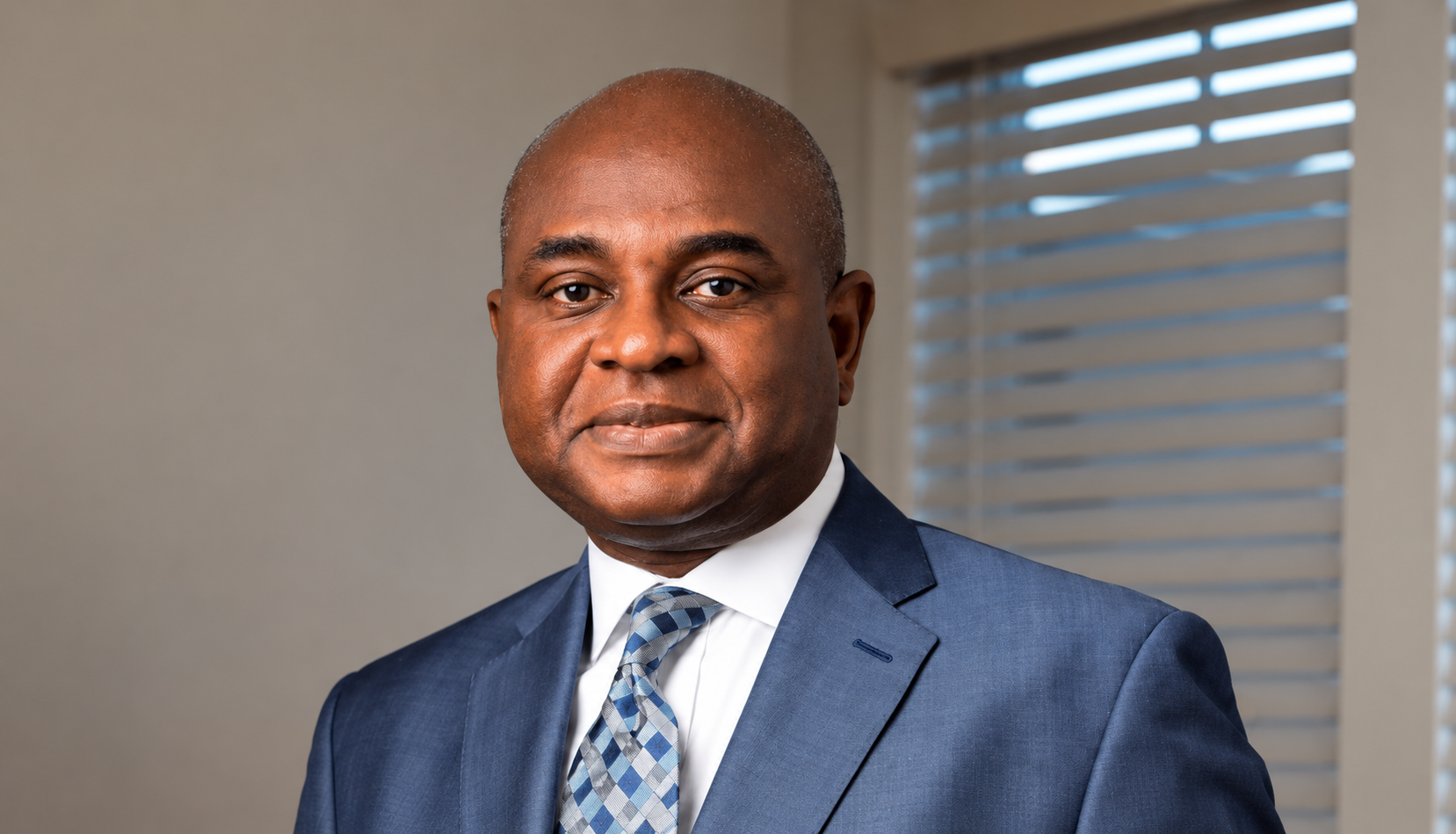
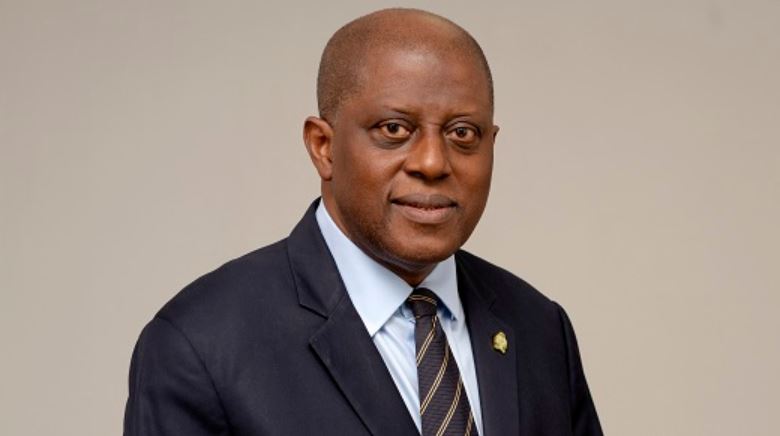
For two days, the Monetary Policy Committee examined developments shaping both domestic and international economic conditions. At the conclusion of its 35th meeting held on May 19 and 20, 2026, the message delivered by the Governor of the Central Bank of Nigeria, Olayemi Cardoso, reflected deliberate caution and measured confidence. Rather than pursue aggressive policy shifts, the committee chose continuity, signaling that stability itself had become a strategic objective.
The MPC retained the Monetary Policy Rate at 26.5 percent while maintaining existing parameters around standing facilities and cash reserve requirements. On the surface, these decisions may have appeared routine, but they represented something deeper: confidence in reforms already underway and belief that the economy was gradually developing stronger foundations.
YOU CAN ALSO READ: Tayo Aina’s Mission to Change How the World Sees Africa
That confidence came despite signs of renewed inflationary pressure. Headline inflation climbed to 15.69 percent in April 2026, marking the second consecutive monthly increase, while food inflation rose further to 16.06 percent, driven by transportation costs, logistics challenges and seasonal pressures. Yet policymakers did not interpret these developments as evidence of structural deterioration. Instead, they framed them as temporary disruptions linked largely to external shocks.
Attention focused heavily on geopolitical tensions in the Middle East and their broader consequences for global energy and commodity markets. Across many economies, such shocks often translate quickly into domestic inflation pressures. Nigeria, however, argued that recent reforms had strengthened its capacity to absorb external turbulence. The Central Bank pointed to exchange-rate stability, stronger external reserve buffers, fiscal consolidation efforts and improved monetary policy transmission as protective mechanisms helping to shield the economy.
Perhaps more importantly, Governor Cardoso reminded observers that Nigeria had previously recorded eleven consecutive months of moderating inflation before recent global disruptions interrupted that progress. To policymakers, this represented proof that reforms were beginning to produce measurable results. The recent inflation increase, therefore, was framed not as a reversal but as a temporary interruption.
That distinction matters because investor confidence often depends less on short-term movements and more on whether policymakers remain committed during difficult periods. Throughout the briefing, the Governor’s language suggested a Central Bank determined not to abandon long-term strategy in response to temporary pressures.
Economic indicators also provided reasons for cautious optimism. Nigeria’s real Gross Domestic Product expanded by 4 percent in the fourth quarter of 2025, slightly improving from the previous quarter. Growth reflected stronger performances across agriculture, industry and services. Activities in information and communication, transportation and storage offered further evidence that the economy was gradually diversifying beyond its traditional dependence on oil. Even within the oil sector itself, stronger downstream refining activity contributed to growth, signaling progress toward strengthening domestic capacity.
One of the strongest confidence signals also came from Nigeria’s external reserves. Gross external reserves rose to approximately $49.49 billion as of mid-May 2026, up from $48.35 billion at the end of March. More significantly, reserves remained sufficient to finance over nine months of imports. For investors, such figures represent more than economic data; they signal security and resilience, demonstrating an economy’s ability to absorb shocks and meet international obligations.
The committee also welcomed a recent sovereign rating upgrade, describing it as recognition of Nigeria’s broader reform trajectory. Such upgrades carry influence beyond symbolism, shaping investor sentiment and perceptions of policy credibility.
Still, some of the most revealing moments emerged during exchanges with journalists. Questions around inflation and imported price shocks prompted Governor Cardoso to reaffirm the Central Bank’s commitment to continuity. “We will sustain the course,” he declared, reinforcing a philosophy centered on avoiding policy volatility, maintaining consistency and strengthening confidence over time.
The banking sector also featured prominently in discussions. Following the successful completion of recapitalization efforts, 33 banks emerged with stronger financial soundness indicators. To the Governor, the exercise represented more than regulatory compliance; it reflected investor confidence in Nigeria’s future. Particularly noteworthy was the level of domestic participation, which significantly outweighed foreign participation and, according to Cardoso, demonstrated belief from Nigerians themselves in the country’s long-term potential.
Attention also turned to small and medium-sized enterprises, widely recognized as vital drivers of economic growth but often constrained by financing challenges. While acknowledging concerns surrounding high borrowing costs, Cardoso argued that expanding SME financing requires collaboration across multiple institutions. Recent figures showing increased lending activity suggested that banks may already be broadening their lending strategies following recapitalization.
YOU CAN ALSO READ: Kola Adesina on the Urgent Need to Finance Africa’s Clean Energy Growth
Foreign exchange reforms also attracted attention. Responding to speculation that the Central Bank had aggressively intervened to defend the naira, the Governor rejected the suggestion, arguing that reforms had fundamentally transformed market structure. Increased market turnover and stronger liquidity, he noted, had reduced the need for direct intervention. The revised foreign exchange manual scheduled to take effect in June was presented as another step toward greater transparency and market efficiency.
By the close of the briefing, one theme had become unmistakable. The Central Bank appeared determined to project a new identity, less crisis manager and more institution builder. The emphasis was no longer solely on emergency interventions but on resilience, credibility and long-term structure.
Nigeria still faces familiar pressures. Inflation remains elevated, global uncertainties persist and businesses continue to seek affordable access to capital. Yet the message from the Central Bank was clear: reforms are intended not merely to solve immediate challenges but to build an economy capable of weathering future storms. In an increasingly uncertain world, continuity itself may be Nigeria’s most significant policy choice.