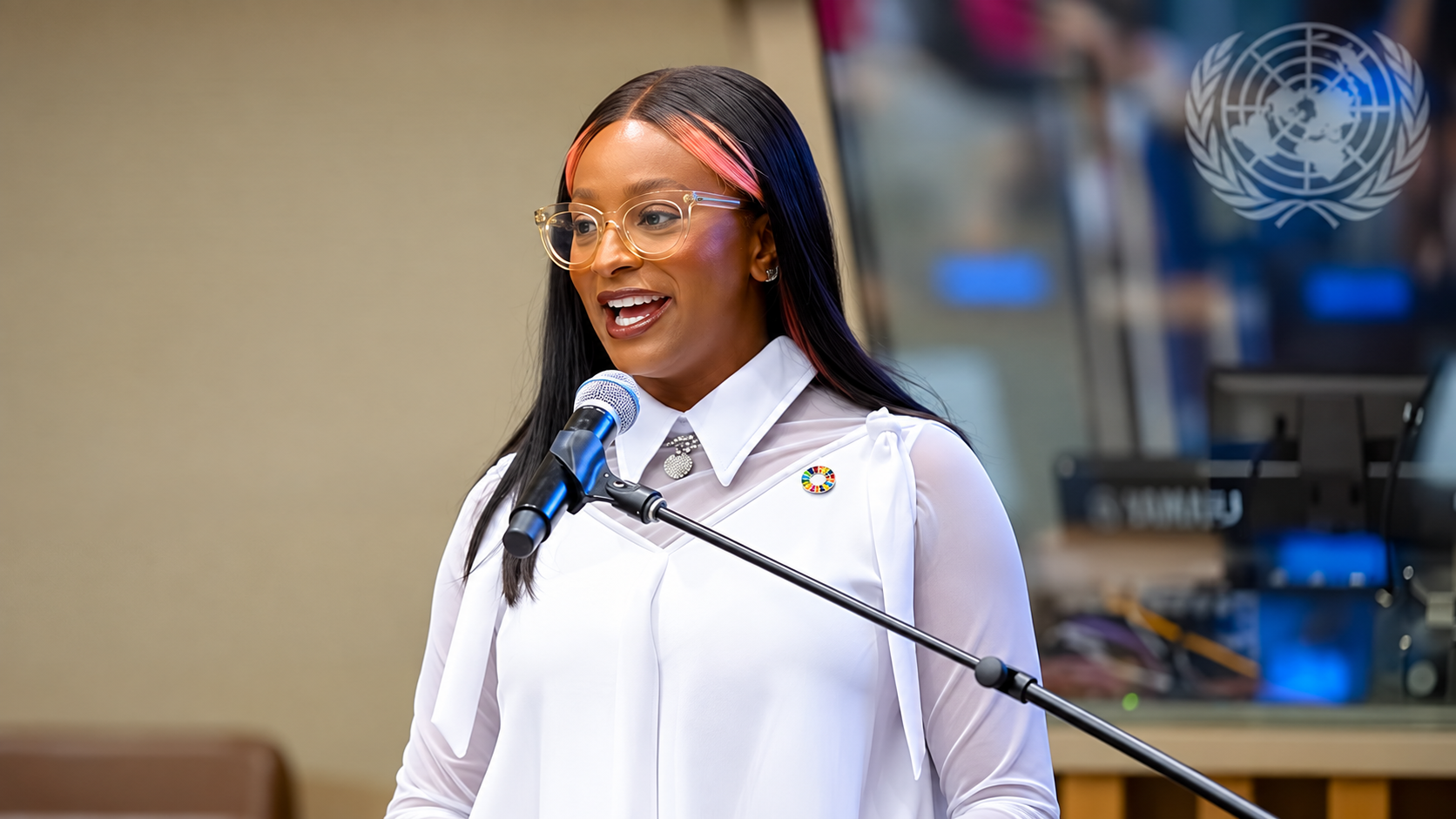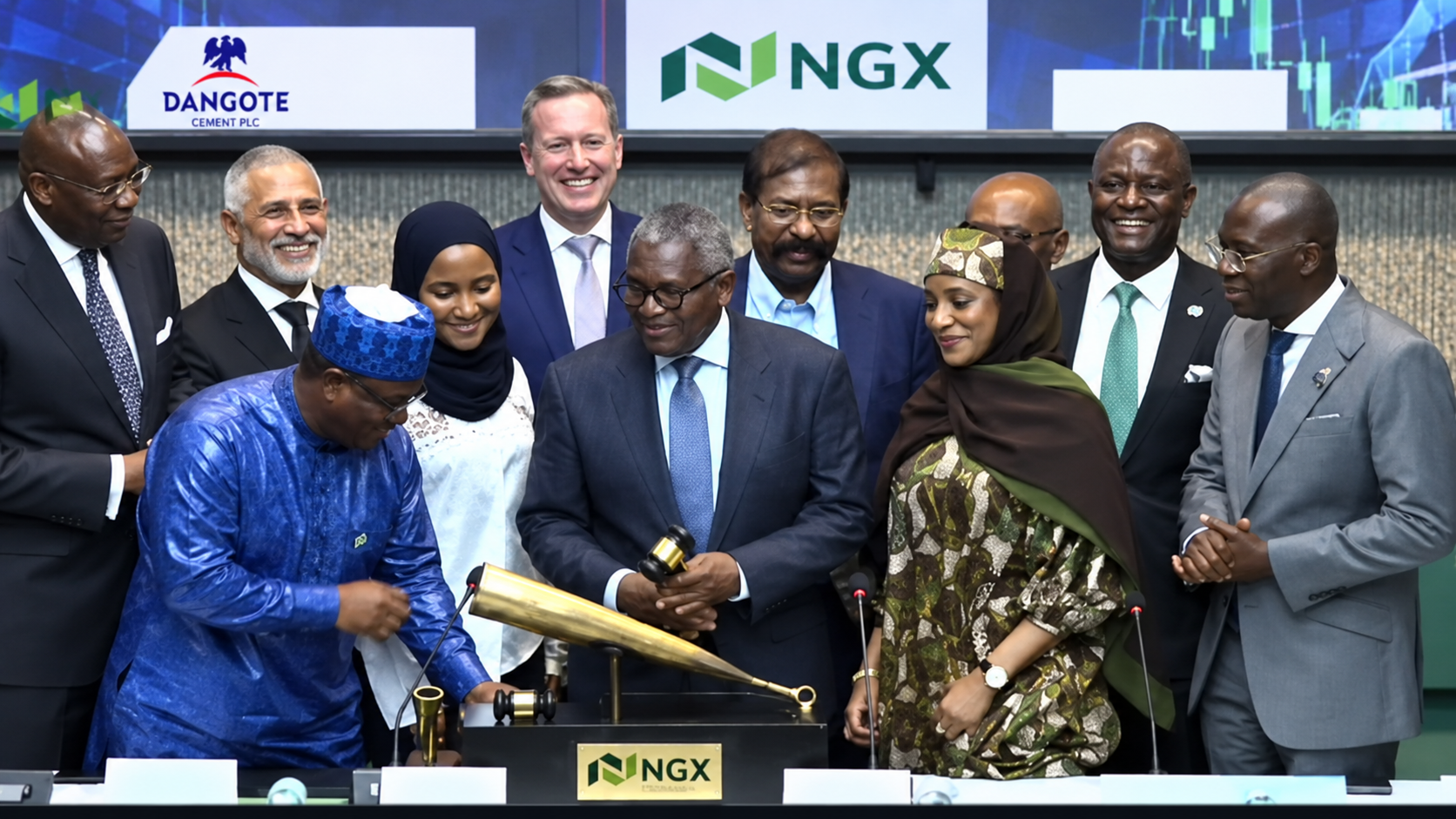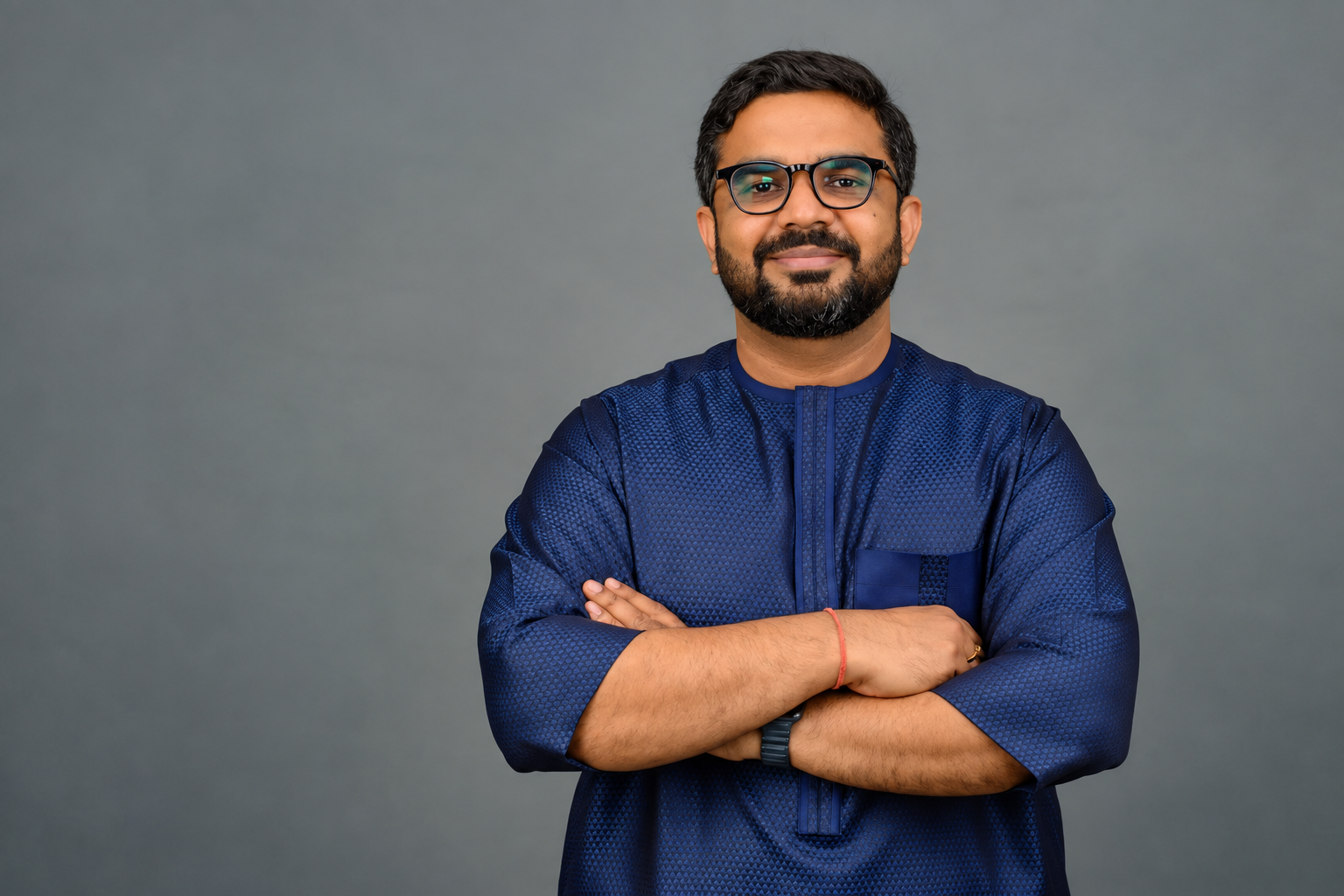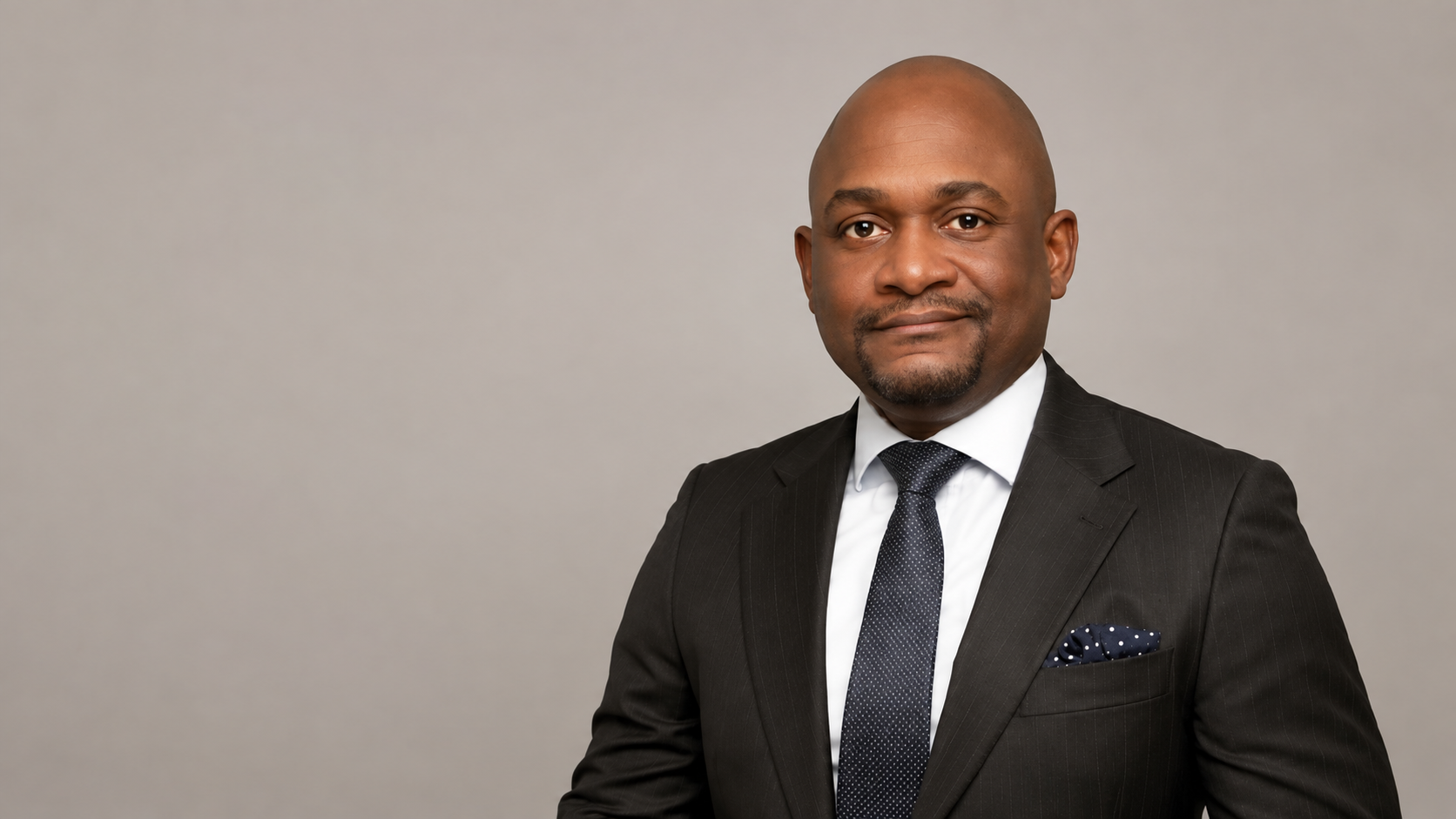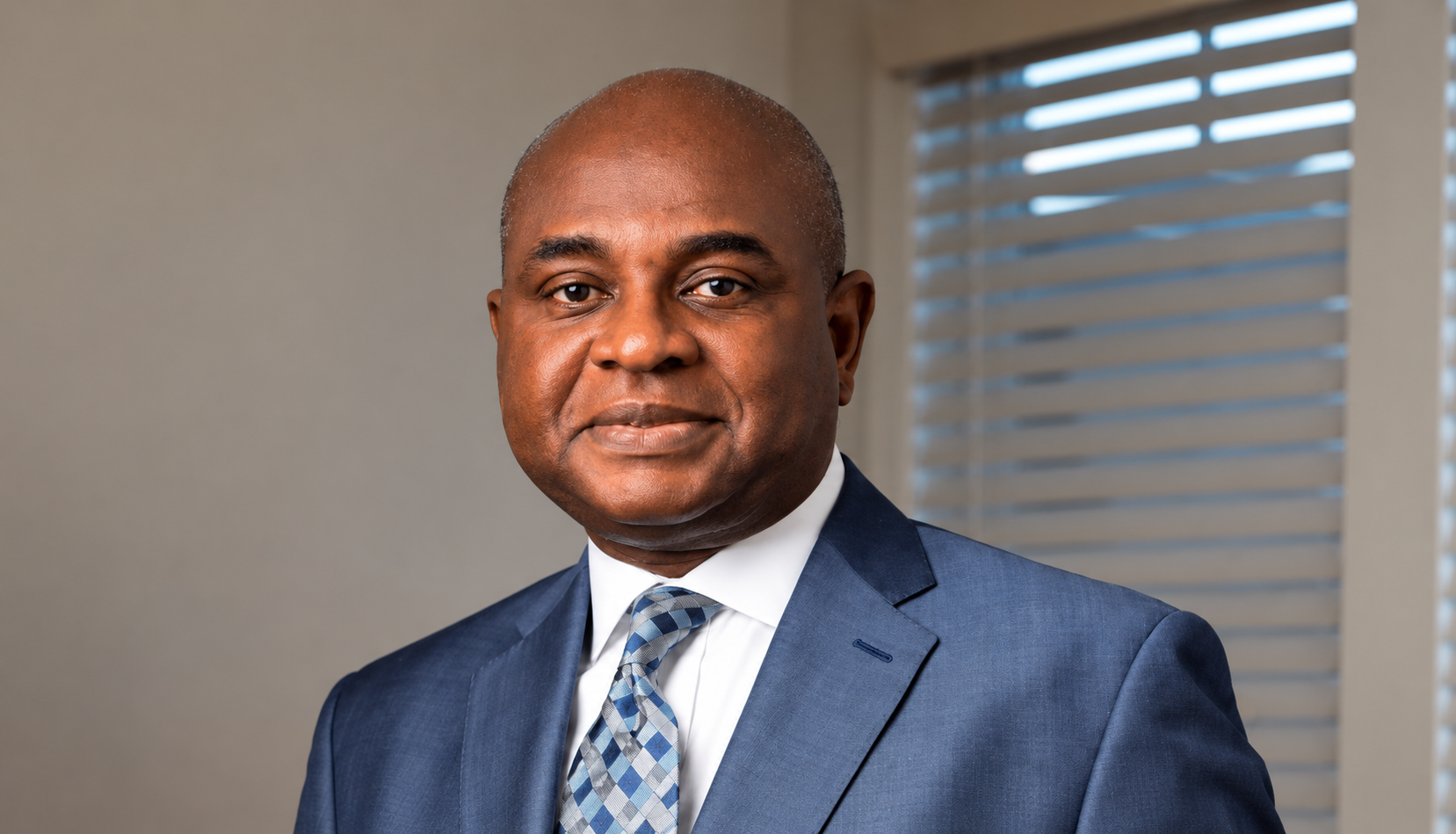
For Kola Adesina, conversations around the global energy transition had increasingly focused on technology, climate targets, and innovation, but he argued that one issue remained central to the discussion: access to capital. As Executive Director at Sahara Group and Group Managing Director of Sahara Power Group, Adesina had spent more than two decades navigating the realities of Africa’s energy sector. Through leadership roles spanning energy, finance, governance, and risk management, he developed a perspective rooted in the belief that large-scale transformation required more than ideas and technological progress. It demanded systems capable of financing sustainable growth.
Beyond the energy sector, Adesina also served as Chairman of AXA Mansard, where he applied years of experience in risk management and business development. His academic journey included degrees from the University of Lagos and executive education at The Wharton School and Harvard Business School. He also received national honours, including recognition as a Member of the Order of the Federal Republic and honorary distinctions from leading institutions. Yet beyond credentials and titles, his message reflected a growing urgency around the future of Africa’s energy transition.
YOU CAN ALSO READ: Why Structured Wealth May Be Nigeria’s Missing Financial Solution
Adesina had described the global shift toward cleaner energy as one of the most consequential undertakings in modern history, but argued that its success depended on whether it worked for everyone, not only countries wealthy enough to lead the process. He pointed to a striking contradiction: Africa possessed approximately 60 percent of the world’s strongest solar resources, yet attracted only a small share of global clean energy investment despite being home to a substantial portion of the global population. He maintained that this imbalance was not evidence of conspiracy or neglect but rather a market failure, one that could be corrected with the right structures and financing systems.
What strengthened his argument was the fact that solutions had already begun emerging across the continent. He highlighted examples where energy access had transformed communities in practical ways. In the remote Nigerian village of Mbiabet Esieyere, for example, a solar mini-grid installed in 2022 had changed daily life by replacing long-standing darkness with reliable electricity. Children who had once relied on kerosene lamps for studying now had access to stable lighting. Across Nigeria, hundreds of mini-grid systems had begun powering homes, schools, healthcare facilities, and agricultural operations. To Adesina, these were not isolated success stories but evidence that Africa’s energy market was already moving forward.
He observed that solar growth across Africa had accelerated significantly, with countries like Nigeria emerging among the continent’s leading contributors to new installed capacity. Yet despite progress in deployment and demand, financing had continued to lag behind ambition. According to Adesina, achieving Africa’s energy and climate objectives would require annual investments running into hundreds of billions of dollars over the coming decade. The challenge, he argued, had never been technology or political willingness. Instead, it was the absence of structured, patient, and appropriately priced capital.
He also highlighted what he saw as a persistent imbalance in global finance: African energy projects often faced significantly higher capital costs than similar projects in Europe or North America, even when the technology, market conditions, and potential returns remained highly competitive. He considered this disparity both unnecessary and unsustainable.
YOU CAN ALSO READ: How Olumide Soyombo Built One of Africa’s Most Influential Investing Journeys
Rather than framing the issue as a matter of aid, Adesina presented Africa’s energy transition as one of the most compelling investment opportunities available globally. He argued that institutional investors, development finance institutions, and corporate leaders all had important roles to play in accelerating the continent’s progress. The question, in his view, was no longer whether Africa possessed the resources or capacity to power itself because evidence had already shown that it could. The more urgent issue had become whether the global financial system could organize itself quickly enough to match Africa’s momentum.
Ultimately, Adesina maintained that technology had ceased to be the primary constraint. Across Africa, communities, businesses, and households had already begun benefiting from expanded access to energy. The remaining uncertainty was whether global capital would arrive in time to sustain and accelerate that progress.